
Thyme: The Fragrant Carpet and Natural Protector of Your Garden
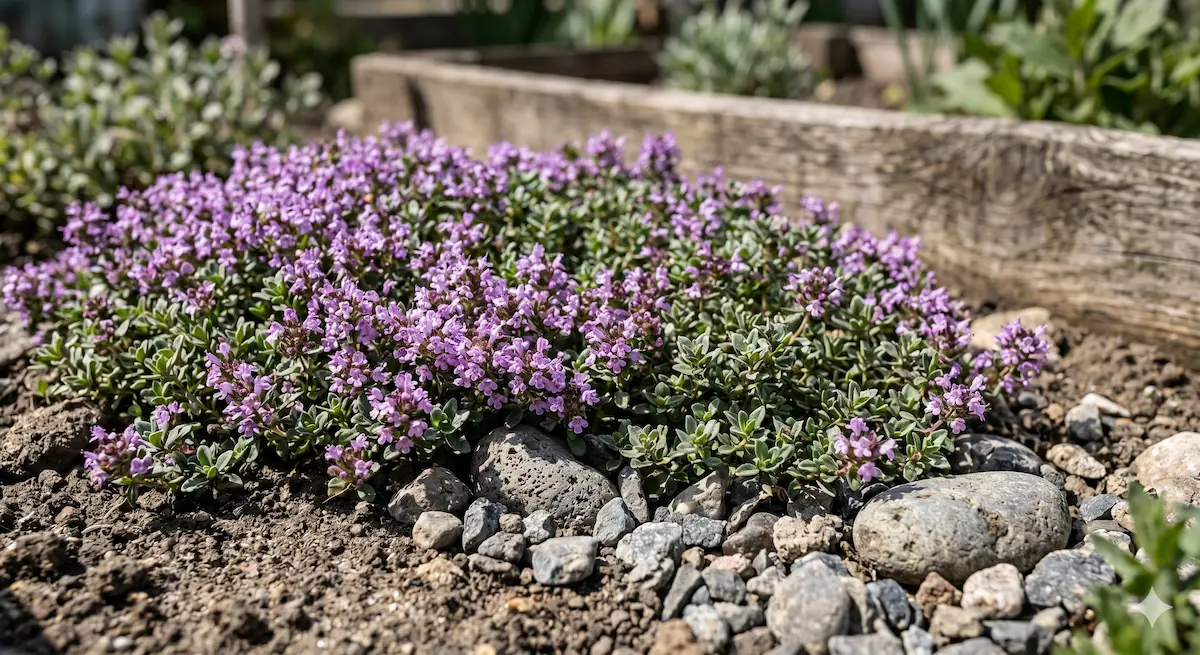
How to grow thyme: from choosing stony soil to perfect companion planting for pest protection. Secrets to caring for this aromatic herb.
Thyme is more than just a fragrant herb for tea; it's a real find for the smart gardener. It's hardy, drought-tolerant, and can turn even the poorest part of your garden into a blooming carpet. Besides its beauty, thyme acts as a "natural guardian," repelling many insects with its intense aroma.
Where to Plant Thyme: Sun and Stones
Thyme is a child of the rocks and steppes, so it strictly cannot tolerate shade or stagnant water. If you plant it in a low-lying area or under a dense tree canopy, it will quickly lose its scent and may even perish from excessive moisture. Our planner will notify you if thyme is placed in a shaded zone—try to avoid such spots.
Poor Soil is the Key to Success
This is one of the few plants that dislikes overly rich or fertile black soil. Thyme performs best on Calcareous (Type 5) or Sandy Soils (Type 2). The more stones and sand in the ground, the better the drainage. If you're unsure if your soil is "light" enough, use our soil type guide—thyme needs it to be as dry and loose as possible.
Companions and Helpful Neighbors
Thyme is a wonderful neighbor that helps keep other plants healthy:
- Friends: Cabbage (thyme repels cabbage flies and white butterflies), eggplants, and potatoes. It also gets along well with other Mediterranean herbs like rosemary or lavender.
- Enemies: It has no direct plant enemies, but it may conflict with crops that require intense and frequent watering (like moisture-loving lettuces), as thyme itself will rot from too much water.
AgroPlanner Tip: Thyme is an ideal choice for the edges of your garden beds. Firstly, it creates a beautiful decorative border. Secondly, its scent creates a "protective barrier" against pests trying to locate your main vegetable crops.
AgroPlanner App
Realize your dream garden: check plant compatibility, sun/shade needs, and save your plan easily.

Disclaimer
Important! All information in this blog is for recommendation purposes only. We are developers and enthusiasts, not certified agronomists. Results may vary based on your region, soil type, and weather. We are not responsible for potential errors or crop failures. Please verify critical advice independently!
Found this helpful? Share with friends!
Read more
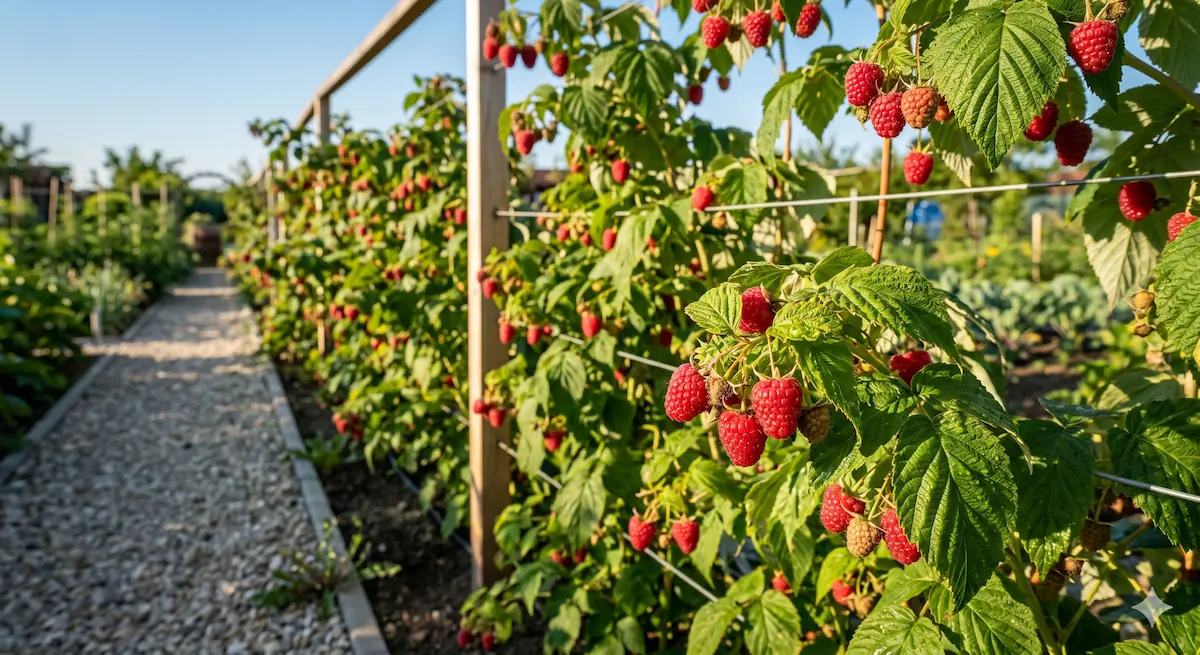
Raspberries: Pruning and Care Secrets for a Bountiful Harvest
Learn how to properly care for raspberries to prevent overgrowth and maximize berry yield. Tips on pruning, watering, and choosing the best neighbors for your raspberry patch.
Read more →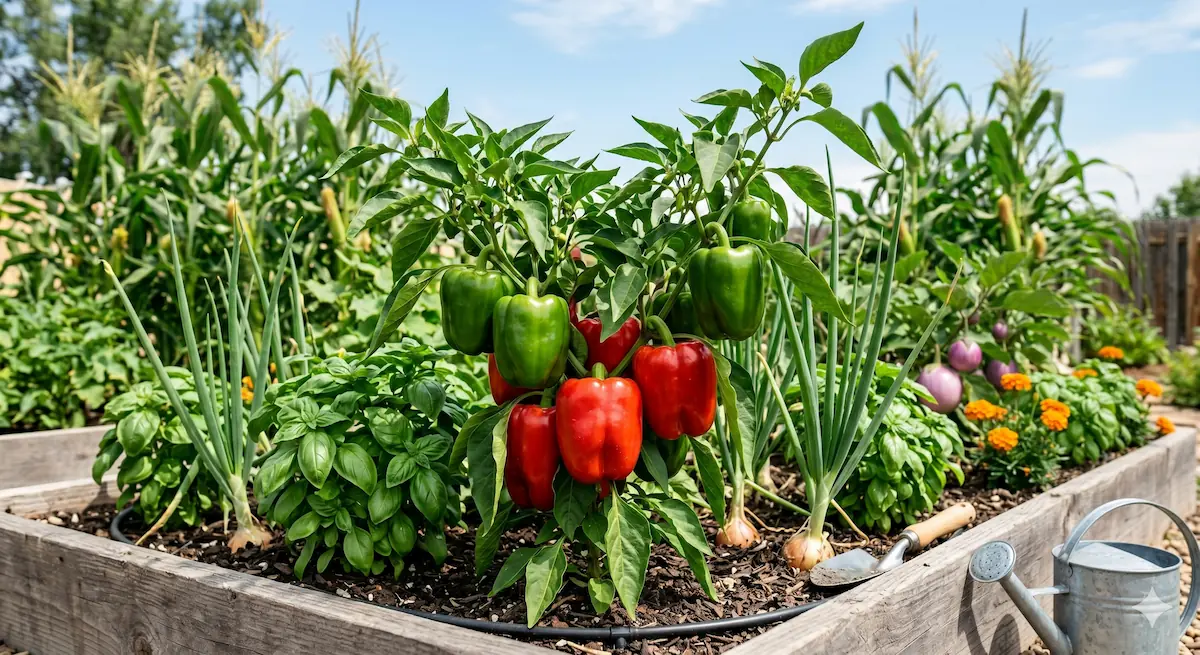
"California Wonder" Bell Pepper: The Sweet Giant in Your Garden
This variety is the gold standard of sweet peppers. Learn about soil requirements, watering secrets, and how to choose the right companions for a healthy crop.
Read more →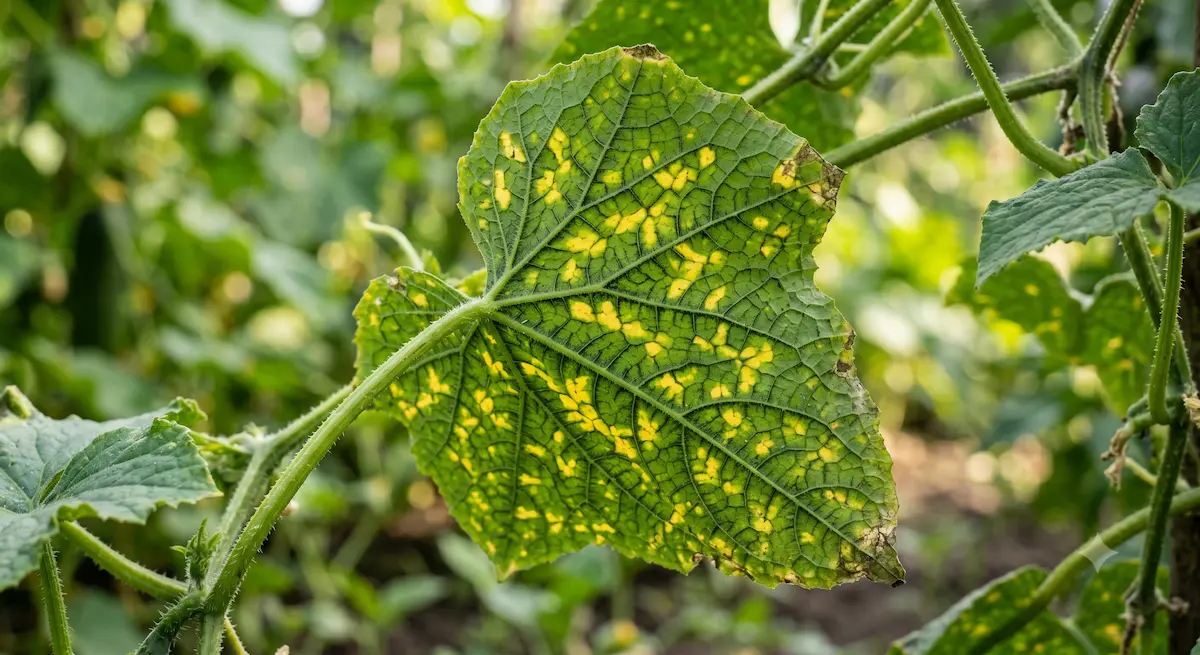
Yellow Cucumber Leaves in Summer: How to Tell Nutrient Deficiency from Dangerous Disease
When cucumber vines develop yellow spots, timely diagnosis is crucial. Learn the signs of mineral starvation, downy mildew, and mite attacks.
Read more →