
Jerusalem Artichoke: The "Smart" Potato That Defies Frost
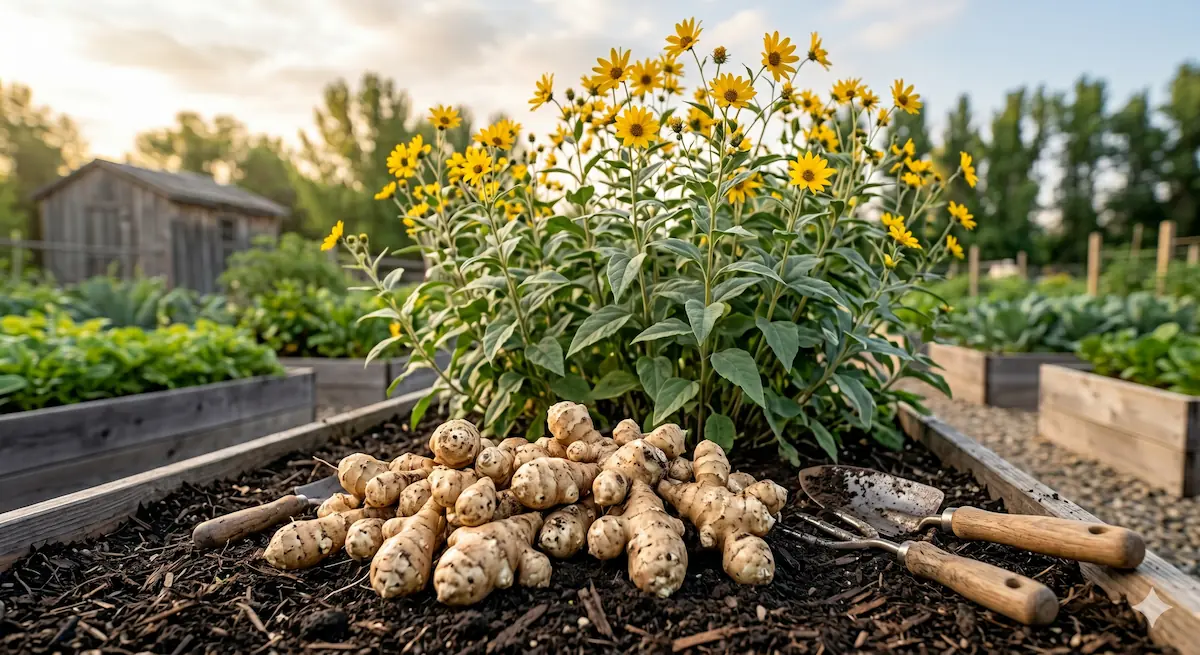
Jerusalem Artichoke is a sunflower relative with edible tubers. Learn why you don't need to dig it up for winter, how it cleans the soil, and why it's perfect for lazy gardeners.
Jerusalem Artichoke (Helianthus tuberosus), also known as Sunroot, is a unique crop. You plant it once and harvest for decades. Its tubers taste like sweet potato or nuts but contain no starch, making them indispensable for diabetics and healthy eaters.
Soil: Where Will Sunroot Grow on Its Own?
This is one of the most resilient plants in the world. It thrives where other crops give up.
- Best Choice: Any soil type, from Sand (Type 2) to Heavy Clay (Type 3).
- Soil Check: Perform the sausage test. Even if the soil rolls into a perfect ring (Type 3), the Jerusalem artichoke's powerful tubers will push through.
Best Companions (Good)
Sunroots grow up to 3 meters tall, making them excellent protectors for others:
- Corn: Together they create a formidable windbreak.
- Pole Beans: Can use the tall, sturdy sunroot stems as a natural trellis.
- Berry Bushes: Like Bluecrop blueberry, if the sunroot is planted on the northern side to shield them from wind.
Main Enemies (Bad)
- Yourself: The main issue with sunroots is that they can become invasive. Without boundaries, they will take over the entire garden.
- Walnut Trees: Though resilient, sunroot tubers will remain small within the walnut's toxic zone.
- Deep Shade: If planted in full shade, it will grow tall but fail to produce a significant tuber harvest.
AgroPlanner Tip: In our app, Jerusalem Artichoke occupies a 2x2 grid and is typically placed along the perimeter as a living fence. The system will suggest planting it near fences. The best part? Tubers can be left in the ground all winter—they actually get sweeter after a freeze!
AgroPlanner App
Realize your dream garden: check plant compatibility, sun/shade needs, and save your plan easily.

Disclaimer
Important! All information in this blog is for recommendation purposes only. We are developers and enthusiasts, not certified agronomists. Results may vary based on your region, soil type, and weather. We are not responsible for potential errors or crop failures. Please verify critical advice independently!
Found this helpful? Share with friends!
Read more
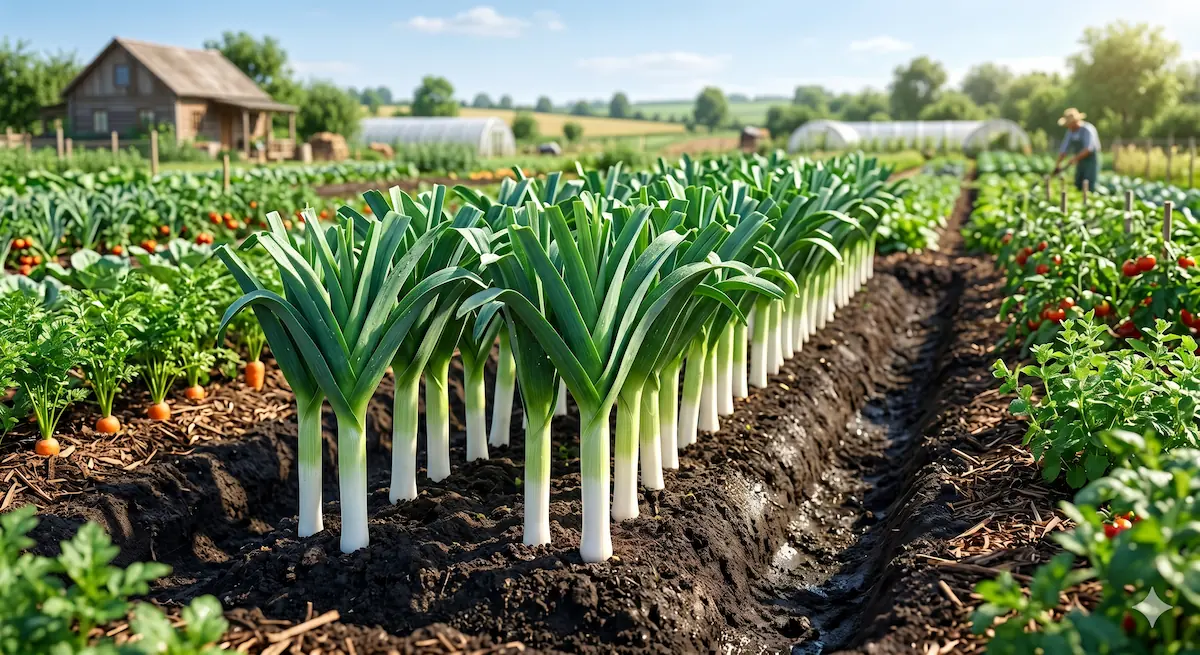
Leeks: How to Grow the Perfect "Blanched" White Stem
Leeks are the aristocrats of the onion family. Learn the secrets of trenching and hilling to get a long, tender, and snow-white stalk.
Read more →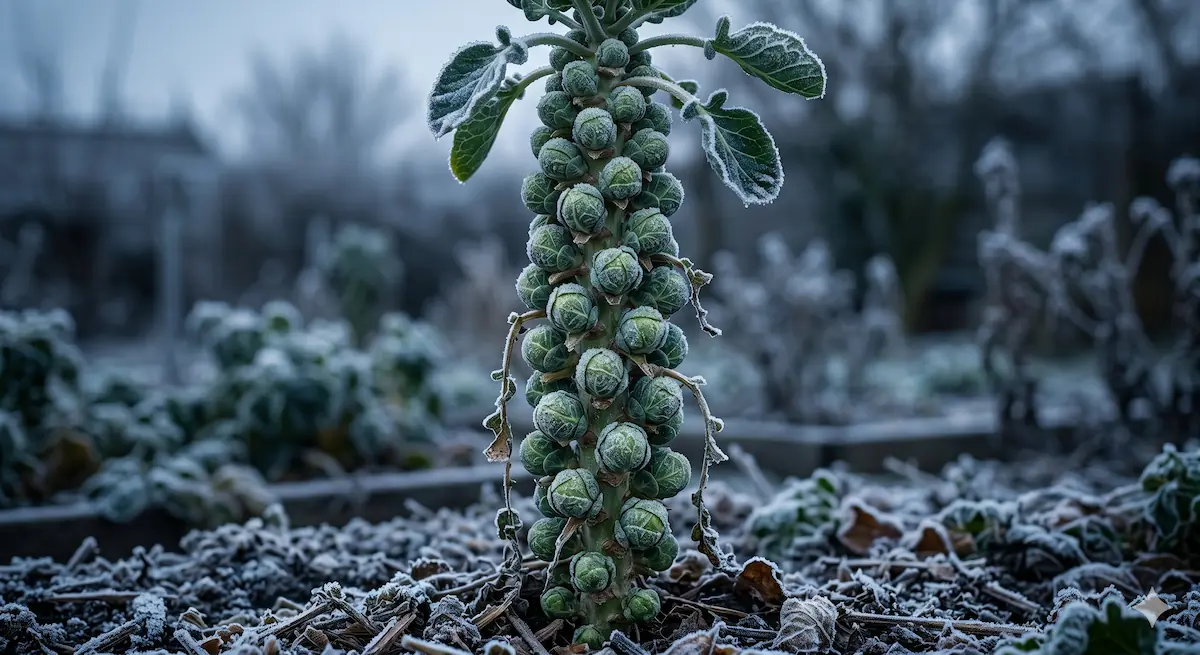
Brussels Sprouts: Why Frost is Their Best Friend
Brussels sprouts are the hardiest crop in the garden. Learn how to make the small heads grow faster and why you shouldn't rush the harvest.
Read more →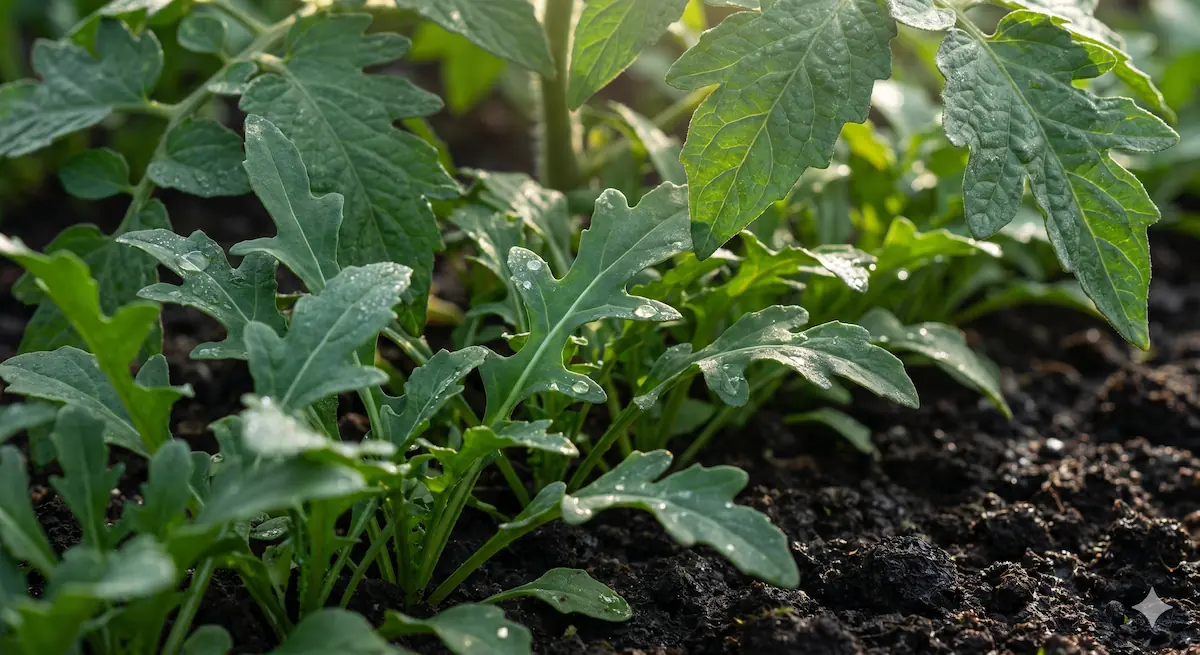
Arugula: How to Grow Vitamin Greens in Just 30 Days
Dreaming of fresh arugula from your own garden? Discover secrets of fast growth, why it’s best planted in the shade, and how our planner helps avoid common pests.
Read more →