
Kiwi and Actinidia: Growing an Exotic Vine at Home or in the Garden
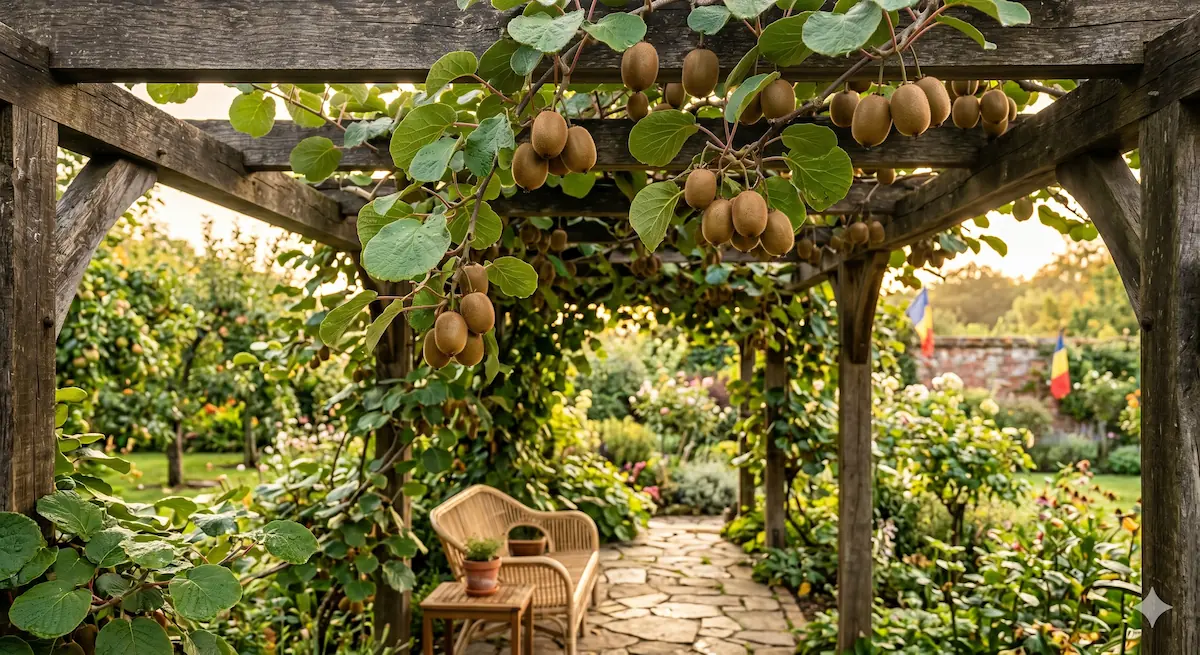
Kiwi is not just tasty; it’s incredibly beautiful. Learn how to choose a pollinating pair, why kiwi fears lime in the soil, and how to plan a sturdy support for this powerful vine.
Kiwi (Actinidia) is a vigorous woody vine that can decorate any arbor. Besides large, sweet fruits, it provides excellent shade. It’s important to know that most kiwi varieties are dioecious: to get a harvest, you must plant both "male" and "female" plants. It is a long-lived plant that, with proper care, will delight you with fruit for over 40 years.
Soil: Where Does Kiwi Get Its Juice?
Kiwi is a big fan of acidic or neutral soils. It strictly cannot tolerate excess lime or stagnant water.
- Best Choice: Fertile Loamy soils (Type 1) or Sandy Loams (Type 2) with high humus content.
- Soil Check: Perform the sausage test. If the soil rolls into a flexible stick (Type 1), it’s perfect: the roots will get enough nutrients for the vine's rapid growth.
Best Companions (Good)
- Grapes: Share similar requirements for supports and pruning.
- Mint: Helps retain moisture in the root zone. Try our chocolate mint for an aromatic pairing.
- Blueberries: Also love acidic soil. Check out our guide on Bluecrop blueberries.
Main Enemies (Bad)
- Walnut Trees: Kiwi is extremely sensitive to juglone. In the walnut’s toxic zone, the vine will simply stop growing.
- Tall Trees with Dense Canopies: They will steal the sun from the kiwi, without which the fruits will never become sweet.
- Cats: Young kiwi and actinidia shoots smell like valerian to cats. They might chew a young plant down to the root!
AgroPlanner Tip: Kiwi needs a very sturdy support (pergola or trellis) as the weight of a mature vine with fruit can reach hundreds of kilograms. In our app, it occupies a 3x3 grid near vertical objects. The system will check the light level in your chosen sector and highlight the **walnut toxic zone** or excessive shading from buildings in red.
AgroPlanner App
Realize your dream garden: check plant compatibility, sun/shade needs, and save your plan easily.

Disclaimer
Important! All information in this blog is for recommendation purposes only. We are developers and enthusiasts, not certified agronomists. Results may vary based on your region, soil type, and weather. We are not responsible for potential errors or crop failures. Please verify critical advice independently!
Found this helpful? Share with friends!
Read more
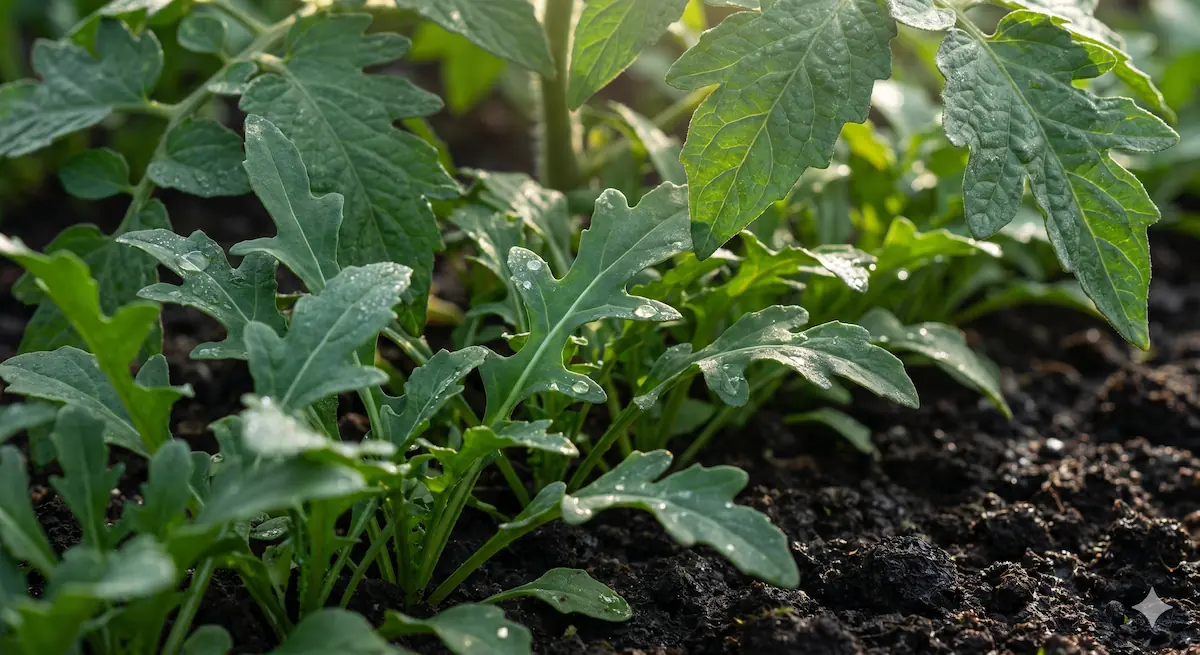
Arugula: How to Grow Vitamin Greens in Just 30 Days
Dreaming of fresh arugula from your own garden? Discover secrets of fast growth, why it’s best planted in the shade, and how our planner helps avoid common pests.
Read more →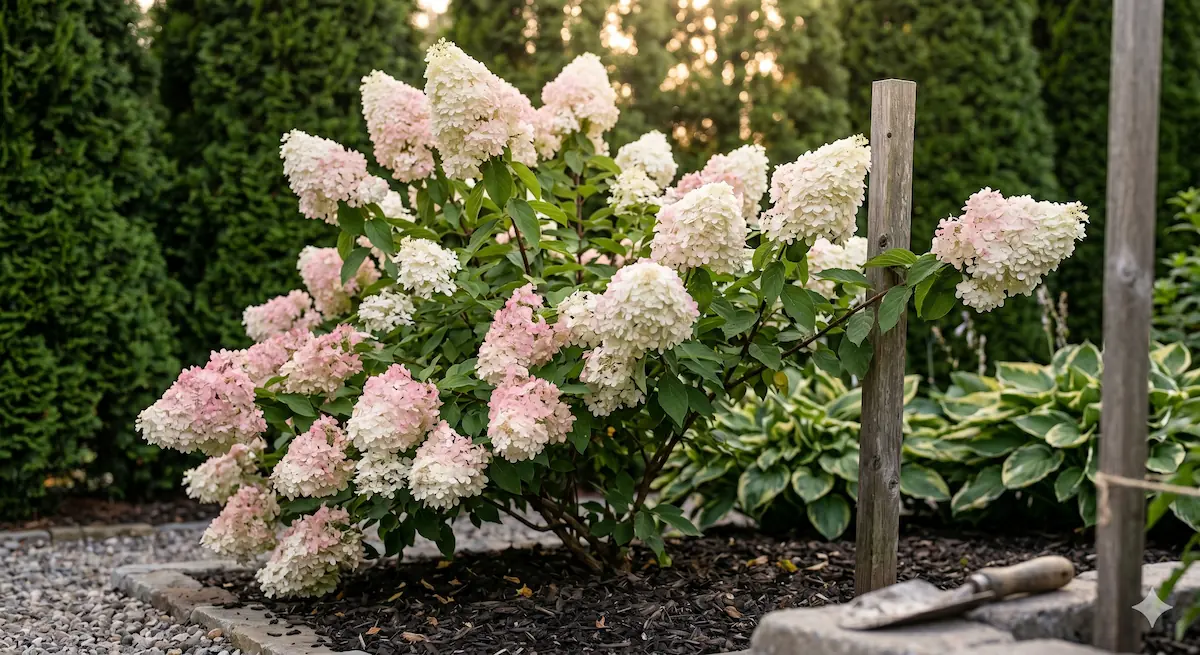
Panicle Hydrangea: Secrets to Lush Blooms and Choosing the Best Spot
Panicle hydrangea is a shrub that forgives beginners' mistakes but demands the right soil. Learn how to keep it blooming until the frost and find its perfect companions.
Read more →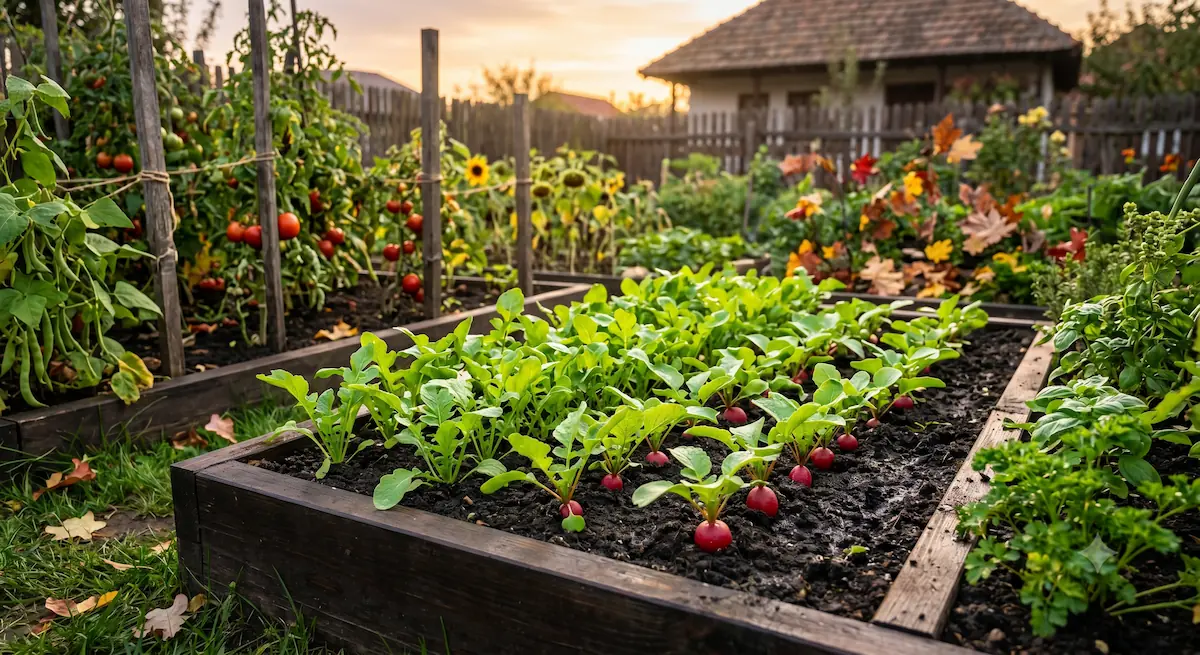
What to Plant in August: The Third Wave of Fast Summer Crops
August is the time to harvest main vegetables and sow fast greens and root crops. A complete guide to crops that have time to mature before autumn.
Read more →