
Peas: How to Grow a Sweet Harvest and Enrich Your Soil
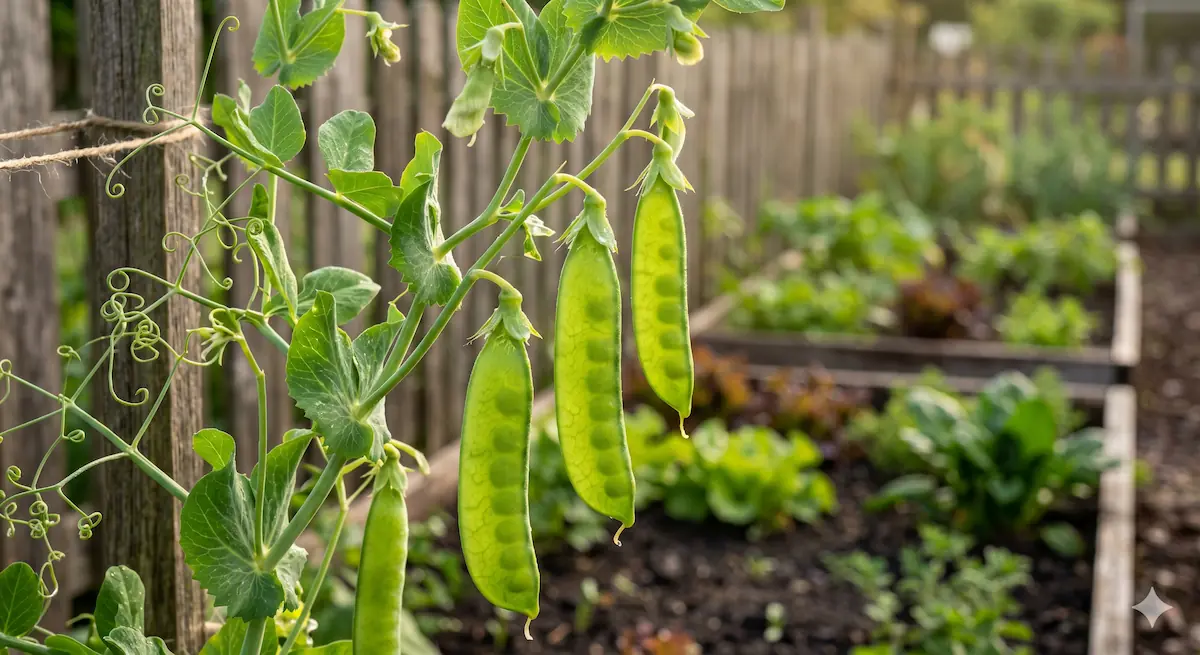
Secrets to growing peas: from soil selection to strategic companion planning. Learn how peas act as a natural fertilizer for your garden.
Peas are one of the most rewarding crops in the garden. They don't fear the spring chill and are among the first to start growing. However, the main value of peas isn't just in the sweet pods, but in their ability to fix nitrogen in their roots, enriching the soil for future crops.
Soil and Preparation
Peas love light and loose soil. The ideal choice is Loam (Type 1). If the soil is too heavy, the roots won't be able to fix nitrogen efficiently. Use our guide to ensure your soil structure allows peas to reach their full potential.
Vertical Planning and Light
Peas are vines that need support (netting or stakes). In our planner, keep in mind that tall varieties can cast moving shade. Be sure to check if your chosen spot shades out neighboring low-growing crops. Peas themselves need plenty of sun; if shaded by tall trees, the yield will be poor.
Best Friends and Danger Zones
Peas are excellent companions that help neighbors grow faster:
- Ideal Partners: Carrots, cucumbers, and Corn (which acts as a natural trellis for the peas).
- Toxic Zones: Keep peas away from the Walnut tree's radius. They are highly sensitive to toxins and will quickly wither in the presence of juglone.
- Conflicts: Avoid planting peas near onions and garlic—these crops can inhibit the growth of your peas.
AgroPlanner Tip: After harvesting your peas, don't pull the roots out of the ground. Simply cut the stalks and let the roots decompose—this keeps the stored nitrogen in the soil for the next plants you place in that spot next year.
AgroPlanner App
Realize your dream garden: check plant compatibility, sun/shade needs, and save your plan easily.

Disclaimer
Important! All information in this blog is for recommendation purposes only. We are developers and enthusiasts, not certified agronomists. Results may vary based on your region, soil type, and weather. We are not responsible for potential errors or crop failures. Please verify critical advice independently!
Found this helpful? Share with friends!
Read more
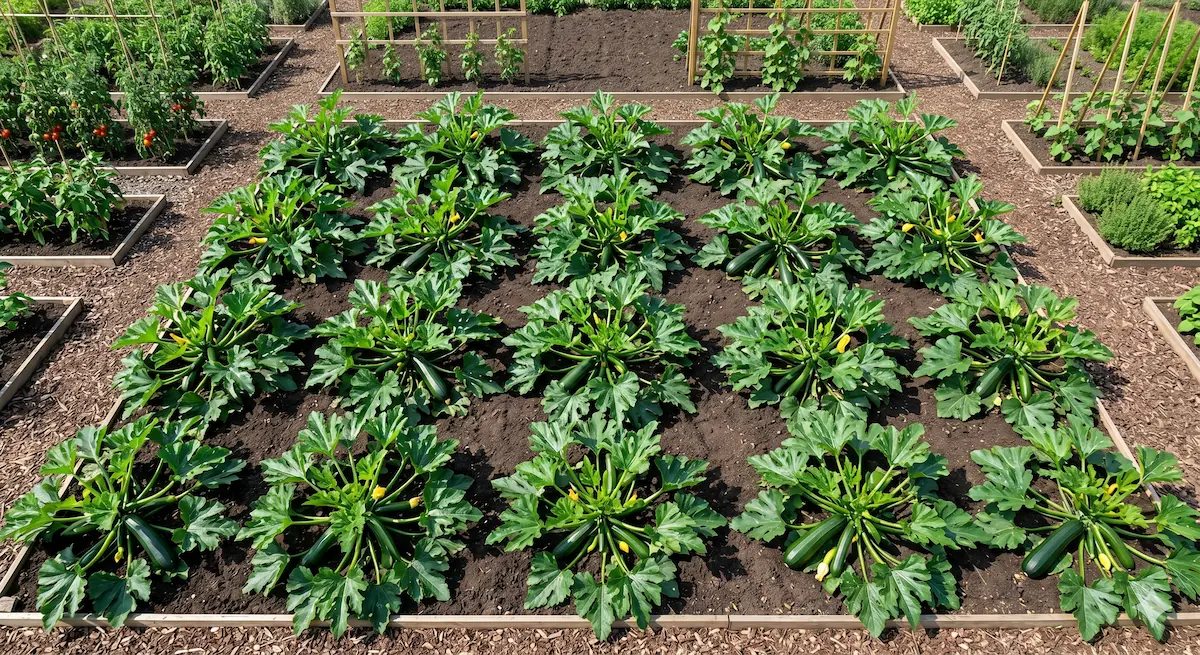
Zucchini and Courgettes: How to Grow a Bountiful Harvest in Limited Space
Secrets to growing zucchini and courgettes: from choosing a sunny spot to proper harvesting. Tips on plant compatibility and care to prevent diseases.
Read more →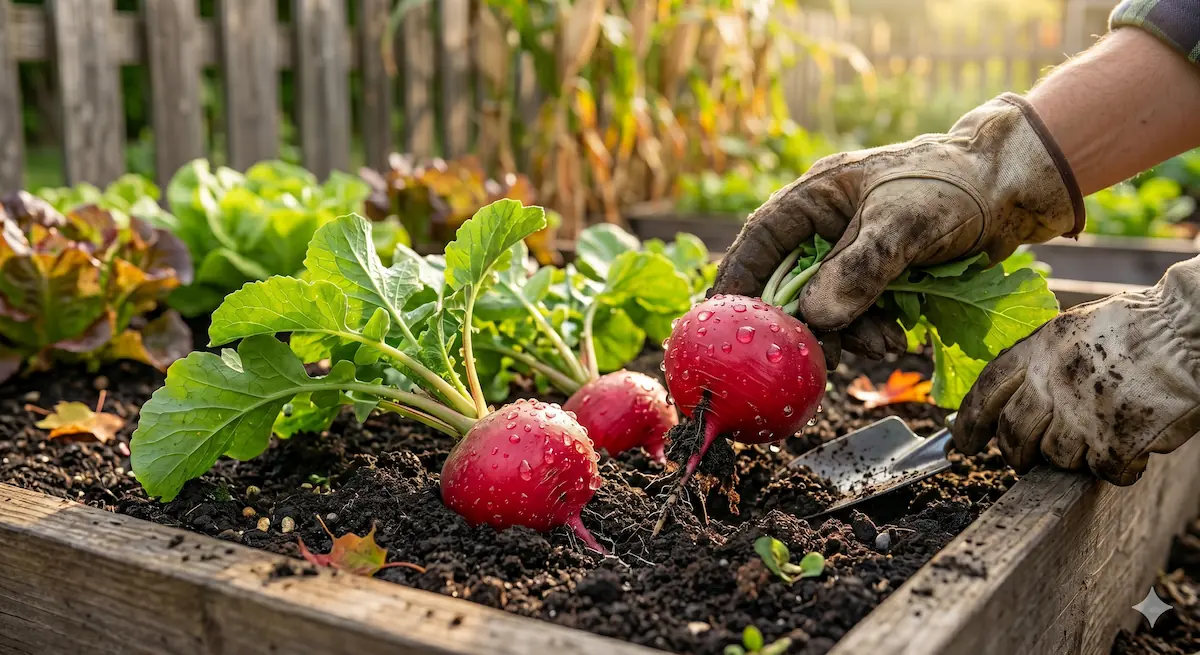
Radishes: How to Get Your First Vitamin Harvest in 25 Days
Secrets to growing crunchy radishes: from soil selection to ideal companionship. Learn how to get a quick harvest and why radishes dislike deep shade.
Read more →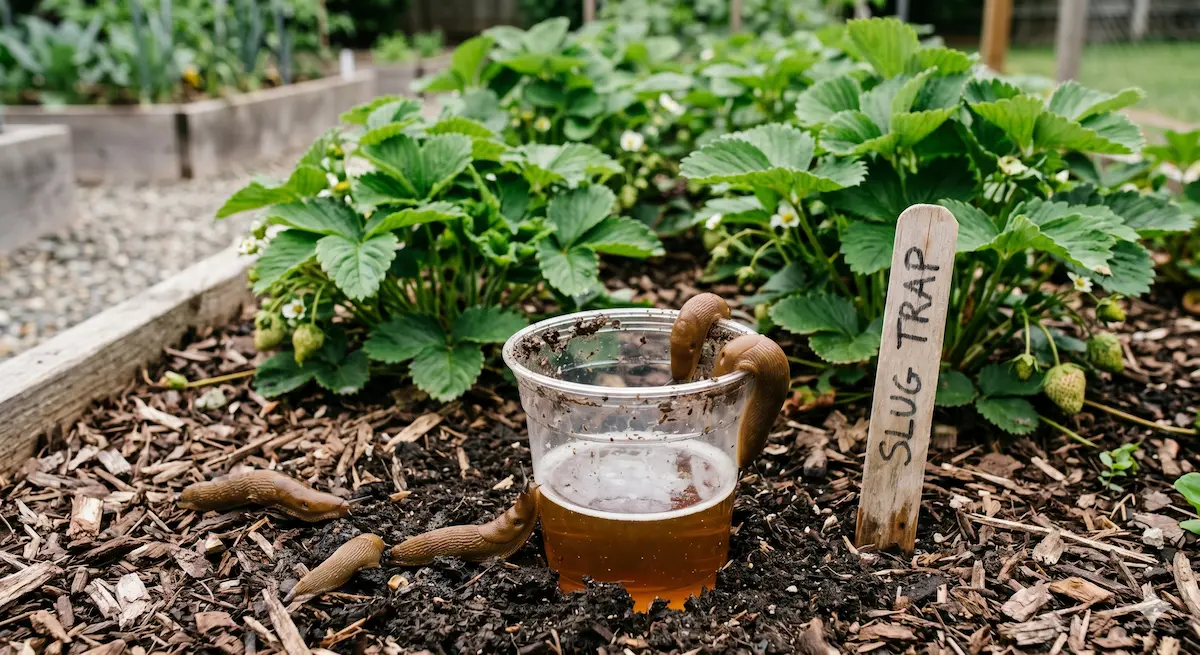
The Slug War: 8 Humane and Effective Ways to Protect Your Garden
Slugs can destroy your cabbage seedlings or ruin sweet strawberries overnight. Learn how to use beer, coffee, and physical barriers to protect your beds without toxic chemicals.
Read more →