
Secrets to Growing Perfect Tomatoes: Full Guide
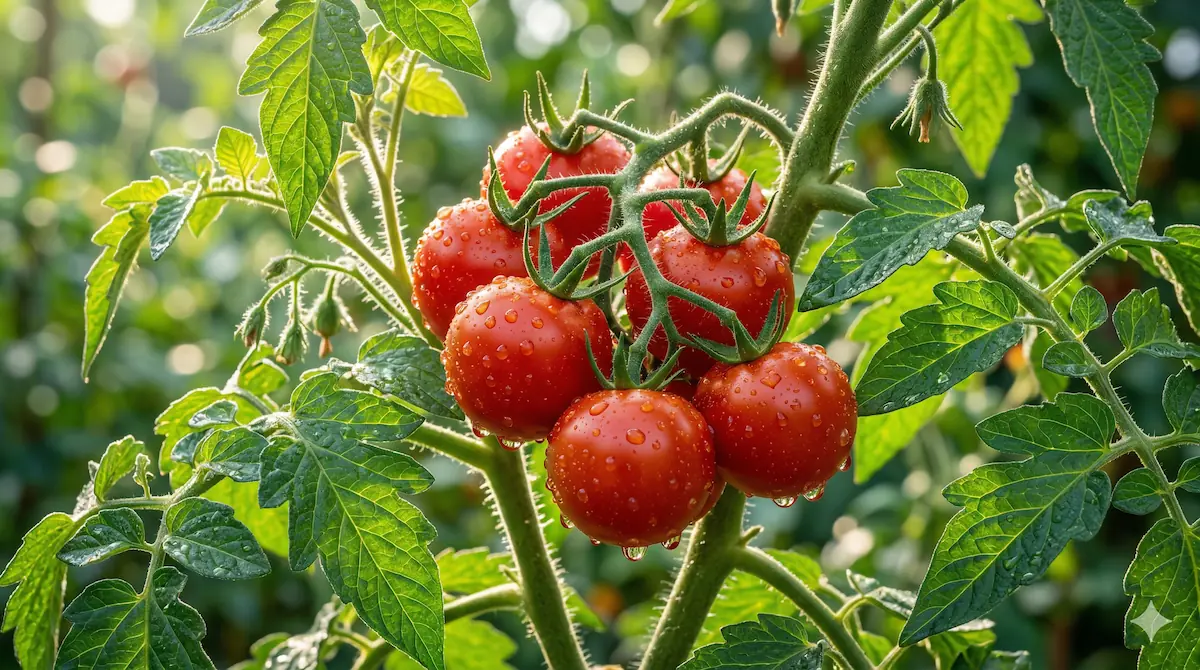
From choosing a sunny spot to proper pruning. Learn how to get a tomato harvest your neighbors will envy.
Growing tomatoes is both an art and a science. Many people find that their bushes grow large, but there are few fruits, or they get sick before they even ripen. Here's how to avoid that.
1. Light is the Energy for Fruit
Tomatoes are "children of the sun." If they don't get enough light, the stems stretch out, become weak, and flowering is delayed.
- Spot: Choose an area that gets at least 6-8 hours of sunlight.
- Orientation: It's best to arrange your garden beds from north to south.
2. Watering Strategy
Watering mistakes are the cause of 90% of tomato diseases.
- Base Only: Water droplets on leaves act like lenses for the sun and create a humid environment for fungi.
- Rare but Deep: Water so the soil gets wet to a depth of 20-25 cm. This encourages roots to grow deeper.
3. Bush Formation (Pruning/Suckering)
Don't let your tomatoes turn into a chaotic jungle. Suckers are extra shoots that grow in the leaf axils. They take energy away from future fruits.
- Remove them before they are longer than 5 cm.
- It's best to do this in the morning so the "wound" on the stem has time to dry by evening.
Important: AgroPlanner provides general advice. Remember that different tomato varieties (determinate and indeterminate) require different care. Always check the instructions on your seed packet!
Developer's Tip: Try checking the compatibility of your tomatoes with other crops on our Virtual Garden Bed — they absolutely love being neighbors with basil!
AgroPlanner App
Realize your dream garden: check plant compatibility, sun/shade needs, and save your plan easily.

Disclaimer
Important! All information in this blog is for recommendation purposes only. We are developers and enthusiasts, not certified agronomists. Results may vary based on your region, soil type, and weather. We are not responsible for potential errors or crop failures. Please verify critical advice independently!
Found this helpful? Share with friends!
Read more
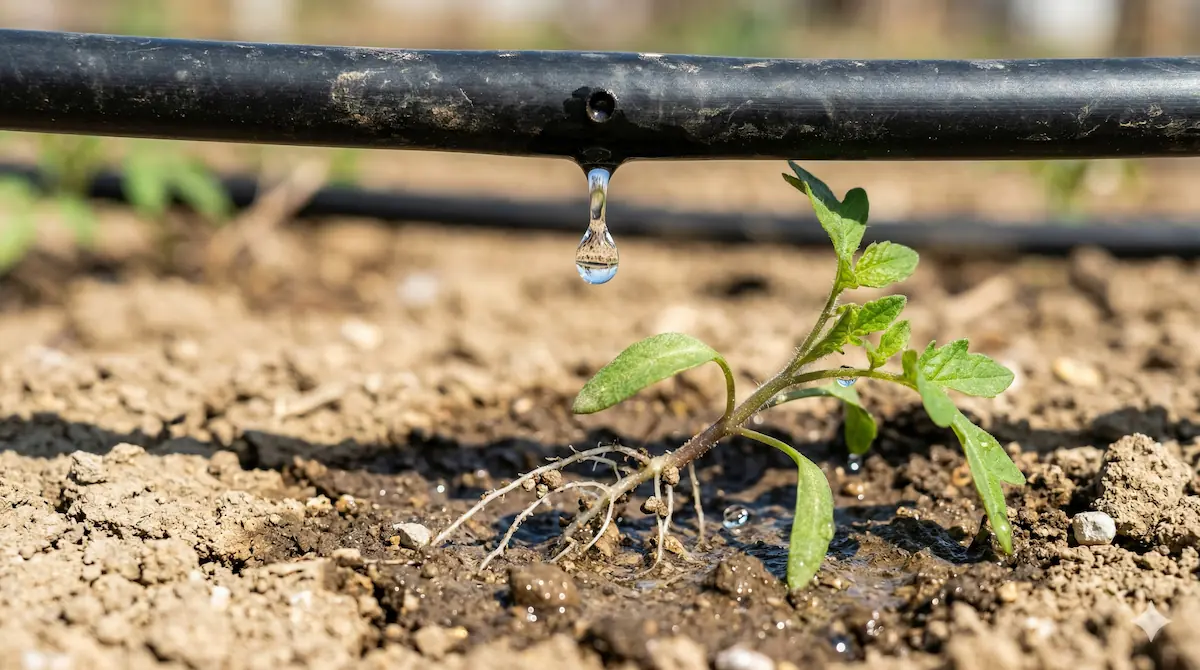
DIY Automatic Watering: How to Stop Being a Slave to the Watering Can
Your garden can survive without you! Learn how to set up a watering system: from simple bottles to drip tapes.
Read more →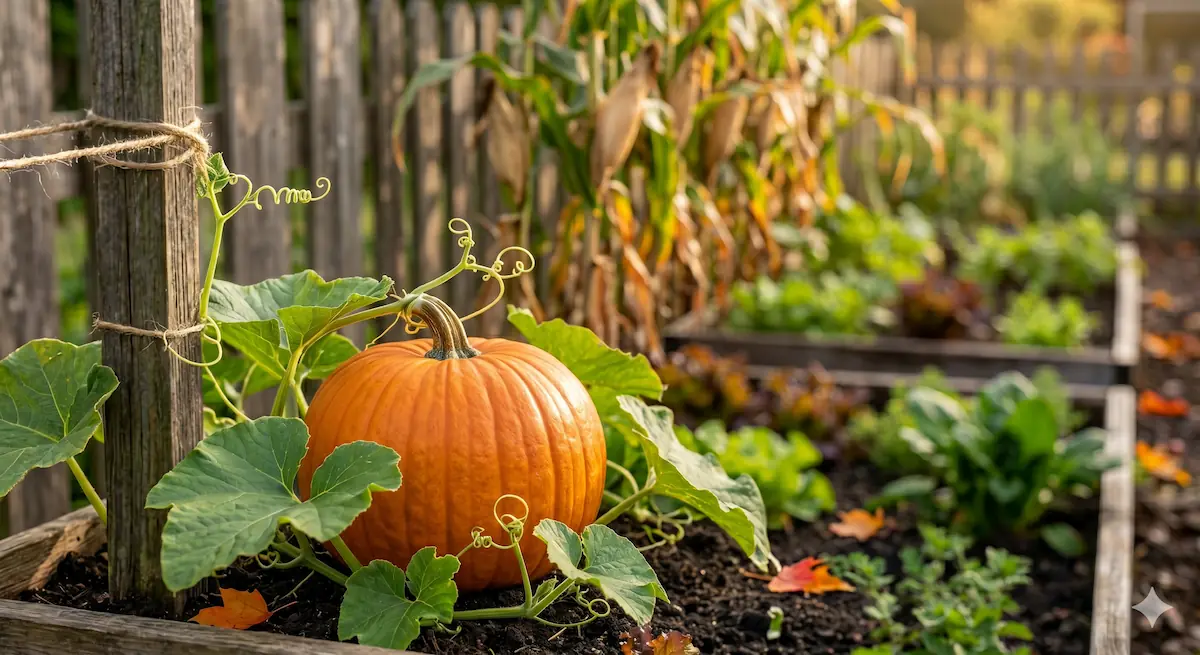
Pumpkin: How to Grow a Garden Giant on Your Plot
Secrets to growing pumpkins: from choosing a sunny spot to ideal neighbors. Learn why pumpkins need a lot of space and how they react to toxic zones.
Read more →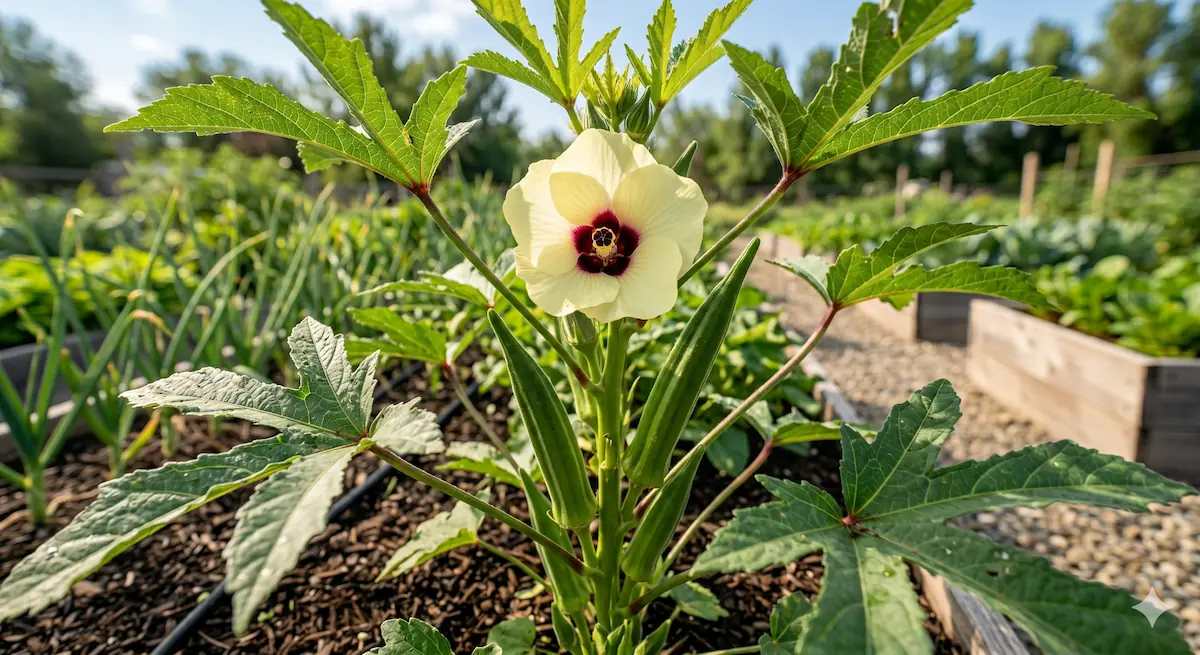
Okra (Lady's Fingers): The Edible Hibiscus Flower
Okra is a superfood with stunning flowers and nutritious pods. Learn why it loves the heat, what soil makes it productive, and how to harvest the pods correctly.
Read more →