
DIY Automatic Watering: How to Stop Being a Slave to the Watering Can
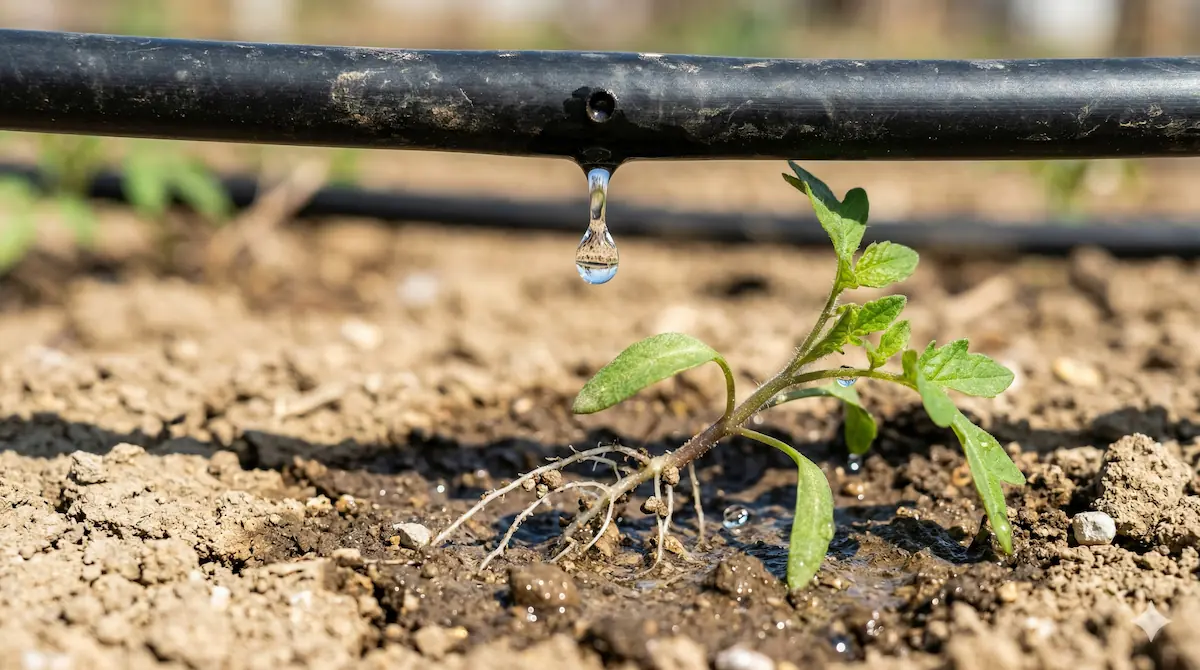
Your garden can survive without you! Learn how to set up a watering system: from simple bottles to drip tapes.
The hardest job in the garden in July is watering. Hundreds of kilograms of water carried in cans exhaust both you and your soil. But what if I told you that your garden could take care of itself? A properly configured watering system not only saves you time but also increases yield by 30-40%.
Why Regular Hose Watering is Bad
When you water from a hose "from above," you create three problems:
- Plant Shock: Cold well water causes stress for heat-loving tomatoes.
- Soil Crust: A strong jet of water destroys the soil structure, cutting off air access to the roots.
- Diseases: Moisture on leaves is an invitation for late blight and powdery mildew.
Three Levels of Auto-Watering: From Simple to Advanced
- The "Bottle" Method: The easiest way for weekend gardeners. Take a 2-liter bottle, make a few needle holes in the cap, and bury it neck-down near the plant's roots. Water will slowly seep directly into the root zone for 3-4 days.
- Gravity Drip Irrigation: Place a barrel at a height of 1-1.5 meters and run drip tapes from it to the beds. The pressure will be enough for the water to evenly moisten every bush without your participation.
- Smart System with a Timer: Add an affordable battery-operated controller to your barrel or water supply. It will turn on the water at 5 AM when evaporation is minimal and turn it off automatically.
AgroPlanner Tip: Every crop needs a different amount of moisture. Cucumbers love "the tropics," while watermelons prefer moderate dryness. In our Virtual Garden Bed, you can check each plant's watering requirements and group them so that one auto-watering line serves crops with similar "appetites."
Automatic watering is not a luxury; it's common sense. Start with a simple barrel and a few meters of hose, and you'll never want to go back to heavy watering cans again.
AgroPlanner App
Realize your dream garden: check plant compatibility, sun/shade needs, and save your plan easily.

Disclaimer
Important! All information in this blog is for recommendation purposes only. We are developers and enthusiasts, not certified agronomists. Results may vary based on your region, soil type, and weather. We are not responsible for potential errors or crop failures. Please verify critical advice independently!
Found this helpful? Share with friends!
Read more
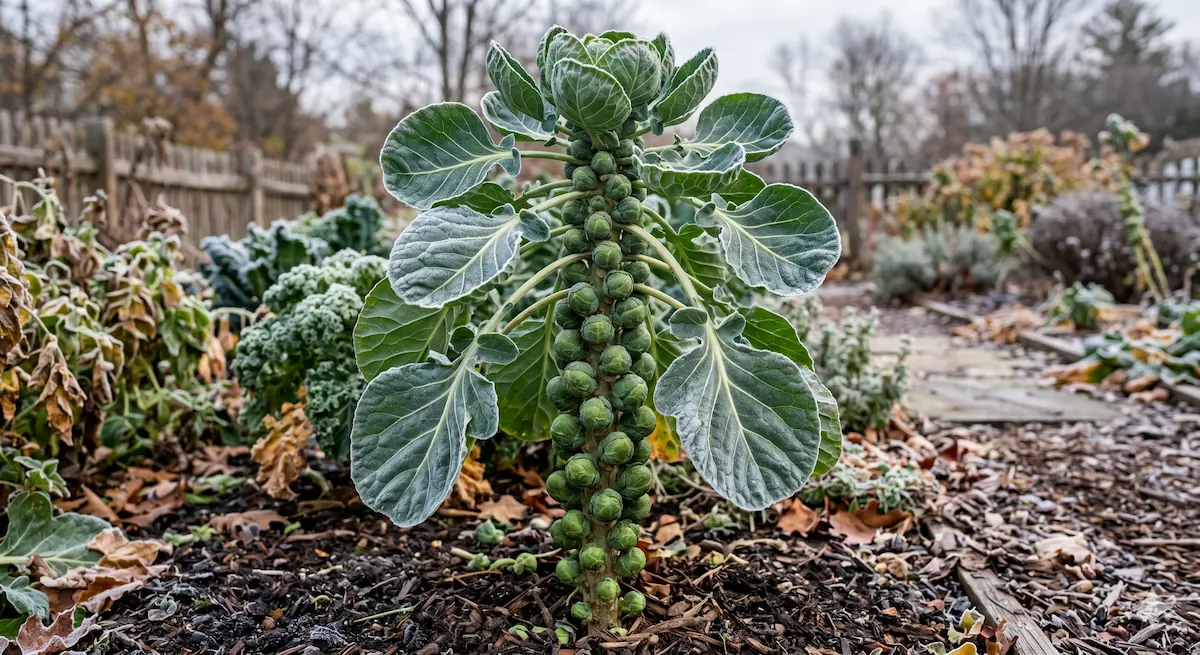
Brussels Sprouts Hercules: Harvest Until the First Frosts
The Hercules variety is a classic for those who want to harvest even under the snow. Learn why it fears no frost, how to support the tall stalks, and why it needs so much space.
Read more →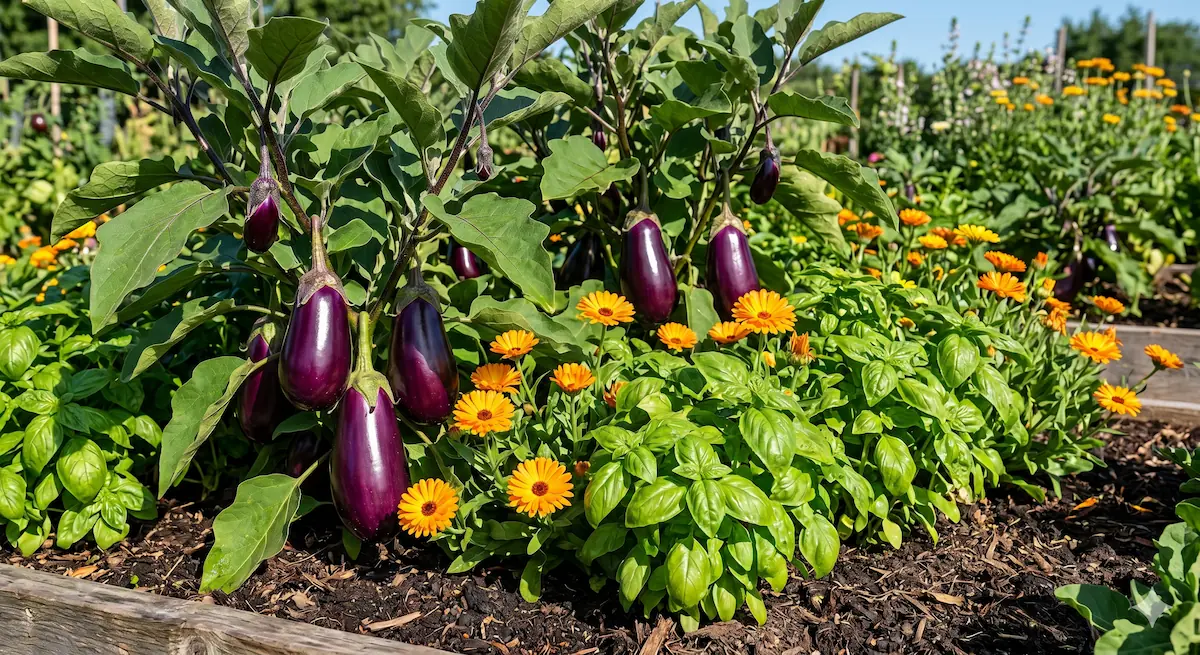
Eggplant Companion Planting: The Ultimate Guide to a Bountiful Harvest
Eggplants are often targets for Colorado beetles and aphids. Discover 8 plants that will help you protect your crops without chemicals and which neighbors to avoid.
Read more →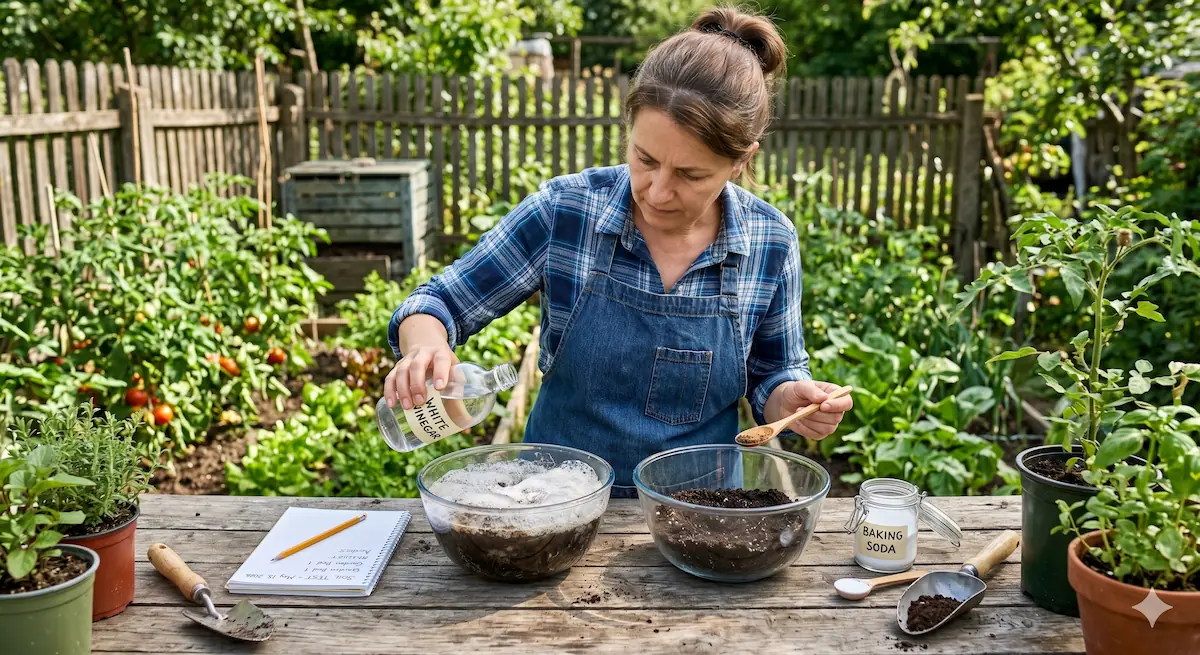
DIY Soil pH Test: Kitchen Magic for Gardeners
Not sure why your plants aren't growing? It might be the soil acidity. Run a simple 5-minute test using common kitchen items to find out what your soil needs.
Read more →