
Phacelia as Green Manure: Best Summer Soil Restoration Guide
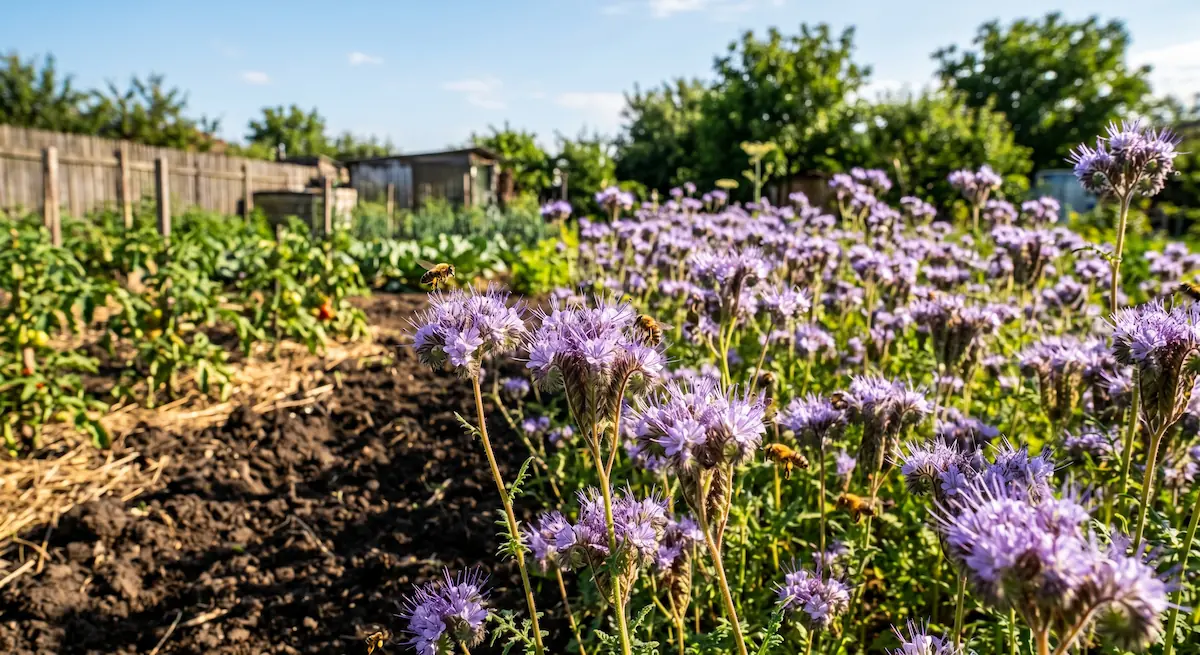
Got empty beds after an early harvest? Sow phacelia! A complete guide to growing the best summer green manure and pollinator magnet.
In the middle of summer, after harvesting early potatoes, greens, onions, or garlic, empty patches appear in the garden. Leaving them bare is a mistake: the soil dries out quickly, erodes, and gets overrun by aggressive weeds. The best ecological solution is sowing green manure crops. And the queen among them is undoubtedly phacelia (Phacelia tanacetifolia).
1. Why Phacelia is Better Than Other Summer Green Manures?
Unlike popular mustard, which belongs to the brassica family and attracts harmful flea beetles to your beds, phacelia belongs to the boraginaceae family. This means it shares no common diseases or pests with any vegetable crop in our garden layout. You can sow it absolutely anywhere — before or after any vegetables, making it a universal healer for depleted soil.
- Sowing Seed Rate: 10-12 grams per single square meter.
- Sowing Depth: 1.5-2 cm (seeds must be covered with earth, as they germinate only in darkness).
2. Core Benefits for the Garden Plot
Phacelia grows at cosmic speeds, forming a lush green carpet just 3-4 weeks after sowing. Its powerful roots beautifully loosen even heavy clay soil, saturating it with oxygen. Furthermore, the tender foliage contains as many nutrients as high-quality compost, which we highlighted in our ultimate guide to plant fertilizers.
3. Table of Phacelia Advantages on the Plot (Good)
| Green Manure Trait | How it Works in Practice? | Result for the Garden |
|---|---|---|
| Weed Suppression | Dense green mass completely blocks sunlight access to the ground surface. | Weeds fail to germinate, keeping the garden bed completely clean. |
| Bee Attraction | Beautiful purple flowers secrete massive amounts of sweet nectar. | Neighboring crops, like late tomatoes, get pollinated significantly better. |
| Pest Deterrence | Roots secrete specific elements that underground parasites strongly dislike. | Wireworms, nematodes, and harmful root soil larvae disappear from the area. |
| Acidity Reduction | Regular phacelia cultivation softly balances soil pH levels toward neutral. | Moss and wild sorrel disappear, making the earth suitable for demanding vegetables. |
4. When and How to Properly Chop Green Manure? (Bad mistakes)
The main mistake made by many gardeners is letting phacelia finish blooming and develop tough stalks. In that state, it decomposes in the soil for too long. You should cut the plant down at the beginning of mass flowering (roughly 40-45 days after sowing). The green mass is sliced with a spade or hoe and lightly tilled into the topsoil layer at a depth of 5-10 cm.
AgroPlanner Tip: If you sowed phacelia in late August or September, you can leave it uncut for winter. During frost spells, it turns into a great organic mulch shield protecting the ground from freezing. Use our planner to control crop rotation!
AgroPlanner App
Realize your dream garden: check plant compatibility, sun/shade needs, and save your plan easily.

Disclaimer
Important! All information in this blog is for recommendation purposes only. We are developers and enthusiasts, not certified agronomists. Results may vary based on your region, soil type, and weather. We are not responsible for potential errors or crop failures. Please verify critical advice independently!
Found this helpful? Share with friends!
Read more
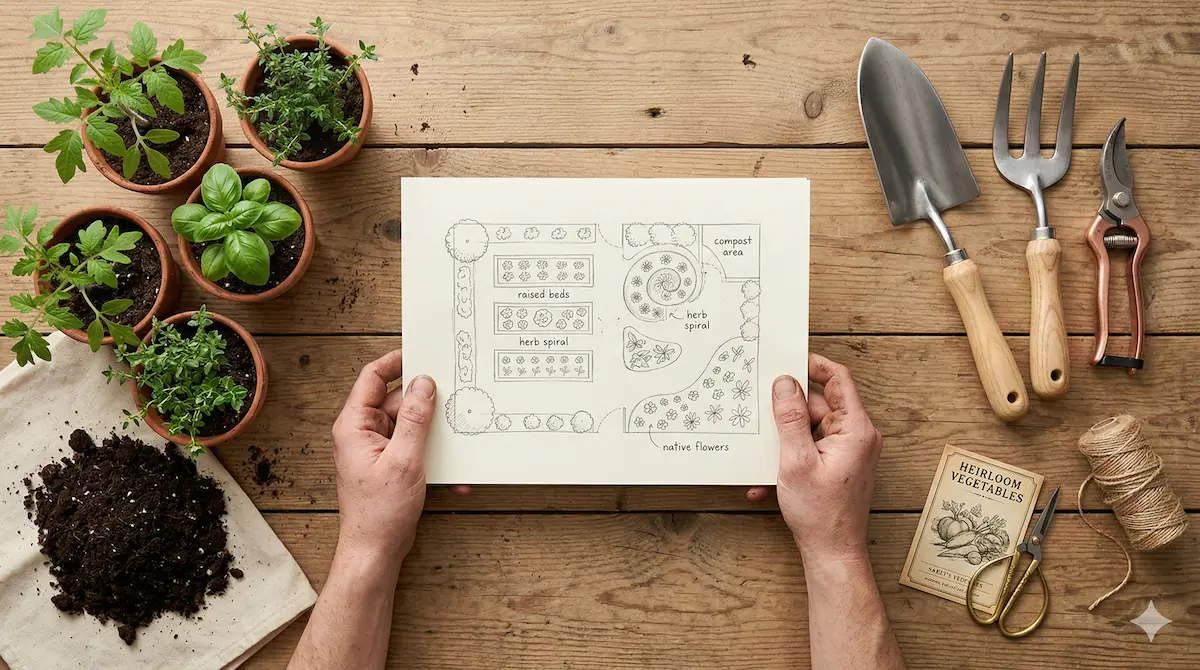
3 Major Mistakes When Planning Garden Beds in Spring
Find out why your garden isn't yielding the expected harvest and how to avoid common planting mistakes.
Read more →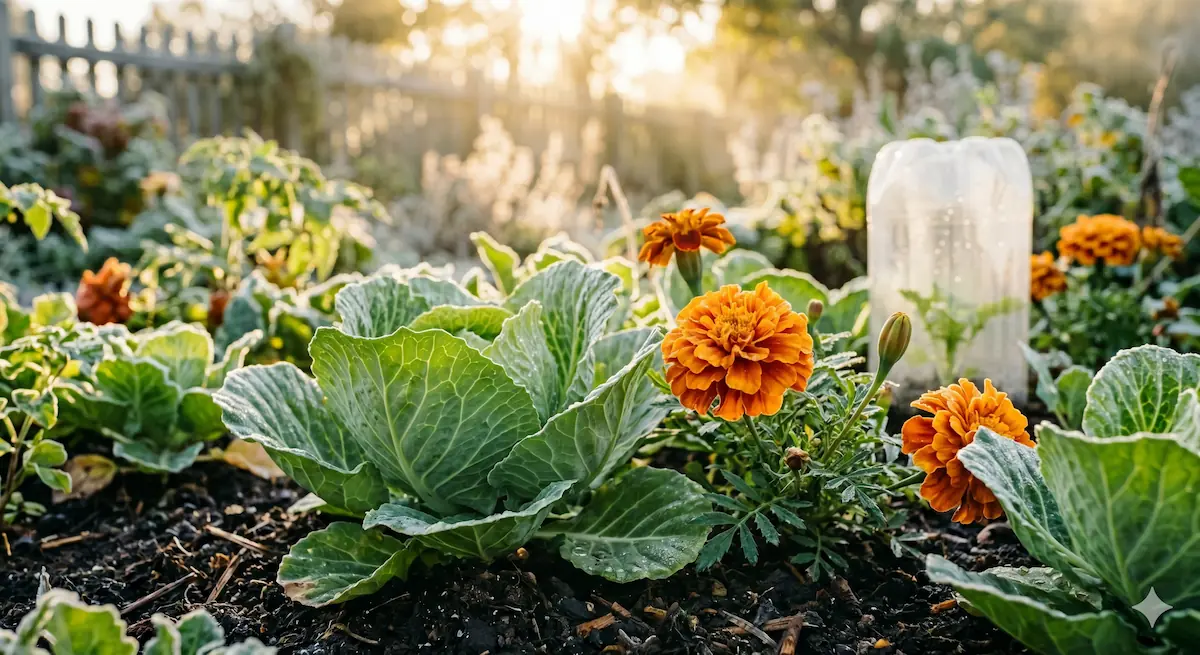
Why Marigolds and Nasturtiums Belong in Every Garden Bed
Make your garden both beautiful and protected. Learn how specific flowers help fight pests naturally without the need for harmful pesticides.
Read more →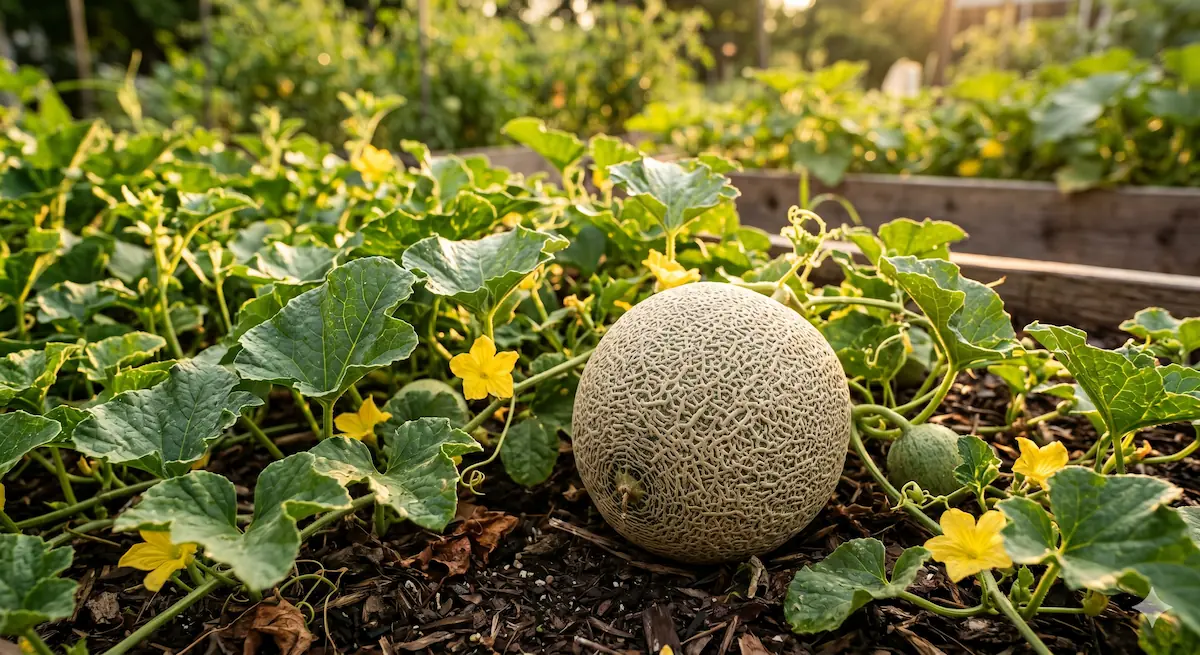
Melon: How to Grow a Sweet "Piece of Sun" in Your Garden
Melons are the symbol of a hot summer. Learn why they need sandy soil, how to prune the vines for large fruit, and why proximity to cucumbers can ruin the experience.
Read more →