
Melon: How to Grow a Sweet "Piece of Sun" in Your Garden
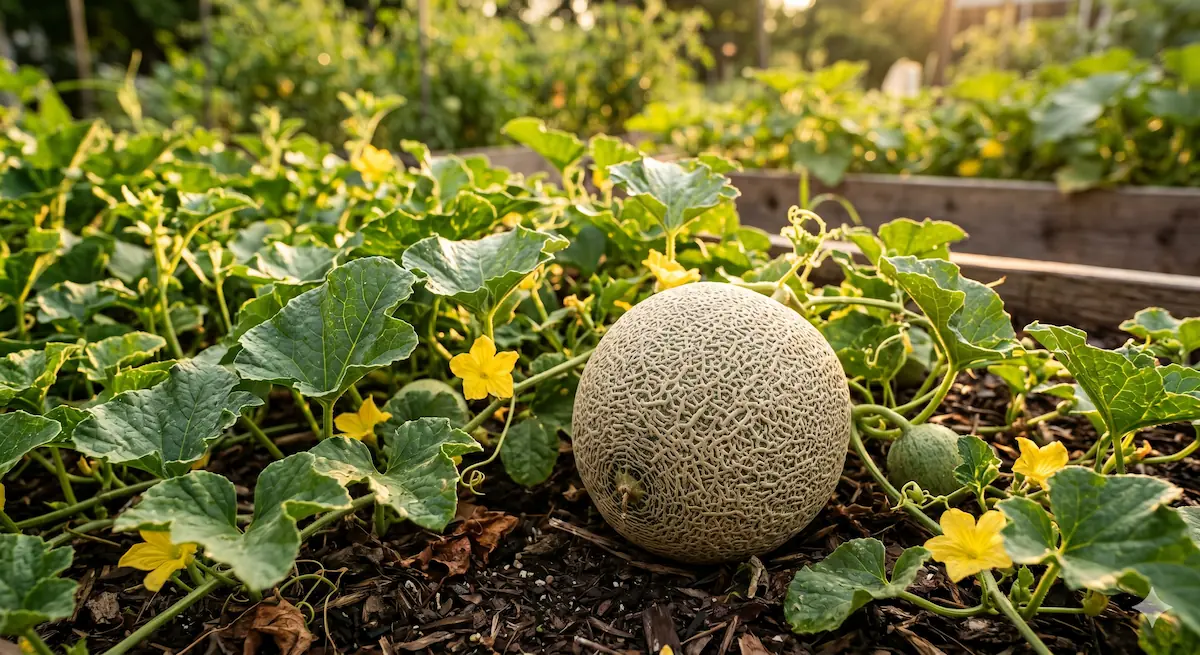
Melons are the symbol of a hot summer. Learn why they need sandy soil, how to prune the vines for large fruit, and why proximity to cucumbers can ruin the experience.
The Melon (Cucumis melo) is a southern guest that craves heat and space. Unlike watermelons, melons are more sensitive to air humidity and temperature. To get a truly sweet fruit, the plant needs plenty of sun and proper pruning: the melon's energy should go into fruit development rather than endless leaf growth.
Soil: Where Does the Melon Gather Its Sugar?
Melons have deep roots but are terrified of stagnant water and heavy clay. They need light, warm earth.
- Best Choice: Fertile Sandy soils (Type 2) or light Loamy soils (Type 1) with a neutral pH.
- Soil Check: Perform the sausage test. If the soil crumbles and holds no shape (Type 2), it's ideal for the rapid warming of melon roots.
Best Companions (Good)
- Corn: Acts as a great windbreak, creating a cozy microclimate. Check out our Dobrynya sweet corn guide.
- Radish: Helps deter some pests while the melon is still small.
- Marigolds: Natural protection against soil nematodes.
Main Enemies (Bad)
- Walnut Trees: Walnut juglone is a fatal poison for melons. In the walnut's toxic zone, the plant simply won't set fruit.
- Cucumbers and Squash: They aggressively compete for water, space, and share common pests.
- Potatoes: Can transmit shared fungal diseases such as late blight.
AgroPlanner Tip: The melon is a trailing vine. In our app, it occupies a 2x2 or 3x3 grid (unless grown on a trellis). The system will help you find the warmest spot and will definitely flag the walnut toxic zone in red to ensure your melon grows honey-sweet and aromatic.
AgroPlanner App
Realize your dream garden: check plant compatibility, sun/shade needs, and save your plan easily.

Disclaimer
Important! All information in this blog is for recommendation purposes only. We are developers and enthusiasts, not certified agronomists. Results may vary based on your region, soil type, and weather. We are not responsible for potential errors or crop failures. Please verify critical advice independently!
Found this helpful? Share with friends!
Read more
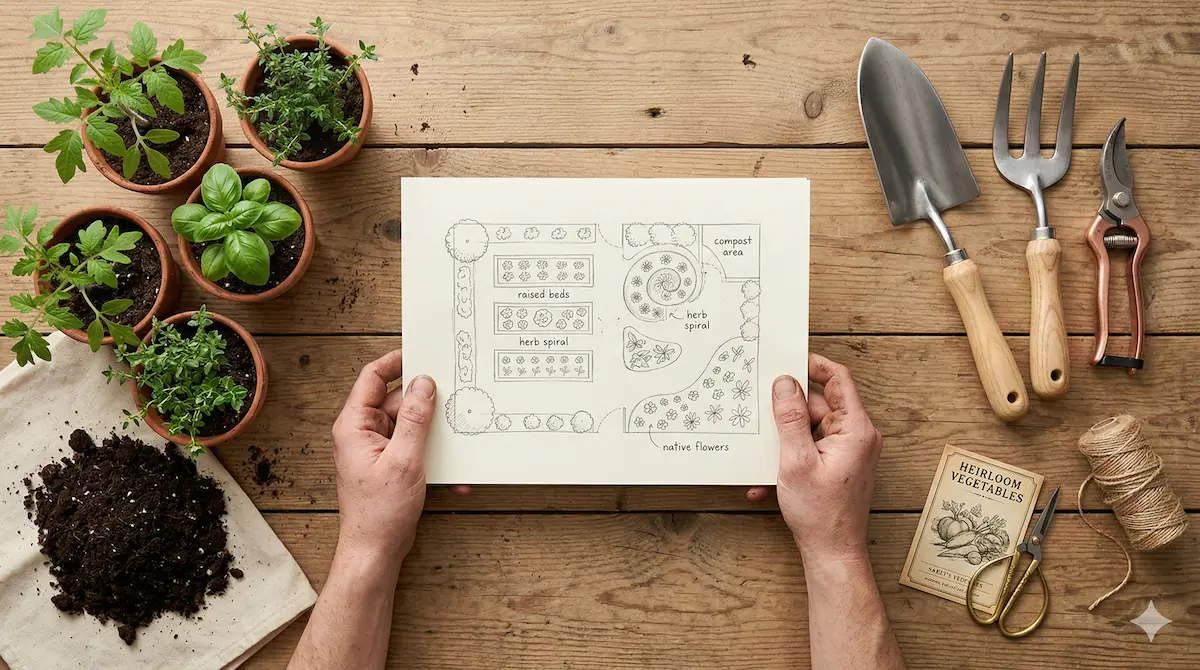
3 Major Mistakes When Planning Garden Beds in Spring
Find out why your garden isn't yielding the expected harvest and how to avoid common planting mistakes.
Read more →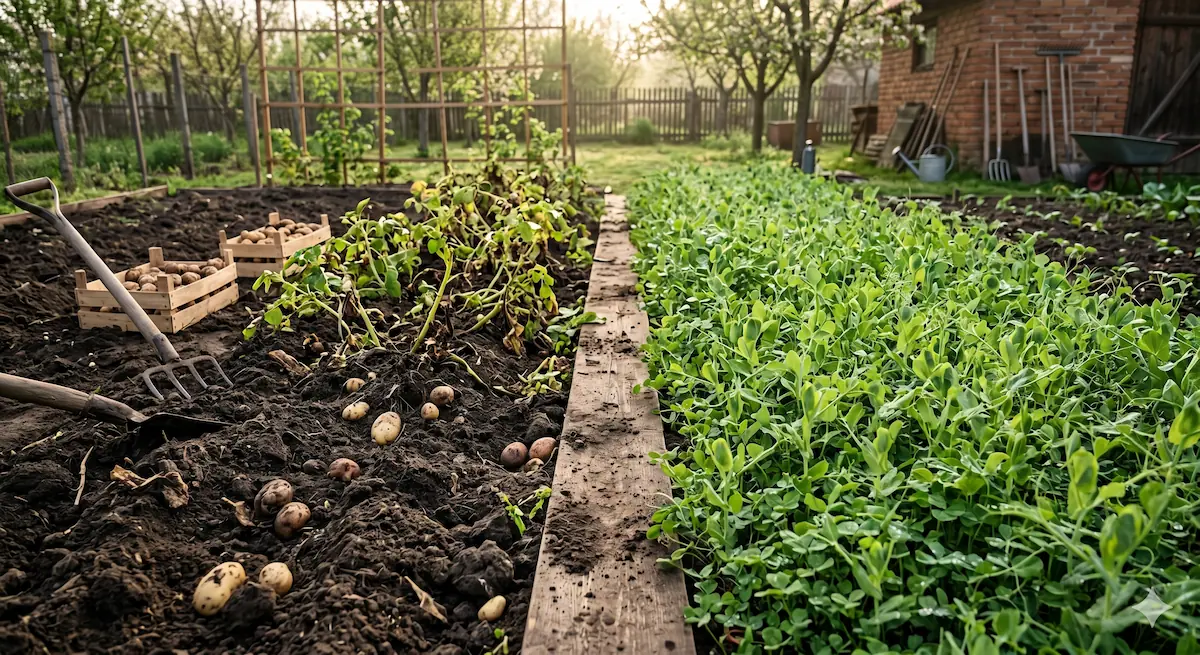
Crop Rotation for the Lazy: What to Plant After Potatoes to Let the Soil "Rest"
Potatoes take the best from the soil. Learn which crops will help restore the nutrient balance and clear the plot of pests.
Read more →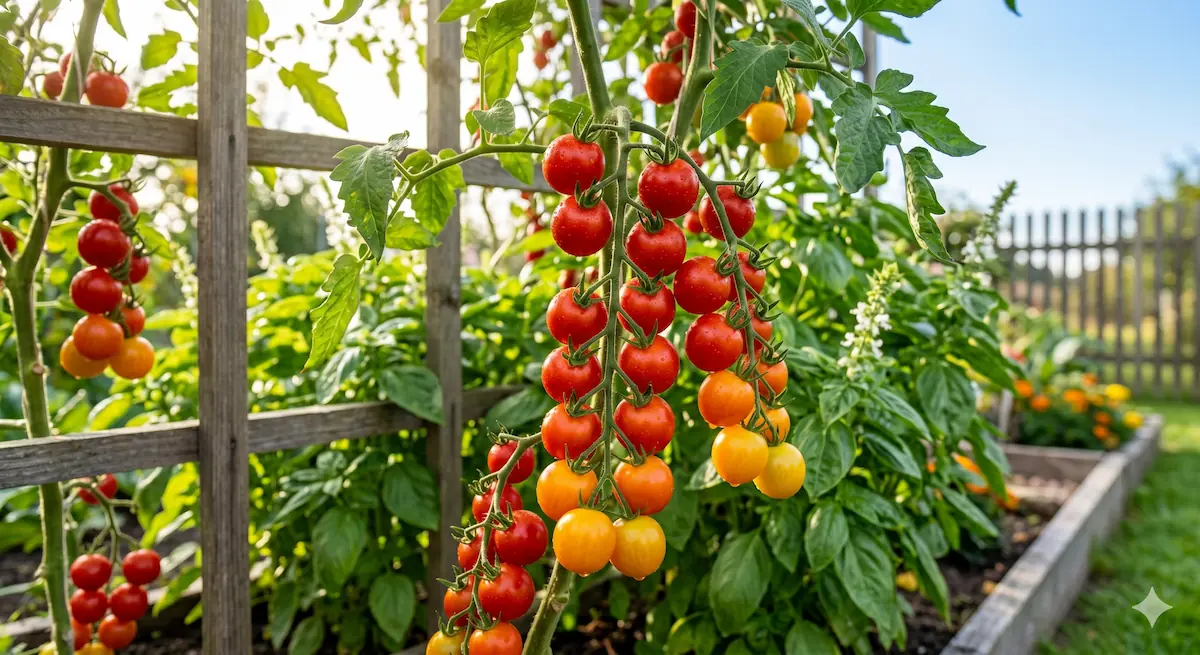
Cherry Tomatoes: How to Grow a Sweet Dessert Right in Your Garden
Cherry tomatoes aren't just mini versions of regular ones. Learn about their growing characteristics, soil choice, and why they need special planning in AgroPlanner.
Read more →