
Guardian Plants: How to Use the "Poisonous Radius" to Your Advantage
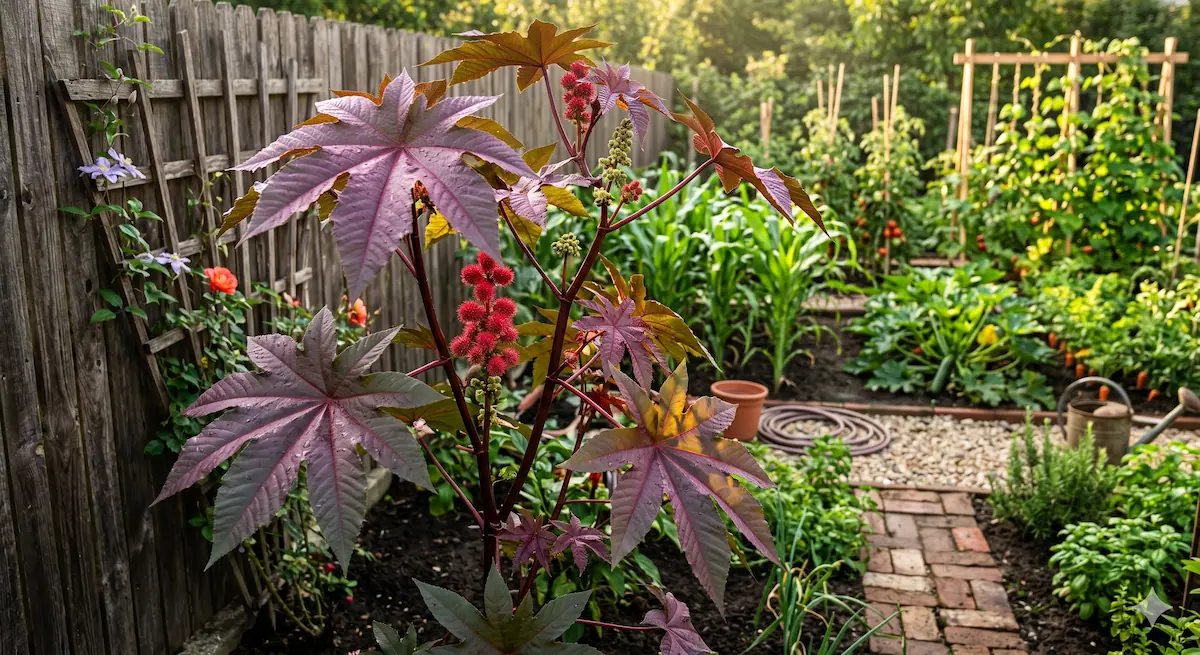
Some plants are nature's chemical weapons. Learn how to correctly place toxic crops to protect your garden from rodents and pests without harming yourself.
In the plant world, beauty is often deceptive. Foxglove, castor oil plant, or datura look spectacular, but they contain toxic substances. In AgroPlanner, we mark such crops as "poisonous." However, this isn't a reason to abandon them—it's a reason to use them as a living defensive line for your garden.
How Does "Chemical Defense" Work?
Many toxic plants release specific substances not only into their leaves but also into the soil through their roots. This creates a so-called "safety radius":
- Rodent Protection: For example, moles and mice dislike the castor oil plant so much that they try to avoid the area where it grows.
- Insect Repellent: Some poisonous flowers act as natural insecticides, protecting neighboring vegetables from aphids and beetles.
Safe Planning Rules:
- Perimeter is Key: Plant these crops along fences or at the edges of your plot. This creates a protective barrier and minimizes accidental contact.
- Keep Away from Edibles: Never plant poisonous flowers right next to salads or herbs that you eat daily, to avoid accidentally picking the wrong leaf.
- Kids & Pets Zone: If you have children or pets, use the planner to move toxic zones to the most inaccessible parts of the garden.
AgroPlanner Tip: When you add a plant marked as "poisonous" to the canvas, a special marker appears around it. Use this visual "radius" to strategically build defenses around the perimeter of your garden. Remember: what is dangerous if ingested can be your best ally in the fight for a healthy harvest.
AgroPlanner App
Realize your dream garden: check plant compatibility, sun/shade needs, and save your plan easily.

Disclaimer
Important! All information in this blog is for recommendation purposes only. We are developers and enthusiasts, not certified agronomists. Results may vary based on your region, soil type, and weather. We are not responsible for potential errors or crop failures. Please verify critical advice independently!
Found this helpful? Share with friends!
Read more
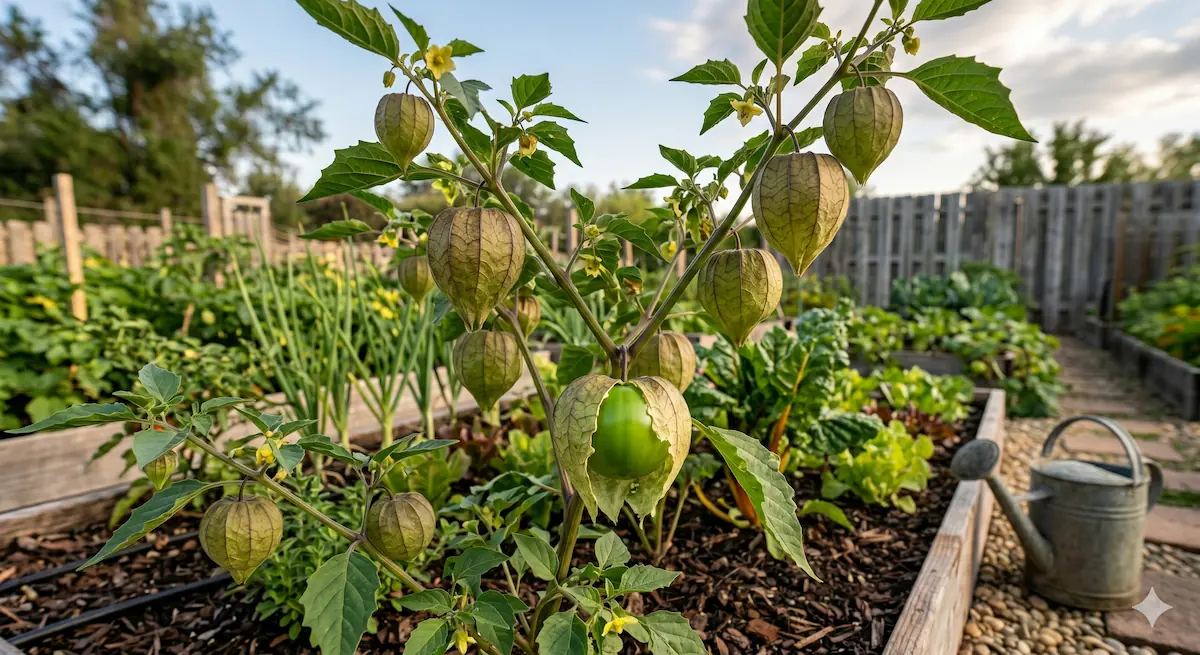
Tomatillo (Vegetable Physalis): Exotic "Lanterns" in Your Garden
Tomatillo is a resilient tomato relative that fruits inside paper husks. Learn why it’s more productive than tomatoes, what soil it needs, and how to tell when it's ripe.
Read more →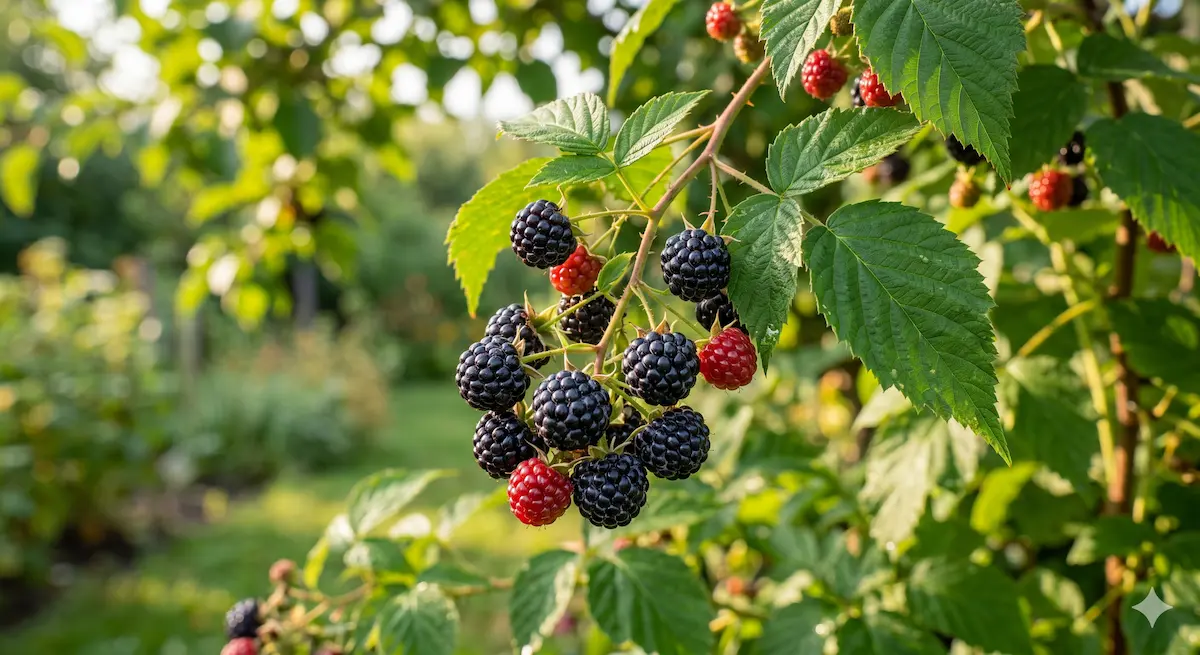
Black Raspberry "Cumberland": Blackberry or Raspberry?
"Cumberland" is a black raspberry with an incredible aroma. Learn which soil ensures fruit sweetness, why it fears potatoes, and how to properly care for this luxurious vine.
Read more →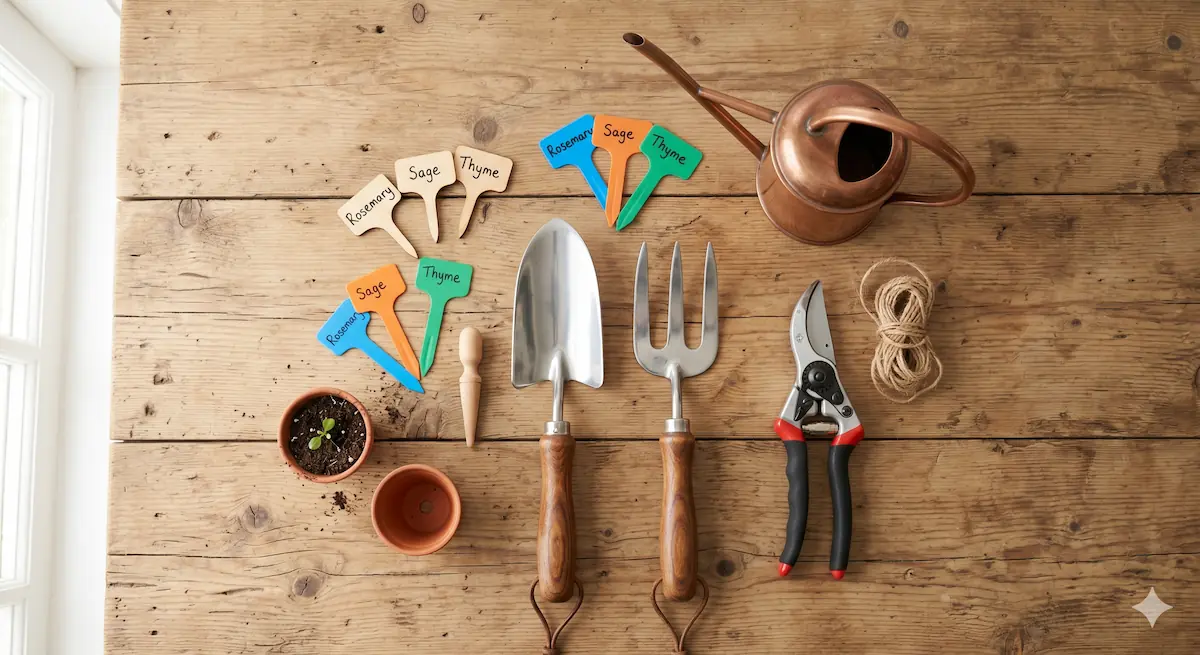
Planting Tools: 5 Essential Items and Smart Accessories
Gardening or repotting indoor flowers can turn into chaos without the right equipment. We have gathered the 5 main tools and 3 useful devices that will save your energy and protect plant roots.
Read more →