
Planting Tools: 5 Essential Items and Smart Accessories
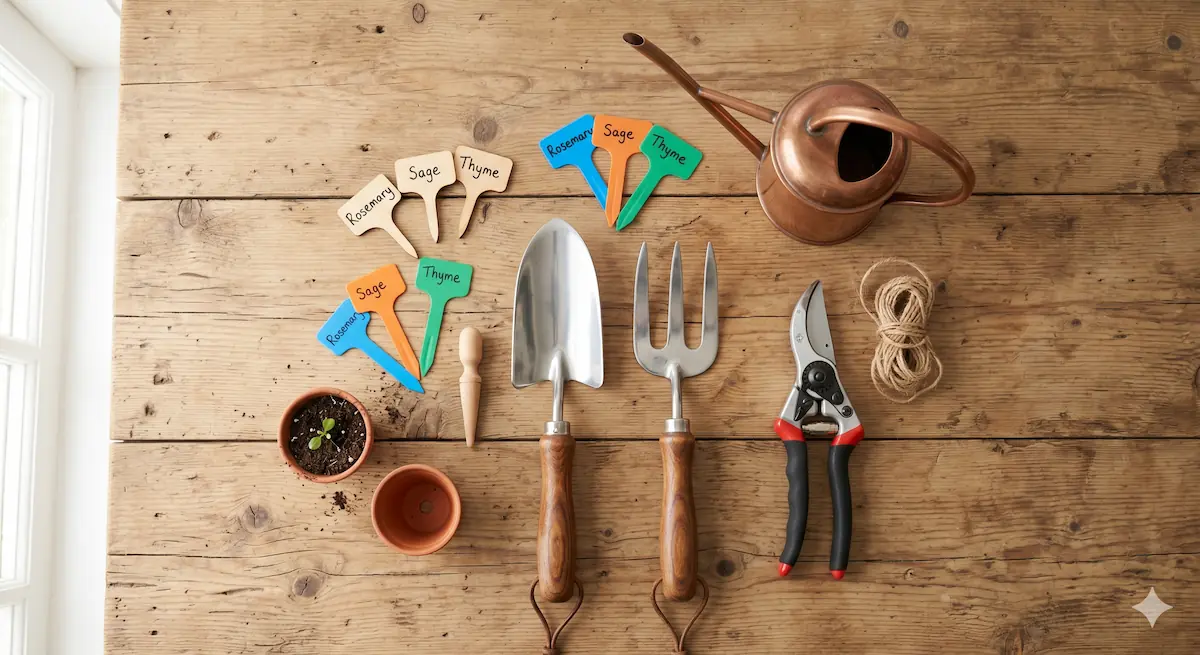
Gardening or repotting indoor flowers can turn into chaos without the right equipment. We have gathered the 5 main tools and 3 useful devices that will save your energy and protect plant roots.
Gardening is not just about knowing the soil; it is also about having the right tools. Using inappropriate equipment (like a regular kitchen spoon instead of a garden trowel) often results in root injuries to delicate tomato seedlings or indoor herbs. Having a basic set of gear saves your time, energy, and ensures cleanliness while working. If you work indoors, we also recommend looking at our potting guide.
1. Why Tool Quality Matters
A good tool should feature an ergonomic handle (preferably rubberized or wooden) and be made of durable metal that will not bend upon its first contact with dense soil (such as stainless steel or carbon steel). High-quality equipment is purchased once for many years and shields your wrists from fatigue.
2. Essential Equipment Table: 5 Tools and 3 Accessories (Good)
Here is the complete list of items that will make planting easy and enjoyable:
| Tool / Device | What is it Used For? | Main Advantage for the Gardener |
|---|---|---|
| 1. Hand Trowel | Digging small planting holes for seedlings, indoor plants, and flowers. | Allows you to make a neat hole of an exact size without disrupting the surrounding soil. |
| 2. Hand Fork | Loosening dense earth inside pots or around small garden bushes. | Aerates the soil and saturates it with oxygen without tearing delicate roots. |
| 3. Hand Weeder | Targeted removal of weeds with long taproots (like dandelions or thistles). | Allows you to extract the entire root fully so the weed does not grow back in the same spot. |
| 4. Pruning Shears | Trimming dried roots before planting and removing damaged plant branches. | Makes a clean, even cut that heals quickly and does not infect the plant. |
| 5. Long-Spout Watering Can | Precise root-level watering after planting seeds or young seedlings. | The narrow stream does not wash away fresh soil or expose plant roots. |
| 6. Garden Markers / Labels | Marking rows with sown seeds or writing down variety names. | You will definitely not forget where delicate basil or other herbs are growing. |
| 7. Repotting Mat | A waterproof canvas with corner snaps for working with soil indoors. | All spilled soil stays on the mat, ensuring absolute cleanliness on your table. |
| 8. Mist Spray Bottle | Gentle moistening of the topsoil layer after sowing tiny seeds. | Fine-dispersion mist does not push seeds too deeply into the ground. |
3. What to Avoid When Handling Equipment? (Bad)
- Dirty and rusty tools: Old soil remains on blades can transfer fungal spores and dangerous bacteria to new beds. Always clean tools after use.
- Storing in a damp place: Even high-quality metal will begin to degrade due to corrosion if left under rain or inside a damp shed.
AgroPlanner Tip: Once a season, disinfect pruner blades and trowels with regular rubbing alcohol or a potassium permanganate solution — this is the best prevention against diseases in the garden. Use our planner to structure all your gardening activities!
AgroPlanner App
Realize your dream garden: check plant compatibility, sun/shade needs, and save your plan easily.

Disclaimer
Important! All information in this blog is for recommendation purposes only. We are developers and enthusiasts, not certified agronomists. Results may vary based on your region, soil type, and weather. We are not responsible for potential errors or crop failures. Please verify critical advice independently!
Found this helpful? Share with friends!
Read more
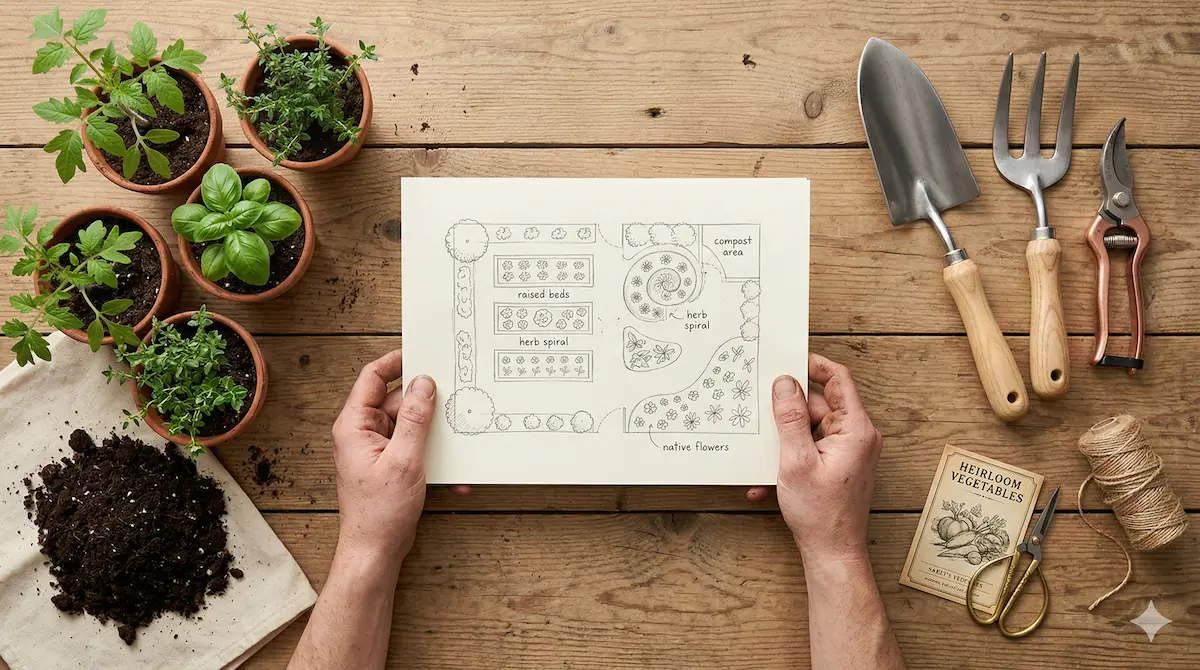
3 Major Mistakes When Planning Garden Beds in Spring
Find out why your garden isn't yielding the expected harvest and how to avoid common planting mistakes.
Read more →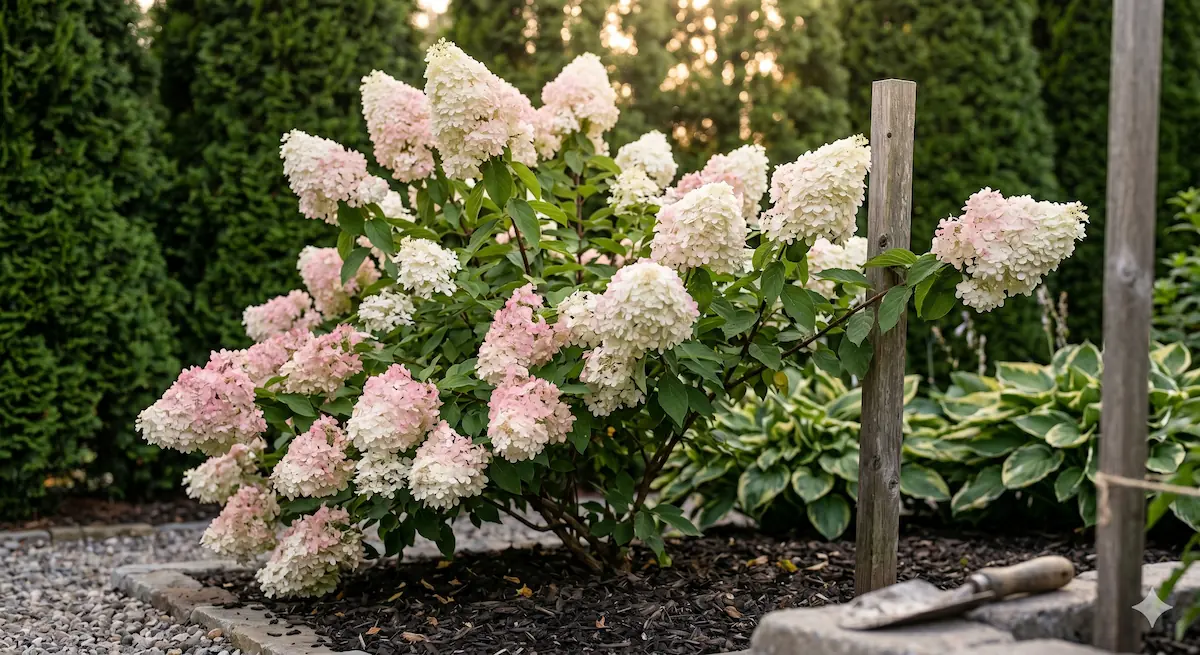
Panicle Hydrangea: Secrets to Lush Blooms and Choosing the Best Spot
Panicle hydrangea is a shrub that forgives beginners' mistakes but demands the right soil. Learn how to keep it blooming until the frost and find its perfect companions.
Read more →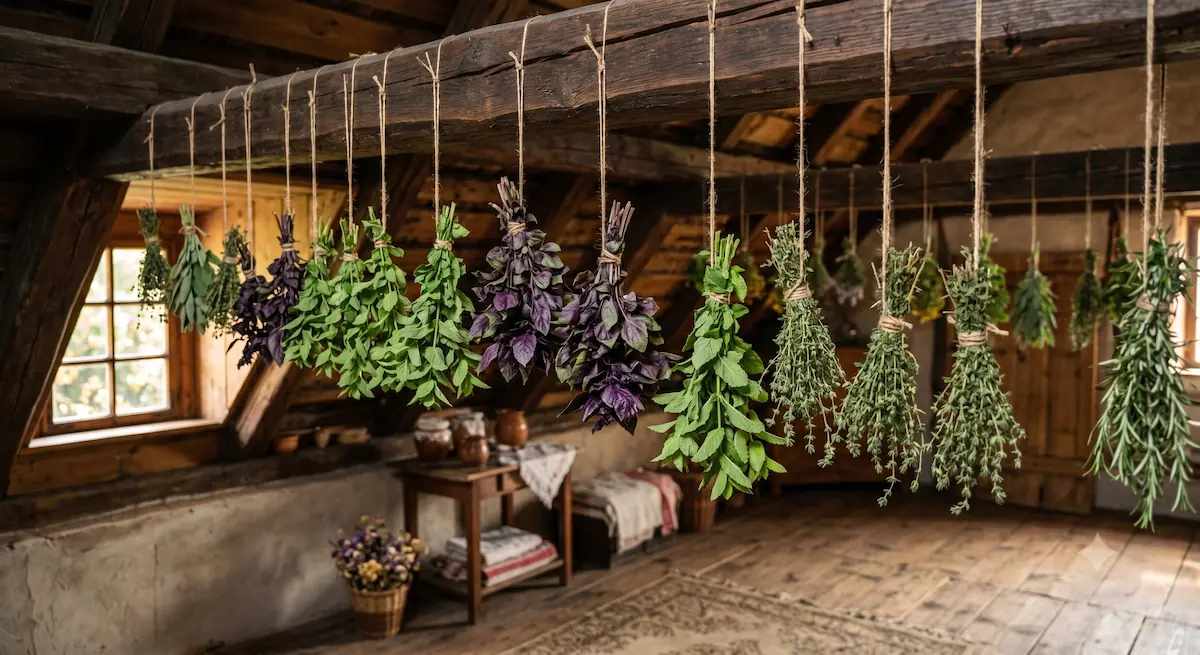
How to Dry and Store Herbs for Winter: Locking in Summer Flavors
Spicy herbs are at the peak of their juiciness in summer. Step-by-step guide to drying, freezing, and storing mint, basil, and dill.
Read more →