
Black Raspberry "Cumberland": Blackberry or Raspberry?
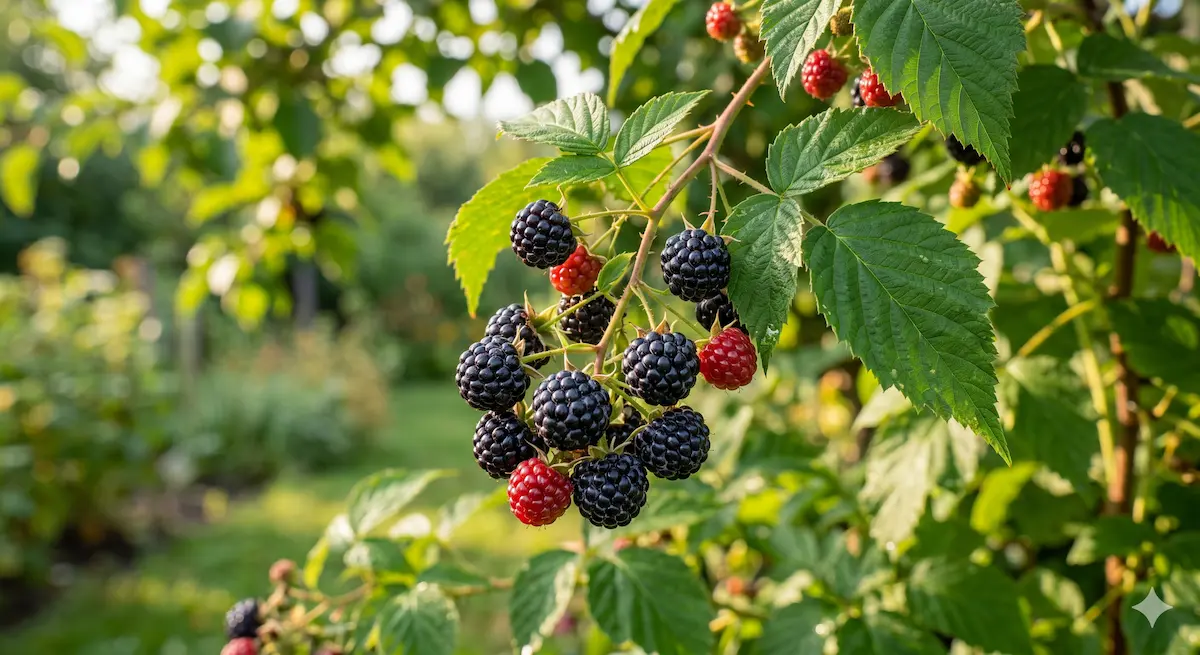
"Cumberland" is a black raspberry with an incredible aroma. Learn which soil ensures fruit sweetness, why it fears potatoes, and how to properly care for this luxurious vine.
Black Raspberry "Cumberland" is a variety that combines the best qualities: frost resistance, lack of invasive root suckers, and a unique flavor profile. Its deep black berries with a bluish bloom are exceptionally rich in antioxidants. Unlike blackberries, Cumberland fruits are sweet without excessive acidity and easily separate from the receptacle.
Soil: Where Does Black Raspberry Reach Its Full Flavor?
For large, sweet berries, "Cumberland" requires plenty of sun and very loose, nutrient-rich soil.
- Best Choice: Fertile Loamy soils (Type 1) or Sandy Loams (Type 2).
- Soil Check: Perform the sausage test. If the soil rolls into a stick that crumbles into segments (Type 1), it’s perfect: the roots will get enough oxygen and nutrients.
Best Companions (Good)
- Garlic: A natural fungicide. It protects raspberries from fungal infections. Check our garlic guide for bed planning.
- Dill and Marigolds: Attract beneficial insects that prey on raspberry pests.
- Strawberries: They coexist well in adjacent sectors. See our guide on Zenga Zengana strawberries.
Main Enemies (Bad)
- Regular Red Raspberries: "Cumberland" can catch viruses from red relatives that it handles much more poorly. Keep them 5-10 meters apart.
- Potatoes and Tomatoes: They share a common disease — Verticillium wilt. If you plant raspberries after potatoes, the bush may die within one season.
- Walnut Trees: The walnut's toxic zone (juglone) acts like a herbicide on black raspberries.
AgroPlanner Tip: "Cumberland" is a vigorous bush with long canes that tend to root at the tips. In our app, it occupies a 2x2 grid and requires a trellis. The system will alert you to **potato-related disease risks** and remind you about spring pruning to boost your berry yield.
AgroPlanner App
Realize your dream garden: check plant compatibility, sun/shade needs, and save your plan easily.

Disclaimer
Important! All information in this blog is for recommendation purposes only. We are developers and enthusiasts, not certified agronomists. Results may vary based on your region, soil type, and weather. We are not responsible for potential errors or crop failures. Please verify critical advice independently!
Found this helpful? Share with friends!
Read more
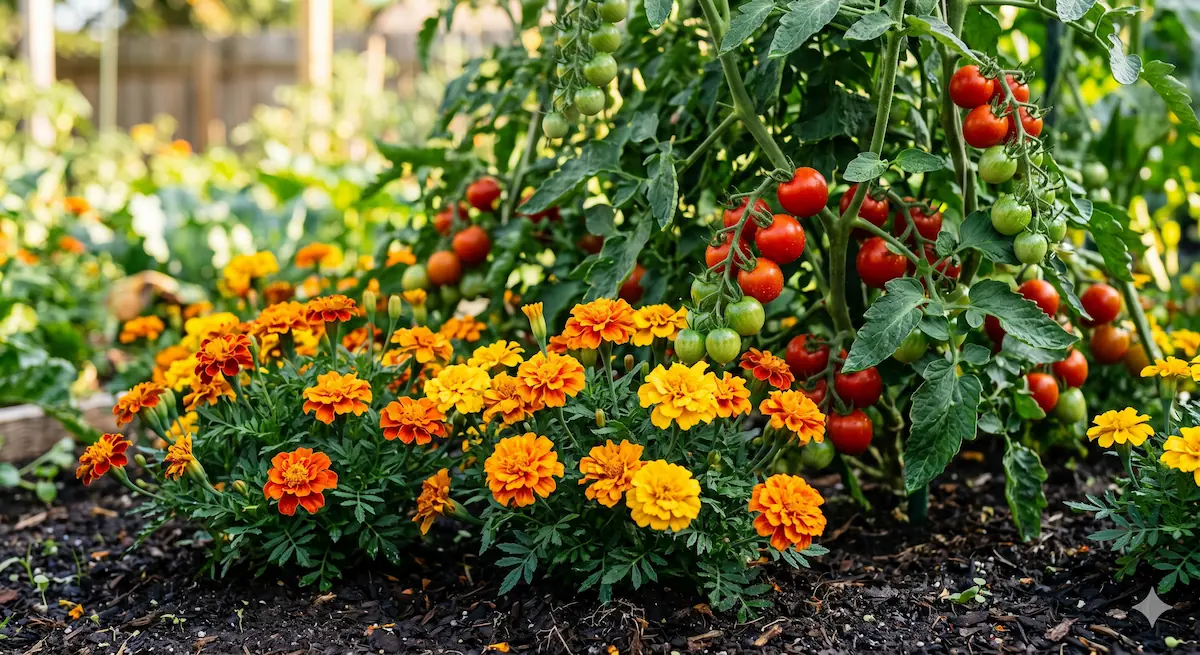
Marigolds: Growing a Living Shield for Your Vegetable Garden
Skip the pesticides! Discover how marigolds protect tomatoes and potatoes from pests, heal the soil, and why they are a must-have in your AgroPlanner layout.
Read more →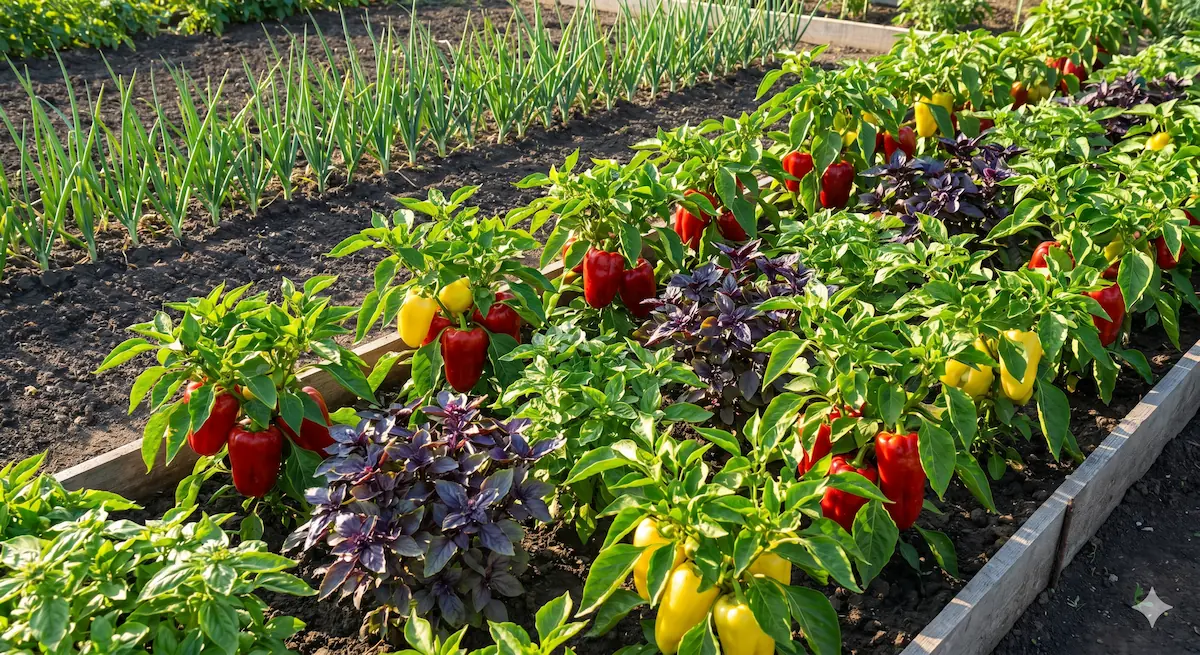
Sweet Pepper Companion Planting: Choosing the Perfect Neighbors
Sweet pepper is a demanding tropical guest. Learn who helps peppers grow large and sweet, and who can stunt their growth.
Read more →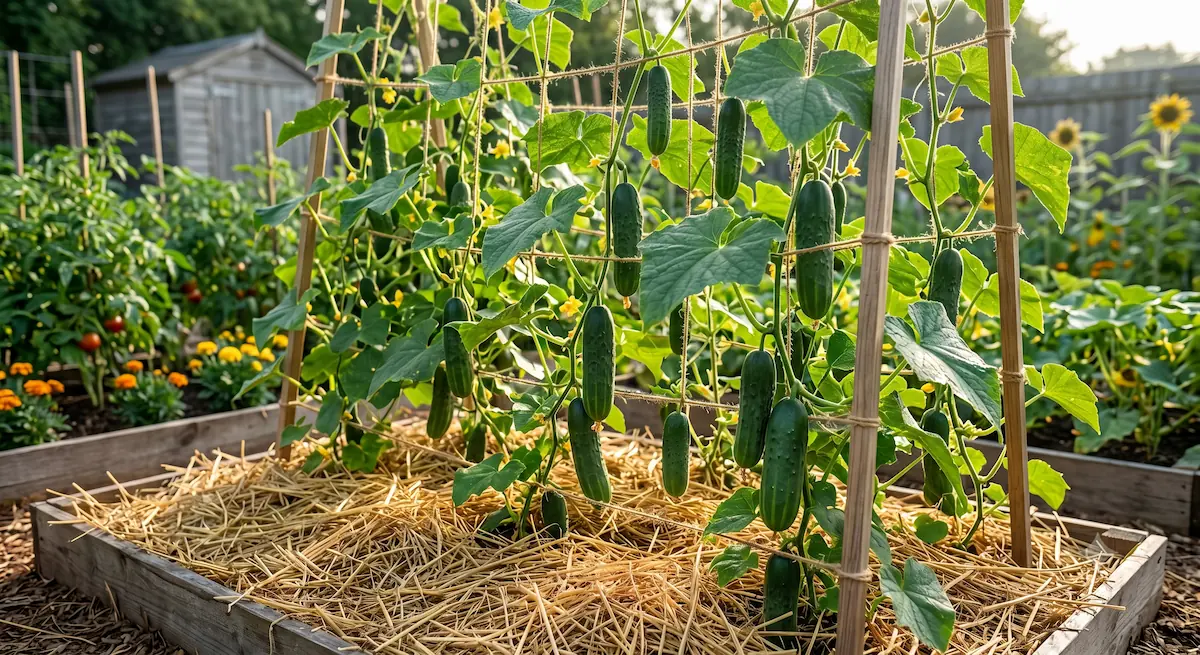
How to Extend Cucumber Fruiting in August: Harvesting Until October
In August, due to cold nights and mists, cucumbers often stop growing. Learn the secrets of protecting vines and stimulating new ovaries in late summer.
Read more →