
Potatoes Without Beetles: How to Prepare Tubers and What to Plant Nearby
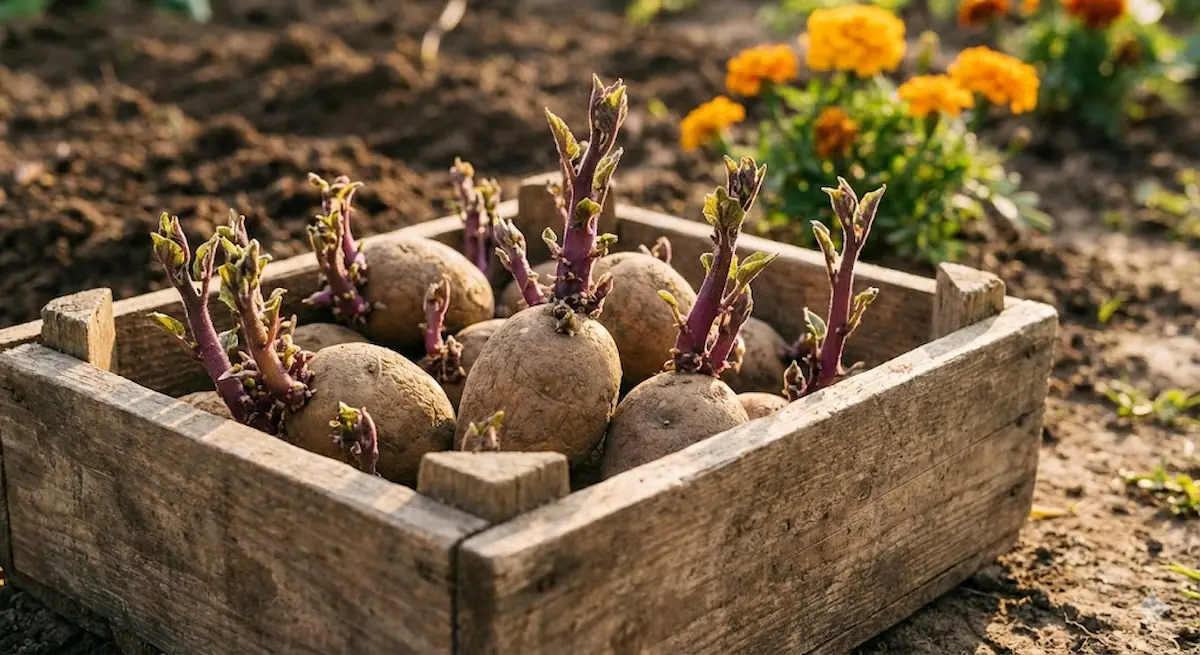
Secrets to growing potatoes without excessive chemicals. Learn how proper tuber preparation and smart companion planting can protect your harvest from the Colorado potato beetle.
For many gardeners, fighting the Colorado potato beetle turns into an endless epic with a sprayer on their back. However, experienced growers know that potato protection doesn't start when the beetle is already on the leaf, but even before the first tuber hits the ground. The secret to success lies in prevention and the right neighbors.
Step 1: Sprouting (Vernalization)
3-4 weeks before planting (right now, in April), move your seed potatoes to a warm and bright place. Why is this necessary? Sprouted potatoes emerge 10-12 days faster. By the time the bulk of the beetles emerge from the soil, your bushes will already be strong and tough, making them much less appetizing to the pest.
Step 2: The "Fragrant" Shield (Companion Planting)
The Colorado potato beetle finds potatoes by scent. Our task is to confuse it. Use AgroPlanner tips and plant repellent plants nearby or in between rows:
- Beans and Legumes: Beetles can't stand the smell of legumes. Additionally, beans enrich the soil with nitrogen, which is beneficial for potatoes.
- Calendula and Marigolds: These flowers are true garden sanitizers. Their pungent aroma acts as a "no-go zone" for beetles, forcing them to look for another plot.
- Coriander and Dill: These herbs attract predatory insects (like ladybugs) that are happy to feast on pest larvae.
Step 3: Natural Treatment During Planting
When planting, you can add a handful of wood ash or some onion skins to each hole. This not only feeds the plant with potassium but also creates an environment that beetle larvae will try to avoid.
Step 4: Mustard as Heavy Artillery
If beetles still appear, try spraying with a mustard infusion (100g of dry powder per 10L of water + a little soap). Mustard makes the leaves bitter, and pests quickly lose interest in your dinner.
Remember: the more diverse your garden is, the harder it is for pests to destroy it. Use smart planning, and let your potatoes grow healthy!
AgroPlanner App
Realize your dream garden: check plant compatibility, sun/shade needs, and save your plan easily.

Disclaimer
Important! All information in this blog is for recommendation purposes only. We are developers and enthusiasts, not certified agronomists. Results may vary based on your region, soil type, and weather. We are not responsible for potential errors or crop failures. Please verify critical advice independently!
Found this helpful? Share with friends!
Read more
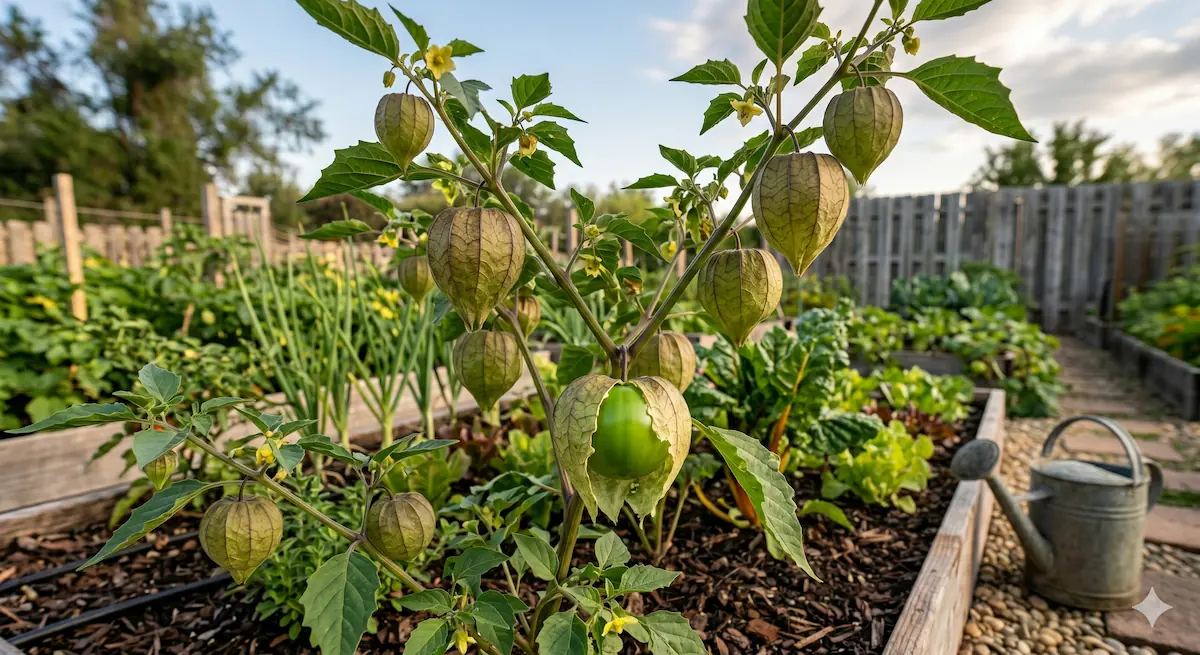
Tomatillo (Vegetable Physalis): Exotic "Lanterns" in Your Garden
Tomatillo is a resilient tomato relative that fruits inside paper husks. Learn why it’s more productive than tomatoes, what soil it needs, and how to tell when it's ripe.
Read more →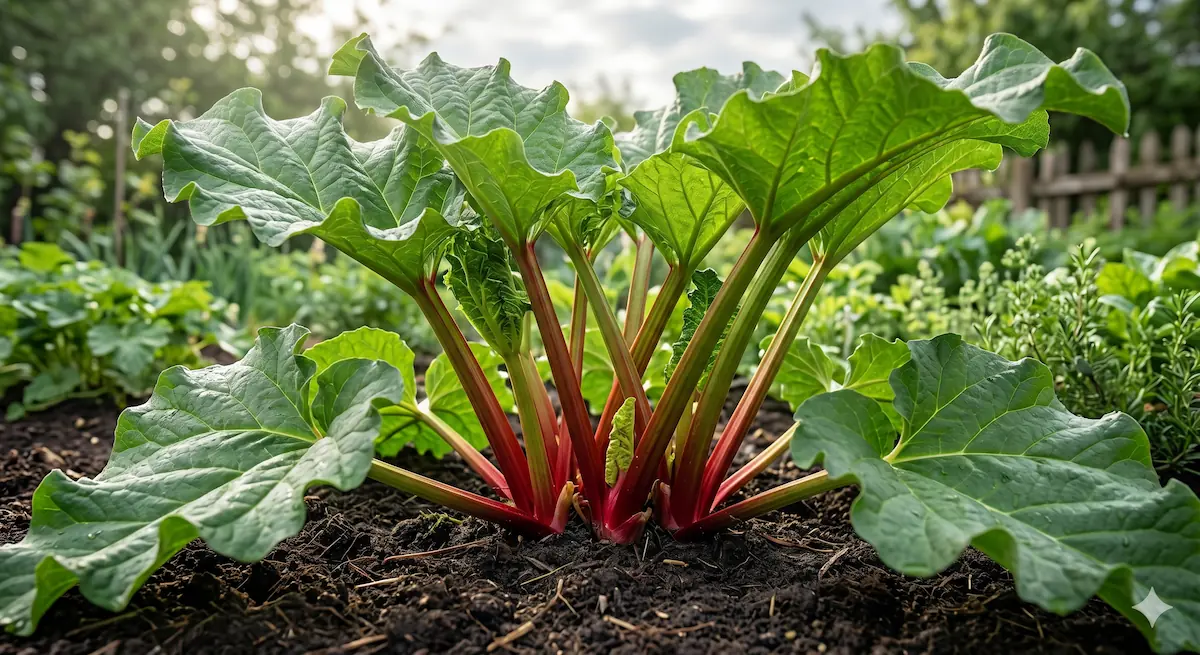
Rhubarb: The Vitamin Giant That Wakes Up First
Rhubarb is the season's first vitamin bomb. Learn why it loves organics, how to harvest correctly (without cutting!), and why rhubarb leaves should never end up on your plate.
Read more →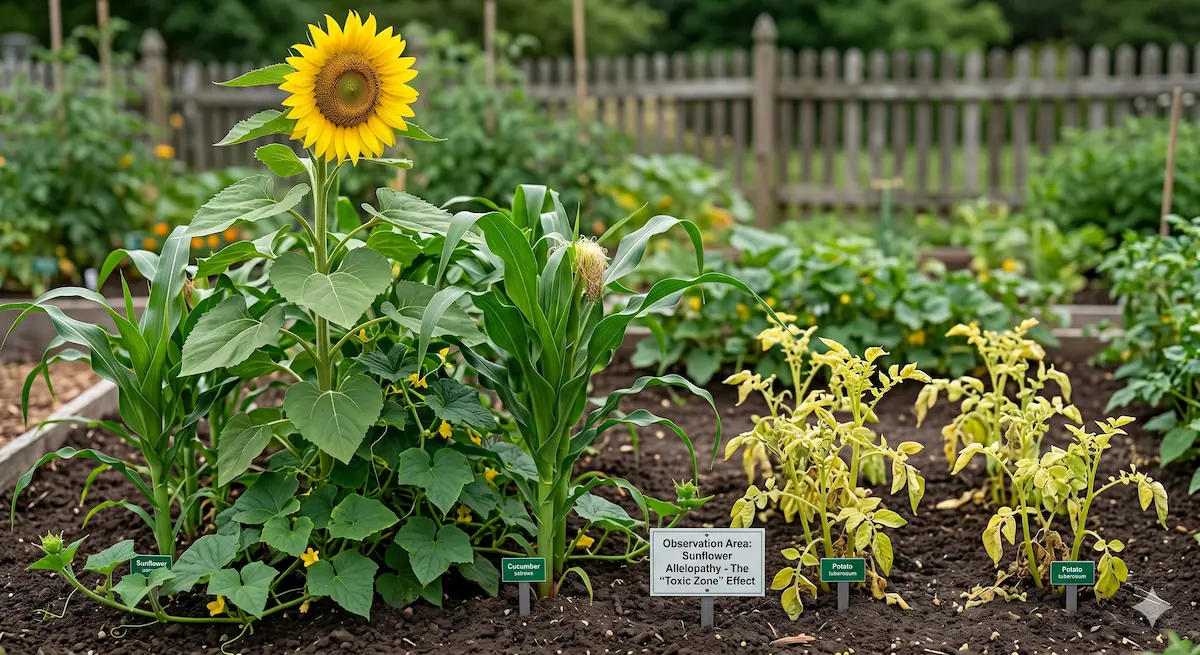
Sunflower Allelopathy: Which Plants Can Survive the "Toxic" Neighbor?
Sunflowers release toxins that inhibit the growth of competitors. Learn which vegetables can withstand this struggle, which ones to keep away, and how to use sunflower "poison" to your advantage.
Read more →