
Sunflower Allelopathy: Which Plants Can Survive the "Toxic" Neighbor?
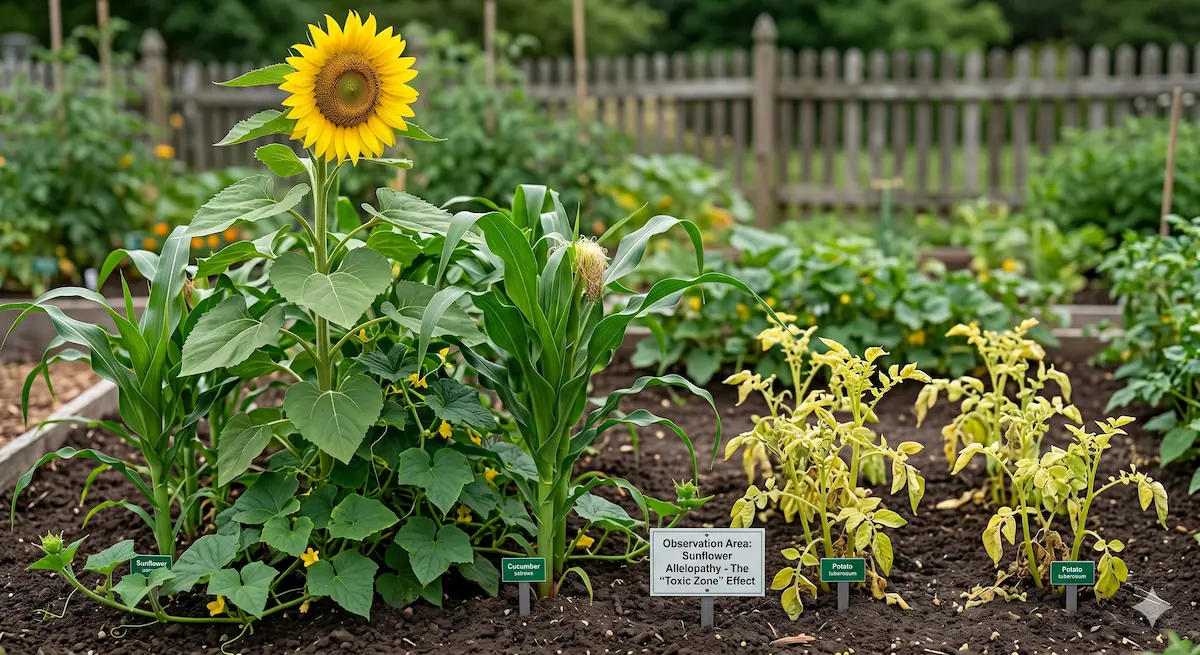
Sunflowers release toxins that inhibit the growth of competitors. Learn which vegetables can withstand this struggle, which ones to keep away, and how to use sunflower "poison" to your advantage.
Many have noticed that crops following sunflowers often struggle. This isn't just soil depletion; it's the result of allelopathy. Sunflowers release phenolic compounds and terpenes through their roots and leaf litter, which prevent seed germination and stunt cell division in neighboring plants. However, it’s not all bad news if you know which plants can handle the challenge.
Soil: Where Are the Toxins Most Active?
In heavy soils, allelopathic substances linger longer, creating a "dead zone" for sensitive species.
- Best Choice: Fertile Loamy soils (Type 1). Due to good structure, toxins are washed away faster by rain, making life easier for neighbors.
- Soil Check: Use the sausage test. If your soil is Type 1, the risk of "poison" accumulation is lower than in dense clay.
Who Survives Near Sunflowers? (Strong Allies)
- Corn: The best partner. It has a similar metabolism and barely notices sunflower secretions. Read about Dobrynya sweet corn.
- Cucumbers and Squash: If provided with an organic-rich planting hole, they use the sunflower as support and a windbreak.
- Bush Beans: While some climbing beans struggle, bush varieties coexist quite successfully with the giant.
The Victims: Who Does the Sunflower "Kill" First?
- Potatoes: The biggest victim. Proximity to sunflowers can reduce potato yields by 40-50%.
- Tomatoes and Peppers: They become frail, fall ill often, and produce small fruit within a 1-2 meter radius of a sunflower.
- Lettuce and Greens: Their seeds often refuse to germinate entirely in the "poisoned" zone.
AgroPlanner Tip: In our app, the sunflower has a dynamic toxic zone. If you place it in a 1x1 grid, the system automatically highlights neighboring cells in red for sensitive crops. This helps you avoid the mistakes mentioned in our primary sunflower planting guide. Remember: sunflower roots are aggressive, so give them plenty of space!
AgroPlanner App
Realize your dream garden: check plant compatibility, sun/shade needs, and save your plan easily.

Disclaimer
Important! All information in this blog is for recommendation purposes only. We are developers and enthusiasts, not certified agronomists. Results may vary based on your region, soil type, and weather. We are not responsible for potential errors or crop failures. Please verify critical advice independently!
Found this helpful? Share with friends!
Read more
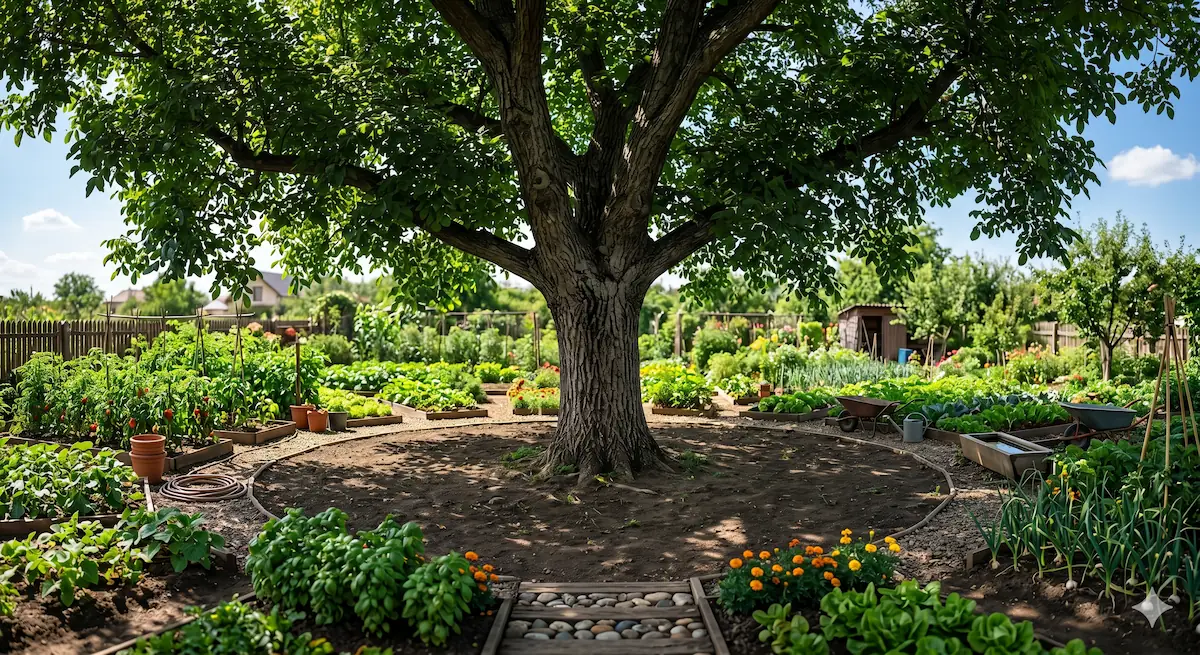
Walnut Tree in the Garden: Master of the Plot or Dangerous Neighbor?
Walnut trees release juglone, which can inhibit neighboring plants. Learn about the walnut's danger radius and the list of resistant crops that can grow nearby.
Read more →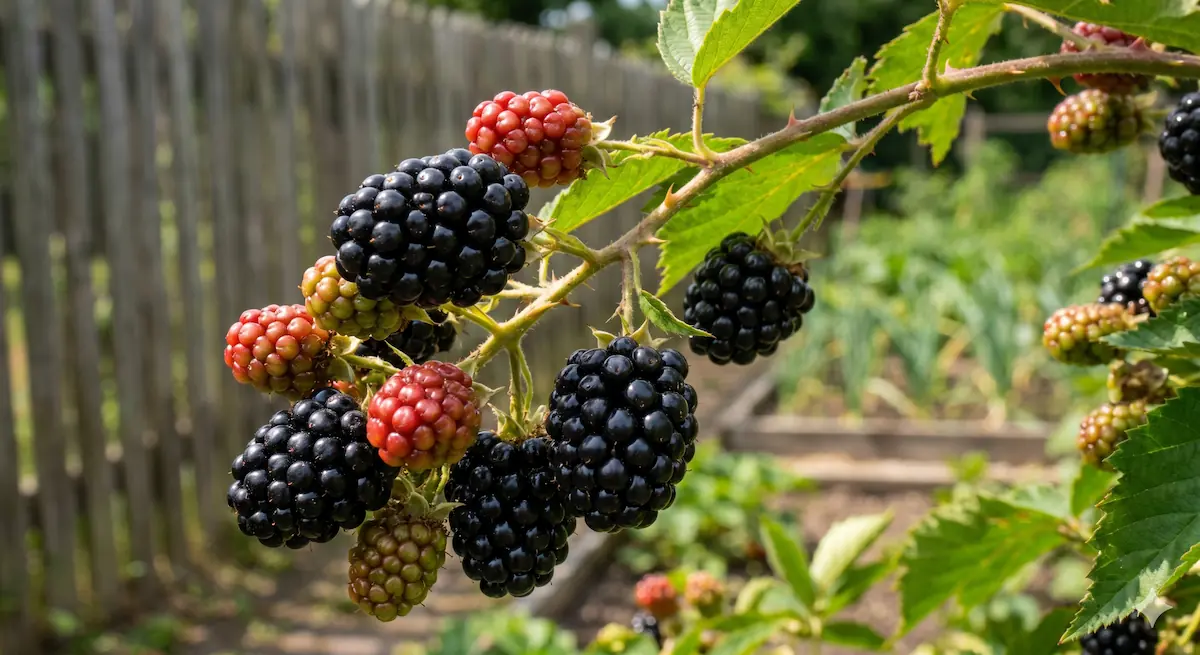
Growing Blackberries: How to Tame the Garden's "Black Diamond"
Dreaming of large, sweet thornless blackberries? Discover the secrets of planting, choosing the right soil, and how our planner helps find the perfect spot for this powerful berry.
Read more →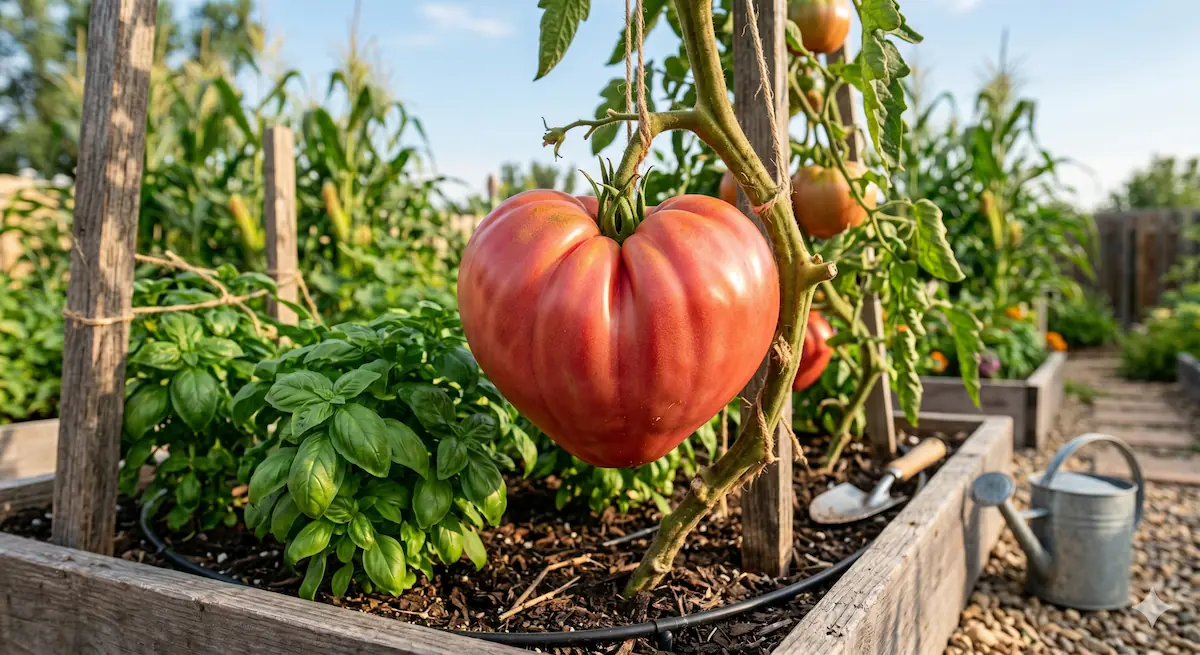
"Bull's Heart" Tomato: How to Grow the Sweet Giant
"Bull's Heart" is the gold standard for home-grown tomatoes. Learn how to prepare the soil for these giants, find their best companions, and avoid late blight.
Read more →