
Growing Lettuce: How to Keep Fresh Greens on Your Table All Season
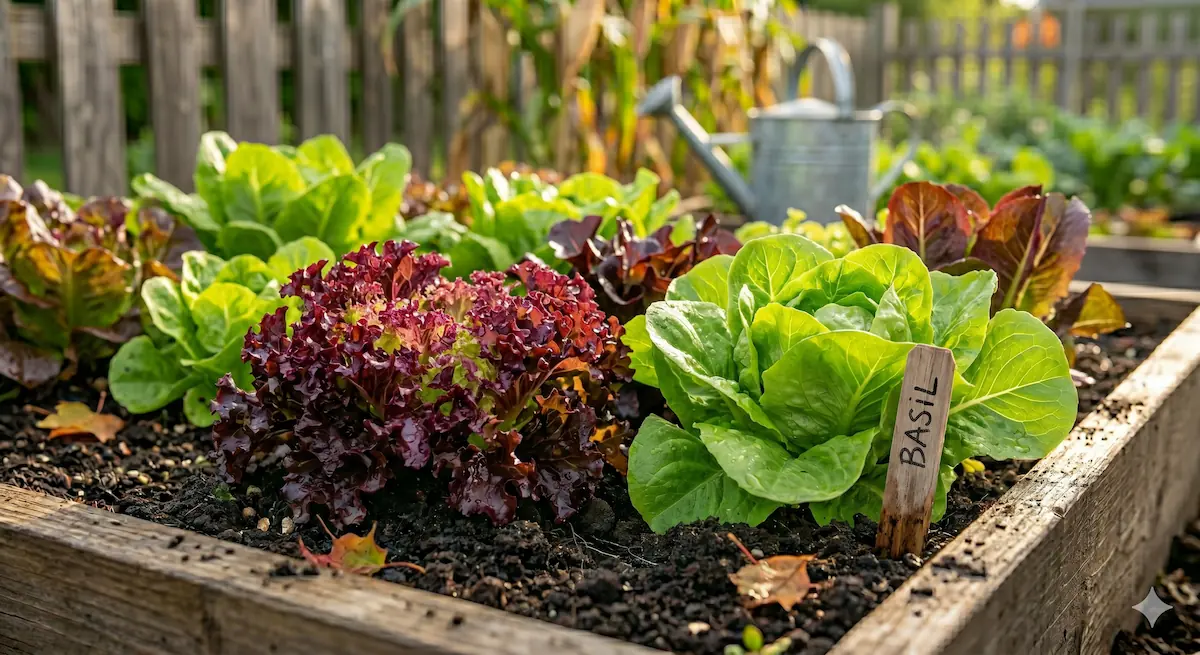
Secrets to growing leaf lettuce: why it fears the heat, what soil it prefers, and who its best neighbors are for natural pest protection.
Lettuce is the foundation of any fresh diet. It grows quickly, looks beautiful, and doesn't require deep agronomic knowledge. However, there’s one catch: lettuce is very sensitive to temperature. If you don't account for its "cool" nature, you'll end up with bitter stalks instead of tender leaves.
Soil and Moisture
Lettuce has a shallow root system, making it very sensitive to the topsoil drying out. The best choice is Loam (Type 1), which retains moisture well. In our planner, lettuce is marked as a moisture-loving crop, so try to place it where you can provide regular watering.
Lighting: Shade is a Lifesaver
Unlike tomatoes, lettuce doesn't enjoy scorching sun. In our Planner, lettuce has special settings: it thrives in partial shade. If you plant it in direct sun in mid-July, it will quickly bolt. Use tall plants (like corn) to create comfortable shade for your lettuce during the hottest hours.
Neighbors: Friends and Guardians
Proper companion planning helps you avoid using chemicals:
- Best Friends: Radishes, strawberries, and cucumbers. It’s especially beneficial to plant lettuce near onions—their scent repels aphids, which love succulent lettuce leaves.
- Enemies: Try to keep lettuce away from celery and parsley—they can compete for the same nutrients and inhibit leaf growth.
AgroPlanner Tip: Lettuce grows very quickly. Use our tool to plan "conveyor" planting: sow a new batch every two weeks in empty spots left after harvesting radishes or early onions. This ensures you always have fresh greens for your table.
AgroPlanner App
Realize your dream garden: check plant compatibility, sun/shade needs, and save your plan easily.

Disclaimer
Important! All information in this blog is for recommendation purposes only. We are developers and enthusiasts, not certified agronomists. Results may vary based on your region, soil type, and weather. We are not responsible for potential errors or crop failures. Please verify critical advice independently!
Found this helpful? Share with friends!
Read more
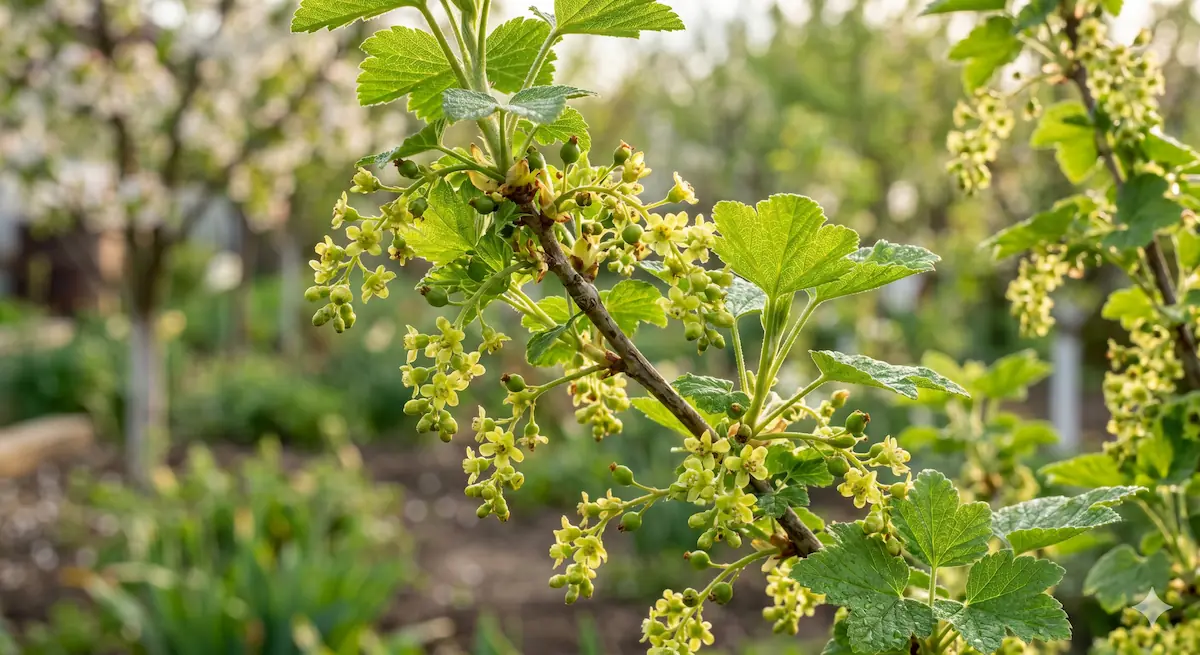
Currants in May: How to Ensure a Rich Berry Harvest
Spring care for black and red currants. AgroPlanner tips on fertilizing, pest protection, and correct watering during blooming.
Read more →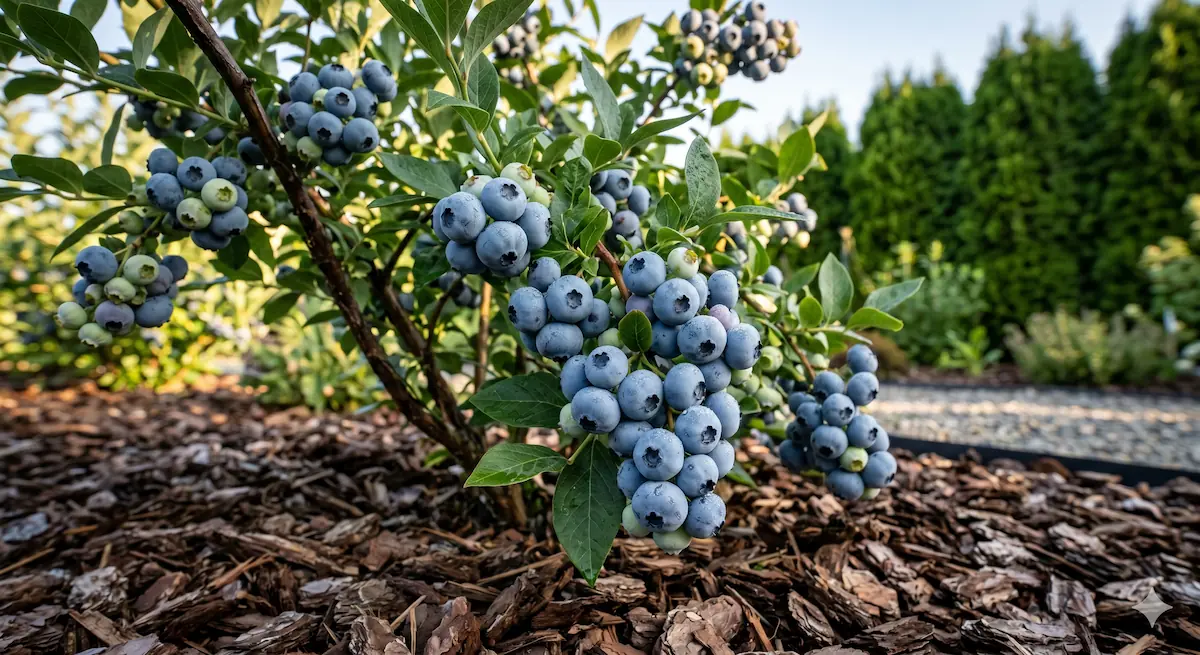
Blueberry "Bluecrop": The World's Favorite Variety
"Bluecrop" is the essential variety for any blueberry patch. Learn how to prepare perfect acidic soil, which plants pair best with blueberries, and why regular garden soil is toxic to them.
Read more →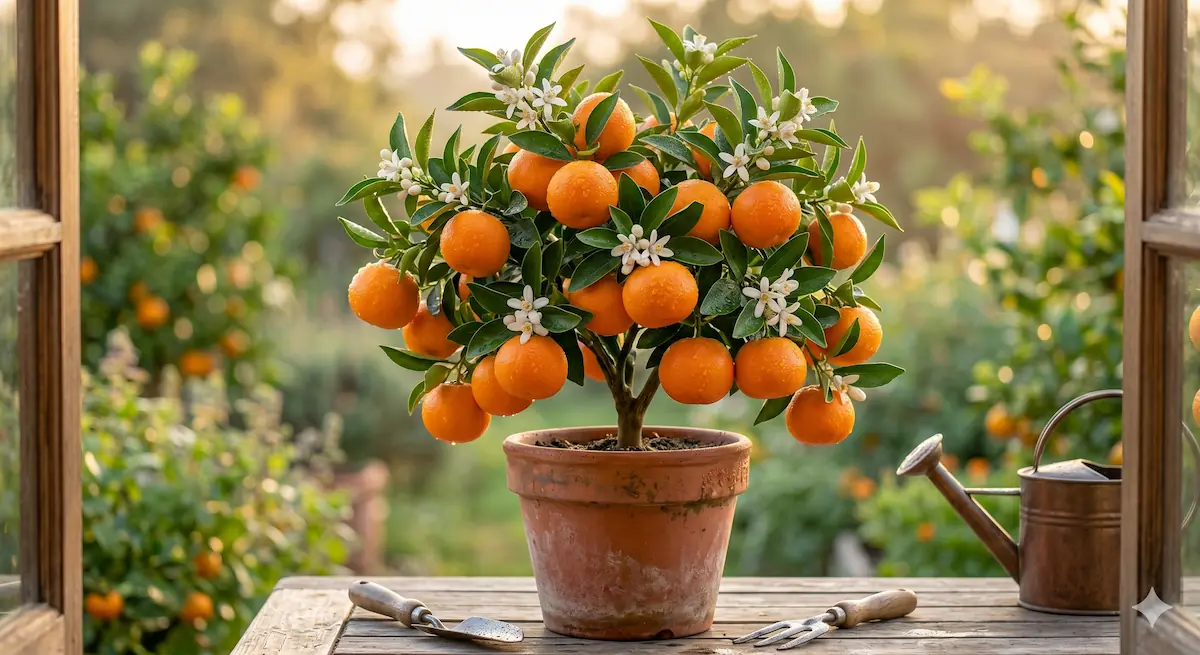
Mandarin: How to Grow a Scented Citrus Tree at Home
Mandarin is the most popular indoor citrus tree. Learn which soil ensures sweet fruit, why it loves misting, and how to choose a spot so the tree won't drop its leaves.
Read more →