
Agave: Architectural Beauty and Desert Resilience
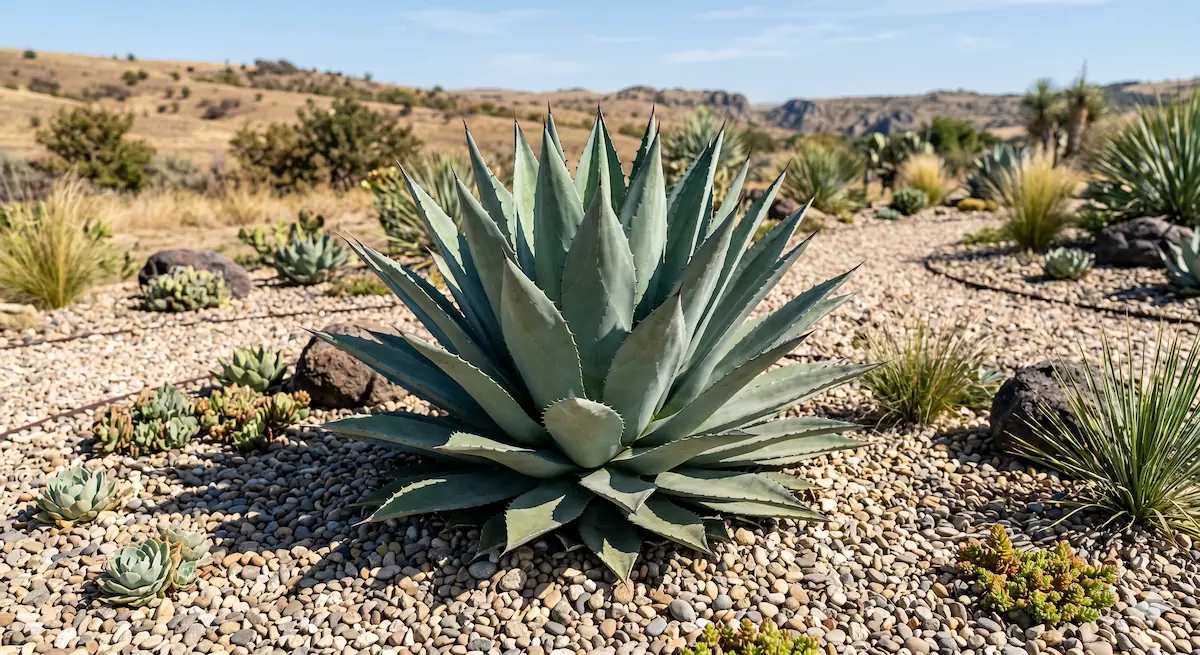
Agave is a symbol of endurance. Learn why it blooms only once in a lifetime, how to provide perfect drainage, and which companions highlight its monumental form.
Agave is a powerful succulent with a rosette of fleshy, often spiny leaves. Known for its ability to survive extreme heat and drought, it is an "architectural" plant: its sharp lines and geometric shape make it a perfect accent in modern landscapes or minimalist interiors.
Soil: Where Does Agave Feel at Home?
Agave's main enemy is winter moisture stagnation, which leads to core rot.
- Best Choice: Poor Sandy soils (Type 2) mixed with plenty of gravel or grit.
- Soil Check: Perform the sausage test. If the soil crumbles faster than you can squeeze it (Type 2), it's perfect for agave health.
Best Companions (Good)
- Opuntia: Create a classic desert duo. Check our opuntia guide.
- Lavender: Shares similar drainage and sun requirements.
AgroPlanner Tip: Most agaves are monocarpic: they bloom once after 10-30 years and then die, leaving "pups" behind. In our app, agave occupies a 2x2 grid. The system flags the walnut toxic zone in red to keep your desert beauty safe.
AgroPlanner App
Realize your dream garden: check plant compatibility, sun/shade needs, and save your plan easily.

Disclaimer
Important! All information in this blog is for recommendation purposes only. We are developers and enthusiasts, not certified agronomists. Results may vary based on your region, soil type, and weather. We are not responsible for potential errors or crop failures. Please verify critical advice independently!
Found this helpful? Share with friends!
Read more
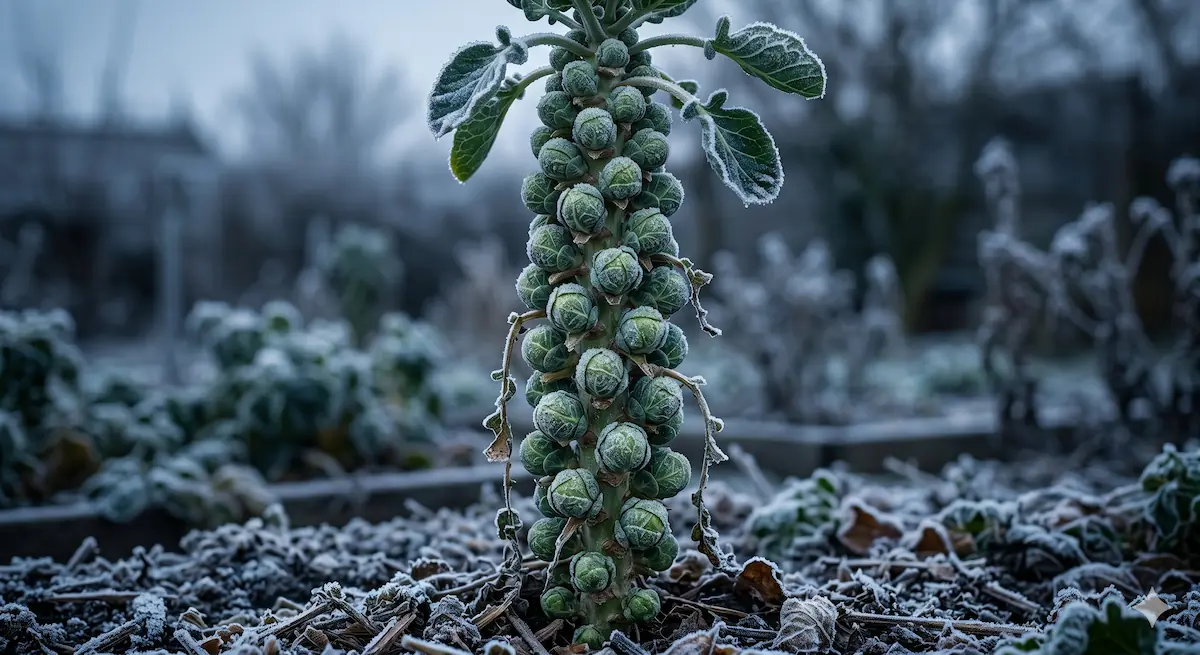
Brussels Sprouts: Why Frost is Their Best Friend
Brussels sprouts are the hardiest crop in the garden. Learn how to make the small heads grow faster and why you shouldn't rush the harvest.
Read more →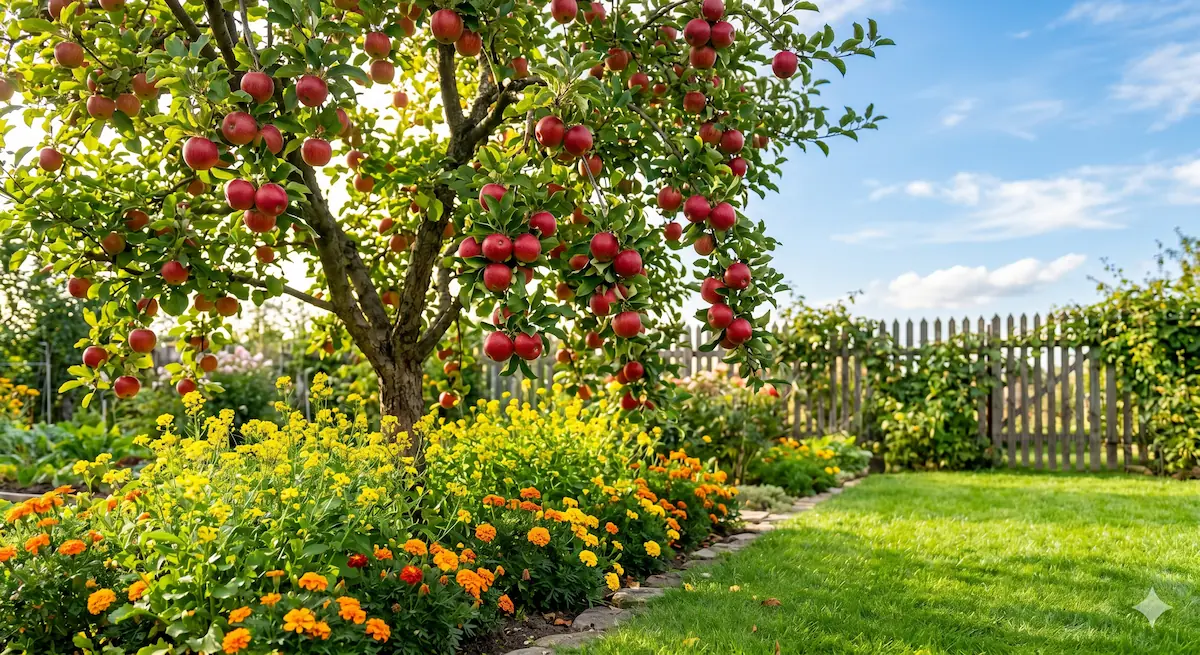
Apple Tree as the Foundation of Your Orchard: Planting and Companion Rules
The apple tree is the queen of the fruit garden. Learn how to choose the right soil using the "sausage test" and which neighbors to avoid to prevent diseases.
Read more →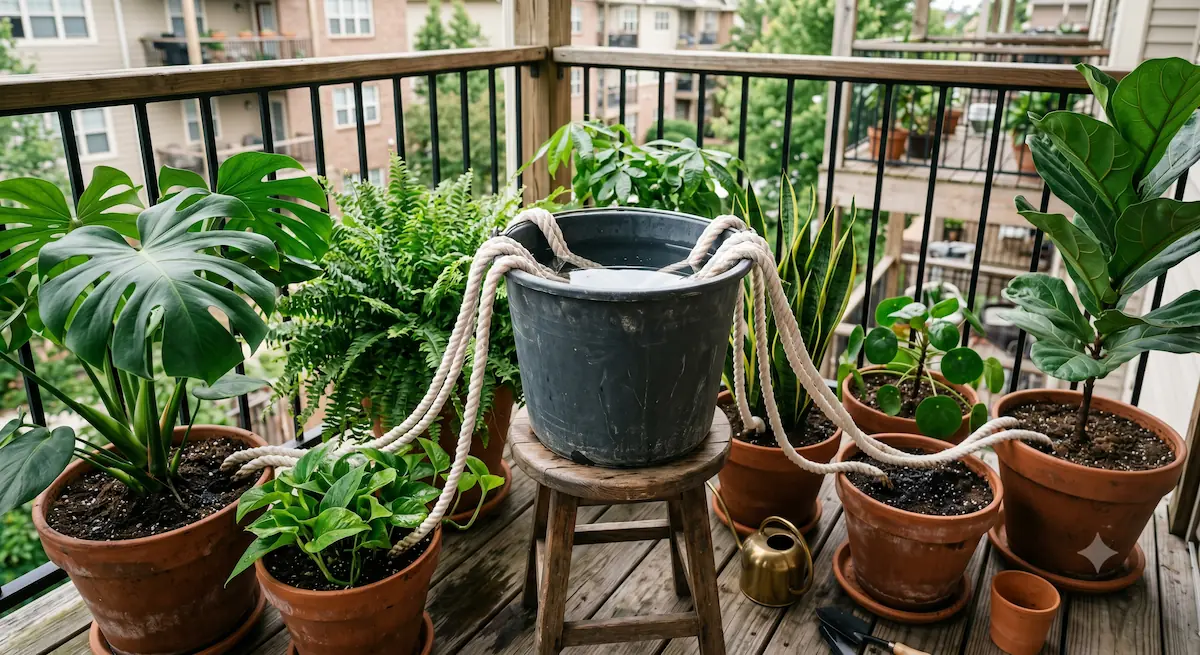
How to Water Your Garden and Flowers While on Vacation: 5 Summer Hacks
Going on vacation in summer but worried about your plants? Learn how to set up simple automatic watering systems without spending money.
Read more →