
Calendula: A Medicinal Helper and Garden Protector
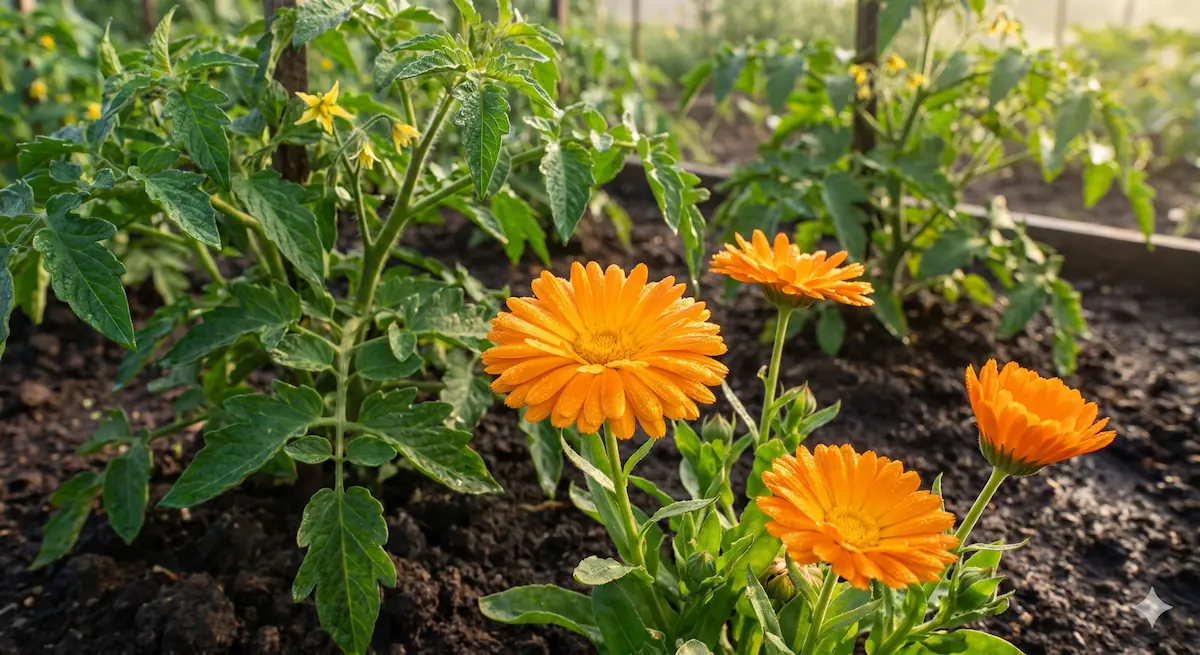
Learn how calendula heals the soil, repels tomato pests, and why you should include it in your planting layout. Tips on growing and compatibility in our garden planner.
Calendula, commonly known as pot marigold, is not just a bright flower for the home medicine cabinet. In professional gardening, it is called the "soil doctor." This plant can not only decorate your beds but also significantly improve the overall health of your garden.
Soil Healing and Pest Control
The main value of calendula lies in its ability to release phytoncides into the soil, which suppress the development of pathogenic fungi and bacteria. Additionally:
- Tomato Guard: Calendula repels the tomato hornworm, one of the most dangerous pests for tomatoes.
- Nematode Cleanup: Much like marigolds, calendula helps clear the earth of microscopic underground pests.
- Aphid Protection: Its scent disorients many flying insects, preventing them from finding your vegetables.
- Pollinator Magnet: Its bright orange blooms attract beneficial bees and hoverflies.
Growing Requirements
Calendula is extremely hardy, but for maximum benefit, it needs specific conditions:
- Soil: It thrives best in fertile Loamy soils (Type 1). If you want to ensure your patch is suitable, take a quick soil sausage test.
- Light: Requires plenty of sunlight. In our planner, we recommend placing it in open, well-lit areas.
- Maintenance: Calendula tends to self-seed, so it can become a permanent resident of your garden, reappearing in new spots every year.
Ideal Companions in Our Planner
In AgroPlanner, calendula has a high compatibility level with most crops:
- Tomatoes and Peppers: This is a classic trio. Calendula significantly reduces disease risks for sweet peppers and tomatoes.
- Cucumbers: Helps attract pollinators to cucumber flowers.
- Potatoes: Planted in rows, it makes the bushes less attractive to the Colorado potato beetle.
AgroPlanner Tip: When creating a layout in our planner, try alternating rows of vegetables with rows of calendula. Our analysis system will highlight these zones as Good, indicating a 30-40% natural reduction in pest risks.
AgroPlanner App
Realize your dream garden: check plant compatibility, sun/shade needs, and save your plan easily.

Disclaimer
Important! All information in this blog is for recommendation purposes only. We are developers and enthusiasts, not certified agronomists. Results may vary based on your region, soil type, and weather. We are not responsible for potential errors or crop failures. Please verify critical advice independently!
Found this helpful? Share with friends!
Read more
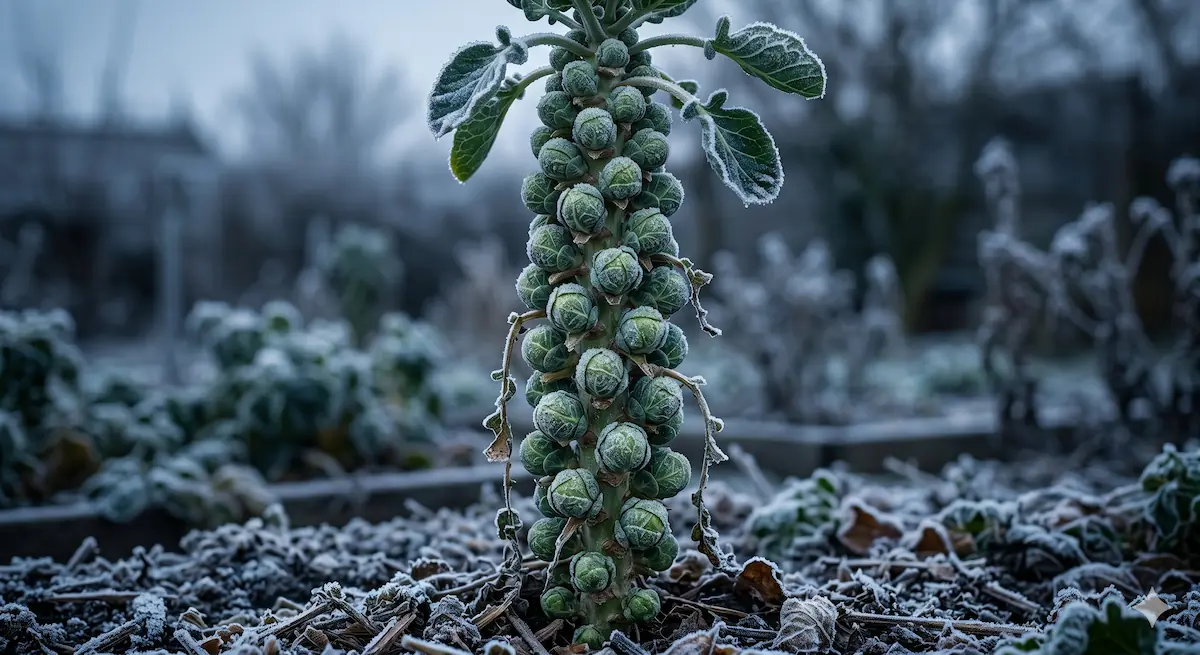
Brussels Sprouts: Why Frost is Their Best Friend
Brussels sprouts are the hardiest crop in the garden. Learn how to make the small heads grow faster and why you shouldn't rush the harvest.
Read more →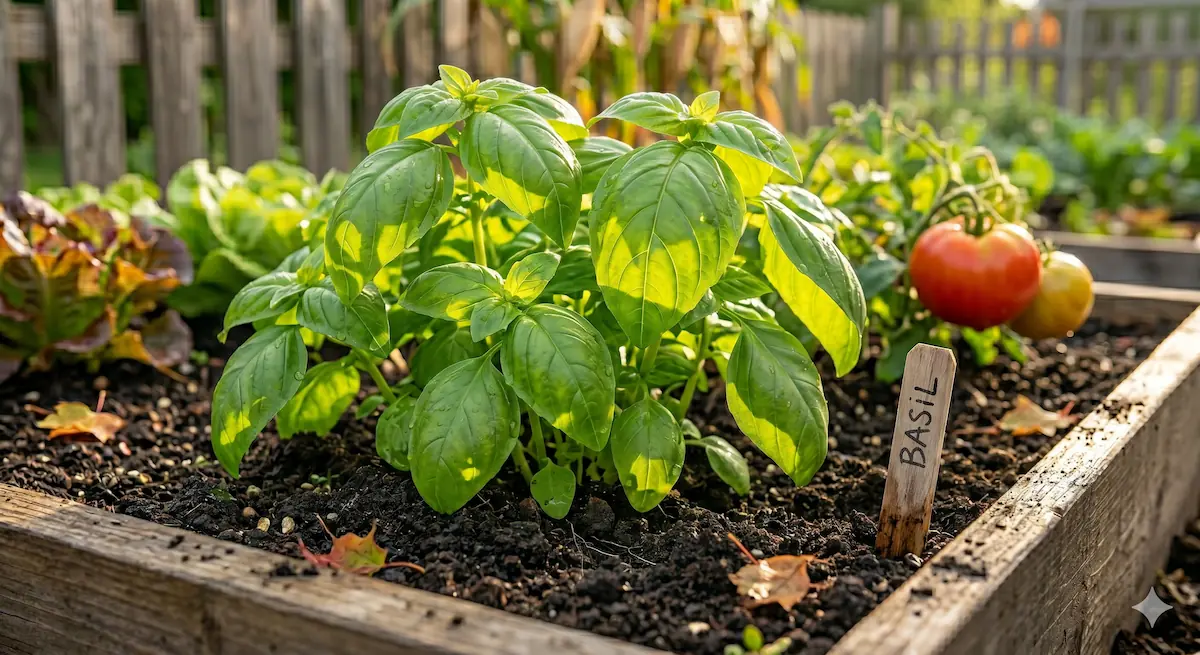
Basil: The Fragrant King of the Garden and Tomato's Best Friend
How to grow lush, aromatic basil: heat requirements, soil selection, and why pairing it with tomatoes makes it better. Tips from AgroPlanner.
Read more →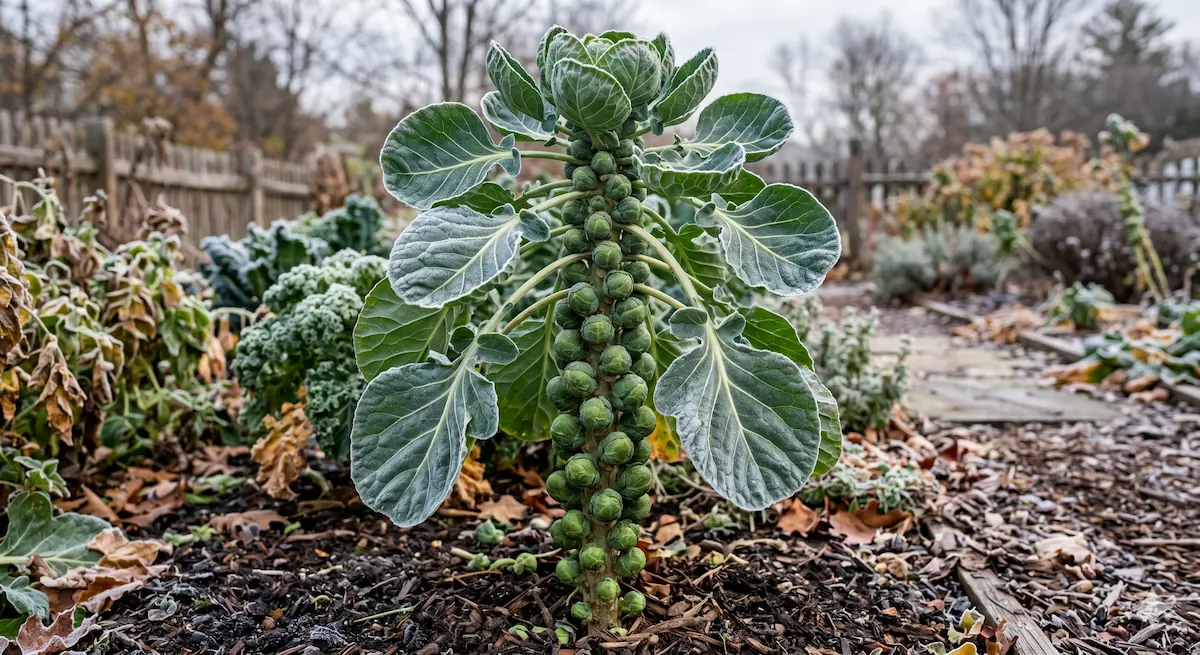
Brussels Sprouts Hercules: Harvest Until the First Frosts
The Hercules variety is a classic for those who want to harvest even under the snow. Learn why it fears no frost, how to support the tall stalks, and why it needs so much space.
Read more →