
Complete Sorrel Growing Guide: The First Spring Greens in Your Garden
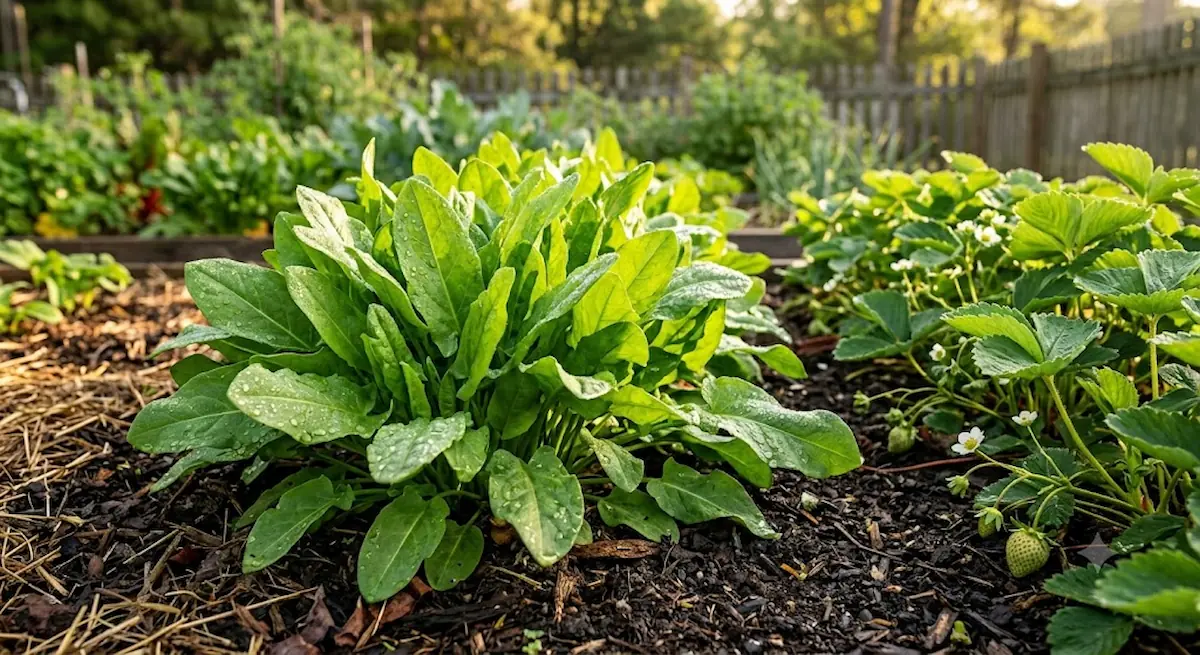
Sorrel is a low-maintenance perennial that will feed you with vitamins for years. Secrets of summer planting, care, and the ultimate companions table.
Sorrel (Rumex acetosa) is one of the hardiest and most beneficial perennials in our garden layout. It awakens in early spring when other beds are still empty, providing the first vitamin-rich greens for sour soups and fresh salads. A sorrel bush can successfully thrive in one spot for up to 4-5 years, so proper site selection and companion planting are key to a long-lasting harvest.
1. Secrets of Planting Sorrel in the Summer Period
Traditionally sorrel is sown in spring, but sowing in July or August offers a massive advantage: the plant manages to develop a powerful root system before winter without wasting energy on blooming. Next spring, you will get a full, early harvest of leaves. The crop loves slightly acidic or neutral soils (pH 5.5-6.5) and light shade, which saves the leaves from sunscald during midday summer heat.
- Seed Sowing Depth: 1-2 cm.
- Row Spacing: 20-25 cm.
2. Managing a Perennial Garden Bed
Sorrel highly craves moisture. When it is lacking, the leaves quickly coarsen, grow small, and accumulate too much oxalic acid, which ruins the culinary flavor. The primary maintenance rule is the timely removal of flower stalks. If you let the bush bloom, the growth of new leaves stops entirely. You can learn about loose soil structures for greens in our lettuce growing guide.
3. Table of Ideal Companions for Sorrel (Good)
Since sorrel grows in one spot for years, surrounding companions should help it fight off specialized pests:
| Companion | Companion Benefits |
|---|---|
| Strawberries | An excellent perennial partner. They share identical soil acidity and watering requirements. |
| Onions and Garlic | Protect the juicy sorrel leaves from attacks by the primary enemy — the sorrel leaf beetle. |
| Carrots | Coexist nicely in row spaces; carrot roots do not interfere with sorrel's branched root system. |
| Radishes | A fast catch-crop that matures early while young sorrel builds up its strength. |
| Mint | With its strong aroma, it repels tiny aphids and flea beetles from the garden bed. |
| Raspberries | Sorrel planted along raspberry patches uses its root exudates to contain the aggressive spreading of raspberry shoots. |
| Chamomile | Attracts bees and useful predatory insects that clear the bushes of aphid colonies. |
| Lettuce | Helps shade the soil around the base of the sorrel bush, retaining moisture after watering. |
4. Bad Neighbors for Perennials (Bad)
Never plant sorrel near beans and peas (they alter nitrogen balance and shade it) and fennel (toxic to most herbs). Harvest leaves carefully, cutting shoots 3-4 cm above the ground, trying not to damage the central growth bud of the bush.
AgroPlanner Tip: In late autumn, stop cutting leaves completely one month before heavy frosts. Let the bush gather strength to overwinter smoothly. Mark your planting dates in our planner!
AgroPlanner App
Realize your dream garden: check plant compatibility, sun/shade needs, and save your plan easily.

Disclaimer
Important! All information in this blog is for recommendation purposes only. We are developers and enthusiasts, not certified agronomists. Results may vary based on your region, soil type, and weather. We are not responsible for potential errors or crop failures. Please verify critical advice independently!
Found this helpful? Share with friends!
Read more
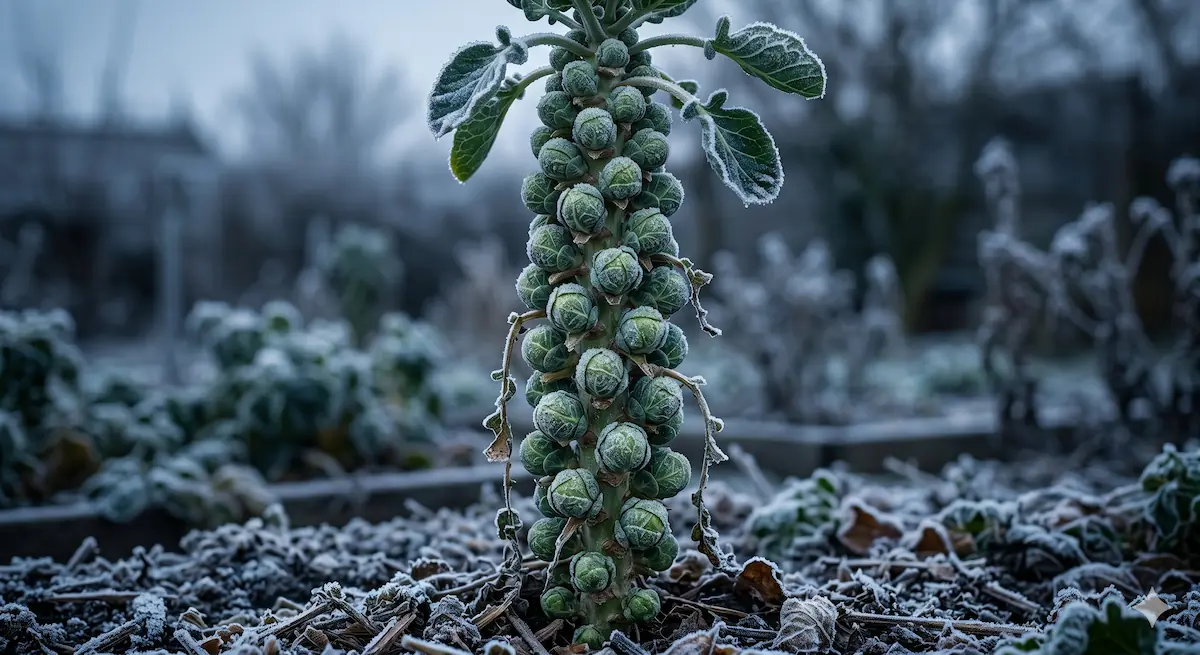
Brussels Sprouts: Why Frost is Their Best Friend
Brussels sprouts are the hardiest crop in the garden. Learn how to make the small heads grow faster and why you shouldn't rush the harvest.
Read more →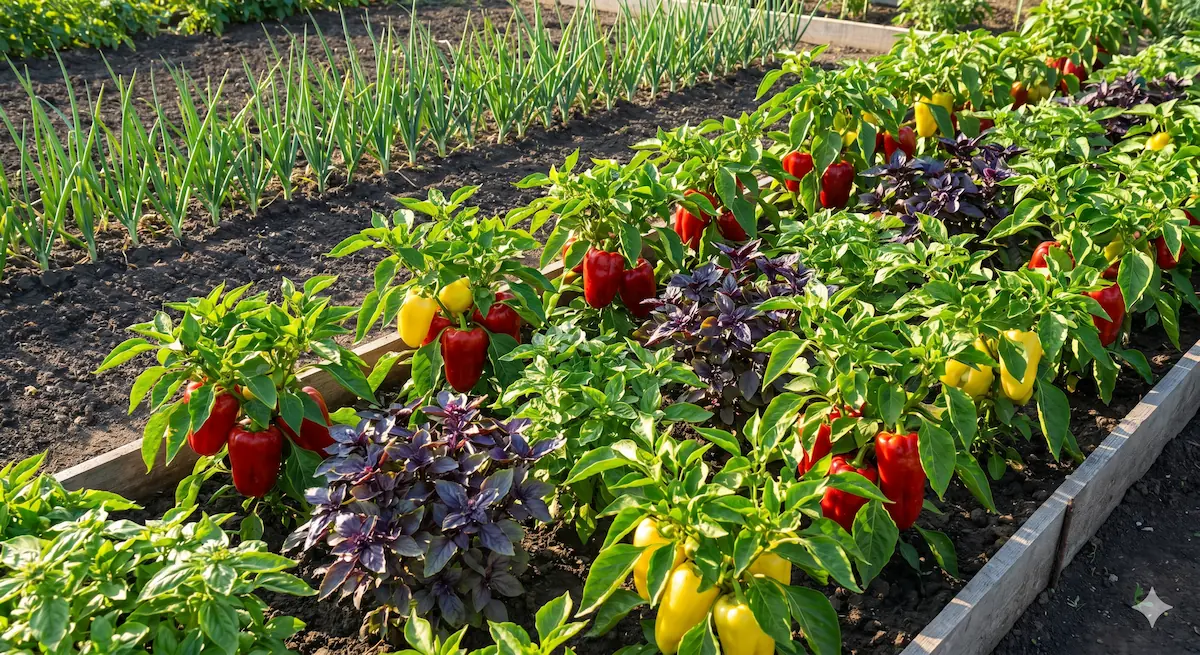
Sweet Pepper Companion Planting: Choosing the Perfect Neighbors
Sweet pepper is a demanding tropical guest. Learn who helps peppers grow large and sweet, and who can stunt their growth.
Read more →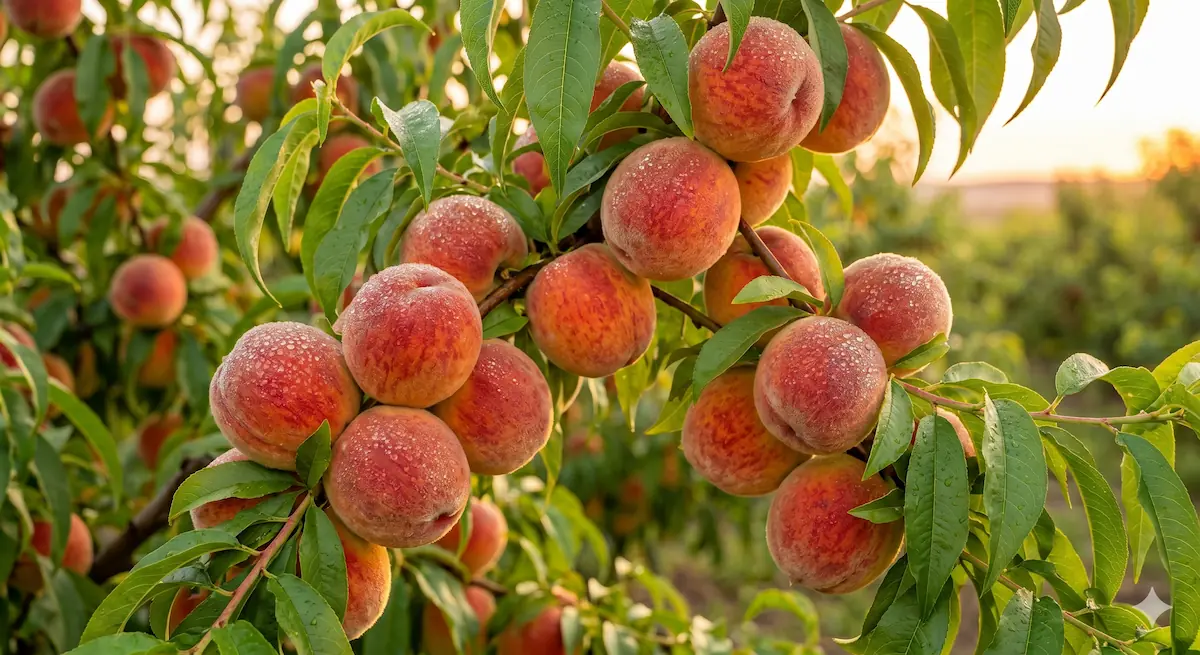
Peach: Growing Juicy "Sun Fruits" in Your Garden
The peach is the most coveted garden inhabitant. Learn how to choose the right spot, why peaches fear "wet feet," and how to protect your tree from the dreaded leaf curl.
Read more →