
Spring Frosts: 5 Ways to Save Your Seedlings When the Temperature Drops
An emergency guide for gardeners. Learn how to protect your young plants from sudden night frosts in April and May using simple yet effective methods.
April and May can be tricky: the sun warms the ground during the day, but at night, temperatures can suddenly drop below freezing. For young, tender tomato or pepper seedlings, even -1°C (30°F) can be fatal. But don't panic — there are proven methods to shield your plants from the cold.
1. Agrofiber and Plastic Wrap
This is the most reliable option. Cover your garden beds with 2-3 layers of white agrofiber. Important: the material should not touch the leaves, so it is better to drape it over hoops or a frame. Plastic wrap also works, but it must be removed in the morning as soon as the sun comes out, otherwise, the plants will "overheat."
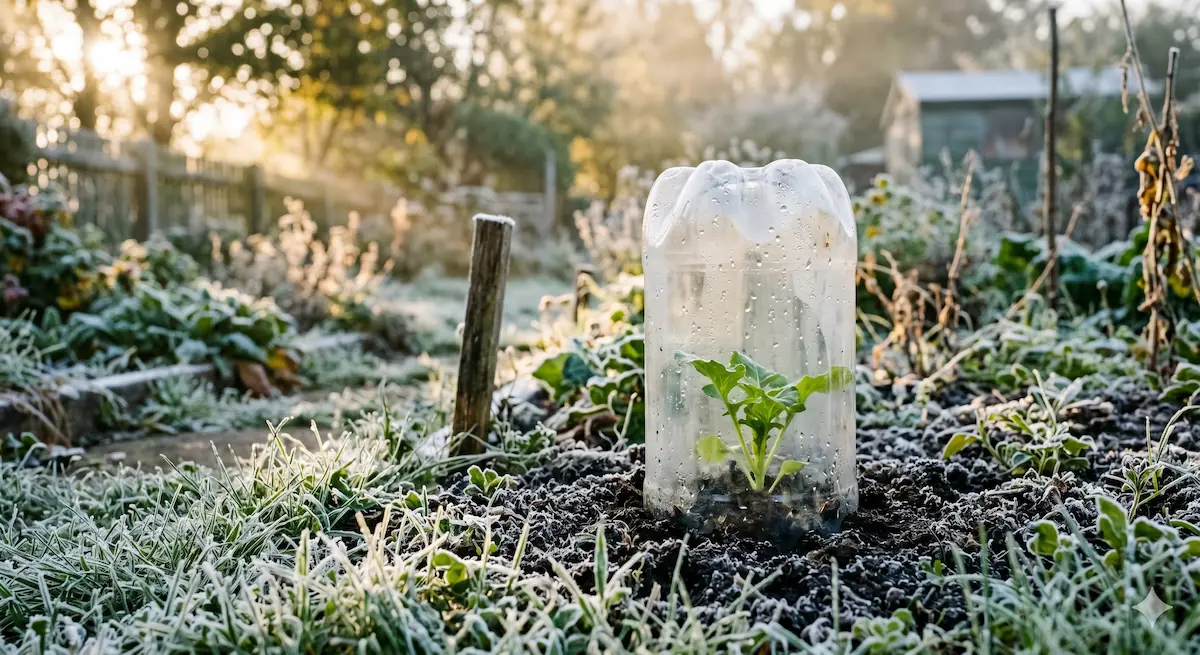
2. Plastic "Cloches"
For individual plants, cut-off 5-liter plastic bottles are perfect. Place one over each seedling, slightly pushing it into the soil. This creates a mini-greenhouse effect that traps the earth's natural warmth around the roots.
3. Watering Before Frost
It sounds paradoxical, but moist soil holds and releases heat better than dry soil. If you generously water your beds with warm water in the evening, the moisture will evaporate throughout the night, creating a protective "curtain" of steam that prevents the temperature near the ground from hitting critical lows.
4. Smoking (Traditional Method)
If you have a large plot, you can arrange piles of damp hay or branches on the windward side. The smoke from such a fire creates a dense blanket that slows down heat loss from the soil. However, this method requires you to be present throughout the night.
Tip from AgroPlanner
Use our planner to identify the most vulnerable zones in your garden. Plants in open, windy areas suffer from frost first. Place heat-loving crops behind fences or near building walls, which absorb heat during the day and release it at night.
AgroPlanner App
Realize your dream garden: check plant compatibility, sun/shade needs, and save your plan easily.

Disclaimer
Important! All information in this blog is for recommendation purposes only. We are developers and enthusiasts, not certified agronomists. Results may vary based on your region, soil type, and weather. We are not responsible for potential errors or crop failures. Please verify critical advice independently!
Found this helpful? Share with friends!
Read more
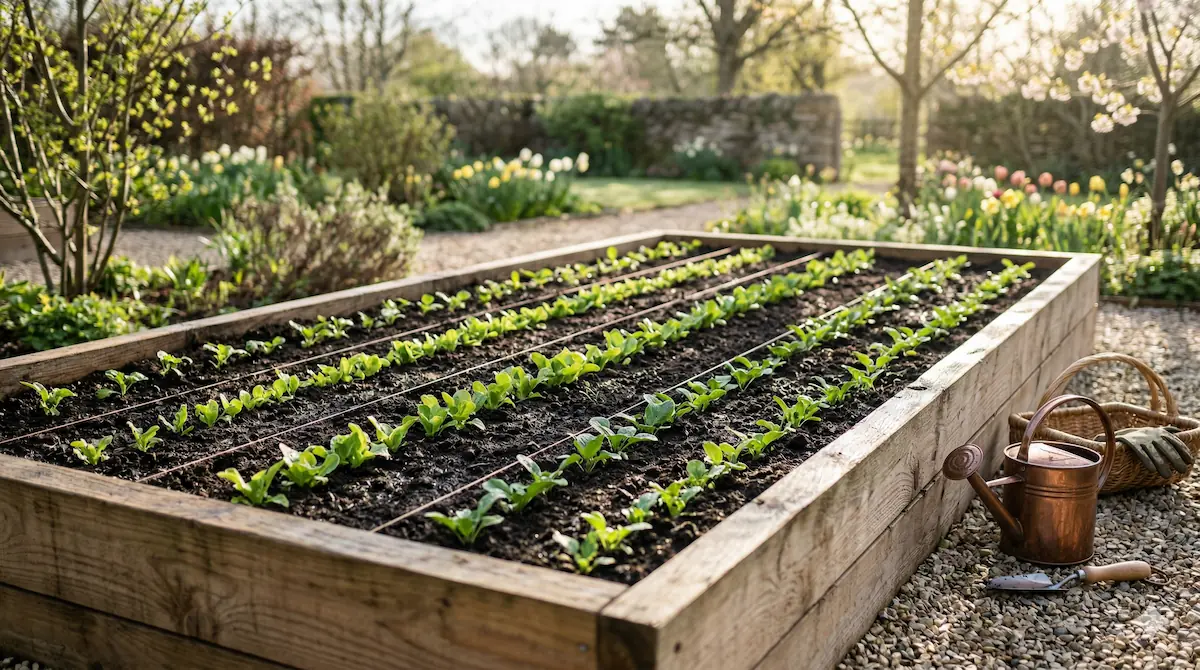
Planning a Perfect Garden from Scratch: A Step-by-Step Guide
Starting your first gardening season? This simple guide will help you create your dream garden without the stress.
Read more →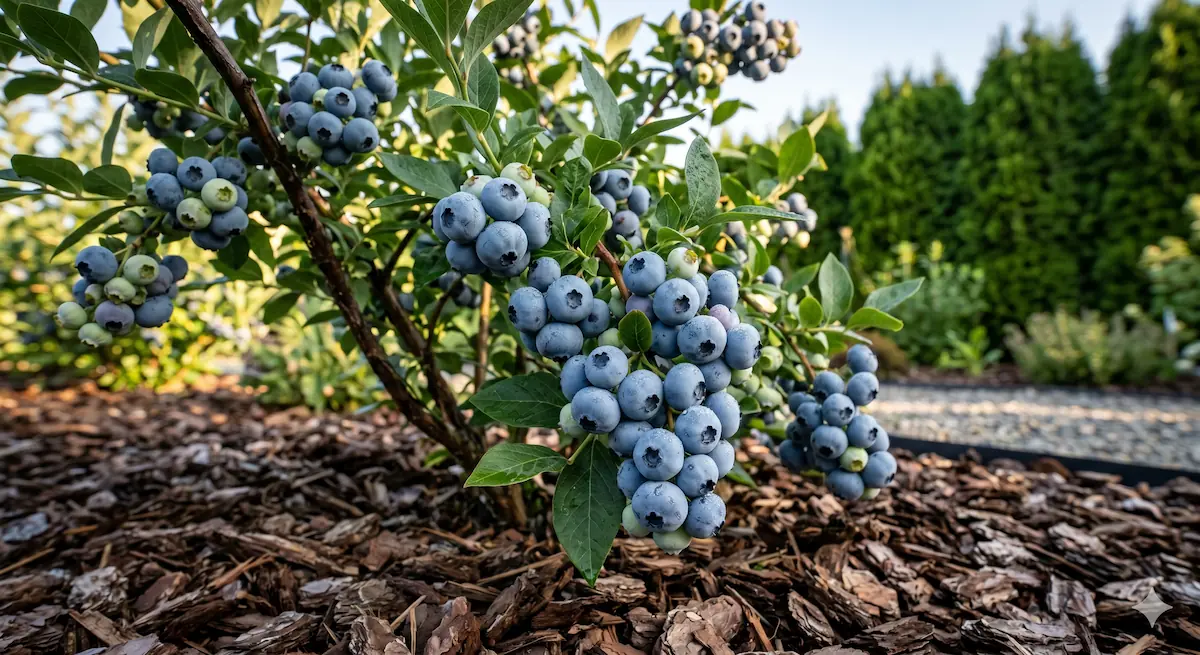
Blueberry "Bluecrop": The World's Favorite Variety
"Bluecrop" is the essential variety for any blueberry patch. Learn how to prepare perfect acidic soil, which plants pair best with blueberries, and why regular garden soil is toxic to them.
Read more →
Summer Greenhouse Disinfection and Cleanup: Preparing Beds for Autumn Crops
Cleared space after early vegetables inside the greenhouse? Step-by-step guide to summer sanitary treatment of structures and soil against fungal spores and pests.
Read more →