
Summer Greenhouse Disinfection and Cleanup: Preparing Beds for Autumn Crops
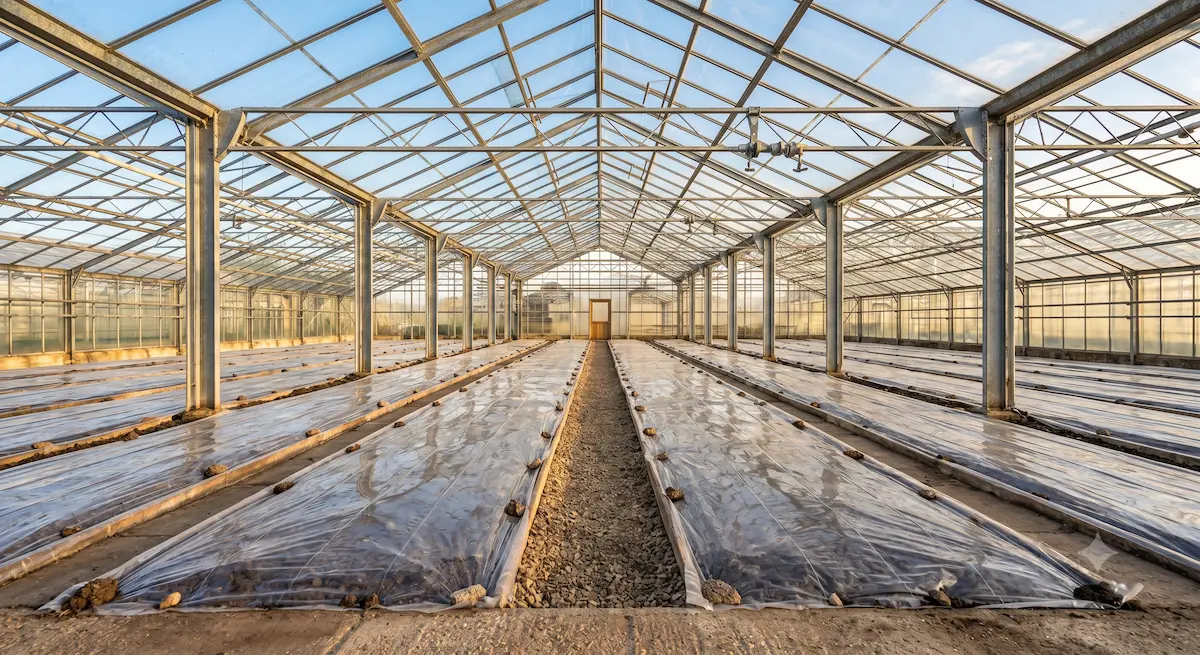
Cleared space after early vegetables inside the greenhouse? Step-by-step guide to summer sanitary treatment of structures and soil against fungal spores and pests.
In July and August, extreme environments build up inside enclosed greenhouses. High temperatures combined with moisture from watering create a perfect paradise for pathogenic microflora reproduction. After you harvest early greens, cucumbers, or early tomatoes, structures and soil accumulate disease spores. Summer intermediate disinfection is the best way to shield future second-wave plantings.
1. Why Summer Greenhouse Treatment Outperforms Autumn Routines
Most gardeners wash their greenhouses in late autumn when it's already chilly outside. But in summer, when the sun blazes at full force, you can utilize a unique, free, eco-friendly method — soil solarization. Under the effect of an enclosed loop and blazing rays, temperatures inside the top layer of earth rise to +50-60°C, literally baking and sterilizing pest larvae and fungal spores without any chemical usage.
2. Step-by-Step Algorithm of Summer Deep Cleaning
Before treatment, completely clean the greenhouse of old mulch and vine debris. Infected plant debris must never be dropped onto the soil surface. Read about safe elimination rules in our guide on composting hazardous plant debris. Wash walls and framing with a soap solution supplemented with mustard powder.
3. Table of Summer Remediation and Greenhouse Disinfection Methods (Good)
| Treatment Target | What Eco-Friendly Method to Apply in Summer? | What Does This Shield Future Crops From? |
|---|---|---|
| Polycarbonate / Glass | Washing walls with a solution of green garden soap or commercial hydrogen peroxide using a soft sponge fabric. | Removes green moss, scale coating, and destroys leaf mold spores settled on the structure frames. |
| Topsoil Layer | Solarization method: water empty beds heavily, blanket them with tight transparent plastic film, and seal the greenhouse hermetically for 7-10 days during peak heatwaves. | Thermal baking of underground root-knot nematodes, whitefly pupae, and fusarium wilt spores. |
| Surface Bio-remediation | Plentiful soil drenching with a bio-fungicide solution (Trichoderma or Fitosporin) following solarization film removal. | Saturates heated soil with beneficial microbes that block root rot development. |
4. Dangerous Summer Mistakes in Greenhouse Maintenance (Bad)
- Using sulfur smoke bombs in summer near live plants: If you have late sweet peppers still ripening in one section of the greenhouse, burning a sulfur bomb is strictly forbidden. Toxic gas instantly burns all live greens and ruins the crop. Sulfur is a method exclusively for fully empty structures in late autumn.
- Leaving the greenhouse sealed without airflow after cleaning: If you fail to open vents after washing walls, a bathhouse effect builds up inside, triggering a rapid explosion of mold growth on wooden or metal frame joints.
AgroPlanner Tip: Right after summer disinfection, sow open greenhouse beds with fast summer green manures. They instantly restore soil vitality; details are inside our phacelia guide. Plan your work timelines in our planner tool!
AgroPlanner App
Realize your dream garden: check plant compatibility, sun/shade needs, and save your plan easily.

Disclaimer
Important! All information in this blog is for recommendation purposes only. We are developers and enthusiasts, not certified agronomists. Results may vary based on your region, soil type, and weather. We are not responsible for potential errors or crop failures. Please verify critical advice independently!
Found this helpful? Share with friends!
Read more
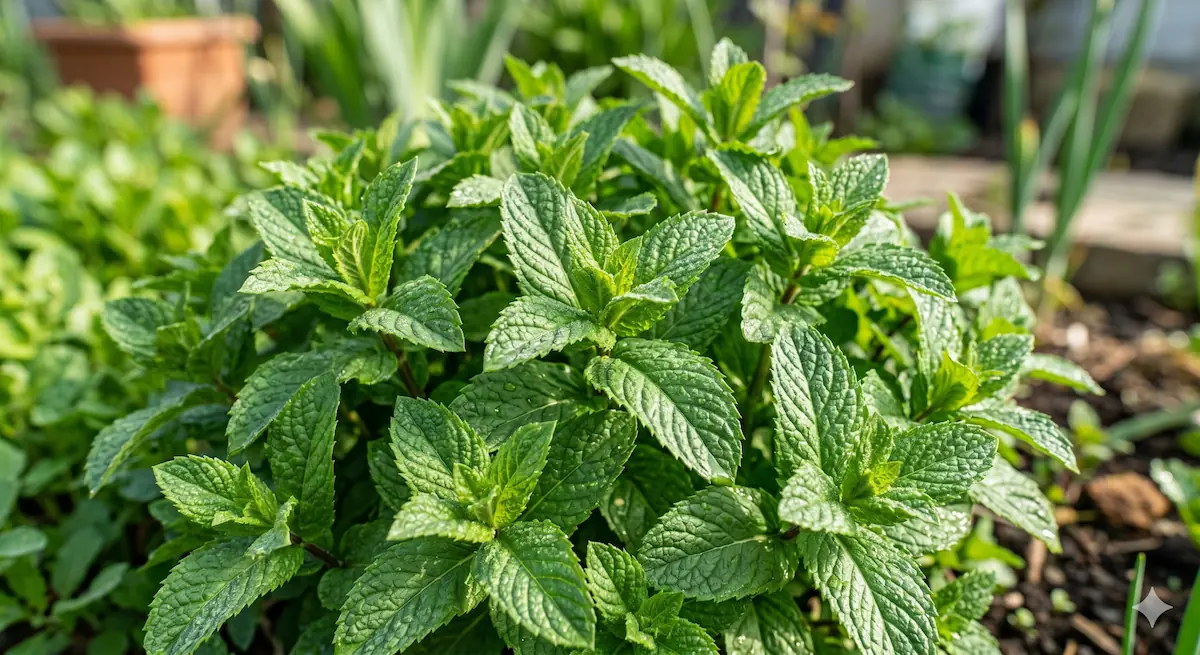
Growing Mint in the Garden: How to Grow Fragrant Greens and Contain the "Invader"
Mint growing secrets from AgroPlanner. Learn why it’s better to plant mint in a confined space, how to ensure a rich aroma, and how to correctly harvest for tea and drinks.
Read more →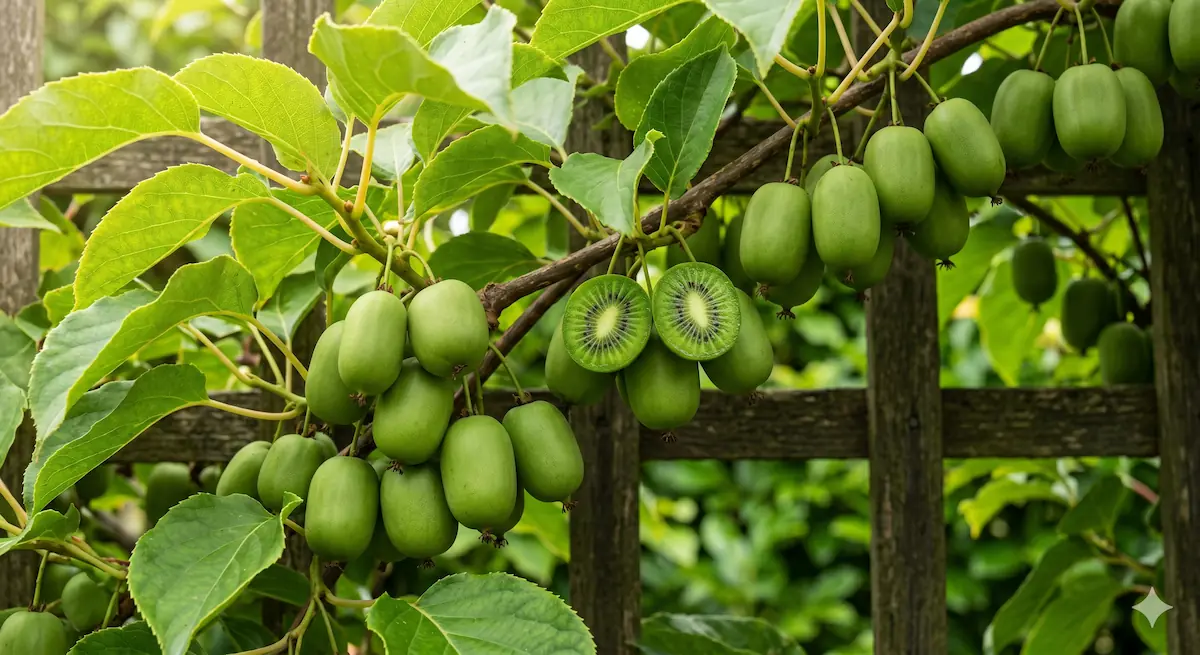
Actinidia "Issai": The Mini-Kiwi You Don't Have to Peel
Actinidia is a vine with fruits that taste like premium kiwi with notes of pineapple. Learn what soil it prefers, why cats love it, and how to harvest buckets of berries from one bush.
Read more →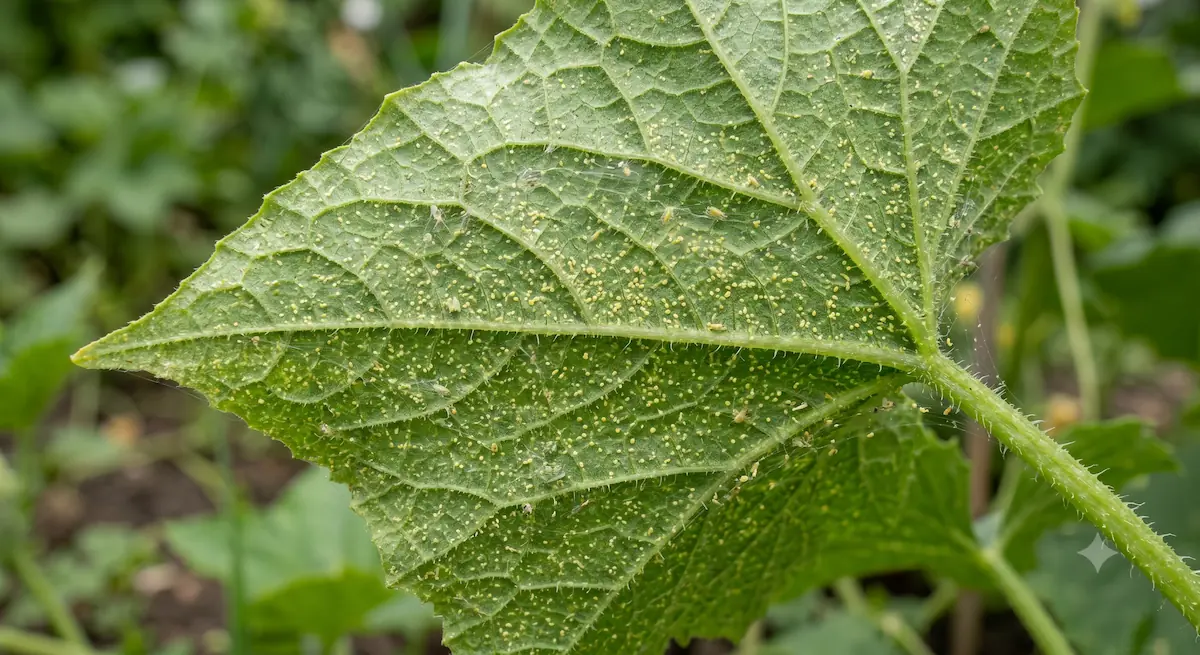
Spider Mites on Cucumbers and Peppers: How to Destroy the Pest in Summer
Dry summer heatwaves are ideal for spider mite reproduction. Learn the signs of patch infestation and the best natural and organic treatment methods.
Read more →