
Strawberry Post-Harvest Care: Laying the Foundation for Next Year
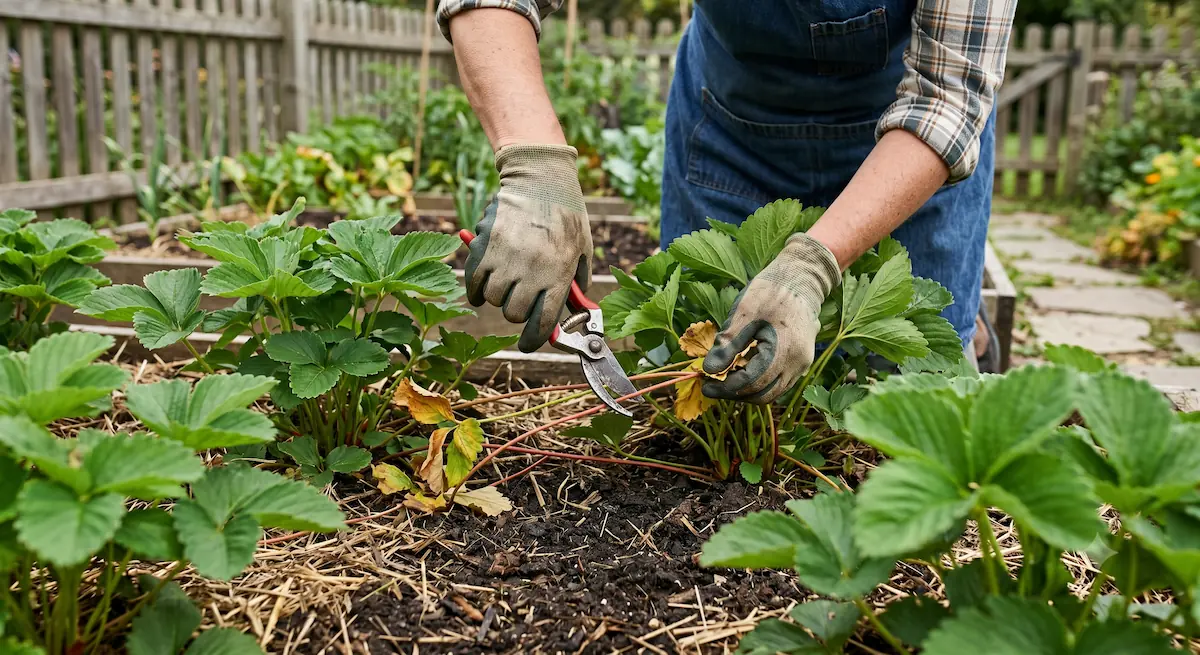
The berries are gone, but care continues. Step-by-step instructions on leaf pruning, runner removal, and summer feeding of strawberry beds.
In July, the fruiting season of garden strawberries comes to an end. Many inexperienced gardeners make a fatal mistake: they harvest the last berries and simply forget about the plantation until next spring. However, it is precisely in July and August that the strawberry bush establishes flower buds — the foundation of your future harvest. Without proper summer care, next year you will only harvest small, sour berries.
1. Leaf Pruning: Pros and Cons
Pruning old leaves after harvest is a mandatory procedure for bushes older than two years. By the end of summer, fungal spores, leaf spots, and pests (such as strawberry mites) accumulate on the foliage. Mow or trim the tops carefully, leaving leaf stalks 3-5 cm high from the ground so as not to damage the "heart" (the central growth bud). We previously covered berry picking secrets in our material on strawberry harvest.
2. Runner Management: Propagation or Cleaning?
Strawberries spend a colossal amount of energy on growing runners. If you do not plan to renew the patch and propagate varieties, all runners must be ruthlessly trimmed with scissors as they appear. Leaving the rosettes weakens the mother bush, depriving it of essential nutrients.
3. Table of Step-by-Step Strawberry Patch Renovation in Summer (Good)
| Care Stage | What Exactly Needs to Be Done? | Result for the Plant |
|---|---|---|
| Sanitary Pruning | Trim away all old, reddened, and spotted leaves, as well as all extra runners. | Rejuvenation of the bush and total destruction of overwintering pests. |
| Weeding and Loosening | Clear row spaces of weeds and carefully loosen the soil to a depth of 3-5 cm. | Improves oxygen access to the shallow root system. |
| Hilling Bushes | Add fresh fertile soil around the base of the bush without burying the "heart". | Stimulates the growth of new adventitious roots that feed the bush. |
| Summer Feeding | Apply phosphorus-potassium fertilizers with low nitrogen content (or wood ash). | Provides the bush with energy to establish a large number of flower buds. |
4. Dangerous Summer Mistakes (Bad mistakes)
- Late leaf pruning in September: If you prune leaves too late, the bush won't have time to grow new green mass before the cold weather sets in and will simply freeze in winter. The procedure must be completed before the first half of August.
- Complete refusal of watering: Strawberries continue to demand water after harvest. During severe summer droughts, roots dry up, and next year's buds will fail to form properly.
AgroPlanner Tip: Combine summer strawberry renovation with proper crop rotation. Bush beans planted nearby will excellently saturate the ground with nitrogen; learn about this in our bean companion guide. Layout your beds in our planner tool!
AgroPlanner App
Realize your dream garden: check plant compatibility, sun/shade needs, and save your plan easily.

Disclaimer
Important! All information in this blog is for recommendation purposes only. We are developers and enthusiasts, not certified agronomists. Results may vary based on your region, soil type, and weather. We are not responsible for potential errors or crop failures. Please verify critical advice independently!
Found this helpful? Share with friends!
Read more
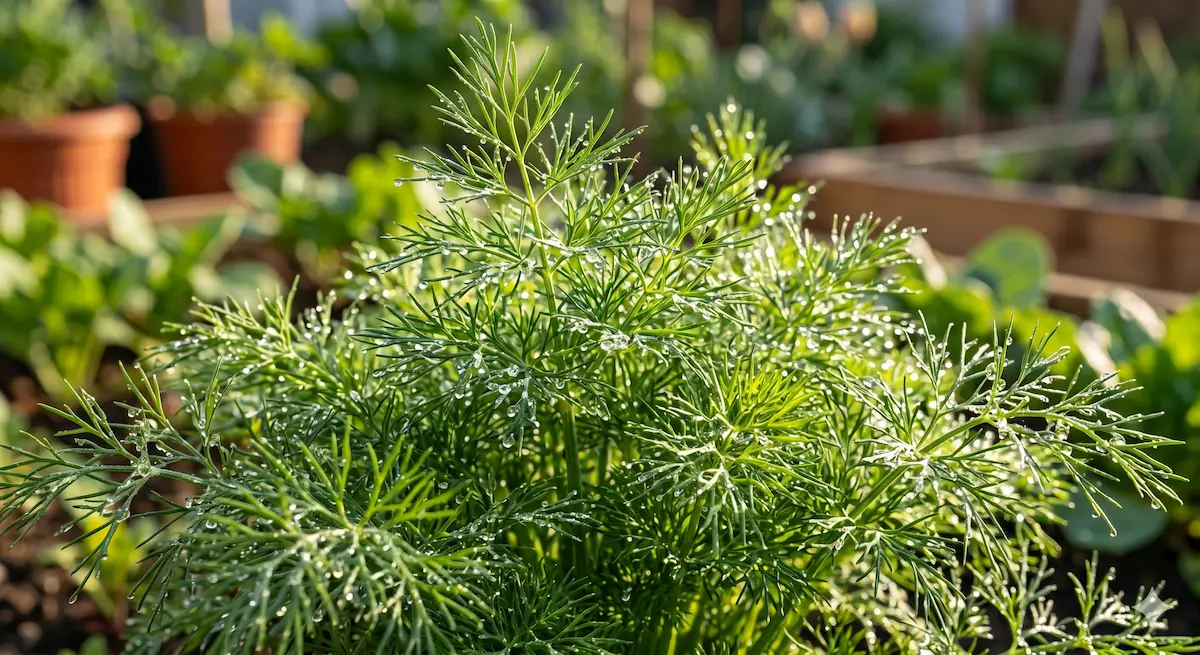
Dill in the Garden: How to Grow Lush Greens Without Reddening or Pests
Dill growing secrets from AgroPlanner. Learn why dill doesn't sprout, how to fight aphids without chemicals, and tips for correct sowing.
Read more →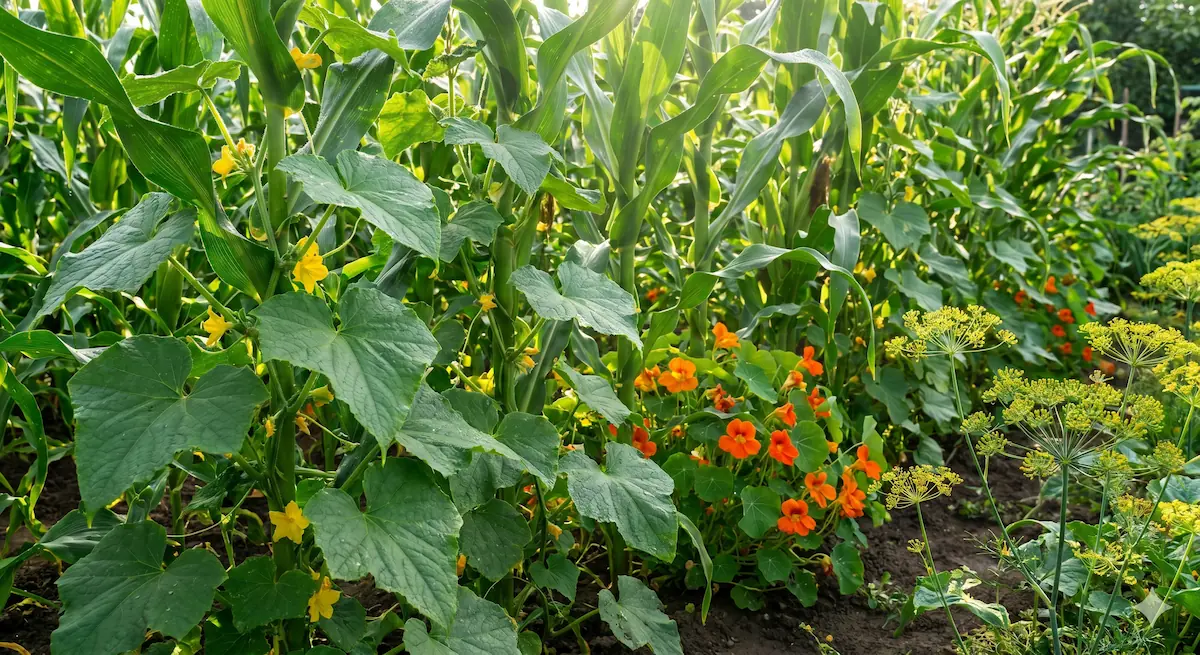
Cucumber Companions: Double Your Yield with Proper Planning
Cucumbers love company, but not just any. Find out who helps cucumbers climb up and who "steals" all the water in the garden bed.
Read more →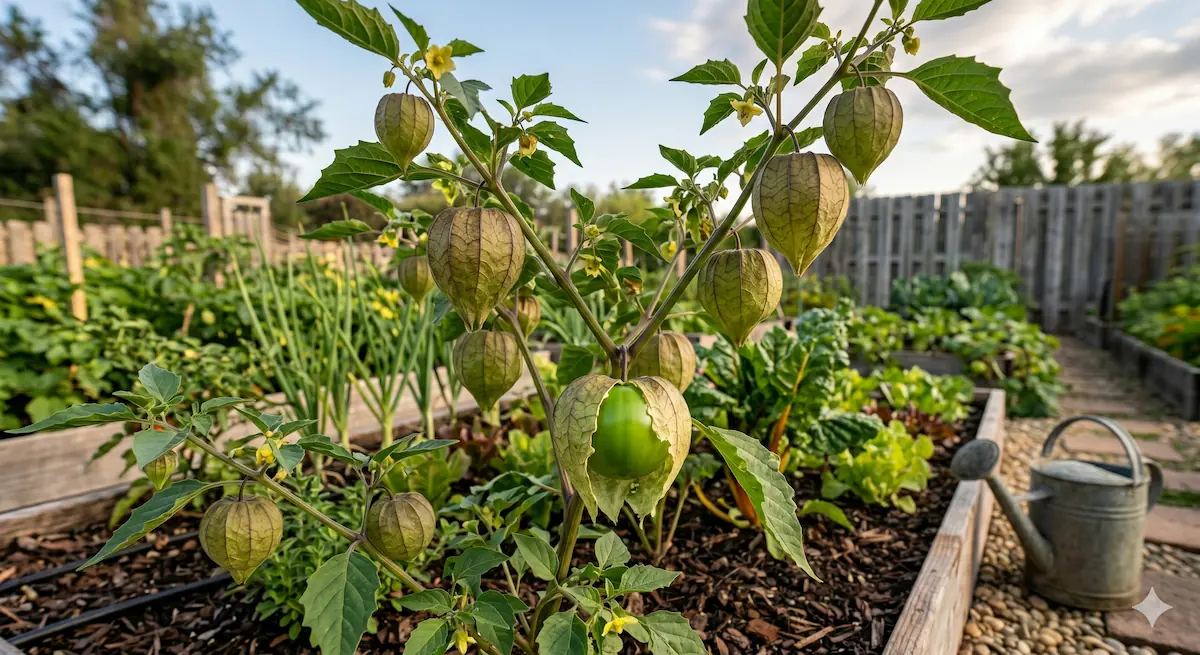
Tomatillo (Vegetable Physalis): Exotic "Lanterns" in Your Garden
Tomatillo is a resilient tomato relative that fruits inside paper husks. Learn why it’s more productive than tomatoes, what soil it needs, and how to tell when it's ripe.
Read more →