
Dill in the Garden: How to Grow Lush Greens Without Reddening or Pests
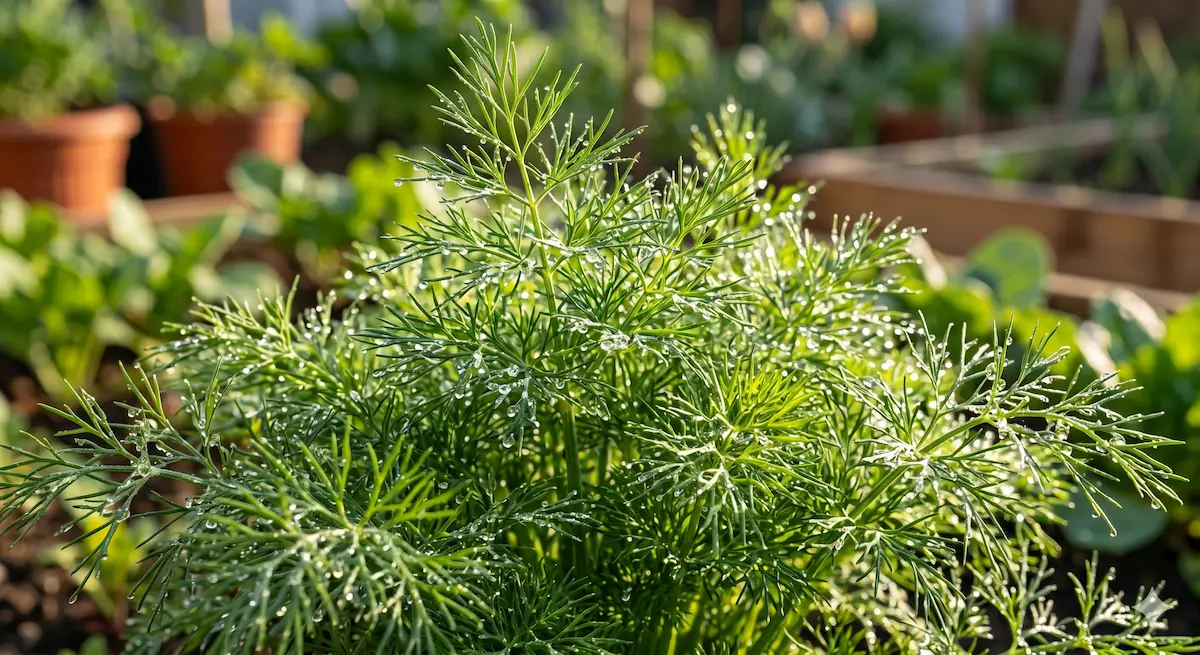
Dill growing secrets from AgroPlanner. Learn why dill doesn't sprout, how to fight aphids without chemicals, and tips for correct sowing.
One would think growing dill is the simplest thing in the world. However, many gardeners find that it either doesn't sprout at all or quickly turns yellow or red. Dill is an indicator of your soil's health, and today we will learn how to understand its needs.
Why Doesn't Dill Sprout or Why Does It Grow Weak?
Like parsley, dill seeds are high in essential oils that delay germination. But there are several other important factors:
- Soil Acidity: Dill cannot stand acidic soils. If the soil is too acidic, the leaves take on a reddish tint and growth slows down. Add a bit of wood ash before sowing to balance the acidity.
- Light is Everything: In the shade, dill stretches out, becomes pale, and loses its unique aroma. Choose the warmest and sunniest spots.
Protecting Against Aphids Without Chemicals
Aphids are the main enemy of dill. Since we consume the greens constantly, using chemical insecticides is out of the question. AgroPlanner recommends eco-friendly methods:
- Strong Stream of Water: If there are few pests, they can simply be washed off with water.
- Tobacco Dust or Soap Solution: Spraying with a solution of laundry soap creates a protective film that prevents aphids from feeding.
Dill as the Perfect Neighbor
Dill is one of the best companions in the garden. Its scent attracts beneficial pollinating insects. In our AgroPlanner, we advise planting dill next to cucumbers and cabbage. It doesn't just help cucumbers grow better; it also improves their flavor.
To have fresh dill until October, sow it in small portions every 15-20 days. This way, you will always have young and juicy greens on your table!
AgroPlanner App
Realize your dream garden: check plant compatibility, sun/shade needs, and save your plan easily.

Disclaimer
Important! All information in this blog is for recommendation purposes only. We are developers and enthusiasts, not certified agronomists. Results may vary based on your region, soil type, and weather. We are not responsible for potential errors or crop failures. Please verify critical advice independently!
Found this helpful? Share with friends!
Read more
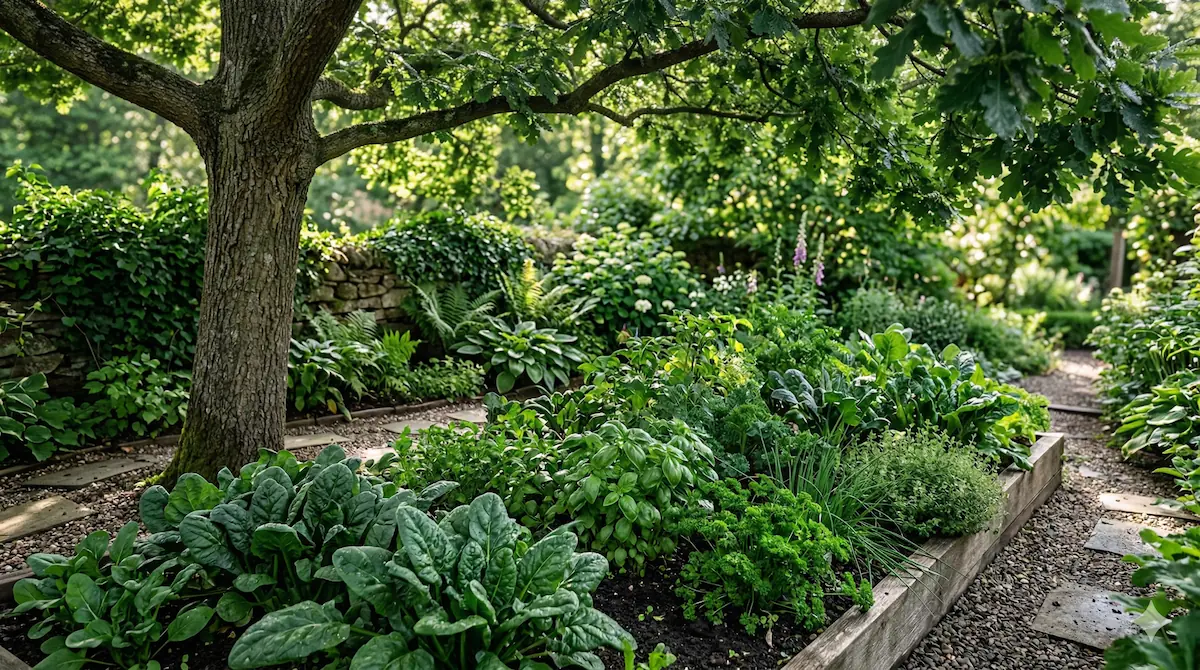
What to Plant in the Shade: Top Plants for Low Light
Shade from a fence or a tree isn't a dead end. Discover crops that thrive without direct sunlight.
Read more →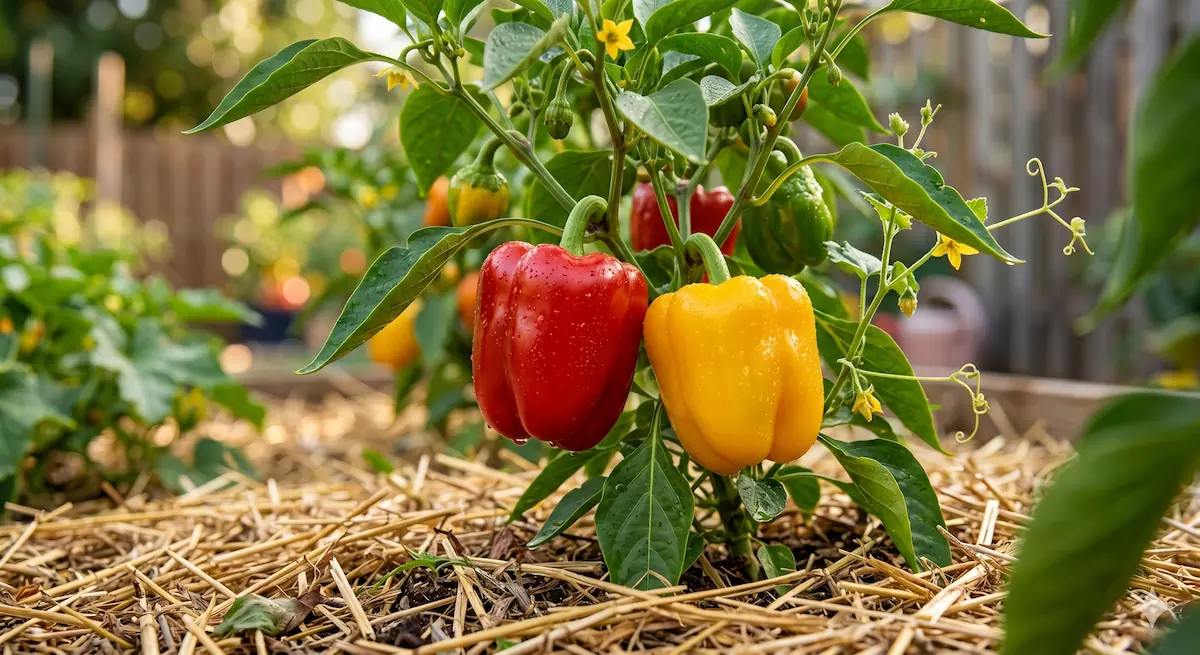
Sweet Pepper: How to Grow Juicy Fruits and Avoid Mistakes
A complete guide to growing sweet peppers: from temperature requirements to watering secrets. Learn how to protect peppers from sunscald and choose the best neighbors.
Read more →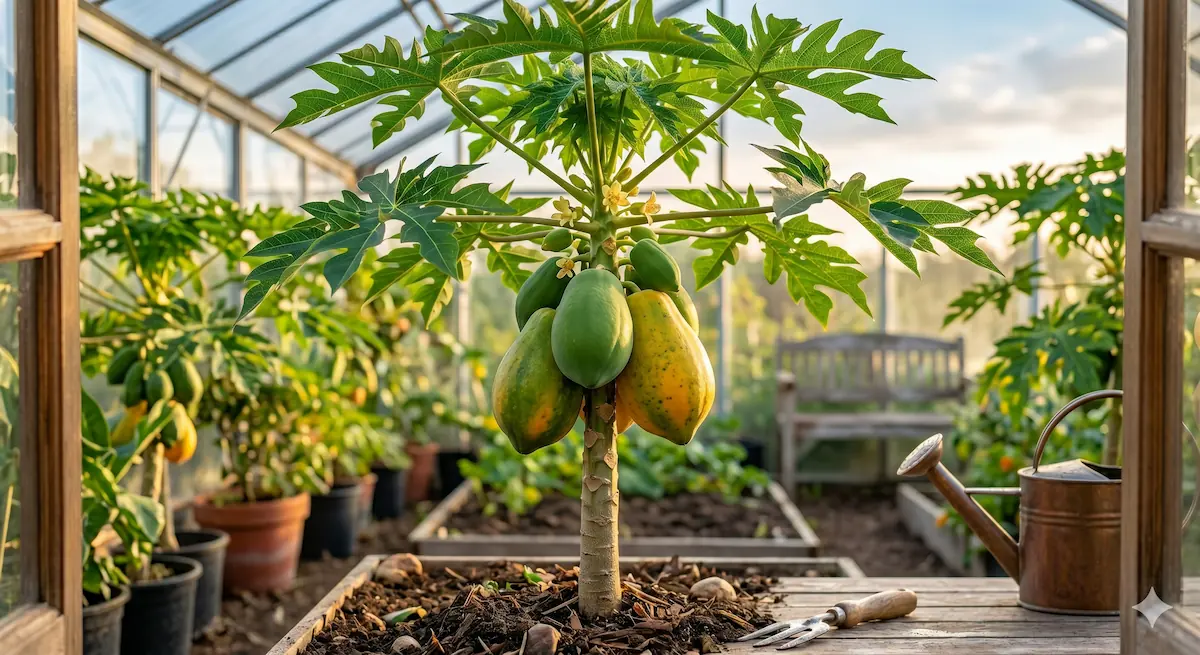
Papaya: The Melon Tree in Your Home
Papaya is a lightning-fast exotic plant. Learn which soil helps it grow in mere months, why it fears the cold, and how to plan its spot in a conservatory or a large pot.
Read more →