
When to Harvest and How to Properly Cure Garlic and Onions in Summer
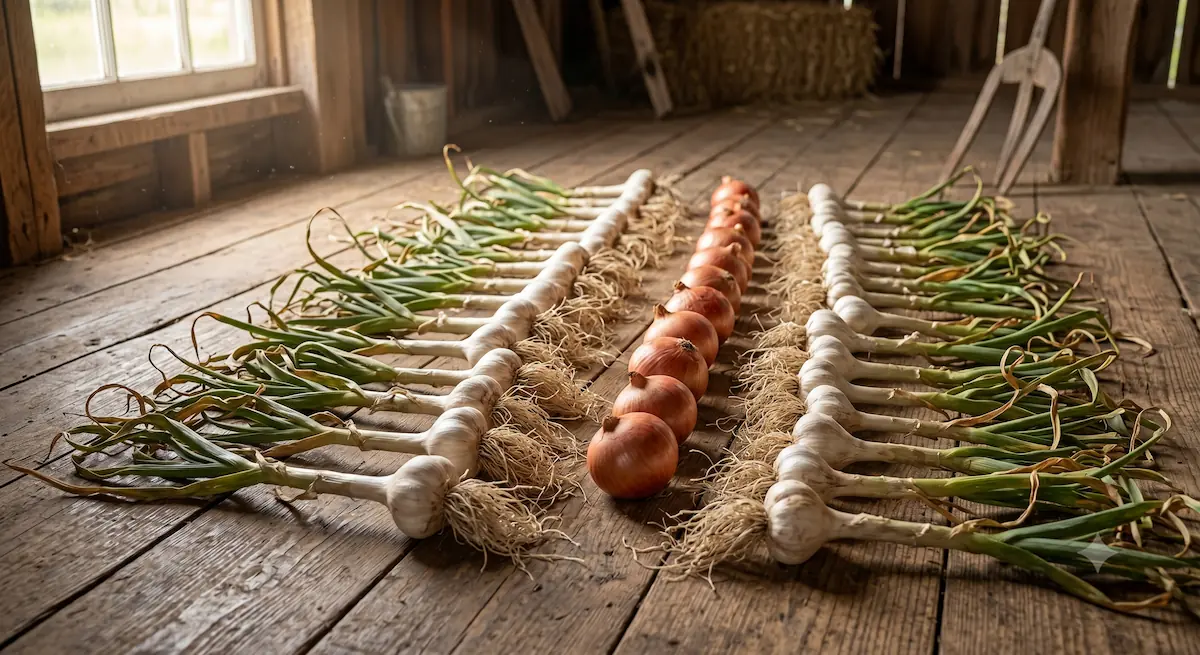
If you harvest garlic or onions too late, they won't store well through winter. Discover signs of ripeness and proper drying secrets.
Harvesting winter garlic and onions is the main mid-summer event for every gardener. However, it is not enough to just grow large heads; they must be dug up on time and properly prepared for long-term winter storage. If you rush or delay by just a single week, the protective scales will split, moisture will get inside, and your entire summer harvest will rot long before winter sets in.
1. Core Signs of Garlic and Onion Ripeness
For winter garlic, the left-behind seed scapes serve as the best indicator. When the protective skin on the seed pod splits open and the first tiny bulbils appear while lower leaves yellow, it is time to dig (usually mid-to-late July). For onions, the main signal is the "lodging" of the tops. When over 60-70% of the stems fall to the ground and the neck dries, you cannot delay any further.
2. Proper Digging Technology
Never pull onions or garlic out of the soil directly by hand — doing so damages the basal plate, causing rapid rot. Carefully loosen the ground underneath them using a spade or garden fork. Harvest your crops strictly during dry, sunny weather waves. After clearing the bed, always sow green manure to keep soil rich, as detailed in our phacelia growing guide.
3. Table of Correct Drying and Preparation Stages (Good)
| Processing Stage | What Exactly Needs to Be Done? | Why Is It Vital for Storage? |
|---|---|---|
| Initial Drying | Lay the harvested crops out directly on the bed under the sun for 4-5 hours (avoid extreme heatwaves). | Ultraviolet rays naturally disinfect the heads from surface bacteria. |
| Main Curing | Move the crop to a dry, well-ventilated space (attic, porch) for 2-3 weeks along with the foliage attached. | All nutrients from the stems migrate into the bulb, making it solid and firm. |
| Trimming | Once fully dried, trim roots down to 1 cm and leave a stem collar length of 4-5 cm. | Protects the bulb from pest penetrations through a completely dry neck. |
| Sorting | Separate any damaged or soft heads to consume them first. | A single rotting bulb can infect a whole storage crate of healthy produce. |
4. Critical Mistakes That Destoy the Harvest (Bad mistakes)
- Banging soil off against tools: Knocking heads against each other or hard surfaces creates micro-bruises on juicy cloves, quickly turning into wet rot.
- Cutting green foliage immediately after digging: Early trimming opens up a direct path for fungal infections into the raw neck of the bulb.
AgroPlanner Tip: Store your garlic and onions in mesh bags or wooden crates in a dry, cool space at temperatures around +15-18°C. Use our planner to log your exact harvest dates for next season!
AgroPlanner App
Realize your dream garden: check plant compatibility, sun/shade needs, and save your plan easily.

Disclaimer
Important! All information in this blog is for recommendation purposes only. We are developers and enthusiasts, not certified agronomists. Results may vary based on your region, soil type, and weather. We are not responsible for potential errors or crop failures. Please verify critical advice independently!
Found this helpful? Share with friends!
Read more
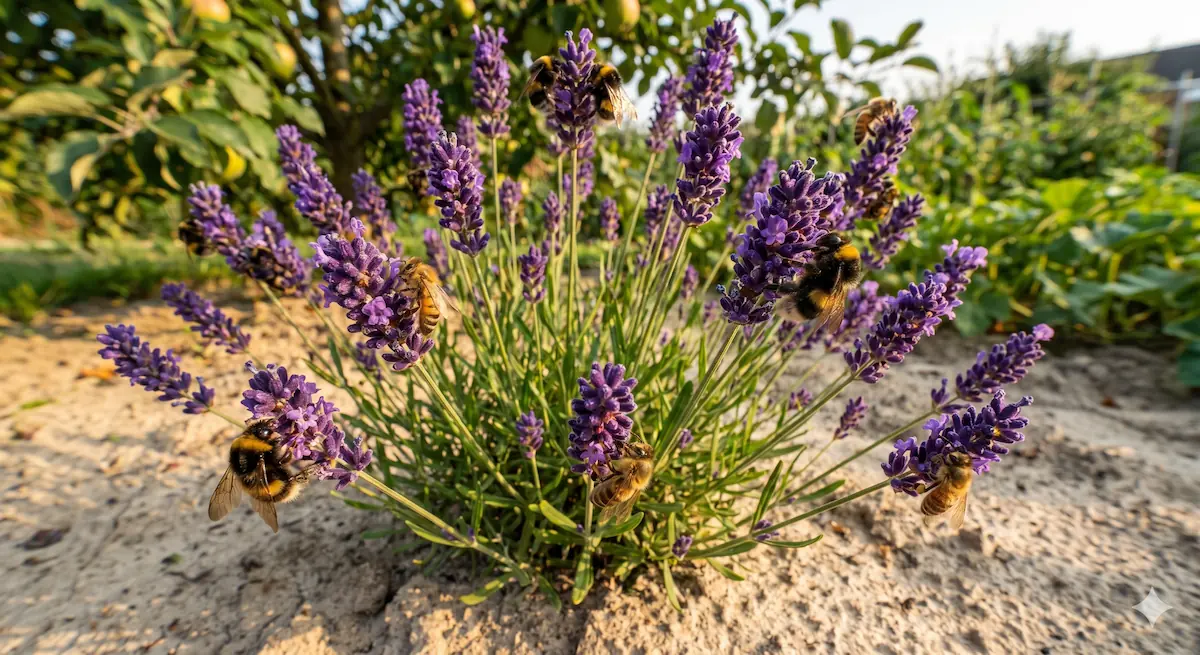
Lavender in the Garden: Growing a Pollinator Magnet and Moth Repellent
Discover why lavender is the perfect companion for fruit trees and cabbage. Tips for growing in sandy soil and using it in our garden planner for a better harvest.
Read more →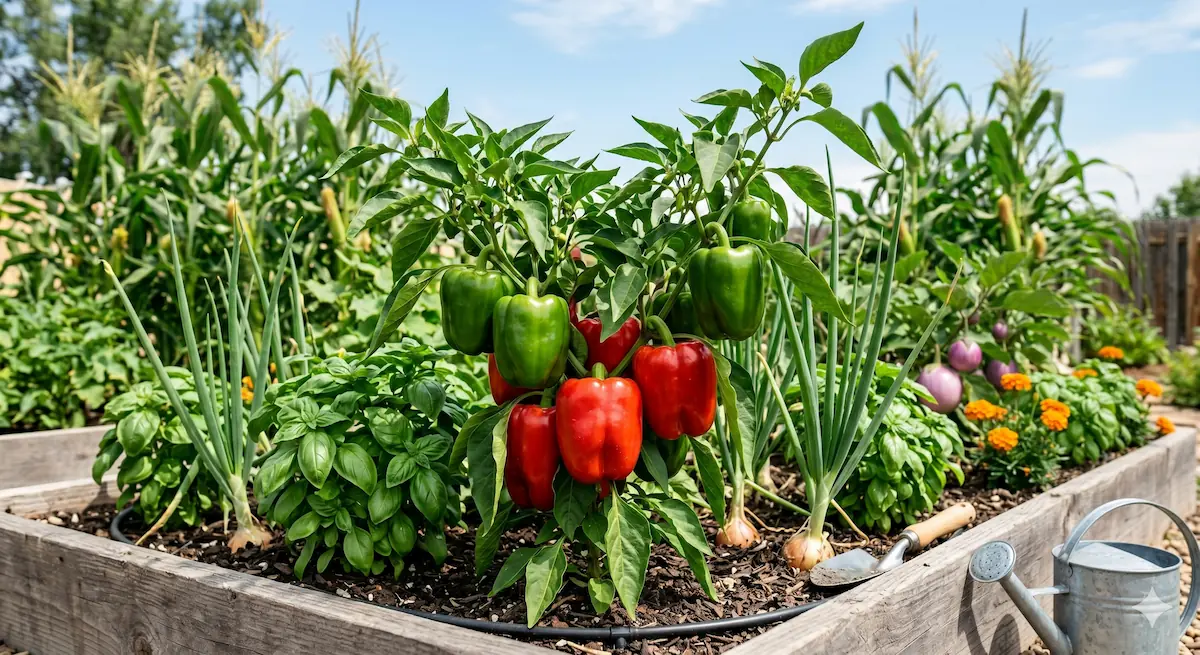
"California Wonder" Bell Pepper: The Sweet Giant in Your Garden
This variety is the gold standard of sweet peppers. Learn about soil requirements, watering secrets, and how to choose the right companions for a healthy crop.
Read more →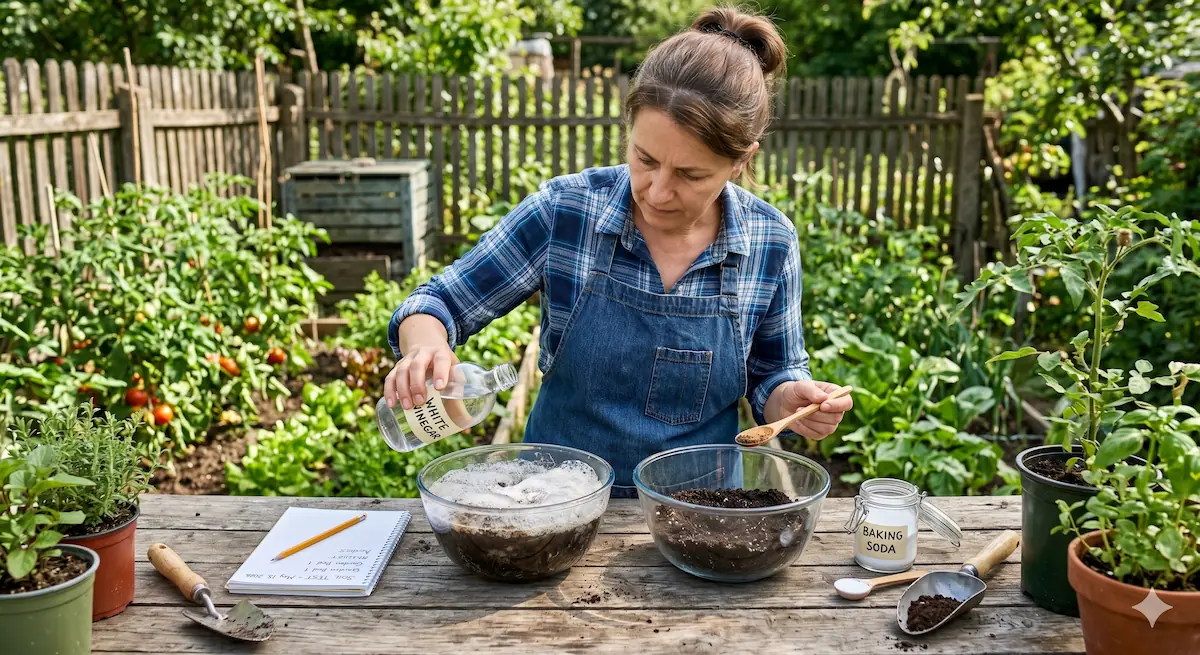
DIY Soil pH Test: Kitchen Magic for Gardeners
Not sure why your plants aren't growing? It might be the soil acidity. Run a simple 5-minute test using common kitchen items to find out what your soil needs.
Read more →