
Vertical Gardening: How to Grow a Massive Harvest on Just 1 m²
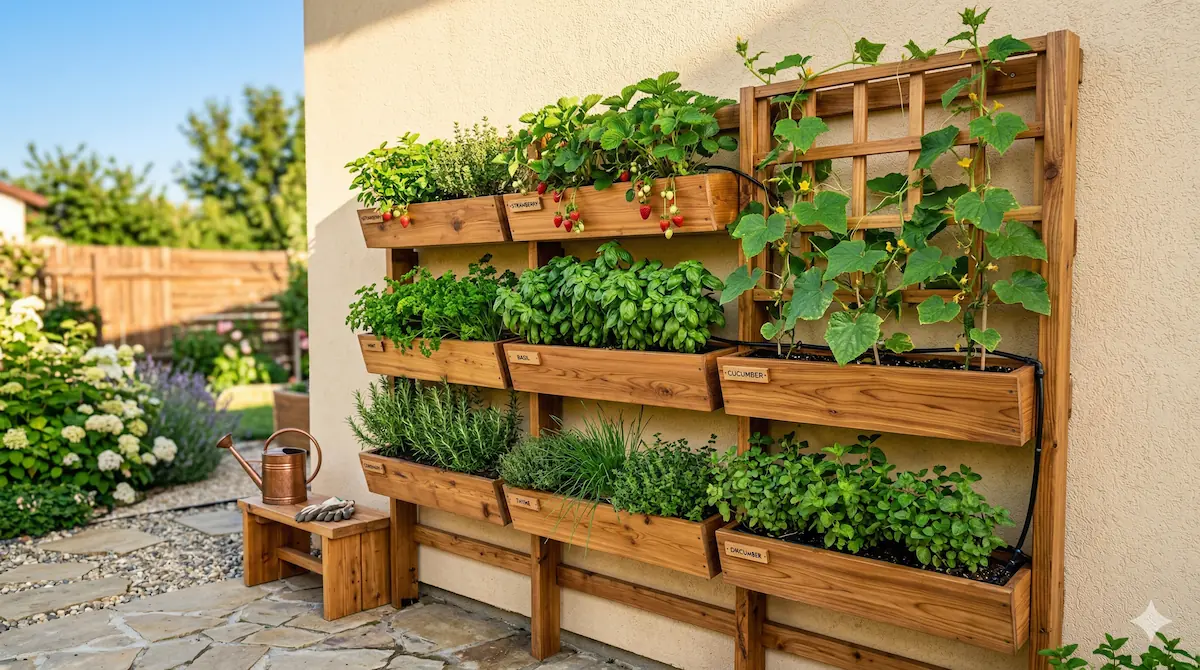
Lack of space is no longer an issue. Learn how to turn walls, fences, and balconies into productive garden beds.
Have you ever wondered how much space in your garden is going to waste? Most gardeners are used to thinking horizontally, but the future belongs to "the vertical." Vertical gardening isn't just a trend; it's a lifesaver for owners of small plots or balconies.
Why Should You Try Vertical Beds?
- Space Saving: You use the surface area of walls, fences, and special structures, freeing up the ground for other needs.
- Plant Health: Fruits don't touch the ground, meaning they rot less and don't become prey for slugs or soil-borne fungal infections.
- Convenience: You don't have to bend down to the ground for maintenance or harvesting. Your back will thank you.
Top Crops for Vertical Growing
Not all plants are ready to climb, but these are true professionals:
- Cucumbers and Zucchini: With trellises, they actively climb up, exposing every fruit to maximum sunlight.
- Strawberries: Vertical "pyramids" or hanging planters allow you to pick perfectly clean berries.
- Peas and Beans: Natural "climbers" that only need a thin support or netting.
AgroPlanner Tip: When planning vertical beds, it's crucial to consider shading. A tall wall of plants on the south side can completely "turn off" the sun for neighboring crops. Use our Virtual Garden Bed to visually estimate how the shadow from your structures will fall throughout the day.
A vertical garden requires a bit more attention to watering, as soil in containers or elevated modules dries out faster. However, the opportunity to get a bountiful harvest where there was once just an empty fence is the true magic of modern gardening.
AgroPlanner App
Realize your dream garden: check plant compatibility, sun/shade needs, and save your plan easily.

Disclaimer
Important! All information in this blog is for recommendation purposes only. We are developers and enthusiasts, not certified agronomists. Results may vary based on your region, soil type, and weather. We are not responsible for potential errors or crop failures. Please verify critical advice independently!
Found this helpful? Share with friends!
Read more
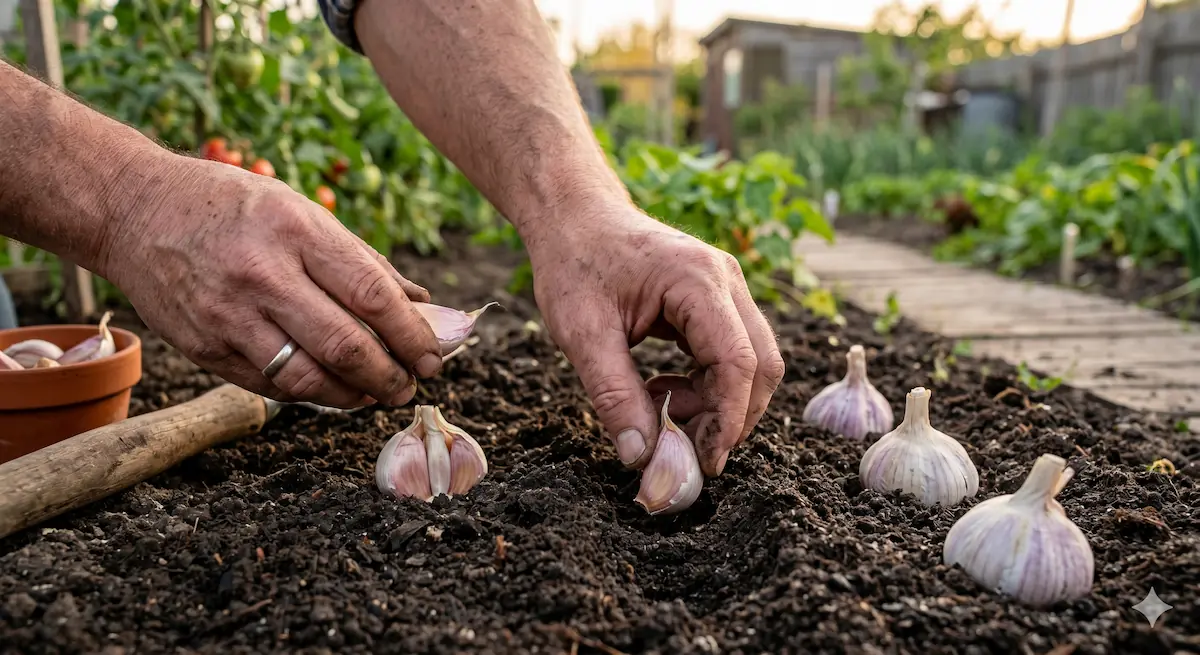
Garlic: Spring vs. Autumn Planting — What's the Difference for the Planner?
Winter or Spring garlic? Let’s find out when to plant, how to choose the best "friends" for it, and why garlic is the main protector of your garden.
Read more →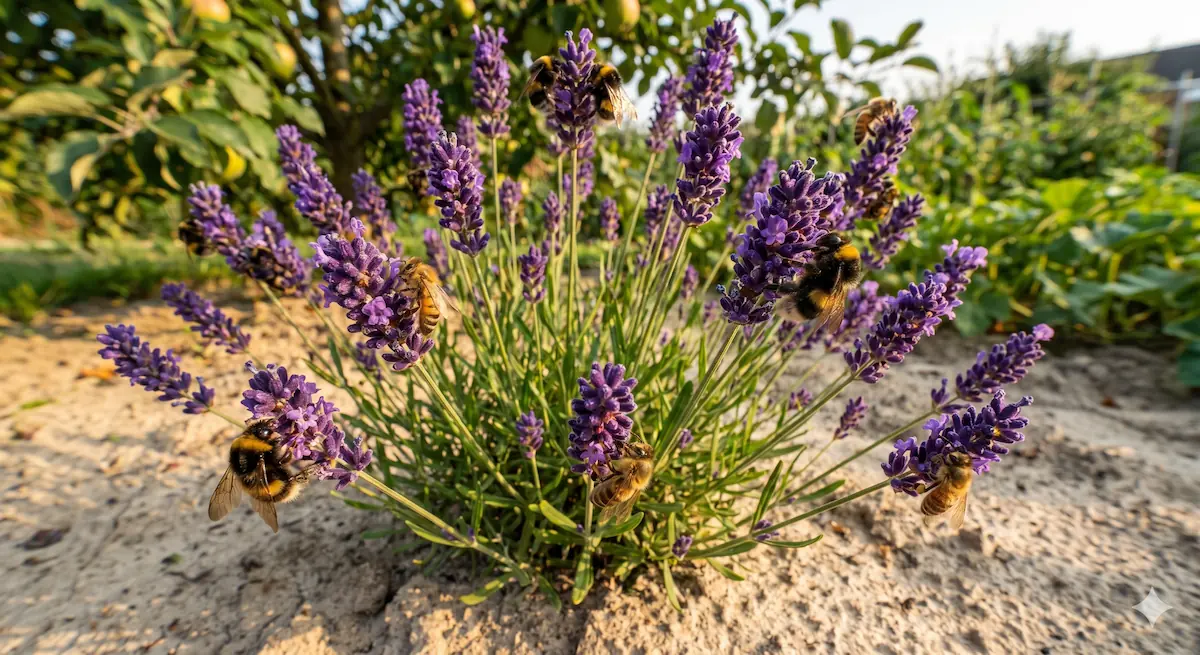
Lavender in the Garden: Growing a Pollinator Magnet and Moth Repellent
Discover why lavender is the perfect companion for fruit trees and cabbage. Tips for growing in sandy soil and using it in our garden planner for a better harvest.
Read more →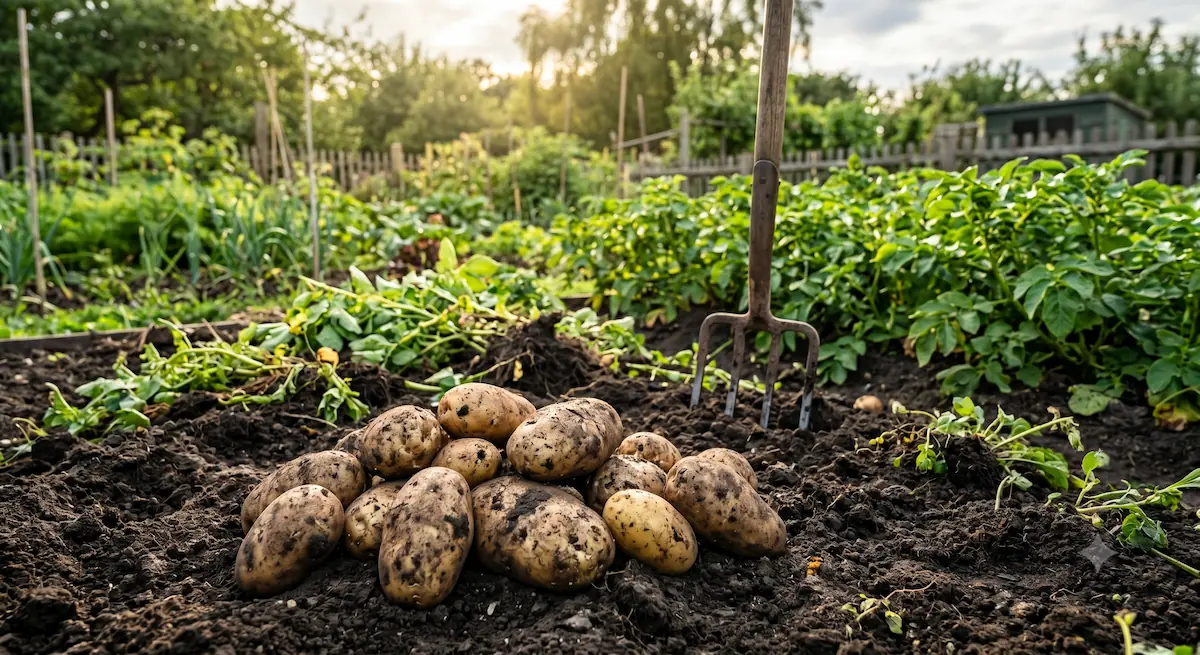
When to Dig Up Potatoes and How to Properly Store Them for Winter
Complete guide to harvesting potatoes. How to determine tuber maturity, why a curing period is mandatory, and cellar preparation secrets.
Read more →