
Lavender in the Garden: Growing a Pollinator Magnet and Moth Repellent
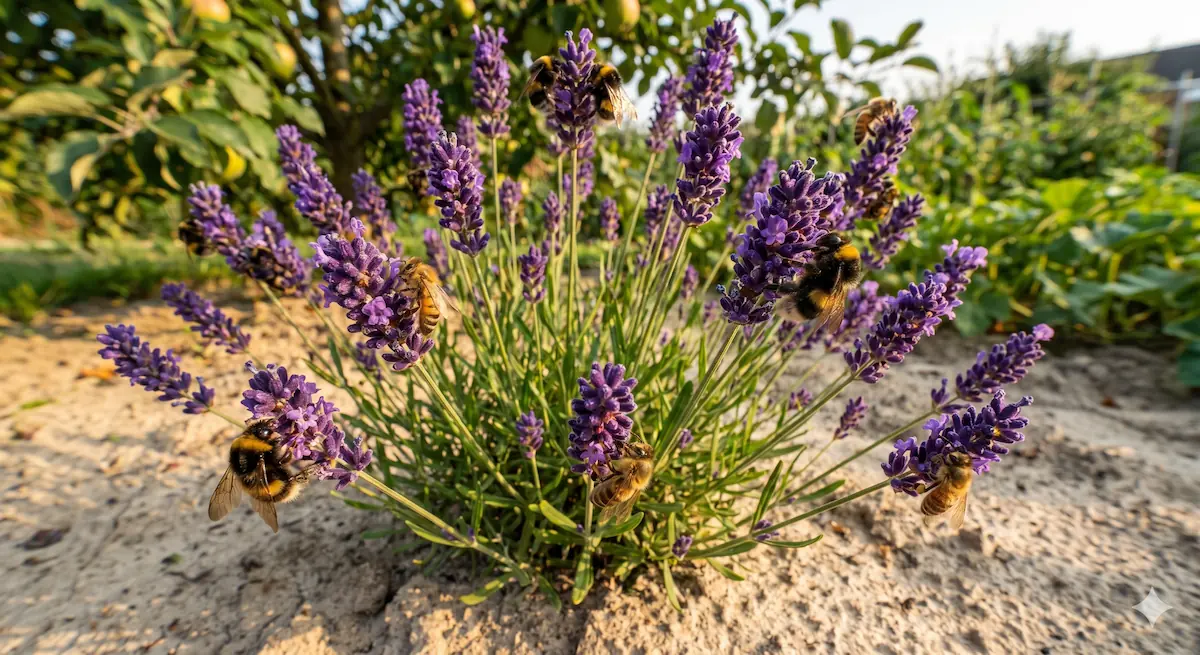
Discover why lavender is the perfect companion for fruit trees and cabbage. Tips for growing in sandy soil and using it in our garden planner for a better harvest.
Lavender is more than just a symbol of Provence and an incredible fragrance. In the vegetable garden, it becomes a true "conductor" of pollination. Its purple flowers attract bees and bumblebees from all around, which is critical for your cucumbers, zucchinis, and fruit trees.
Special Requirements: Sun and Sand
Unlike most vegetables, lavender is a true Spartan. It hates "rich" black soil and stagnant water. For successful growth, it needs:
- Soil: Lavender loves Sandy soil (Type 2). In it, water quickly passes through the roots without causing rot. If you are unsure if your land is suitable, we recommend taking a soil sausage test.
- Light: In our planner, lavender is marked as a crop that requires maximum sun. Any shade will make the bush sparse and the fragrance weak.
- Watering: Minimal. Lavender easily forgives a forgetful gardener but does not tolerate "swamps" under its roots.
Companion Benefits: Lavender as a Protector
Besides attracting bees, lavender has a powerful protective effect:
- For Fruit Trees: Planted in the base of apple or pear trees, it repels codling moths.
- For Cabbage: The strong scent of lavender confuses white butterflies, preventing them from laying eggs on your cabbage or peppers.
- For Roses: This is a classic duo where lavender protects the flowers from aphids.
AgroPlanner Tip: Our analysis system will highlight lavender with a brown Warning Soil status if you try to plant it in an area with clay or peat soil. Use our planner to ensure this beauty is placed exactly in the sandy section of your garden.
AgroPlanner App
Realize your dream garden: check plant compatibility, sun/shade needs, and save your plan easily.

Disclaimer
Important! All information in this blog is for recommendation purposes only. We are developers and enthusiasts, not certified agronomists. Results may vary based on your region, soil type, and weather. We are not responsible for potential errors or crop failures. Please verify critical advice independently!
Found this helpful? Share with friends!
Read more
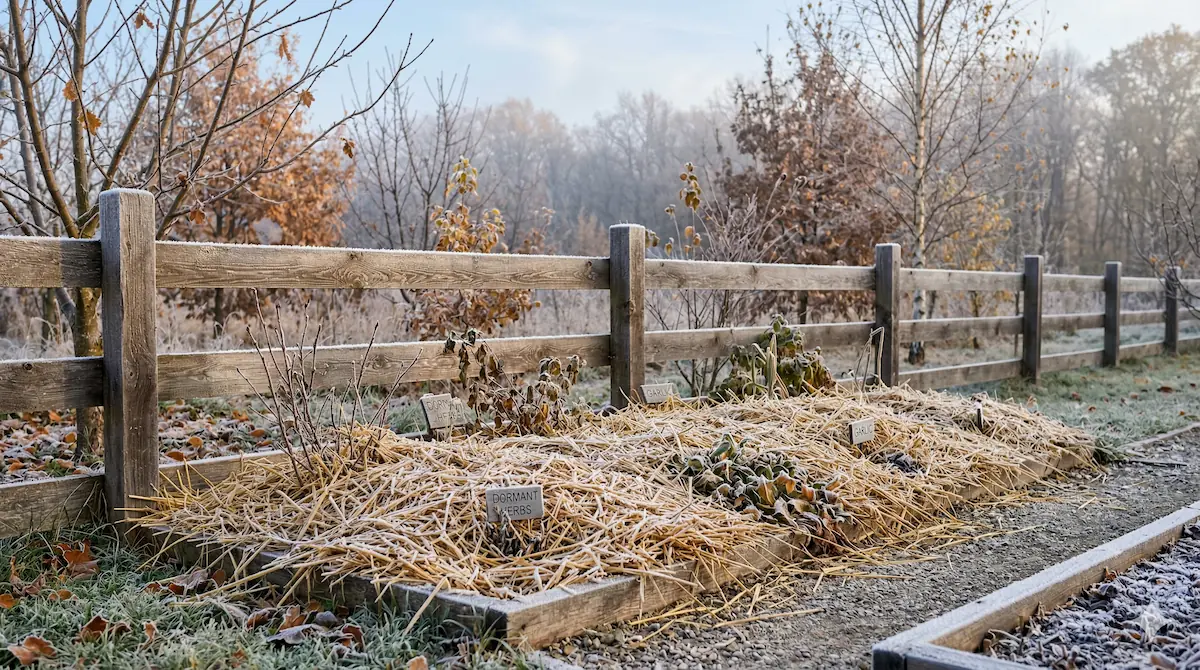
Winter is Coming: How to Properly "Conserve" Your Garden
The season doesn't end when the last vegetable is picked, but when the land is ready for rest. An essential autumn checklist.
Read more →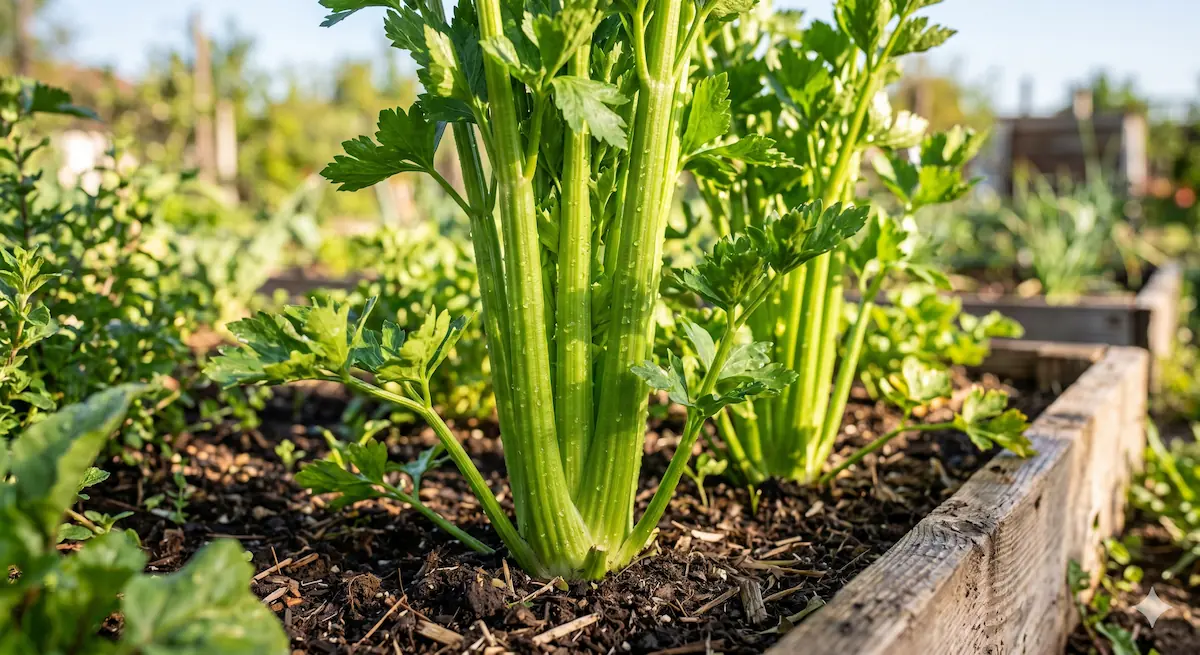
Growing Celery: Secrets to Successful Juicy Stalks and Root Vegetables
Celery care tips from AgroPlanner. Learn how to properly transplant seedlings in May, maintain a watering schedule, and the secrets of blanching stalks for better flavor.
Read more →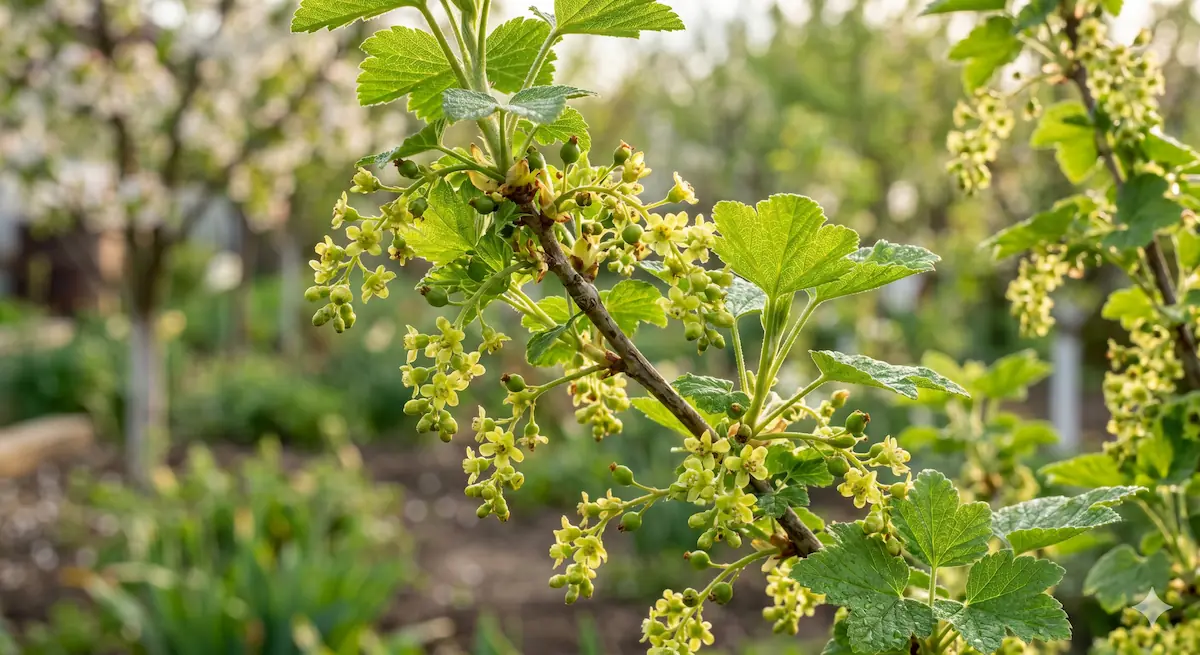
Currants in May: How to Ensure a Rich Berry Harvest
Spring care for black and red currants. AgroPlanner tips on fertilizing, pest protection, and correct watering during blooming.
Read more →