
When to Dig Up Potatoes and How to Properly Store Them for Winter
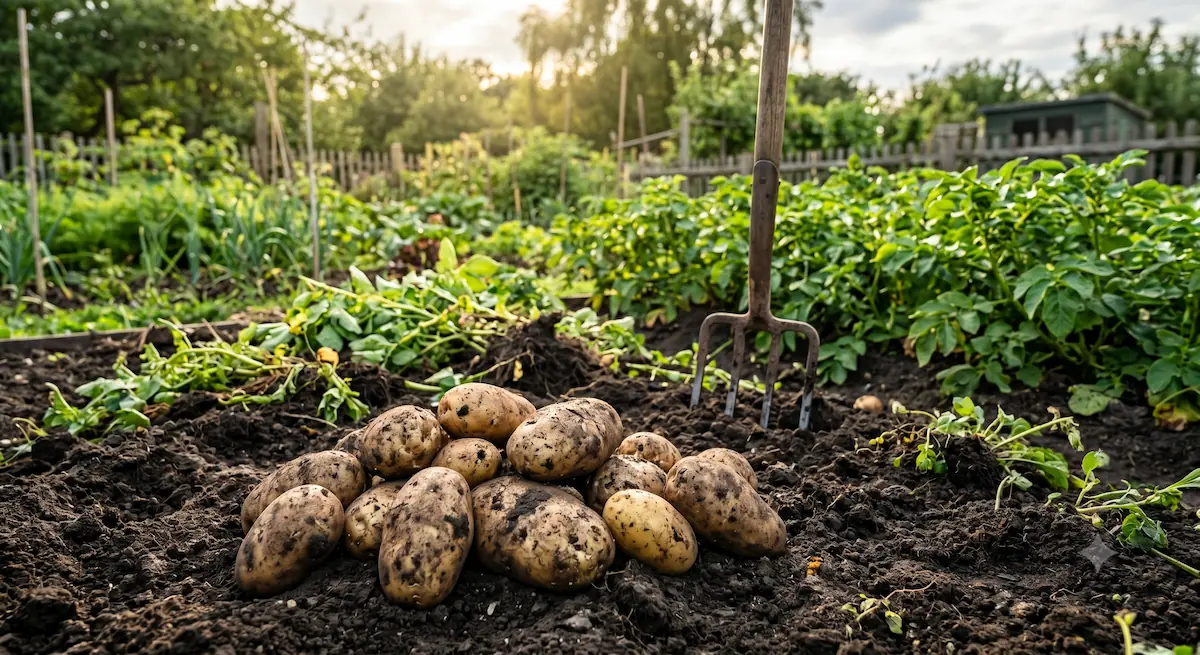
Complete guide to harvesting potatoes. How to determine tuber maturity, why a curing period is mandatory, and cellar preparation secrets.
Digging up potatoes is one of the largest stages of August and September garden works. To ensure the entire season's labor isn't wasted, it is vital to not just extract tubers from the soil, but to properly prepare them for long-term winter storage. Potatoes harvested at the wrong time or placed in a cellar damp will quickly catch rot and turn into an unpalatable mass by December.
1. How to Accurately Determine It's Time to Dig Potatoes?
The main visual indicator is the complete drying and dying off of the vine tops (they should turn dry and brown). If the foliage is still green, harvesting potatoes for long-term storage is a mistake: the skin is still too tender and peels easily at the slightest touch, opening a path for bacteria. Before harvesting, it's useful to recall the crop rotation rules outlined in our guide on green manures after potatoes.
2. What is the "Curing Period" and Why Is It Mandatory?
Never pack potatoes into bags or cellars immediately after digging. Tubers vitally require a so-called curing period. Spread the potatoes in a thin layer in a dry, dark, and well-ventilated space (like a porch or garage) for 2 weeks. During this window, all accidental scratches and shovel cuts will heal with a tough dry skin, and hidden diseased tubers will manifest with rot, making them easy to sort out.
3. Table of Step-by-Step Winter Potato Harvesting (Good)
| Work Stage | What Exactly to Do in Practice? | What is the Benefit for the Crop? |
|---|---|---|
| Mowing Tops | 7-10 days prior to digging, mow dry vine tops 10 cm above the ground level. | The skin on underground tubers thickens immediately, becoming resistant to damage. |
| Digging | Loosen bushes with a fork in dry sunny weather waves. Leave tubers on the sun for 2-3 hours. | Soil shakes off easily, and ultraviolet rays destroy surface fungal spores. |
| Curing Stage | Keep the harvest in the dark at temperatures around +15-18°C for 14 days consecutively. | Healing of micro-skin damages and complete drying of the tubers. |
| Sorting | Separate the harvest into seed potatoes, large table potatoes, and damaged tubers. | Prevents the spread of rot during winter storage inside crates. |
4. Major Errors That Ruin Potatoes in a Cellar (Bad mistakes)
- Storing under light exposure: If you keep dug potatoes in the sun or inside a bright room longer than a few days, a toxic element called solanine builds up. Tubers turn green and become unsafe for culinary consumption.
- Washing potatoes before storage: Washing large volumes of potatoes intended for winter cellar storage is strictly discouraged. Drying them to an ideal state at home is difficult, which triggers fusarium outbreaks. Read about clearing the patch from pests in our beetle control guide.
AgroPlanner Tip: The ideal environment for storing potatoes is a dark room with temperatures at +2-4°C and humidity at 80-85%. If temperatures drop below 0°C, starch converts to sugar, making potatoes sweet and unpalatable. Plan your works with our tool!
AgroPlanner App
Realize your dream garden: check plant compatibility, sun/shade needs, and save your plan easily.

Disclaimer
Important! All information in this blog is for recommendation purposes only. We are developers and enthusiasts, not certified agronomists. Results may vary based on your region, soil type, and weather. We are not responsible for potential errors or crop failures. Please verify critical advice independently!
Found this helpful? Share with friends!
Read more
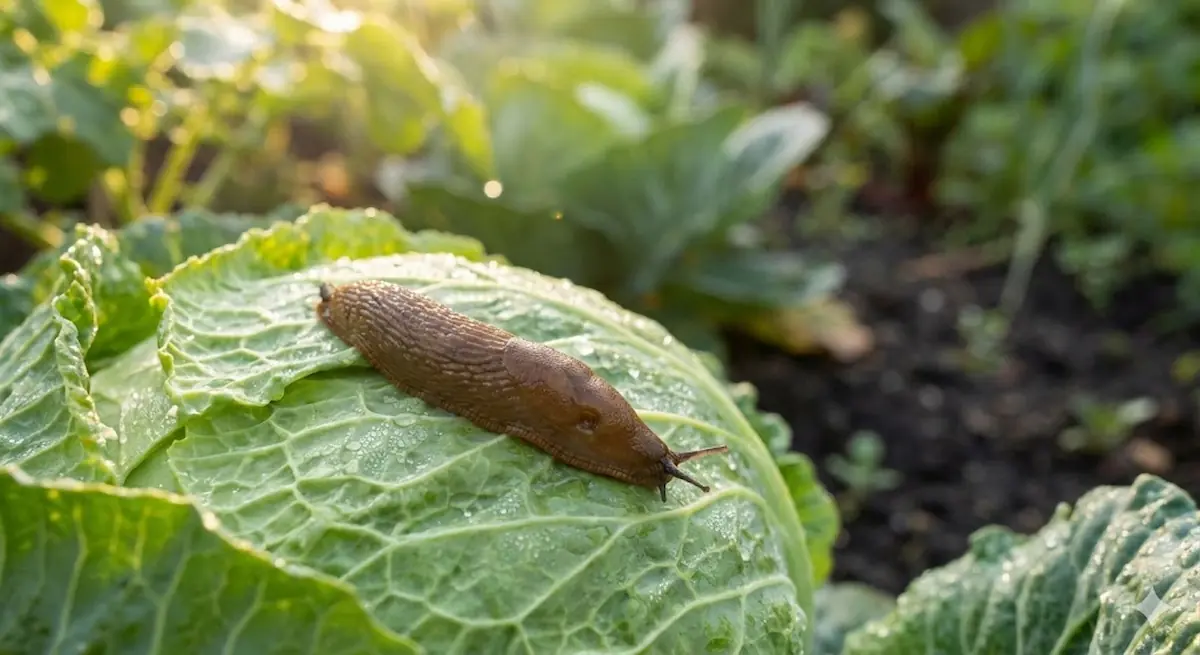
The Battle for Cabbage: How to Protect Your Harvest from Slugs and Aphids Naturally
Organic and effective methods to fight cabbage's main enemies. Learn how to save your harvest from slugs and aphids using homemade remedies and smart companion planting.
Read more →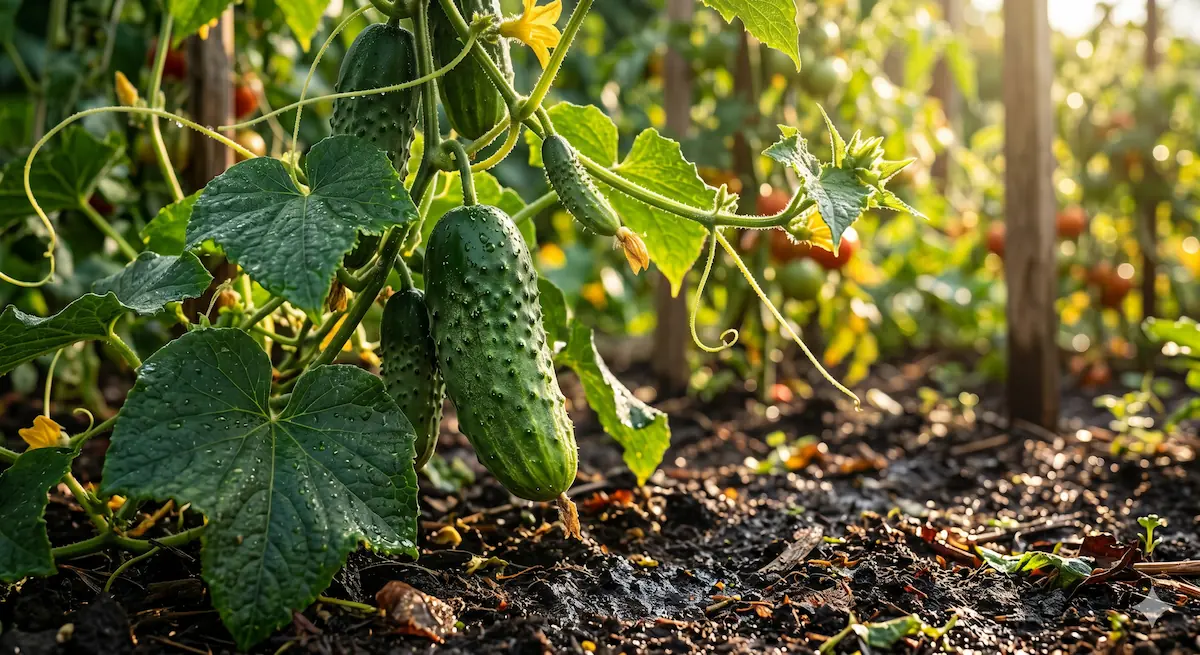
Bitter-free cucumbers: how to grow and water your harvest correctly
Tips for growing cucumbers without bitterness. Learn about proper watering, temperature control, and plant companion secrets for a crunchy harvest.
Read more →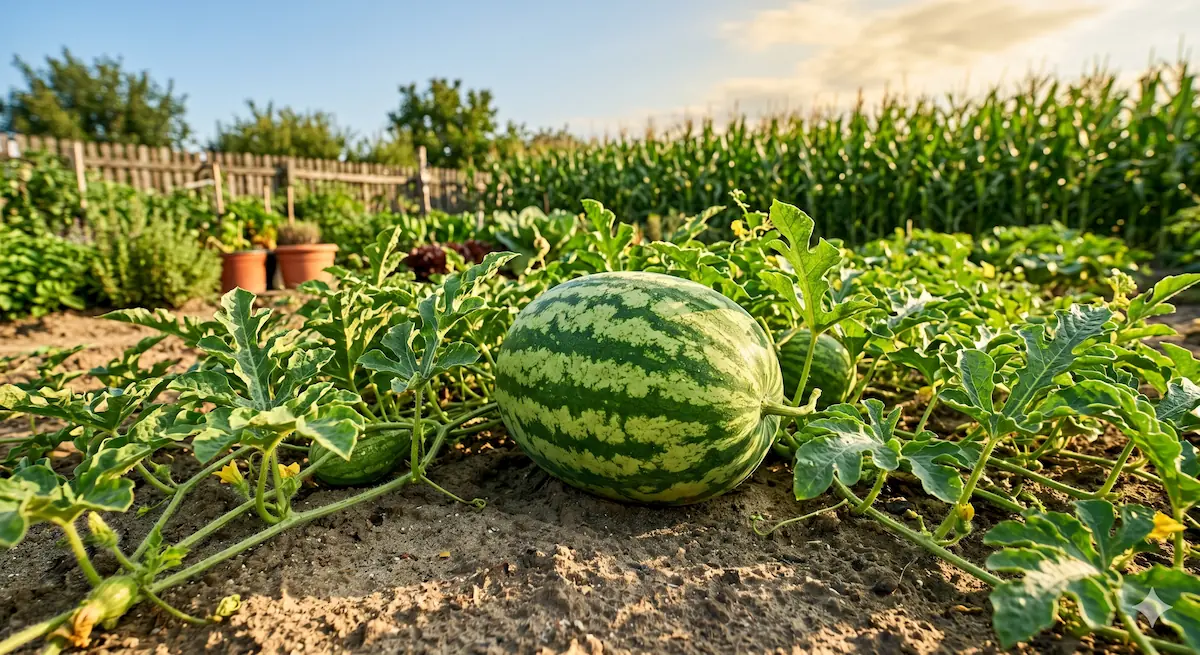
Watermelon: How to Grow Sweet Fruit Even in Poor Soil
Secrets to growing sweet watermelons: why sandy soil matters, how to choose the right neighbors, and when to limit watering for maximum sweetness.
Read more →