
Walnut Tree in the Garden: Master of the Plot or Dangerous Neighbor?
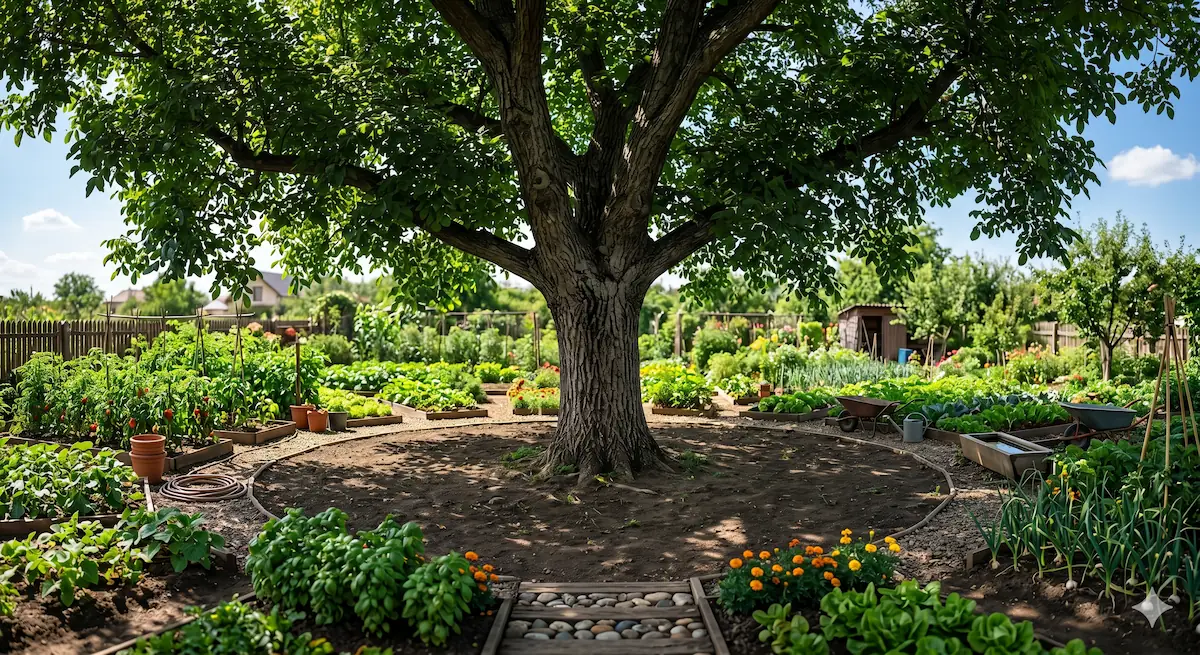
Walnut trees release juglone, which can inhibit neighboring plants. Learn about the walnut's danger radius and the list of resistant crops that can grow nearby.
The walnut tree is a giant that provides shade in the heat and nutritious nuts for decades. However, every gardener has noticed: often, even grass won't grow under an adult walnut tree. The reason isn't just the dense shade, but a powerful natural herbicide called juglone, which the tree releases into the soil.
The Influence Zone and "Toxic Radius"
The walnut tree protects its territory by suppressing competitors. Its roots and leaves release toxins that are deadly to many vegetables. In our planner, the walnut tree has the largest influence zone—up to 8 meters. If you try to place a sensitive crop (like tomatoes or potatoes) nearby, the system will highlight the area in red, warning of an inevitable conflict.
Who Can Survive Under a Walnut Tree?
Despite the walnut's aggressiveness, some plants have a natural immunity to its toxins. In AgroPlanner, we take this into account: resistant crops will not be flagged as conflicts. These "survivors" include raspberries, currants, garlic, and sweet potatoes. They are ideal candidates for filling the space around the master of the garden.
Soil Requirements
A walnut tree requires deep, fertile soil to support its massive canopy. It performs best on Loams (Type 1). Since the tree consumes a vast amount of water, the soil within its radius often dries out. Check your soil type to understand if your tree has enough resources to thrive.
AgroPlanner Tip: If you're just planning to plant a walnut tree, try to place it on the northern boundary of your plot. This minimizes shading of the entire garden and limits root spread into your main vegetable beds. Use the visual zones in our app to see how the tree will affect your garden in 10-20 years.
AgroPlanner App
Realize your dream garden: check plant compatibility, sun/shade needs, and save your plan easily.

Disclaimer
Important! All information in this blog is for recommendation purposes only. We are developers and enthusiasts, not certified agronomists. Results may vary based on your region, soil type, and weather. We are not responsible for potential errors or crop failures. Please verify critical advice independently!
Found this helpful? Share with friends!
Read more
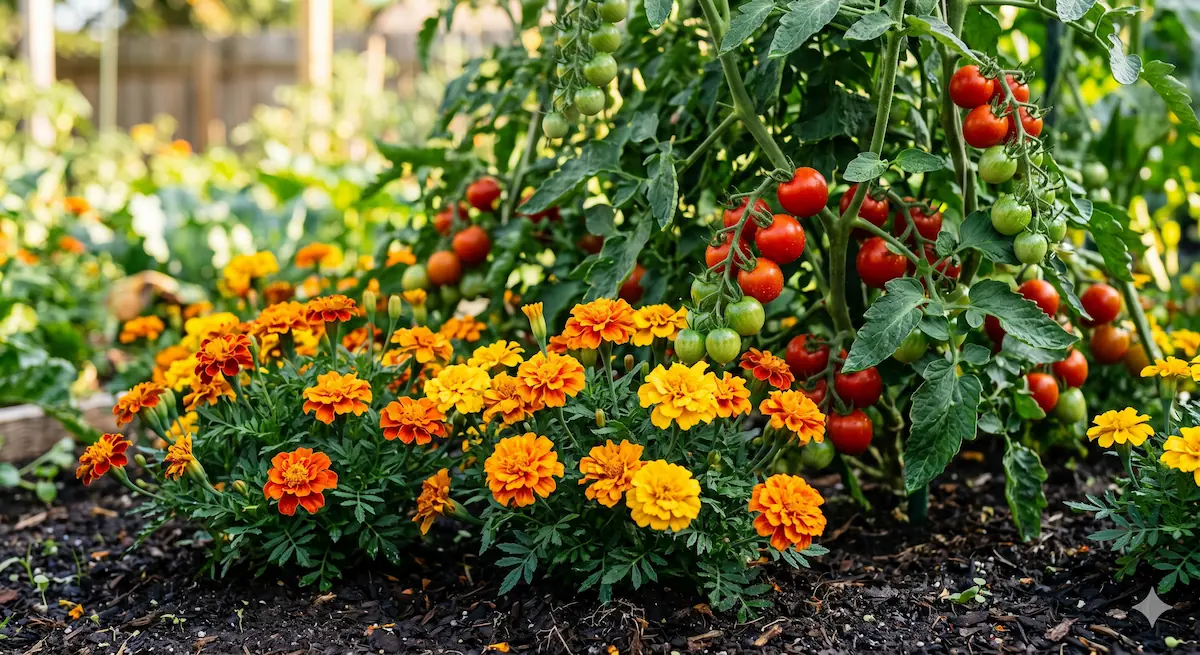
Marigolds: Growing a Living Shield for Your Vegetable Garden
Skip the pesticides! Discover how marigolds protect tomatoes and potatoes from pests, heal the soil, and why they are a must-have in your AgroPlanner layout.
Read more →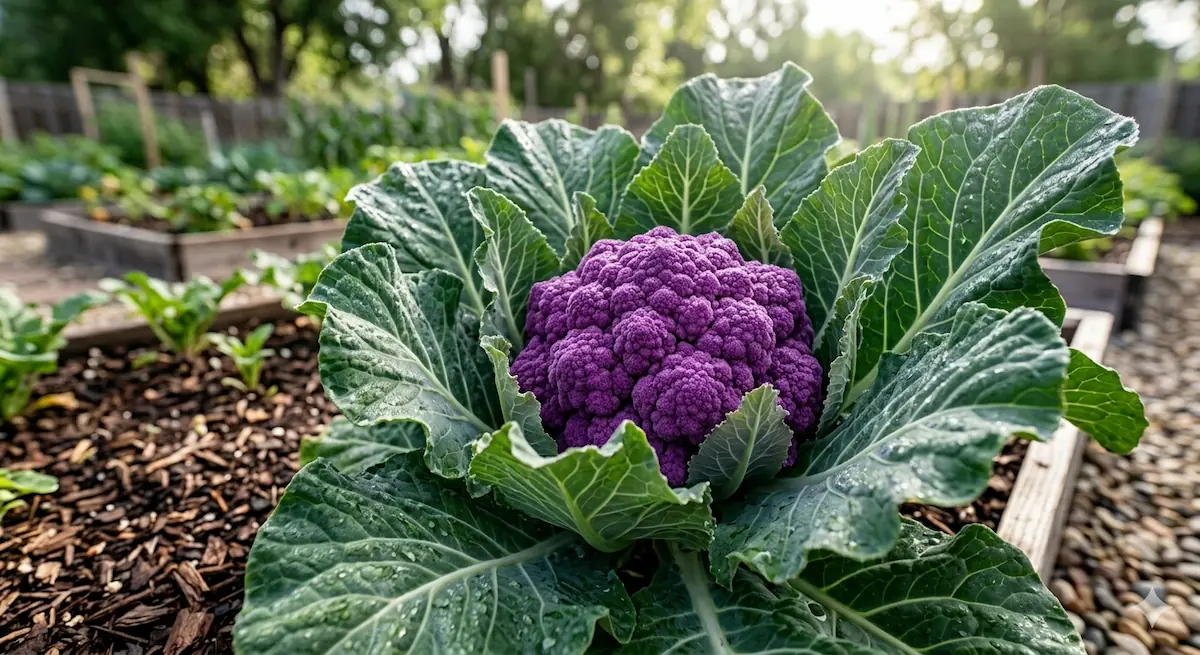
Purple Cauliflower: A Vibrant Antioxidant in Your Garden
Purple cauliflower combines incredible color with double the health benefits. Learn why it’s more tender than white varieties, which soil ensures deep coloring, and how to protect it from summer heat.
Read more →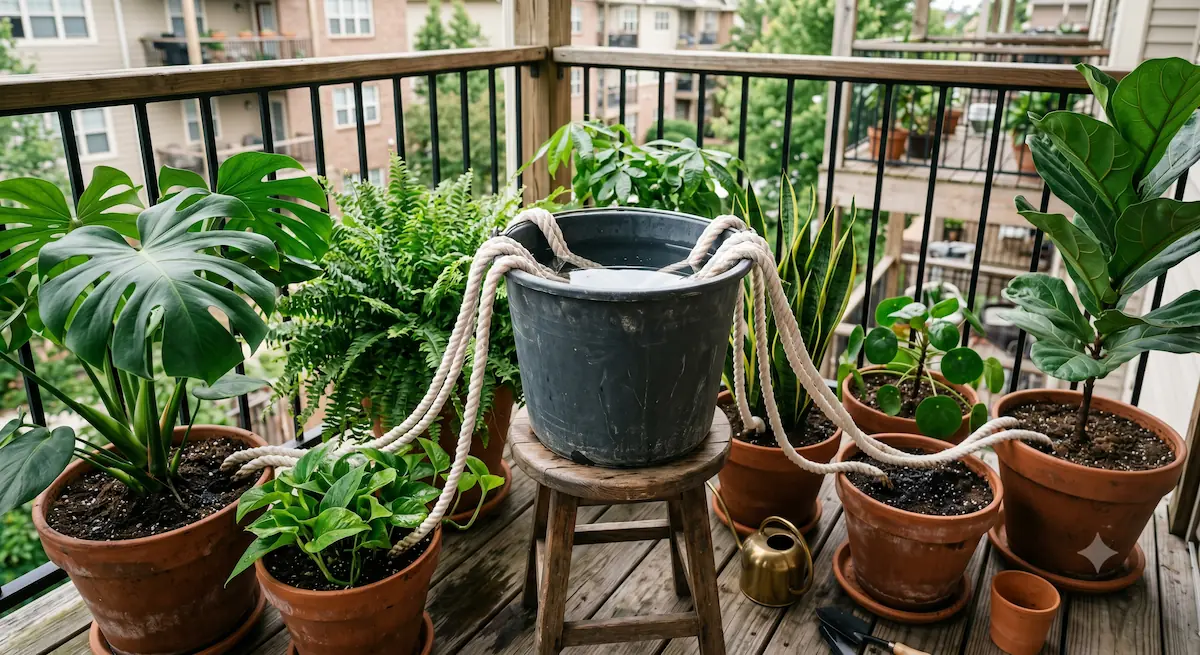
How to Water Your Garden and Flowers While on Vacation: 5 Summer Hacks
Going on vacation in summer but worried about your plants? Learn how to set up simple automatic watering systems without spending money.
Read more →