
Purple Cauliflower: A Vibrant Antioxidant in Your Garden
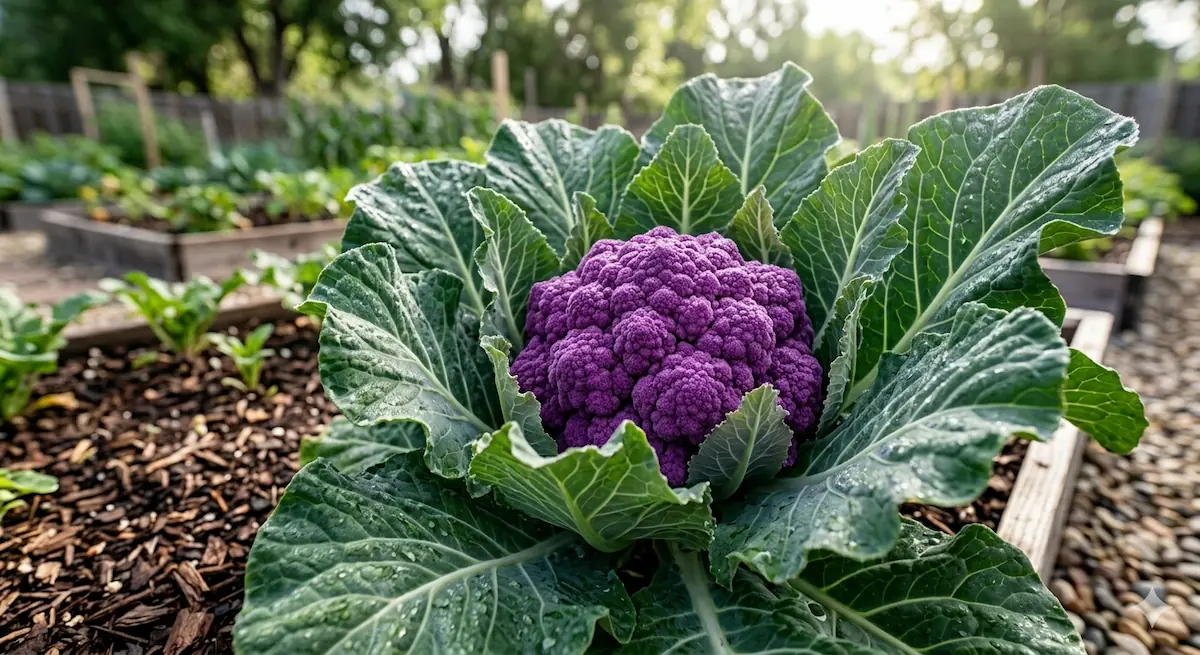
Purple cauliflower combines incredible color with double the health benefits. Learn why it’s more tender than white varieties, which soil ensures deep coloring, and how to protect it from summer heat.
Purple cauliflower is a rising star in modern nutrition. Its stunning color comes from anthocyanins — powerful antioxidants. It tastes slightly sweeter than classic white cauliflower and cooks much faster. It's the perfect choice for anyone looking to add a splash of color to their plate.
Soil: Where Does the Cauliflower Gain Its Color?
To form a large and vibrant head, the cauliflower needs intensive feeding and constant access to moisture.
- Best Choice: Fertile Loamy soils (Type 1) with neutral or slightly alkaline pH levels.
- Soil Check: Perform the sausage test. If the soil rolls into a stick that cracks when bent (Type 1), it’s perfect: the earth is nutritious but doesn't suffocate the roots.
Best Companions (Good)
- Celery: Its strong scent repels cabbage fleas and flies.
- Romanesco Broccoli: Shares similar growing conditions. Check our guide on Romanesco Broccoli to create the perfect brassica bed.
- Mint: Excellent at repelling cabbage white caterpillars.
Main Enemies (Bad)
- Walnut Trees: Traditionally dangerous neighbors due to juglone. We detailed this in our walnut guide.
- Tomatoes: They consume a lot of calcium and potassium, which the cauliflower desperately needs for head density.
- Heat and Drought: At temperatures above 25°C, heads may stop forming or become loose.
AgroPlanner Tip: Purple cauliflower requires regular "at the root" watering. In our app, it occupies a 2x2 grid. The system will remind you about the need for hilling and protection from direct scorching sun during head formation. Pro tip: add a splash of lemon juice when cooking to preserve its brilliant color!
AgroPlanner App
Realize your dream garden: check plant compatibility, sun/shade needs, and save your plan easily.

Disclaimer
Important! All information in this blog is for recommendation purposes only. We are developers and enthusiasts, not certified agronomists. Results may vary based on your region, soil type, and weather. We are not responsible for potential errors or crop failures. Please verify critical advice independently!
Found this helpful? Share with friends!
Read more
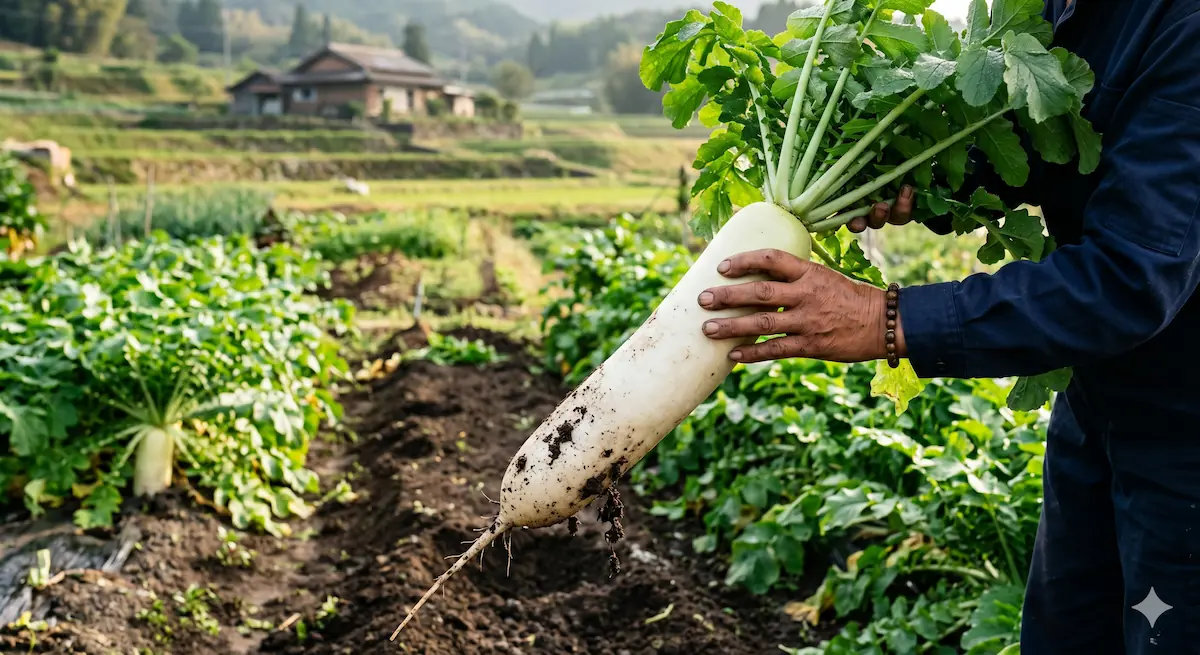
Daikon: The Juicy Giant from the East
Daikon is a source of fiber and mild flavor. Learn why it needs deep soil, how to avoid bolting, and why it's the perfect choice for a healthy diet.
Read more →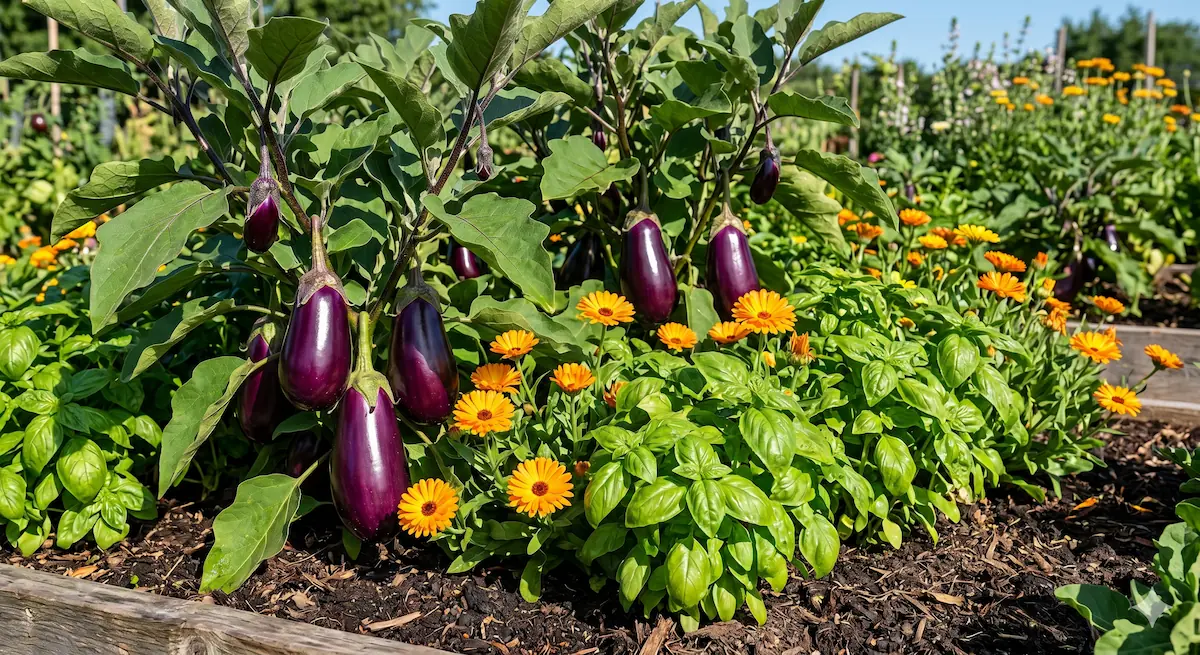
Eggplant Companion Planting: The Ultimate Guide to a Bountiful Harvest
Eggplants are often targets for Colorado beetles and aphids. Discover 8 plants that will help you protect your crops without chemicals and which neighbors to avoid.
Read more →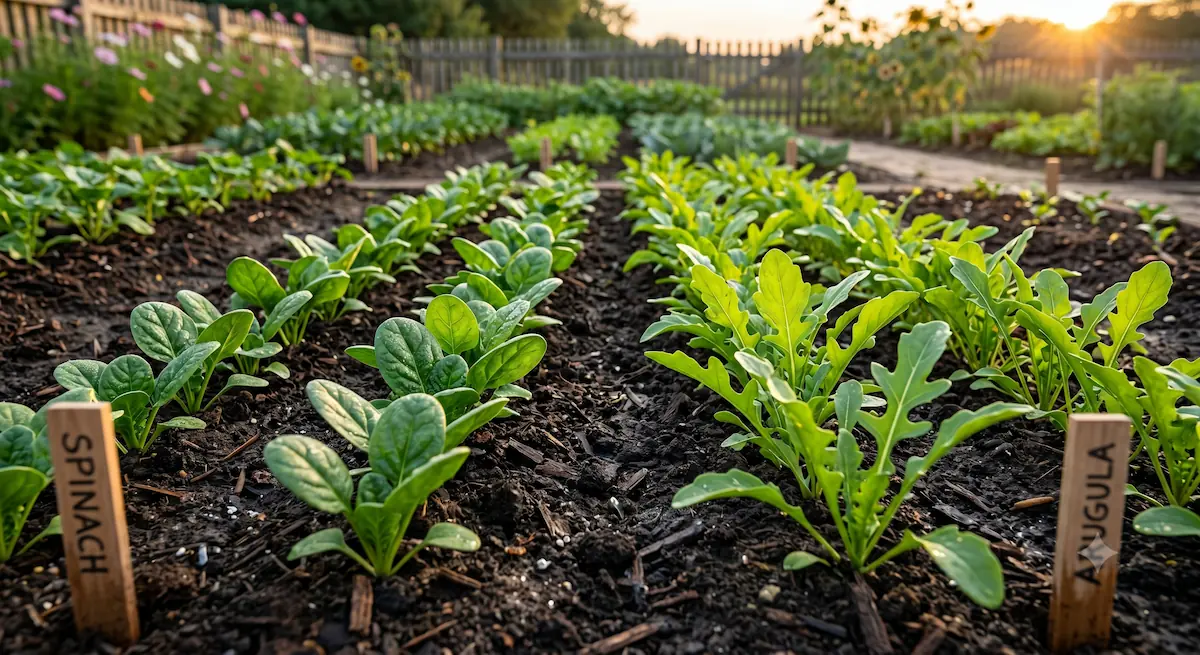
What to Plant in September: The Autumn Wave of Fresh Greens
September is not the time to close the garden season. Guide to crops that can be sown in early autumn: fast greens, radishes, and winter onions.
Read more →