
Winter is Coming: How to Properly "Conserve" Your Garden
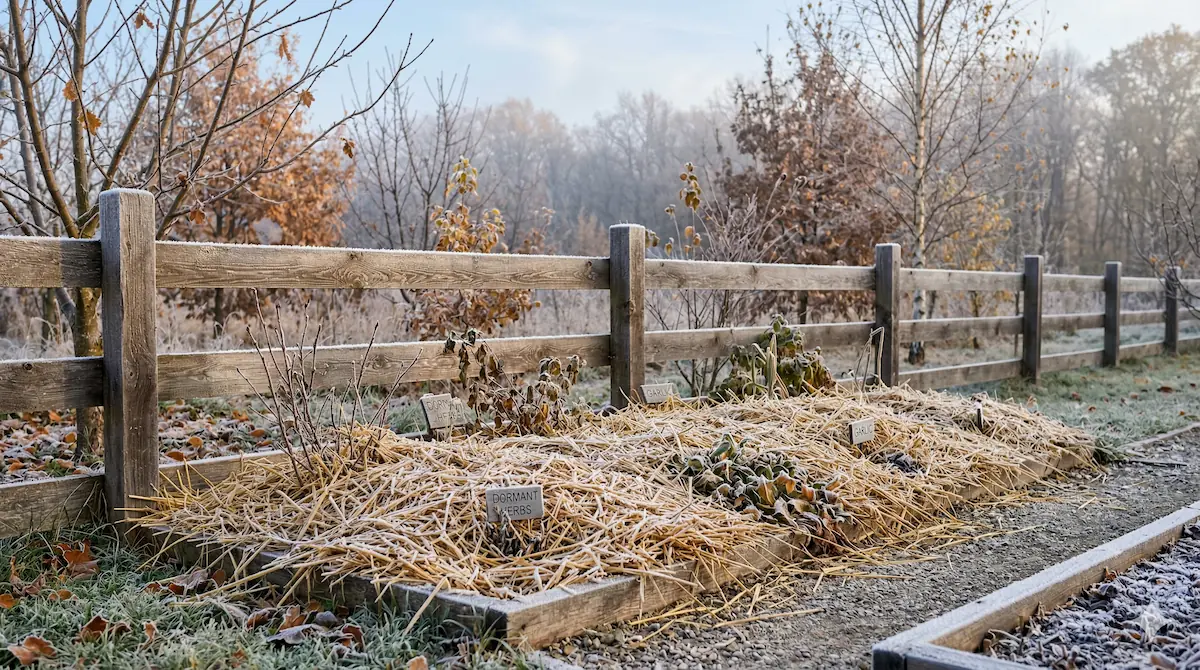
The season doesn't end when the last vegetable is picked, but when the land is ready for rest. An essential autumn checklist.
The last sunny days of October are not for resting, but for building the foundation of next year's harvest. How you leave your garden for the winter will determine how difficult your start will be next spring. Smart conservation means saving time and energy in the future.
Your Autumn Checklist: 3 Main Steps
- Cleaning and Disinfection: Never leave diseased tomato or cucumber vines on the beds. They are the perfect home for pest larvae and fungal spores. Move them off-site or burn them.
- Tool Care: Clean your shovels and pruners, grease the metal parts with oil to prevent rust. Also, don't forget to drain water from all hoses and auto-watering systems to prevent frost from bursting the pipes.
- Soil Protection: Bare earth in winter is bad. Winds blow away the fertile layer, and frost kills the microflora. Sow cover crops (mustard, rye) or simply cover empty beds with a thick layer of mulch.
Harvesting Your Own Seeds
Autumn is the perfect time to select the best fruits for seeds for next year. Choose heirloom varieties (not F1 hybrids) that showed the best results specifically in your climate. This is your own genetic bank, adapted to your conditions.
AgroPlanner Tip: As the season ends, memory starts to fade. Where did the potatoes grow? Where was the best zucchini yield? Be sure to save your final layout in the Virtual Garden Bed. This will allow you to analyze mistakes in a calm atmosphere during winter and perfectly plan the next year with crop rotation in mind.
Gardening is an endless cycle. Give your land a proper rest, and it will reward you with double the strength next spring. See you next season!
AgroPlanner App
Realize your dream garden: check plant compatibility, sun/shade needs, and save your plan easily.

Disclaimer
Important! All information in this blog is for recommendation purposes only. We are developers and enthusiasts, not certified agronomists. Results may vary based on your region, soil type, and weather. We are not responsible for potential errors or crop failures. Please verify critical advice independently!
Found this helpful? Share with friends!
Read more
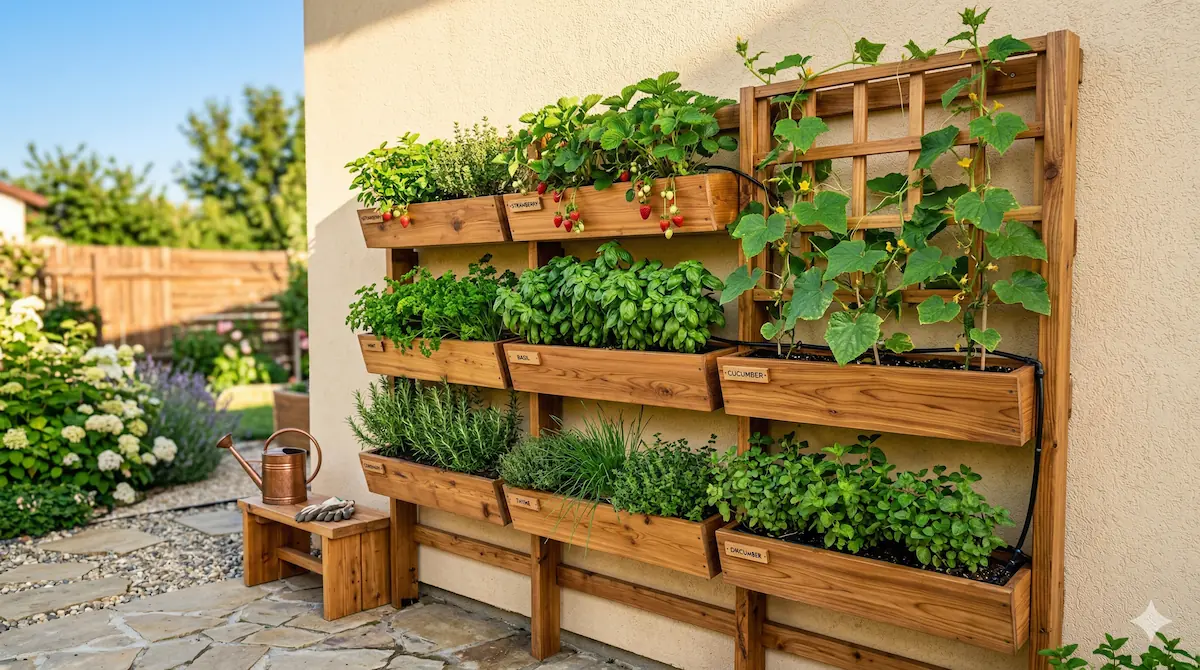
Vertical Gardening: How to Grow a Massive Harvest on Just 1 m²
Lack of space is no longer an issue. Learn how to turn walls, fences, and balconies into productive garden beds.
Read more →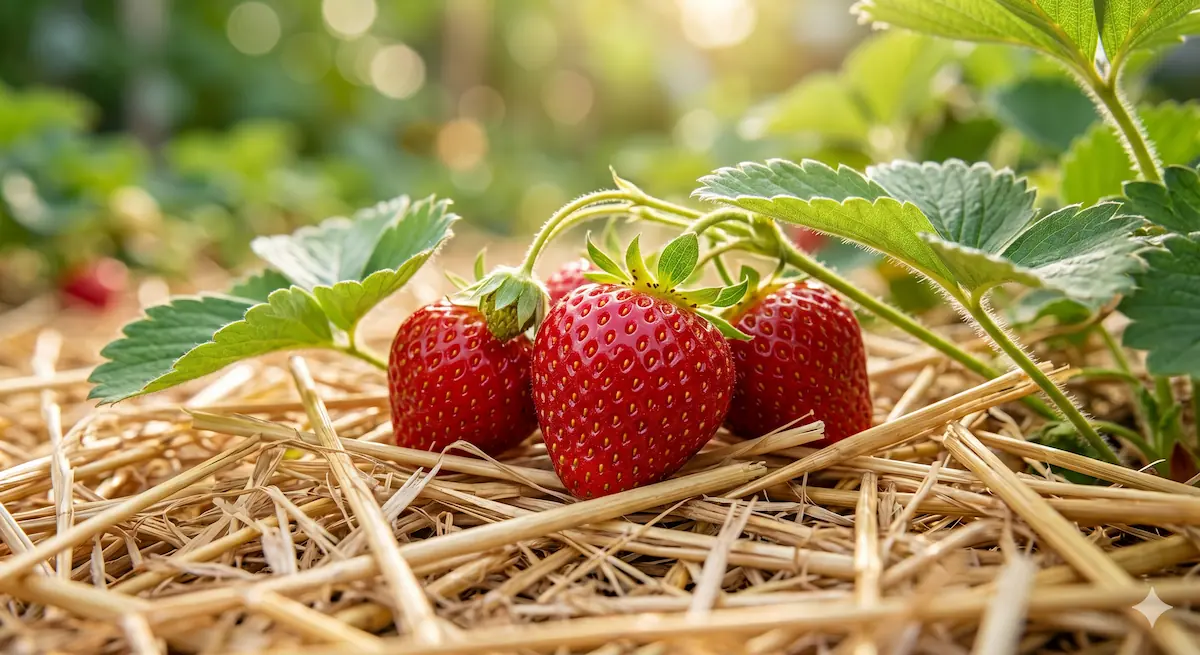
The Garden Queen Strawberry: Secrets to a Sweet and Large Harvest
Tips for growing strawberries: from mulching to proper watering. Learn how to protect berries from rot and pests using smart garden planning.
Read more →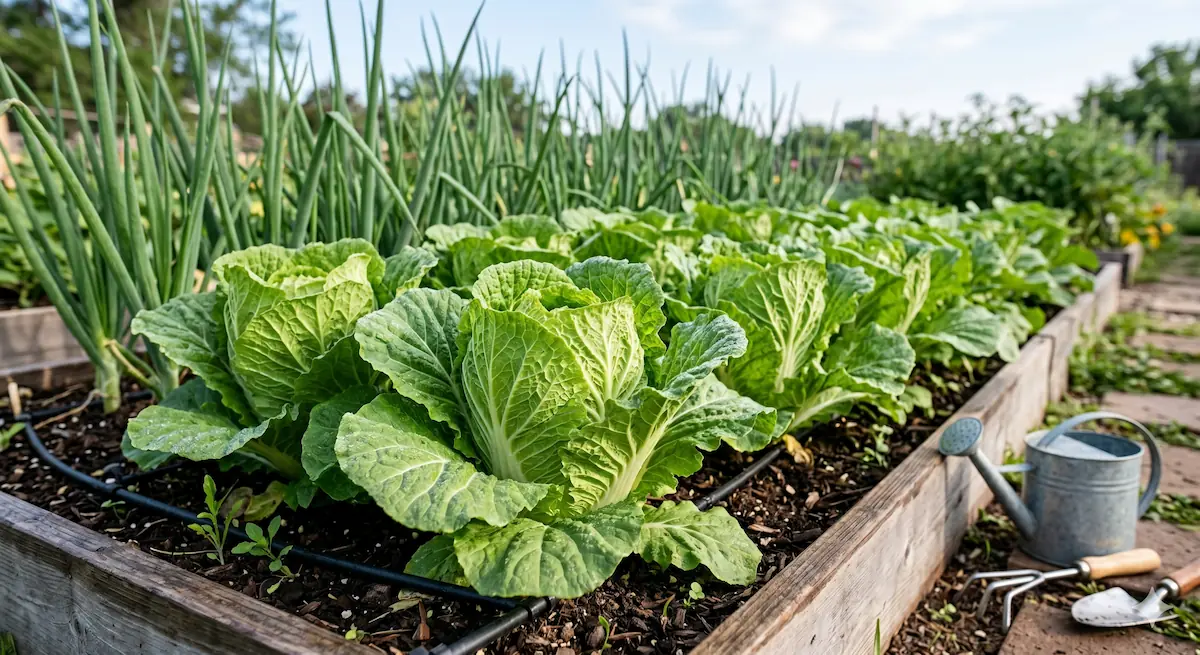
Beijing Cabbage: Secrets to Juicy Heads and Proper Companionship
Peking cabbage is a delicate crop that loves cool weather and correct soil. Learn how to avoid bolting and protect your harvest from pests.
Read more →