
Opuntia: The Cactus You Can Eat
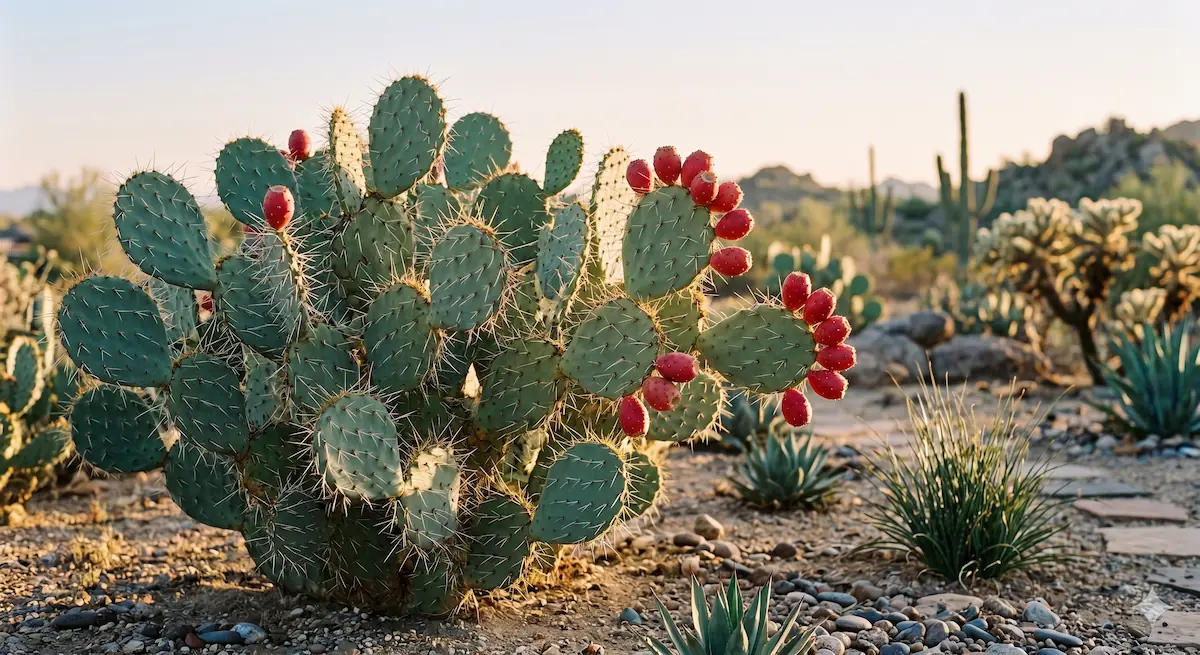
Opuntia is the "prickly pear" cactus, known for its flat pads and sweet fruits. Learn how to create a tropical microclimate, why it thrives in poor soil, and how to safely harvest, avoiding the tricky spines.
Opuntia, also known as the prickly pear cactus, is a genus native to the Americas. Easily recognized by its flat, segmented stems (nopales) that resemble "ears." Opuntia is extremely resilient, with some species (like the hardy Opuntia) able to overwinter in the open ground in southern regions of Ukraine. Besides its decorative value, it is prized for its edible fruits — the "Indian fig" or "prickly pear," which have a sweet, refreshing taste.
Soil: Where Does Opuntia Feel at Home, Like in Mexico?
Like most cacti, Opuntia absolutely cannot tolerate water stagnation. It prefers poor, stony soils.
- Best Choice: Poor Sandy soils (Type 2) mixed with coarse sand, gravel, or crushed stone.
- Soil Check: Perform the sausage test. If the soil crumbles and holds no shape (Type 2), it's ideal: the ground will provide the necessary drainage.
Best Companions (Good)
- Agave: Shares similar requires for sun and watering schedules.
- Yucca: Creates a stylish exotic corner in the garden or conservatory together.
- Ornamental Grasses (e.g., Feather Grass): Thrive in poor soils alongside the cactus.
Main Enemies (Bad)
- Walnut Trees: If growing Opuntia in open ground, keep it far away from walnuts. Juglone is toxic to cacti.
- Overwatering: The quickest way to kill an Opuntia, especially in winter.
- Shade: Without bright sun, the plant elongates, stems become thin and pale, and it stops blooming and fruiting.
AgroPlanner Tip: Be careful with glochids — the microscopic, barbed spines of Opuntia. Harvest fruits and prepare pads only in thick gloves! In our app, one Opuntia plant occupies a 2x2 grid (or 1x1 in a container). The system helps you plan its spot in the garden, considering sun requirements, and flags the walnut toxic zone in red.
AgroPlanner App
Realize your dream garden: check plant compatibility, sun/shade needs, and save your plan easily.

Disclaimer
Important! All information in this blog is for recommendation purposes only. We are developers and enthusiasts, not certified agronomists. Results may vary based on your region, soil type, and weather. We are not responsible for potential errors or crop failures. Please verify critical advice independently!
Found this helpful? Share with friends!
Read more
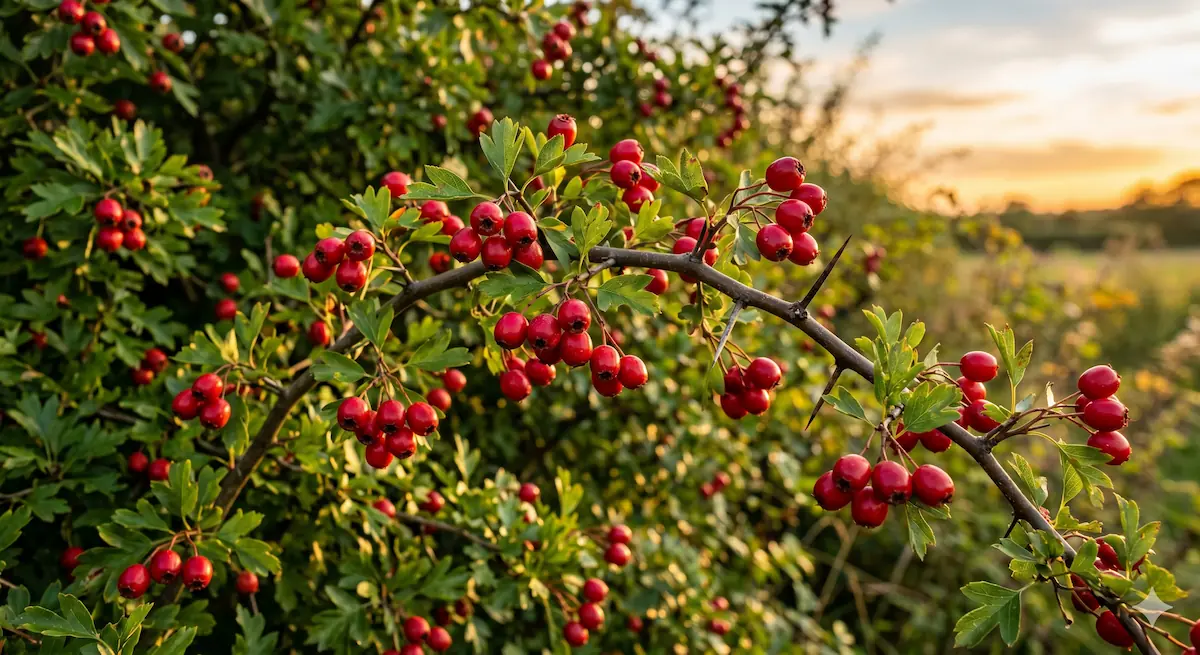
Hawthorn: A Thorny Pharmacy in Your Garden
Hawthorn combines resilience with health benefits. Learn how to create an impenetrable fence, why it fears no drought, and how to harvest berries for heart health.
Read more →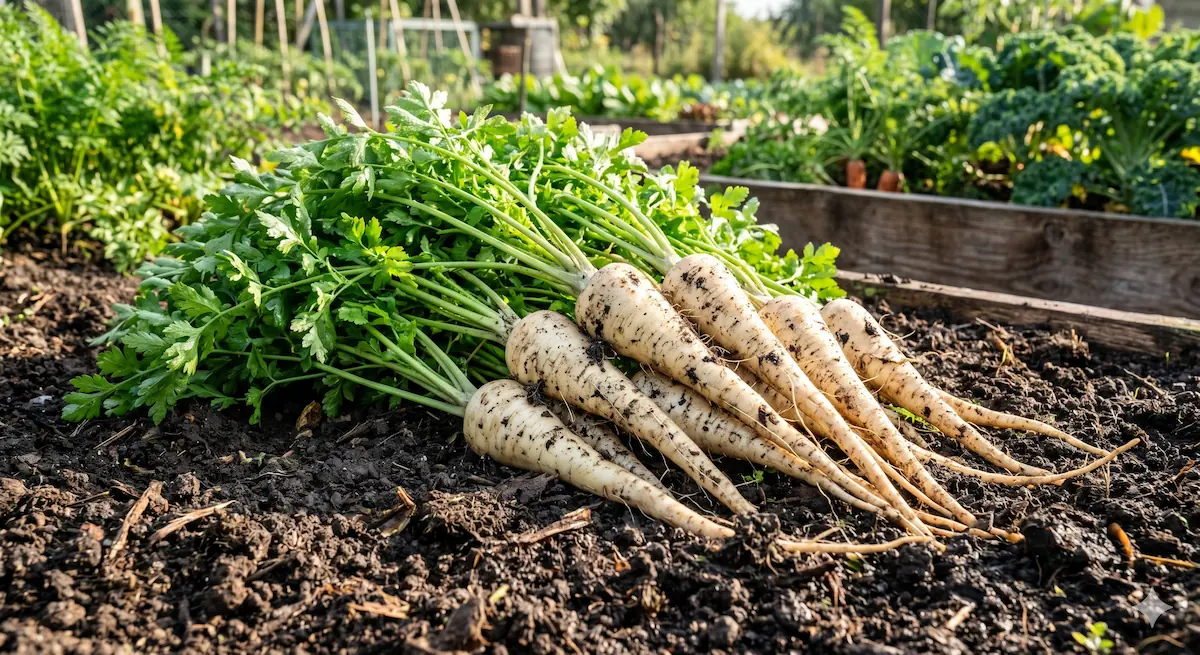
Parsnip: The Sweet Root with a Nutty Aroma
Parsnips are a true superfood that tastes like a mix of carrot and celery. Learn why they fear no frost, how to prepare the soil for long roots, and why their leaves can be tricky in the sun.
Read more →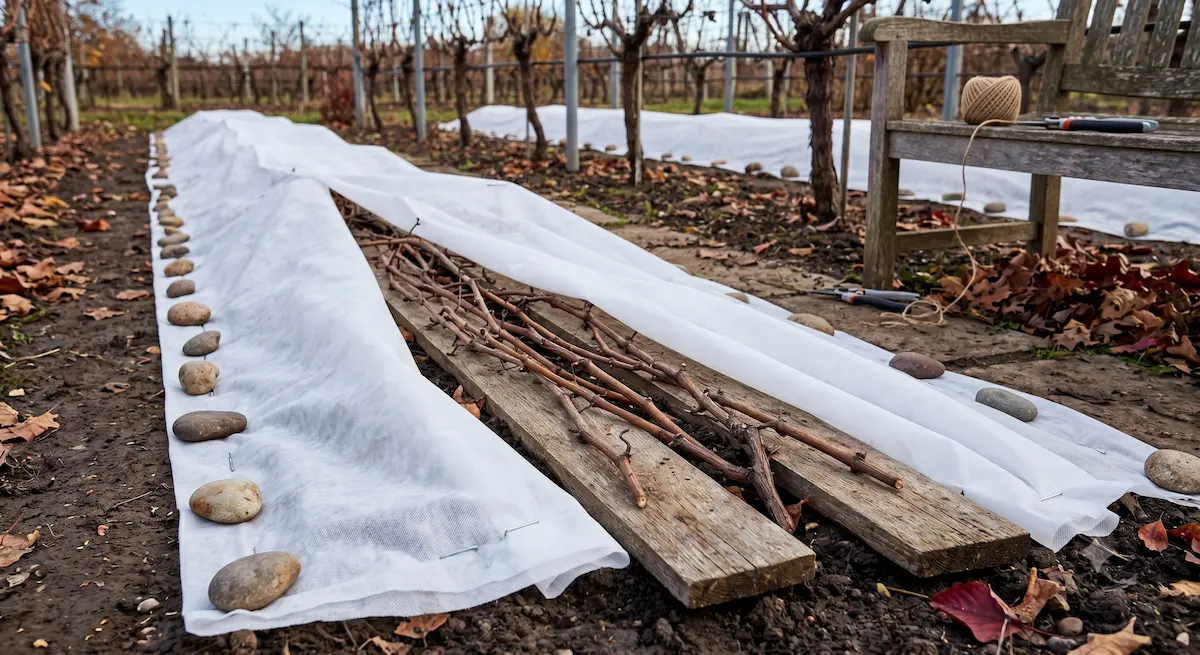
Autumn Pruning and Overwintering of Grapes: Step-by-Step Manual
Proper preparation of grapevines for winter chills. Secrets of autumn pruning, root hardening, and selecting reliable cover fabrics.
Read more →