
Apple Tree as the Foundation of Your Orchard: Planting and Companion Rules
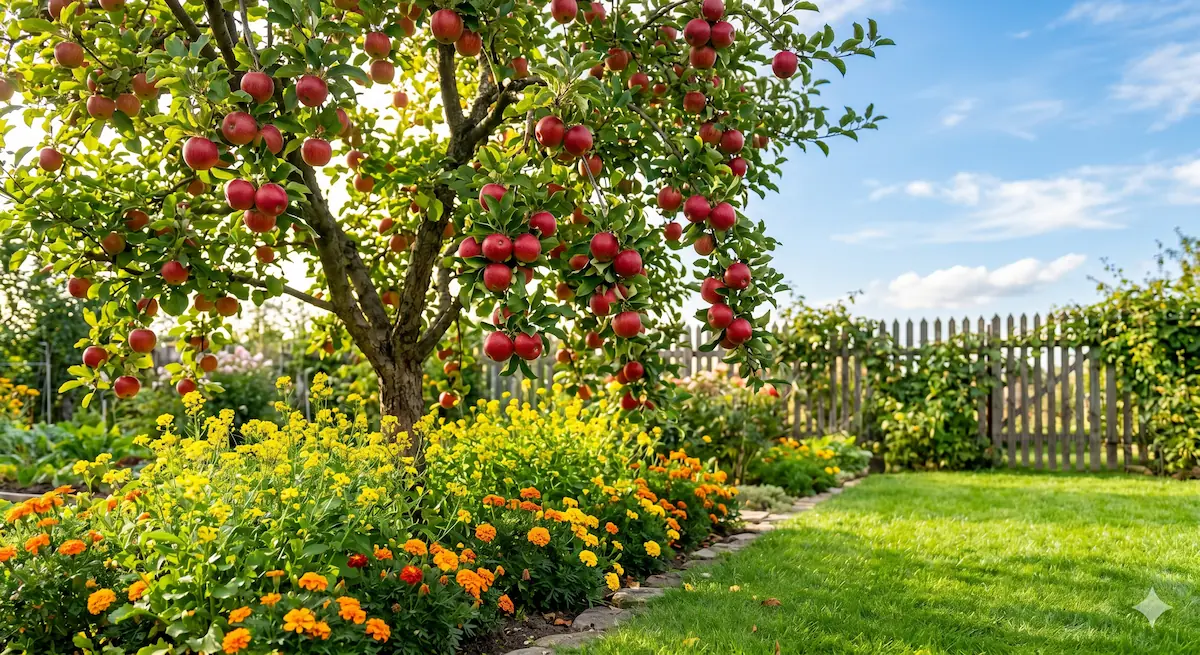
The apple tree is the queen of the fruit garden. Learn how to choose the right soil using the "sausage test" and which neighbors to avoid to prevent diseases.
An apple tree is a symbol of abundance and the heart of any garden plot. This tree can bear fruit for 30-50 years, but its health and productivity are established right when you draw your garden layout. The gardener's main task is to provide the tree with space and the correct soil.
Soil and Conditions: Building the Foundation
- Soil: Fertile Loamy soils (Type 1) or Sandy Loams (Type 2) are best. Apple trees cannot stand standing water or highly acidic soil. Perform a soil sausage test before planting — if your soil ring cracks (Type 1), you've found the perfect spot.
- Light: Needs 100% sunlight. In the shade, the crown becomes too dense and the fruit loses sugar.
Perfect Companions (Good)
- Mustard: A great green manure that sanitizes the soil around the apple tree's roots.
- Horseradish: Planted near the trunk, it protects the tree from fungal diseases like fruit rot.
- Marigolds: A natural barrier against aphids and many flying pests.
Apple Tree Enemies (Bad)
- Walnut: The ultimate enemy. It creates a powerful toxic zone that can literally kill a young apple tree.
- Potatoes: Shared diseases can trigger scab, and potatoes deplete the soil needed by the tree.
AgroPlanner Tip: In our app, an apple tree takes up a 6x6 grid. This accounts for the crown and root system radius. When you place it on the layout, the Planner checks the soil type and flags toxic zones from walnuts in red. If the link is green, your tree is set for a long and healthy life!
AgroPlanner App
Realize your dream garden: check plant compatibility, sun/shade needs, and save your plan easily.

Disclaimer
Important! All information in this blog is for recommendation purposes only. We are developers and enthusiasts, not certified agronomists. Results may vary based on your region, soil type, and weather. We are not responsible for potential errors or crop failures. Please verify critical advice independently!
Found this helpful? Share with friends!
Read more
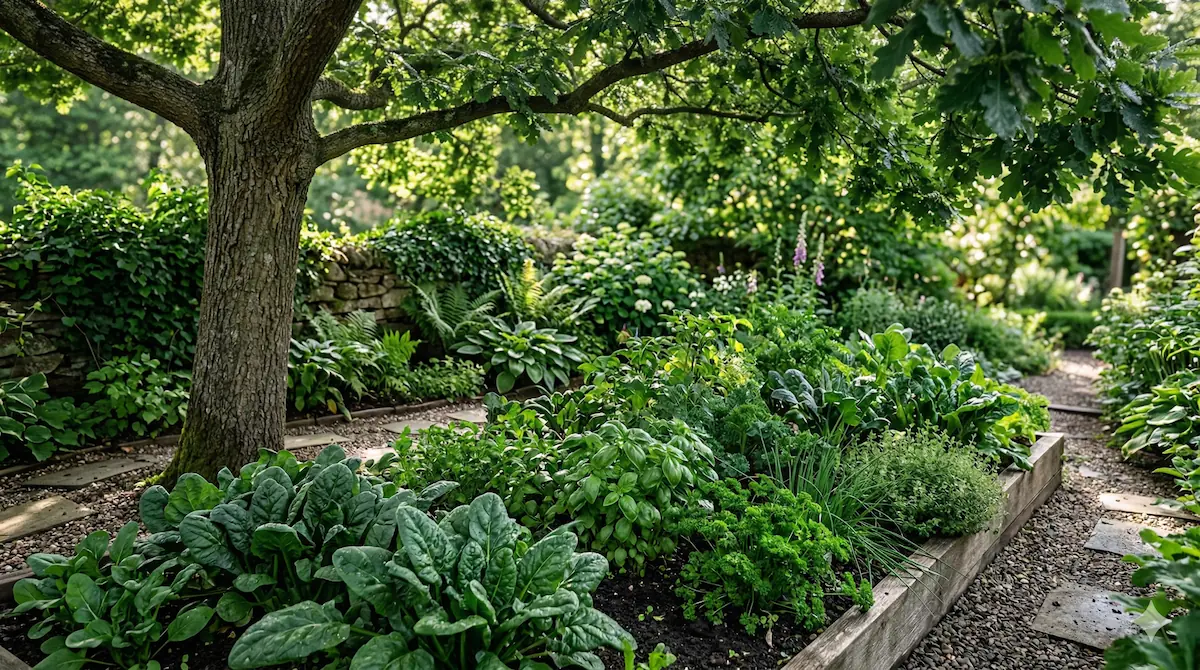
What to Plant in the Shade: Top Plants for Low Light
Shade from a fence or a tree isn't a dead end. Discover crops that thrive without direct sunlight.
Read more →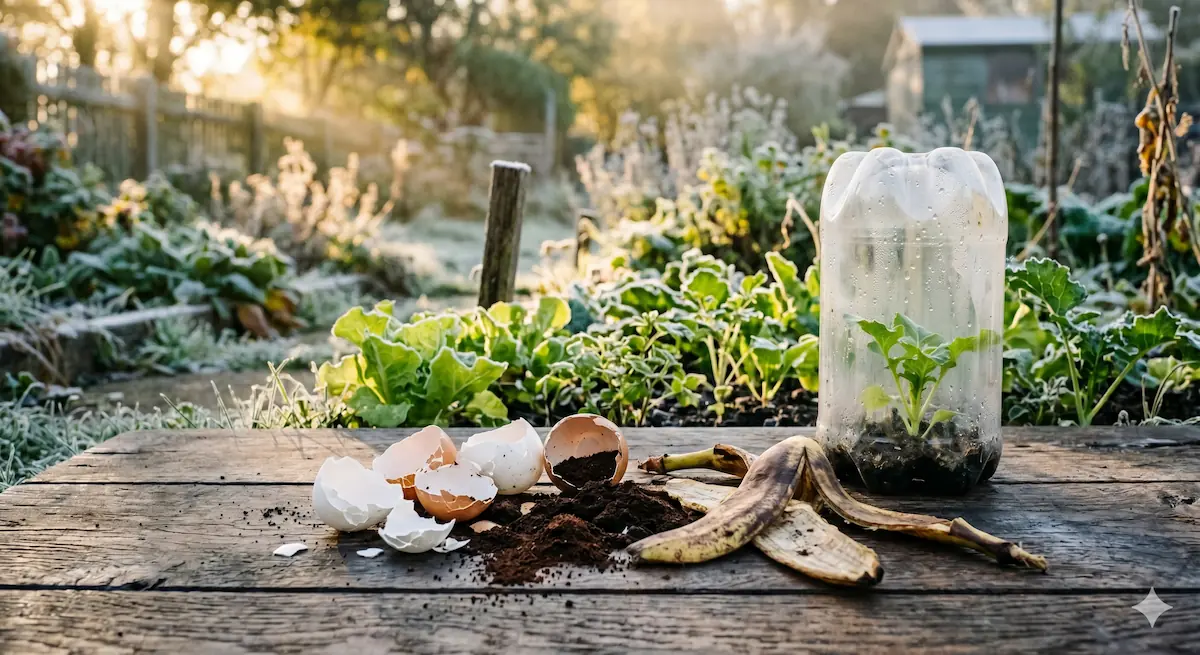
Homemade Kitchen Fertilizers: Feed Your Garden with What You Usually Throw Away
Why buy expensive chemicals? Discover how to turn coffee grounds, eggshells, and onion skins into super-fertilizers for a bountiful and organic harvest.
Read more →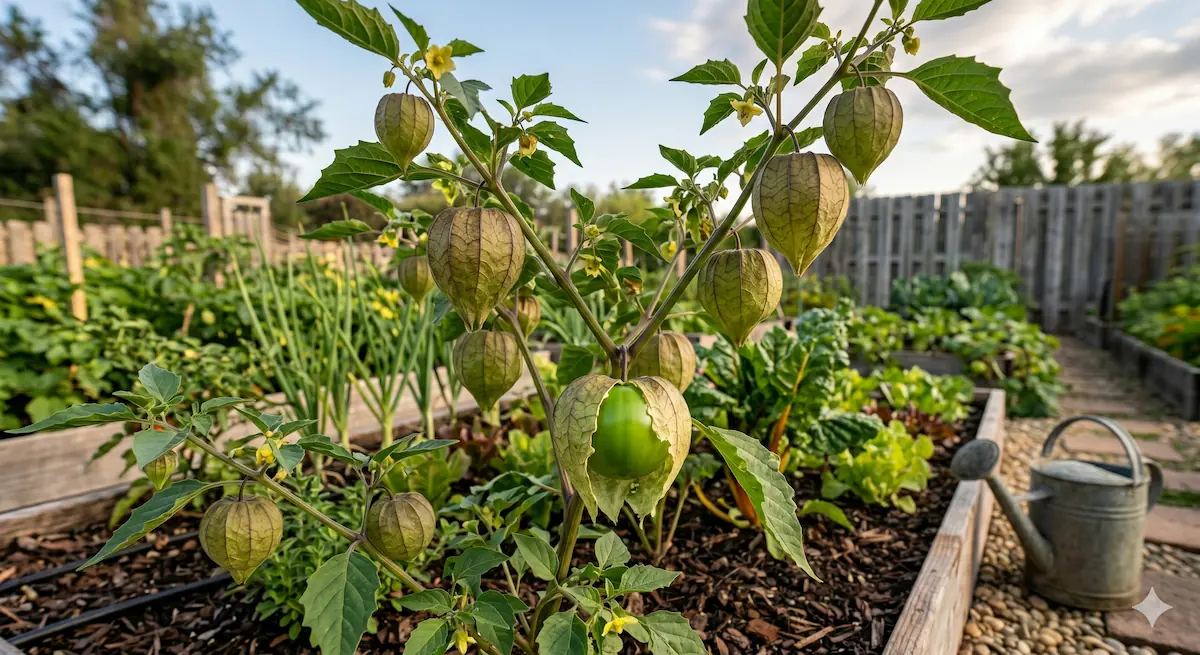
Tomatillo (Vegetable Physalis): Exotic "Lanterns" in Your Garden
Tomatillo is a resilient tomato relative that fruits inside paper husks. Learn why it’s more productive than tomatoes, what soil it needs, and how to tell when it's ripe.
Read more →