
Aloe Vera: A Living First-Aid Kit on Your Windowsill
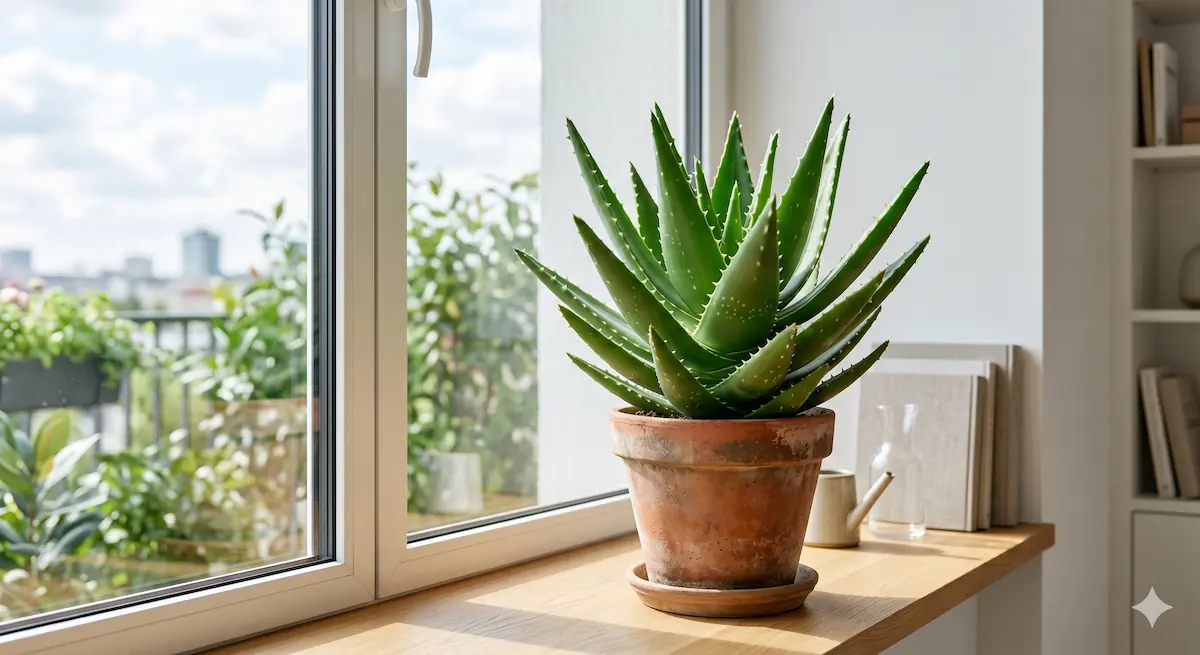
Aloe Vera is an essential helper for burns and skincare. Learn why you shouldn't water it often, what soil prevents root rot, and how to harvest leaves correctly without harming the plant.
Aloe Vera (Aloe barbadensis) is a true "first-aid kit" in a pot. This succulent has been used in medicine and cosmetics for millennia. It is incredibly hardy and can forgive forgetfulness when it comes to watering, but it is very sensitive to cold and excessive humidity. It’s a perfect plant for beginners and those who value functionality in an indoor garden.
Soil: Where Does Aloe Feel Like It's in the Desert?
For aloe, drainage is paramount. Any water stagnation will lead to the rapid death of the plant.
- Best Choice: Poor Sandy soils (Type 2) mixed with coarse sand or small gravel.
- Soil Check: Perform the sausage test. If the soil crumbles instantly (Type 2), it's exactly what aloe roots need.
Best Companions (Good)
- Cacti: Have identical requirements for watering schedules.
- Sansevieria (Snake Plant): Another resilient partner for air purification.
- Kalanchoe: Together they create a functional "pharmacy" corner on the windowsill.
Main Enemies (Bad)
- Walnut Trees: If you move your aloe outdoors in summer, keep it away from walnuts. Juglone is toxic to succulents.
- Overwatering in Winter: This is the most common cause of aloe death. During the dormant period, watering should be minimal.
- Peat-only Substrate: Pure peat retains water too long, which is fatal for aloe roots.
AgroPlanner Tip: Aloe Vera needs plenty of light, but direct summer sun can turn the leaves brown (sunburn). In our app, it occupies a 1x1 grid in the "Indoor Plants" sector. The system will definitely flag the walnut toxic zone in red if you plan to place the plant outside during summer.
AgroPlanner App
Realize your dream garden: check plant compatibility, sun/shade needs, and save your plan easily.

Disclaimer
Important! All information in this blog is for recommendation purposes only. We are developers and enthusiasts, not certified agronomists. Results may vary based on your region, soil type, and weather. We are not responsible for potential errors or crop failures. Please verify critical advice independently!
Found this helpful? Share with friends!
Read more
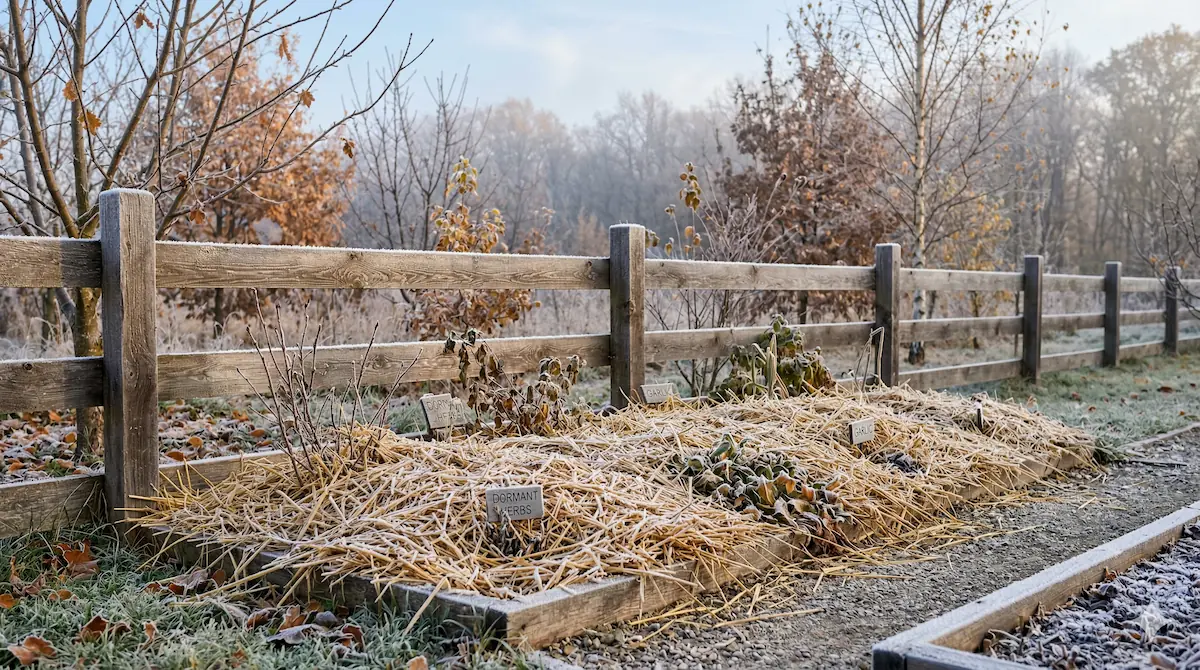
Winter is Coming: How to Properly "Conserve" Your Garden
The season doesn't end when the last vegetable is picked, but when the land is ready for rest. An essential autumn checklist.
Read more →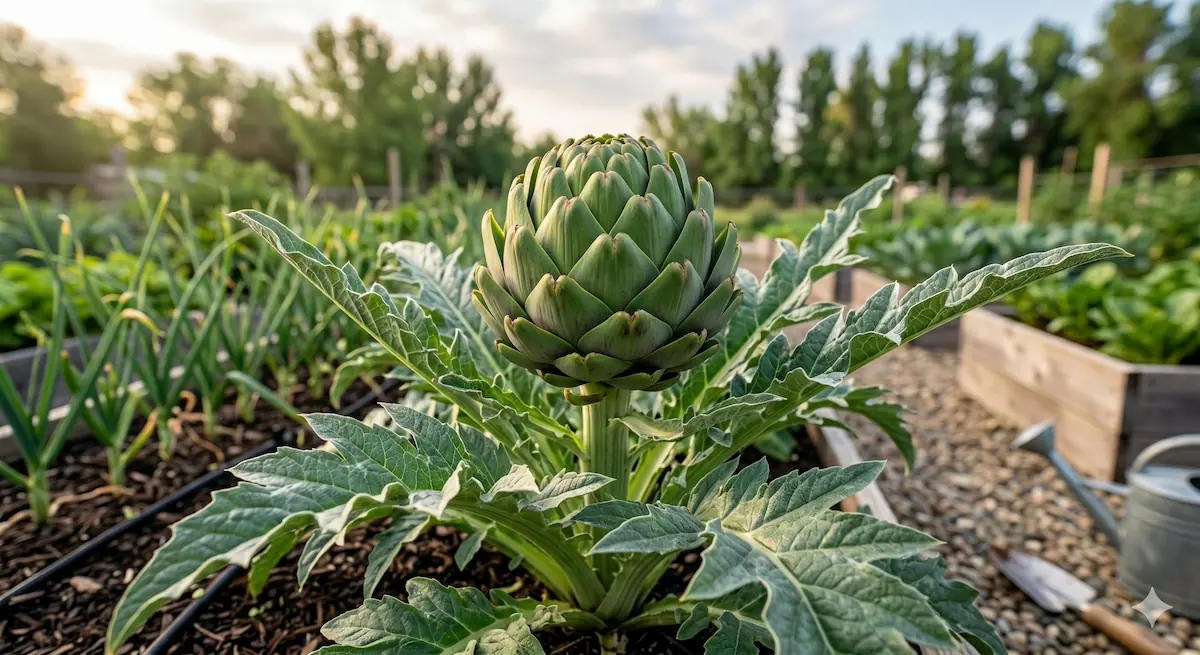
Artichoke: A Gourmet Flower on Your Plate
The artichoke is a giant ornamental plant whose flower buds are a world-class delicacy. Learn how to get it to bloom in its first year, what soil it needs, and why it's a garden masterpiece.
Read more →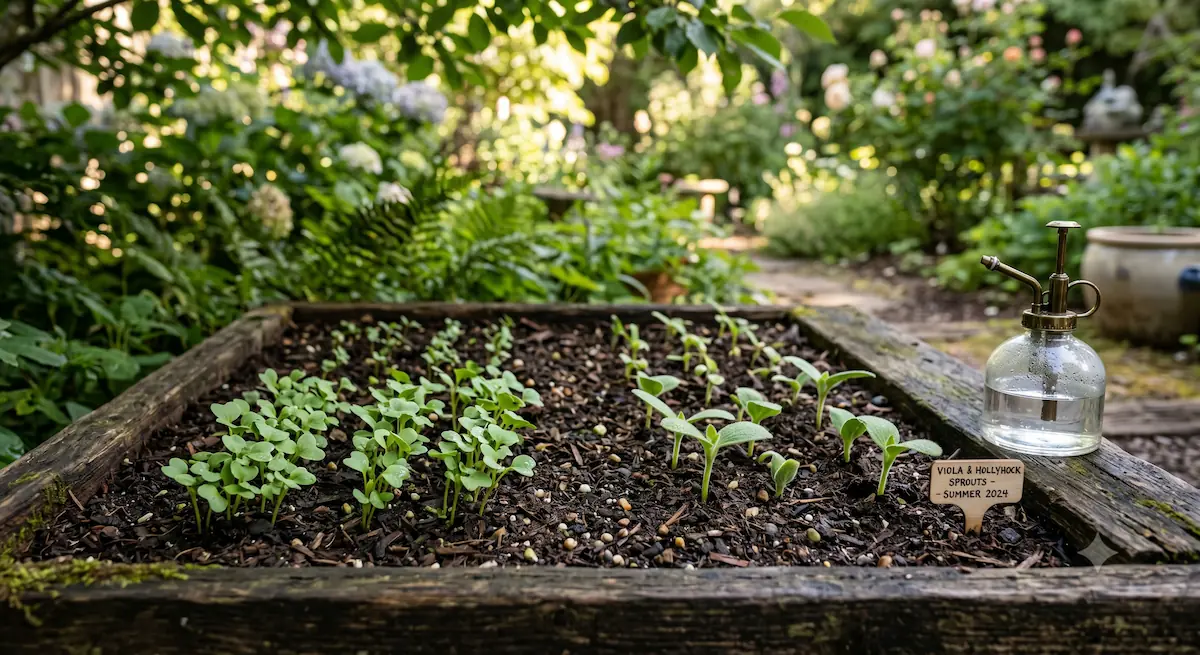
Which Perennial Flowers to Sow in July-August for a Stunning Spring
Late summer is the golden window to sow biennial and perennial flowers. Step-by-step guide to growing mallows, violas, and carnations for seedlings.
Read more →