
Artichoke: A Gourmet Flower on Your Plate
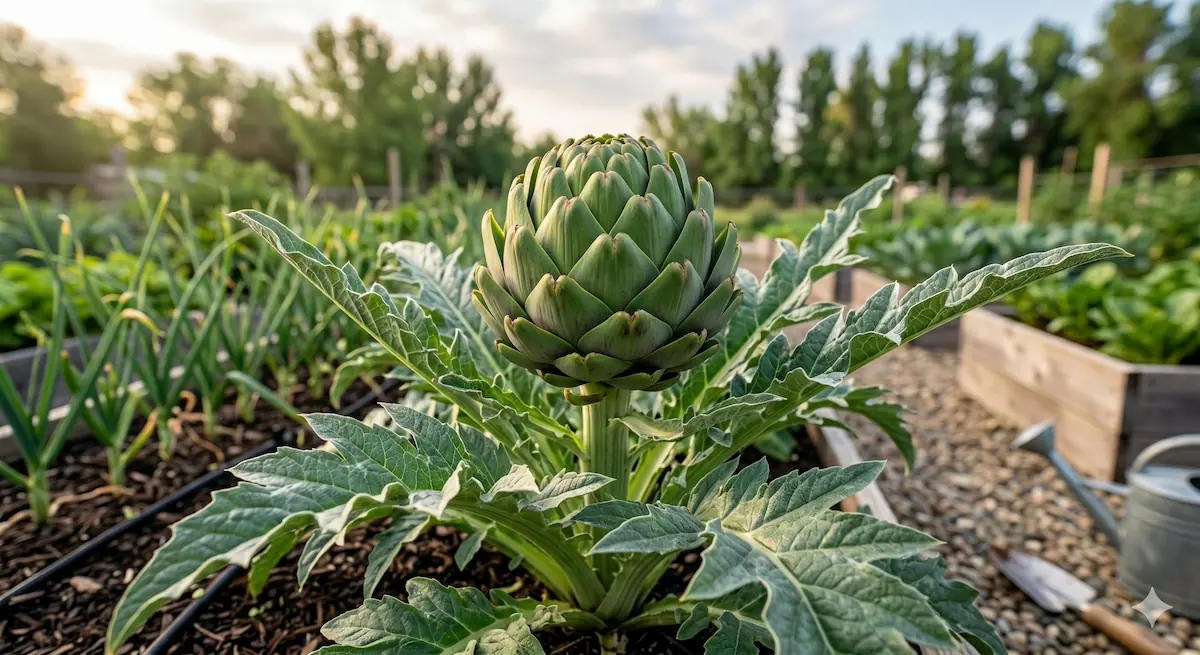
The artichoke is a giant ornamental plant whose flower buds are a world-class delicacy. Learn how to get it to bloom in its first year, what soil it needs, and why it's a garden masterpiece.
The Artichoke (Cynara) is a perennial that looks like a giant silvery thistle. It is harvested for food just before the bud opens. Aside from being a nutrient-rich superfood, the artichoke serves as an incredible landscape accent with its serrated foliage and heights of up to 1.5 meters.
Soil: Where Does the Artichoke Get Its Strength?
Artichokes are heavy feeders. They require deeply cultivated, nutrient-rich soil with plenty of organic matter.
- Best Choice: Fertile Loamy soils (Type 1) with a neutral pH.
- Soil Check: Perform the sausage test. If the soil rolls into a flexible stick (Type 1), it’s perfect: the artichoke’s roots can easily reach deep for moisture.
Best Companions (Good)
- Mint: Its scent protects the artichoke from aphids. Try our chocolate mint for a stylish pairing.
- Onions and Garlic: Natural soil antiseptics for the ground around the artichoke's large root system.
- Sunflowers: Similar in scale and sunlight requirements.
Main Enemies (Bad)
- Beets: Can compete for potassium and shade out young artichoke sprouts.
- Walnut Trees: Artichokes are highly sensitive to juglone. Even 10 meters away from a walnut, growth will be stunted.
- Waterlogging: In winter, the artichoke's roots will rot quickly if water accumulates on the site.
AgroPlanner Tip: The artichoke is a true giant. In our app, it occupies a 3x3 grid. The system will remind you when to fertilize with nitrogen for foliage and potassium for bud formation. If you miss the harvest window, don't worry—the artichoke will bloom into a stunning purple flower!
AgroPlanner App
Realize your dream garden: check plant compatibility, sun/shade needs, and save your plan easily.

Disclaimer
Important! All information in this blog is for recommendation purposes only. We are developers and enthusiasts, not certified agronomists. Results may vary based on your region, soil type, and weather. We are not responsible for potential errors or crop failures. Please verify critical advice independently!
Found this helpful? Share with friends!
Read more
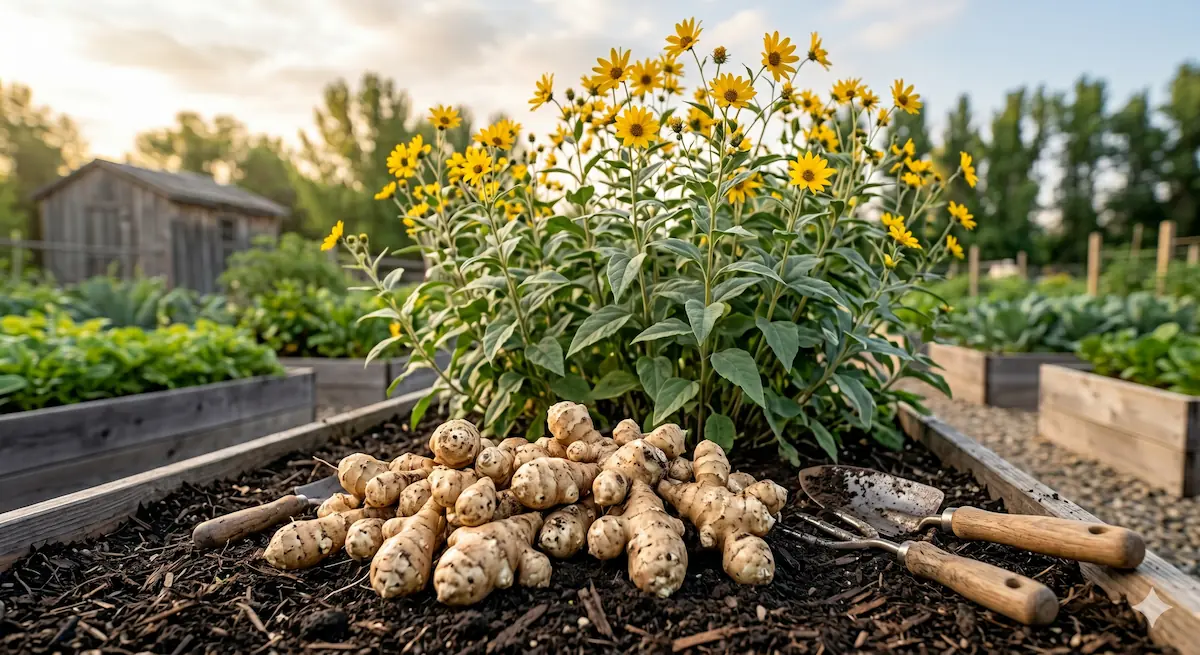
Jerusalem Artichoke: The "Smart" Potato That Defies Frost
Jerusalem Artichoke is a sunflower relative with edible tubers. Learn why you don't need to dig it up for winter, how it cleans the soil, and why it's perfect for lazy gardeners.
Read more →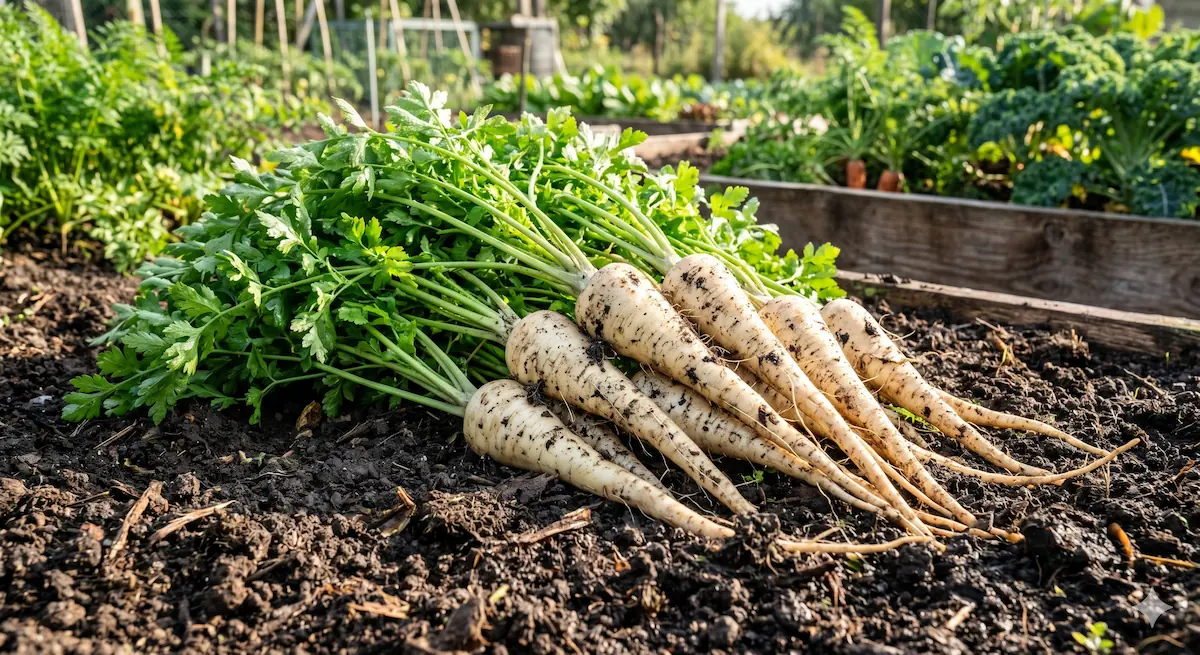
Parsnip: The Sweet Root with a Nutty Aroma
Parsnips are a true superfood that tastes like a mix of carrot and celery. Learn why they fear no frost, how to prepare the soil for long roots, and why their leaves can be tricky in the sun.
Read more →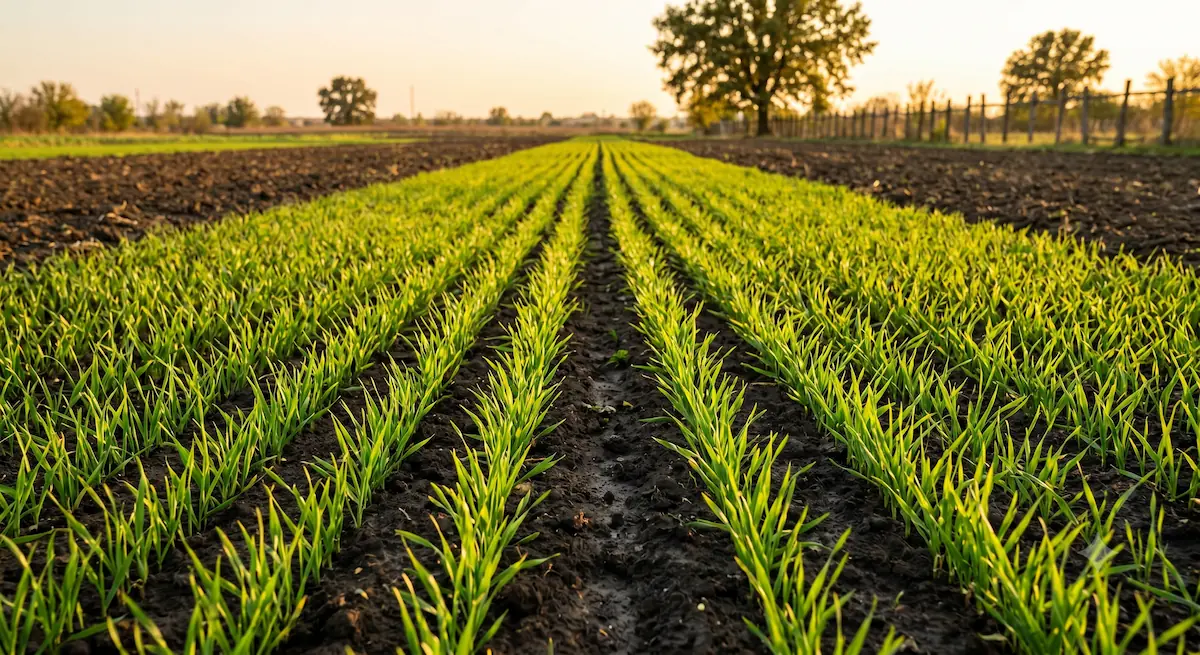
Autumn Green Manures: Which Crops to Sow Before Winter for Perfect Soil
Late summer is the ultimate window to sow winter cover crops. Breakdown of rye, oats, and vetch traits to heal and prep soil for spring.
Read more →