
Eggplant Companion Planting: The Ultimate Guide to a Bountiful Harvest
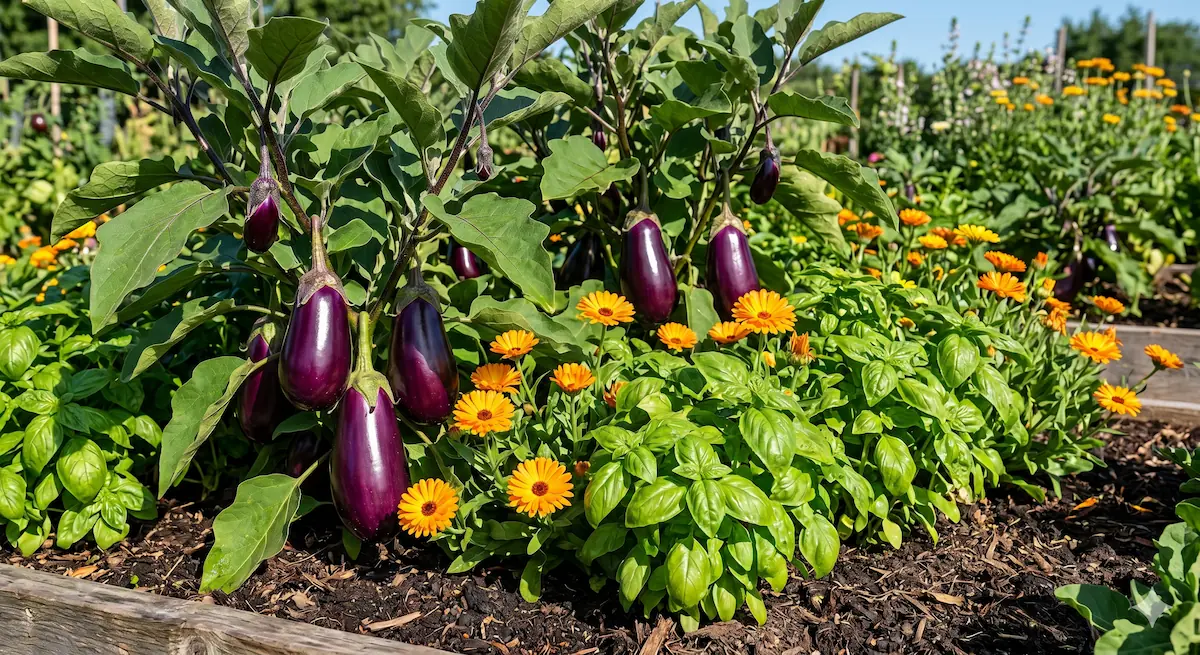
Eggplants are often targets for Colorado beetles and aphids. Discover 8 plants that will help you protect your crops without chemicals and which neighbors to avoid.
Eggplants (Solanum melongena) are among the most demanding residents of any garden. They require stable temperatures, fertile soil, and protection from various pests. Proper bed planning allows you to create a protective barrier around them. Before transplanting your seedlings, be sure to check our eggplant growing guide.
Table of Ideal Companions (Good)
Here are 8 of the best partners to help your eggplants thrive:
| Companion | Benefits |
|---|---|
| Basil | Repels thrips and flies while improving the flavor of the fruit. |
| Beans | Fix nitrogen in the soil and protect eggplants from Colorado beetles. |
| Peppers | Share similar moisture and heat requirements and do not compete. |
| Marigolds | Strong protection against nematodes and many flying pests. |
| Thyme | Confuses pests with its strong herbal scent. |
| Spinach | Acts as "living mulch," keeping moisture in the soil. |
| Calendula | Attracts beneficial insects that feed on aphids. |
| Peas | Improves soil structure and enriches it with nutrients. |
Bad Neighbors: Who to Keep at a Distance? (Bad)
- Fennel: Releases substances that inhibit the growth of almost all garden crops.
- Potatoes: Colorado beetles love eggplants even more than potatoes; proximity is a guaranteed pest invitation.
- Tall Corn: Can shade eggplants too much, which need direct sunlight.
- Walnut Trees: Walnut juglone causes wilting and death in Nightshade family plants.
AgroPlanner Tip: Eggplants hate cold water. Irrigation should be applied directly to the roots using warm water to avoid plant stress. Use our planner to correctly arrange all crops on your plot and avoid companion errors.
AgroPlanner App
Realize your dream garden: check plant compatibility, sun/shade needs, and save your plan easily.

Disclaimer
Important! All information in this blog is for recommendation purposes only. We are developers and enthusiasts, not certified agronomists. Results may vary based on your region, soil type, and weather. We are not responsible for potential errors or crop failures. Please verify critical advice independently!
Found this helpful? Share with friends!
Read more
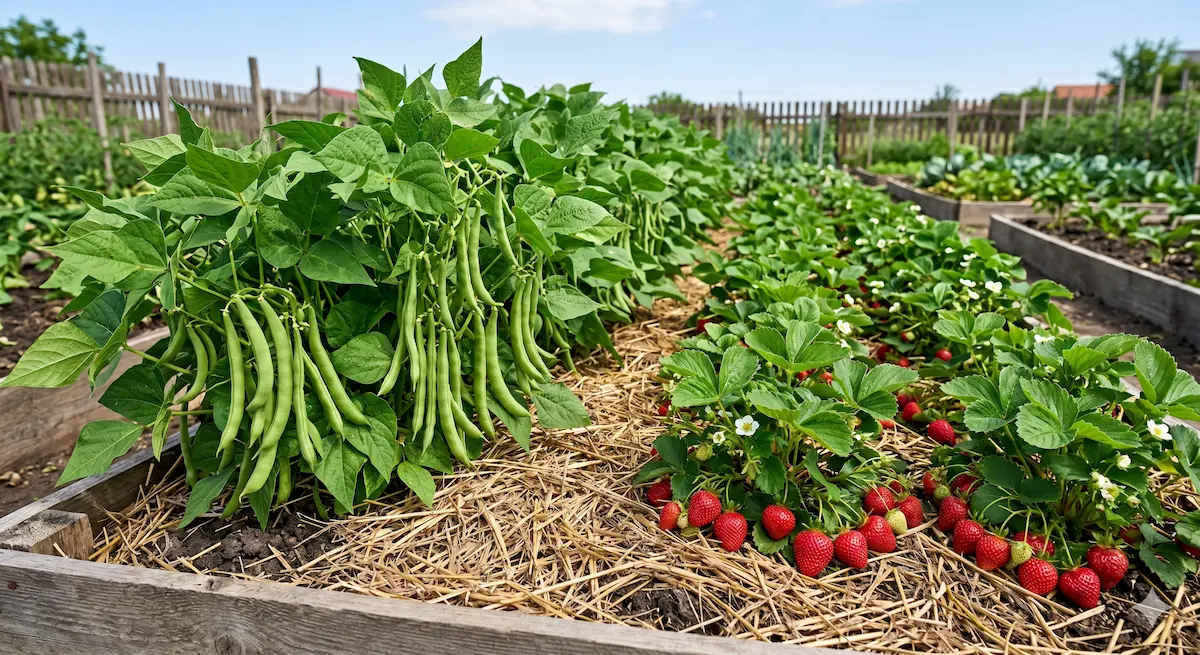
Bean Companion Planting: Ultimate Guide for a Nitrogen Soil Boost
Beans are a free nitrogen factory for your garden. Learn about 8 companion plants that love growing next to legumes and why onions can completely ruin them.
Read more →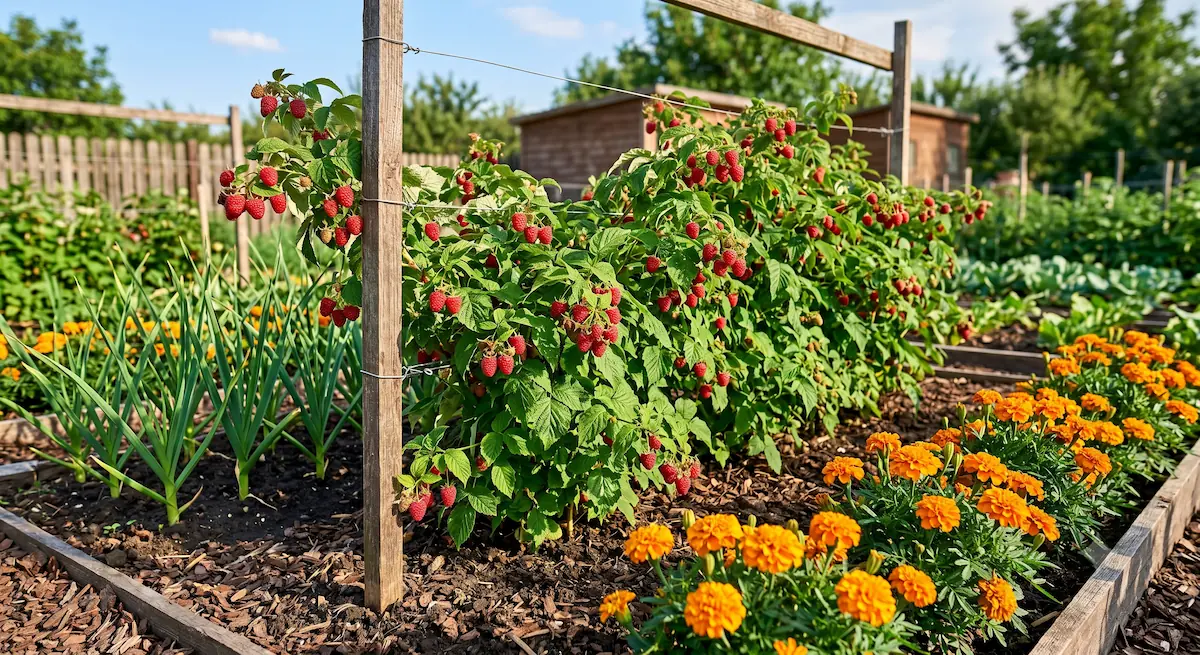
Raspberry Companion Planting: 8 Ideal Partners for Sweet Berries
Raspberries often suffer from aphids, raspberry beetles, and grey mould. A complete guide to selecting companions for a healthy berry patch.
Read more →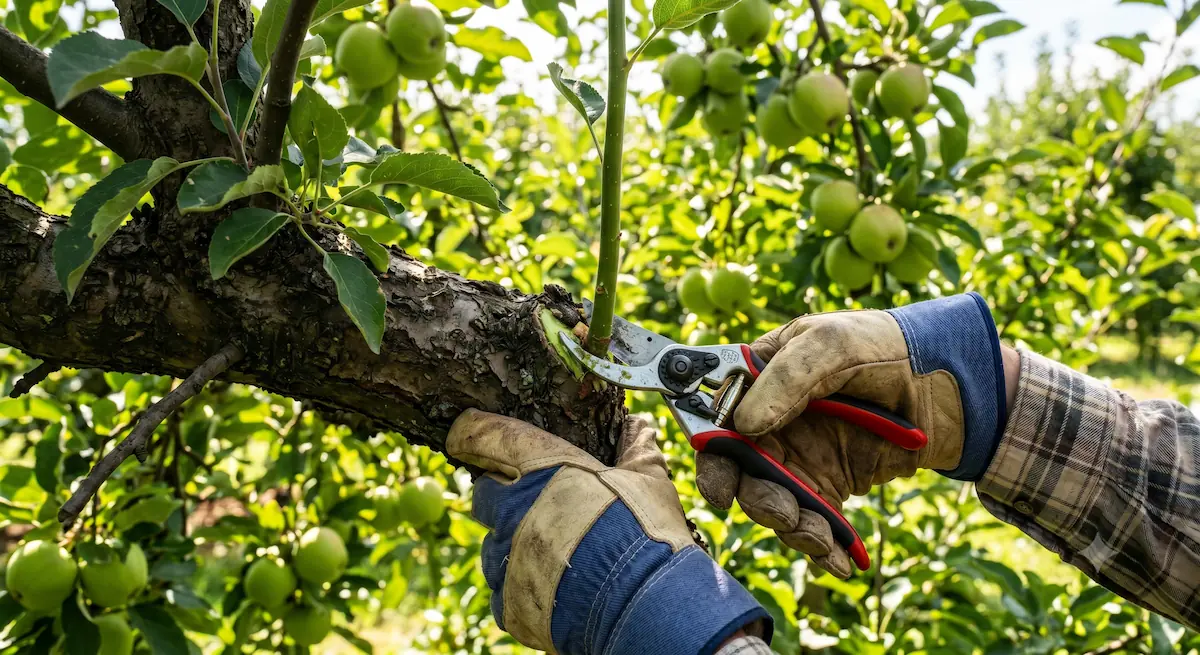
Summer Pruning of Fruit Trees: How to Remove Water Sprouts and Boost Yield
In July and August, trees actively push out energy-sucking water sprouts that shade ripening fruits. Learn the secrets of correct summer orchard pruning.
Read more →