
Autumn Lawn Care and Maintenance: Preparing Turf for Winter and Aeration
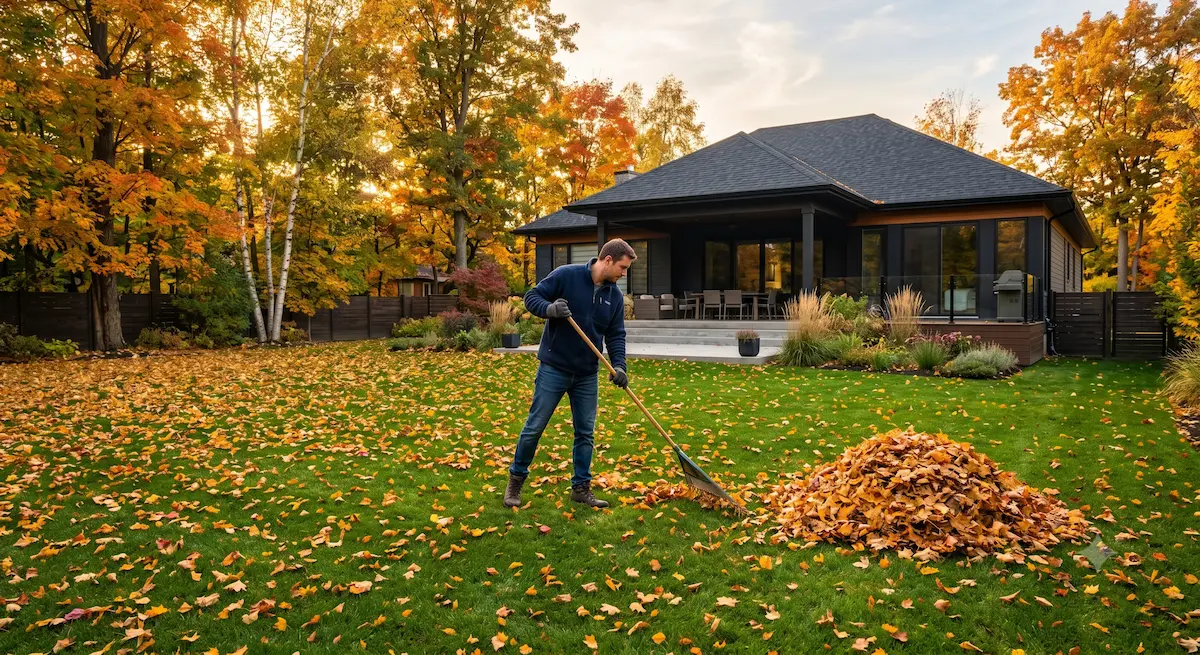
For the lawn to wake up green and dense in spring, it must be properly cared for in autumn. Full guide on scarification and autumn lawn feeding.
A beautiful, bright green lawn near the house is the pride of any property owner. However, for the grass to successfully survive winter frosts and wake up in spring without bald patches or yellow voids, it must be properly managed at the end of the season (August-October). Autumn lawn maintenance fundamentally differs from summer routines, demanding mandatory sanitary and mechanical procedures.
1. Autumn Feeding: Away with Nitrogen, Hello Potassium and Phosphorus!
The most vital rule of late summer is a complete overhaul of your fertilizer formula. While in summer we applied nitrogen for fast green leaf growth, starting from late August, nitrogen feeds are strictly prohibited. They will trigger tender young grass growth that will freeze during initial frost events. In autumn, the lawn craves high doses of phosphorus (to strengthen roots) and potassium (for frost resistance), the actions of which are covered in our NPK fertilizer guide.
2. Mechanical Treatment: Aeration and Scarification of the Turf
Over summer, the earth under the grass gets heavily compacted, and a layer of dead thatch accumulates at the base of the stems. This layer blocks airflow and moisture entry to roots, causing fungal diseases in winter. Conduct scarification — thoroughly comb the lawn with stiff rakes, and then perform aeration — puncture the soil with a fork or specialized aerator 10-15 cm deep.
3. Table of Mandatory Autumn Lawn Care Stages (Good)
| Procedure | How to Correctly Execute at the End of the Season? | Why Is This Critical for Overwintering? |
|---|---|---|
| Final Mowing | Perform the final cut 2 weeks prior to frost windows (late October). Optimal grass height is 5 cm. | Overly tall grass under snow cover will mat and rot, while short grass freezes together with roots. |
| Leaf Cleanup | Regularly gather all fallen tree leaves utilizing a lightweight leaf rake. | Leftover leaves form a thick suffocation blanket under which lawn grass completely rots through winter. |
| Overseeding (Repair) | At bald spots, loosen the ground, add a mixture of lawn seeds and peat, and irrigate plentifully with a watering can. | Seedlings manage to anchor roots before the cold sets in, ensuring a uniform and dense lawn in spring. |
4. Major Turf Errors Owners Make in Autumn (Bad)
- Leaving the lawn uncombed: If you fail to remove the summer layer of old dry thatch, snow mold — the most hazardous lawn disease that burns grass in huge circles — will develop rapidly under the snow. Use correct gear from our gardening tools list.
- Watering during autumn frost spells: Completely cease artificial lawn irrigation in October. Excess underground moisture before soil freezing leads to grass root systems being torn apart by ice.
AgroPlanner Tip: In winter, when the lawn is covered with snow, try not to walk on it and do not pile heavy snow drifts when clearing paths. Compressed ice blocks oxygen entry, resulting in bald spots in spring. Plan your maintenance with us!
AgroPlanner App
Realize your dream garden: check plant compatibility, sun/shade needs, and save your plan easily.

Disclaimer
Important! All information in this blog is for recommendation purposes only. We are developers and enthusiasts, not certified agronomists. Results may vary based on your region, soil type, and weather. We are not responsible for potential errors or crop failures. Please verify critical advice independently!
Found this helpful? Share with friends!
Read more
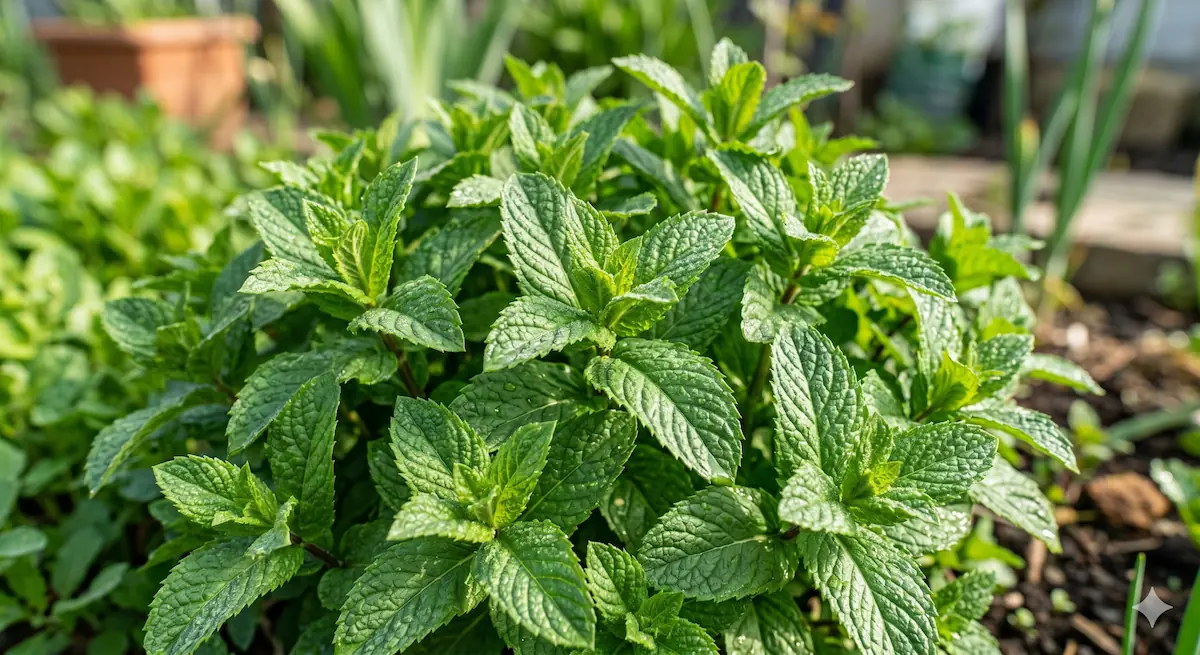
Growing Mint in the Garden: How to Grow Fragrant Greens and Contain the "Invader"
Mint growing secrets from AgroPlanner. Learn why it’s better to plant mint in a confined space, how to ensure a rich aroma, and how to correctly harvest for tea and drinks.
Read more →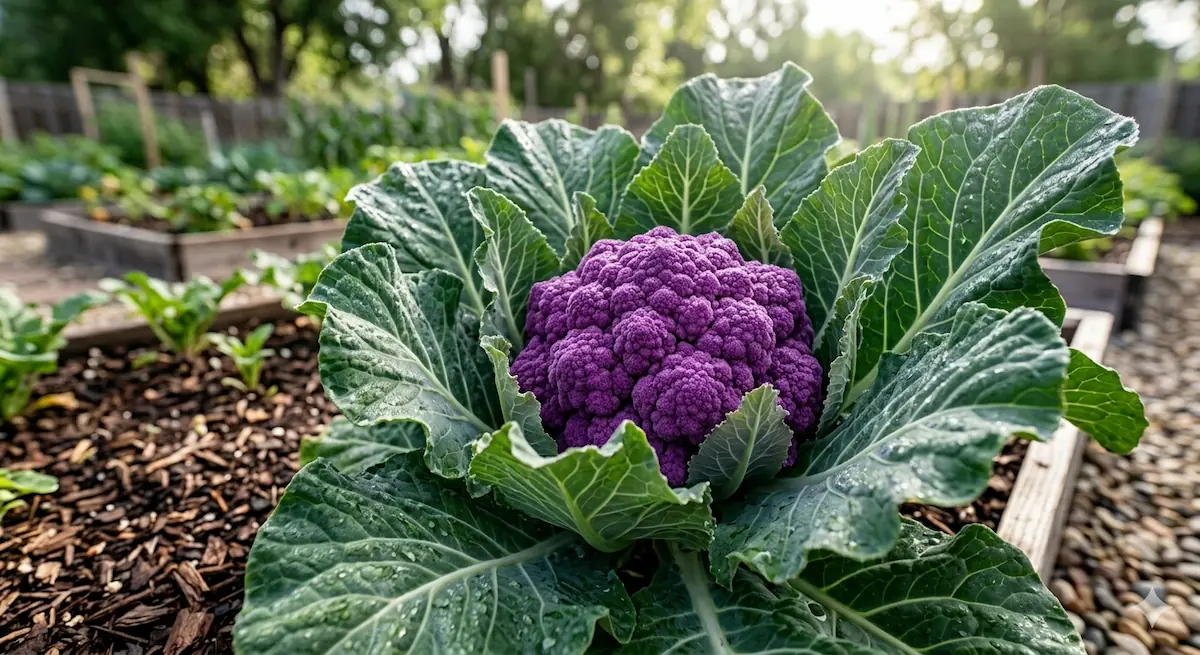
Purple Cauliflower: A Vibrant Antioxidant in Your Garden
Purple cauliflower combines incredible color with double the health benefits. Learn why it’s more tender than white varieties, which soil ensures deep coloring, and how to protect it from summer heat.
Read more →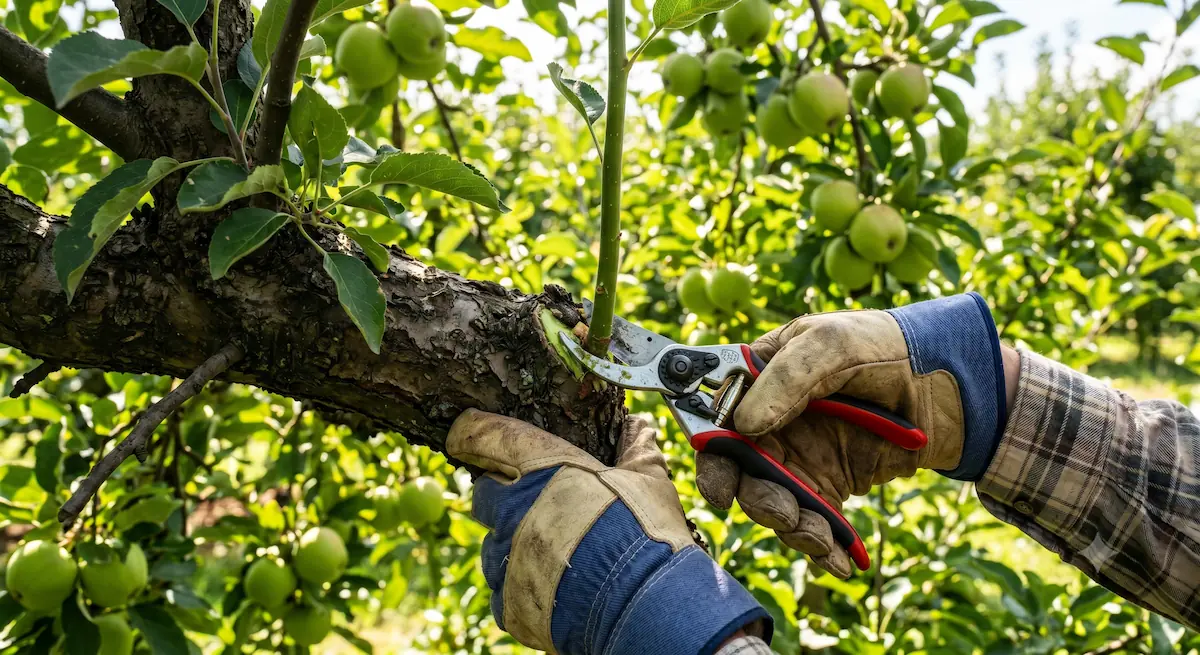
Summer Pruning of Fruit Trees: How to Remove Water Sprouts and Boost Yield
In July and August, trees actively push out energy-sucking water sprouts that shade ripening fruits. Learn the secrets of correct summer orchard pruning.
Read more →