
Azalea and Rhododendron: Secrets to Lush Blooms and Proper Care
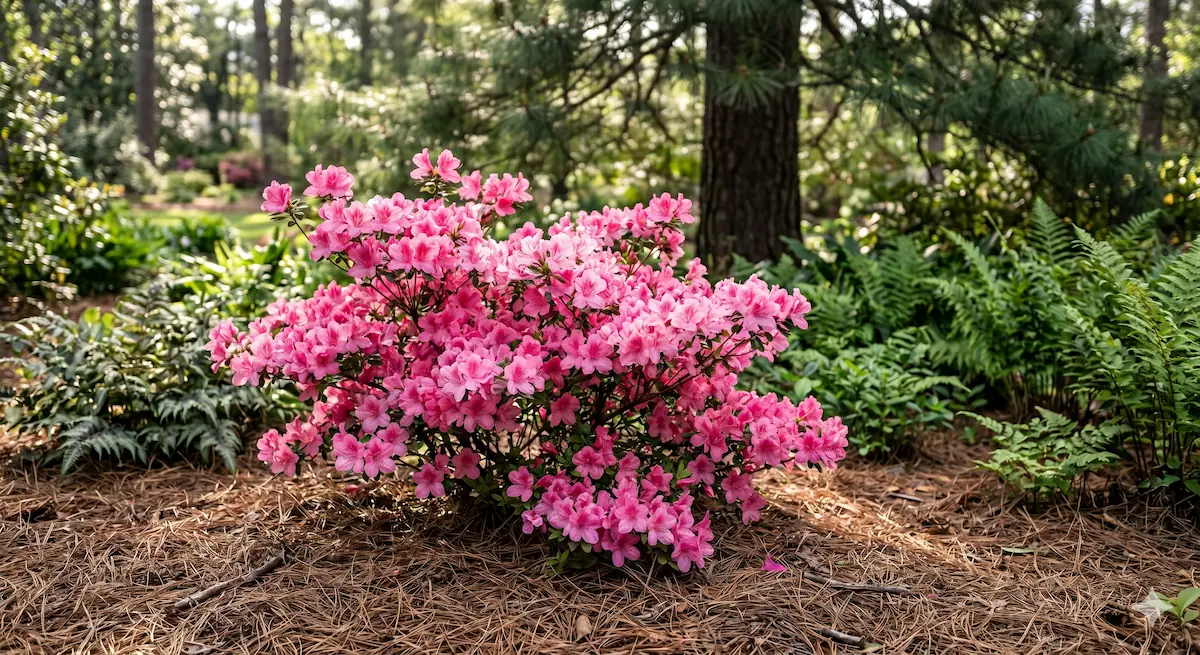
Azaleas are a challenge for any gardener, but the result is worth it. Learn why they can't stand regular soil, who their best friends are, and how to keep them thriving.
Rhododendrons and azaleas are the gems of any garden. Their blooming is so dense that sometimes the leaves are hidden behind the flowers. However, these are "extreme" plants: they thrive in conditions that would kill other flowers, and perish where everything else prospers.
Soil: Living in "Acid" Style
The main reason azaleas wither is incorrect soil. They require a very low pH (4.5–5.5). In regular garden soil, they suffer from chlorosis and stop growing.
- Best Choice: Loose Sandy soils (Type 2) with a high proportion of peat and pine mulch.
- Soil Check: Perform the sausage test. If the earth crumbles and won't hold a shape (Type 2), it's perfect for rapid water drainage, as standing water is fatal for azaleas.
Best Companions (Good)
- Blueberries: A perfect tandem. They share the same "acidic" bed and have identical fertilization schedules.
- Ferns and Hostas: Provide the necessary light partial shade and help maintain the humidity that azaleas love.
- Conifers (Thuja, Junipers): Protect the bushes from wind and naturally acidify the soil with their needles.
Main Enemies (Bad)
- Lime-loving plants (Lavender, Lilac): A total conflict of interests. What's good for lilac will kill an azalea in one season.
- Walnut Trees: The walnut's toxic zone (juglone) acts as a chemical weapon against rhododendrons.
AgroPlanner Tip: Azaleas need a specific spot. In our app, use the **soil type check** to ensure you don't accidentally plant it in a clay sector. The system will also warn you about the **toxic zone** from walnuts. Remember: azaleas love morning sun but fear the scorching midday heat!
AgroPlanner App
Realize your dream garden: check plant compatibility, sun/shade needs, and save your plan easily.

Disclaimer
Important! All information in this blog is for recommendation purposes only. We are developers and enthusiasts, not certified agronomists. Results may vary based on your region, soil type, and weather. We are not responsible for potential errors or crop failures. Please verify critical advice independently!
Found this helpful? Share with friends!
Read more
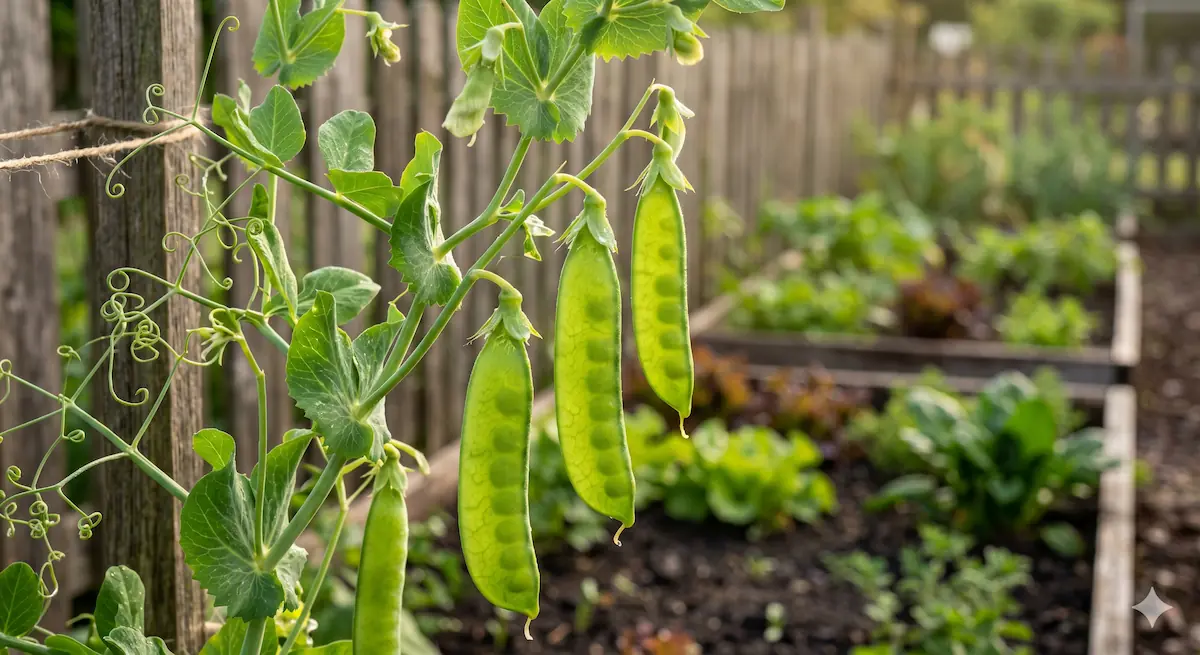
Peas: How to Grow a Sweet Harvest and Enrich Your Soil
Secrets to growing peas: from soil selection to strategic companion planning. Learn how peas act as a natural fertilizer for your garden.
Read more →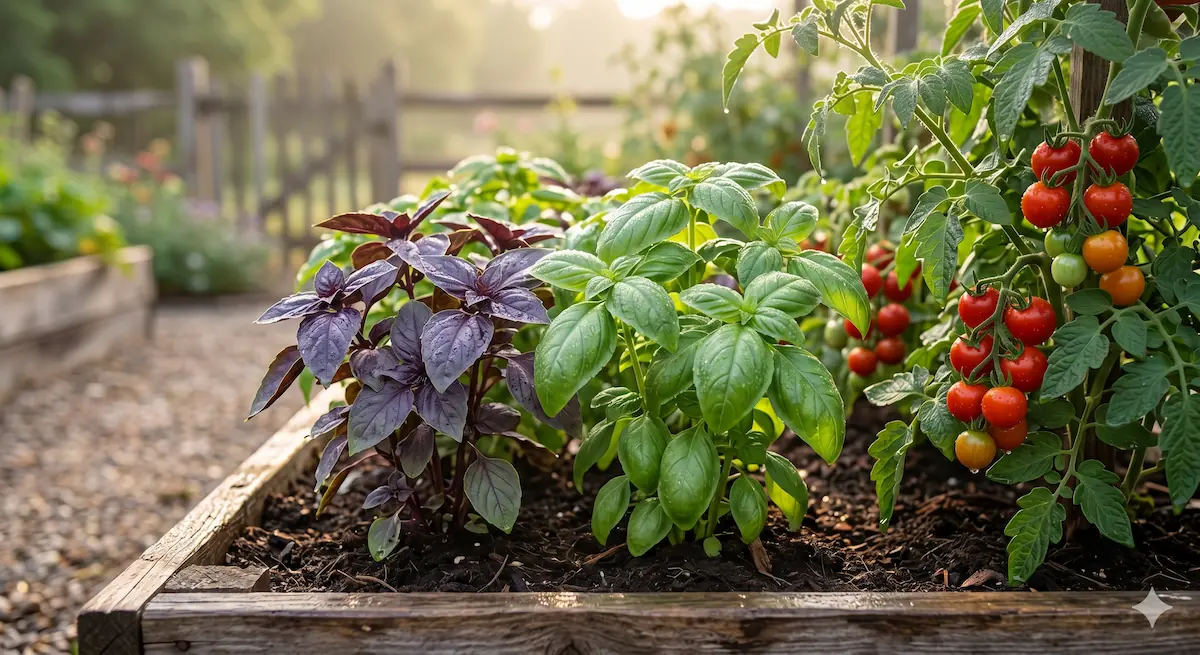
Basil Companion Planting: The Ultimate Guide for a Healthy Garden
Basil doesn't just taste great; it protects your vegetables. Discover the 8 best companions for basil and which herbs you should never plant nearby.
Read more →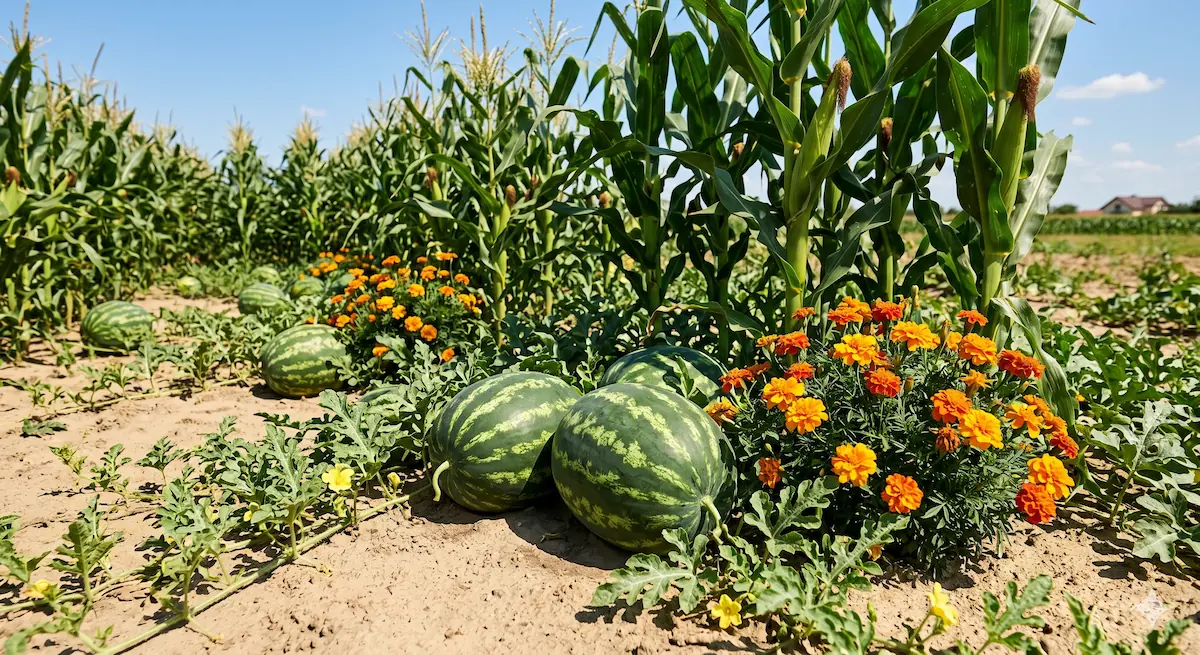
Watermelon Companion Planting: Ultimate Guide for Sweet Giants
Watermelons need plenty of sun and protection from pests. Discover 8 plants that will help attract pollinators, improve fruit flavor, and keep your melon patch healthy.
Read more →