
Strawberry "Zenga Zengana": Unbeatable Fragrance and Color
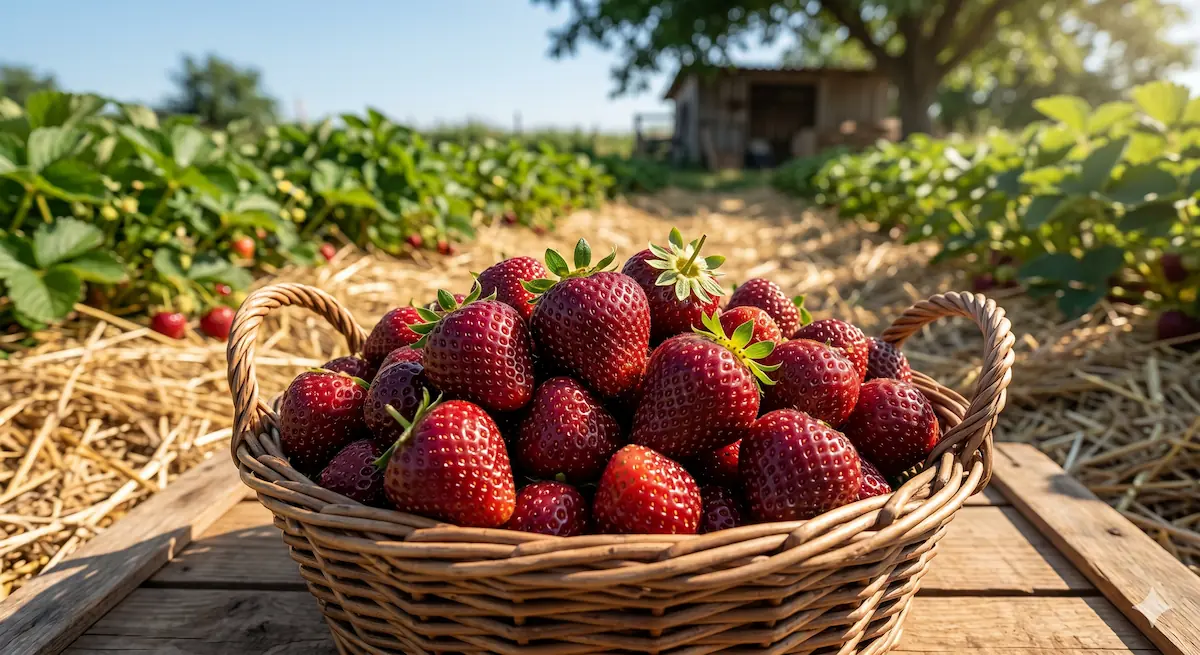
"Zenga Zengana" is a masterpiece of German breeding. Learn why it is the best for jam, which soil it prefers, and who its best garden friends are for pest protection.
"Zenga Zengana" (Senga Sengana) is a late-season strawberry variety. Its berries possess the intense aroma of wild strawberries and dense, dark-red flesh. While frost-resistant, it requires attention during rainy summers to prevent gray mold.
Soil: Where Does the Strawberry Feel at Home?
This variety prefers light, breathable soils with high organic content. Heavy soil can cause the root system to suffer from a lack of oxygen.
- Best Choice: Fertile Sandy soils (Type 2) or light Loamy soils (Type 1).
- Soil Check: Perform the sausage test. If the soil crumbles and won't hold a stick shape (Type 2), it's paradise for strawberry runners.
Best Companions (Good)
- Garlic: An ideal bodyguard. Garlic's phytoncides repel pests and prevent fungal diseases. Check our garlic growing guide to create a protective tandem.
- Sweet Cherry: Strawberries thrive in the dappled shade of large trees, like Valeriy Chkalov cherry, getting much-needed relief during the midday heat.
Main Enemies (Bad)
- Raspberries: They share common pests (like the strawberry blossom weevil). If raspberries are too close, you might lose your strawberry flowers.
- Cabbage: It strips the soil of the nutrients strawberries need to set buds for the following year.
- Walnut Trees: The walnut's toxic zone inhibits growth, making strawberry bushes weak and sterile.
AgroPlanner Tip: "Zenga Zengana" forms a vigorous bush with dense foliage. In our app, it occupies a 1x1 grid, but we recommend 30-40 cm spacing for better ventilation. The system will alert you if you plant it too close to raspberries and remind you to mulch with straw regularly.
AgroPlanner App
Realize your dream garden: check plant compatibility, sun/shade needs, and save your plan easily.

Disclaimer
Important! All information in this blog is for recommendation purposes only. We are developers and enthusiasts, not certified agronomists. Results may vary based on your region, soil type, and weather. We are not responsible for potential errors or crop failures. Please verify critical advice independently!
Found this helpful? Share with friends!
Read more
Lavender in the Garden: Growing a Pollinator Magnet and Moth Repellent
Discover why lavender is the perfect companion for fruit trees and cabbage. Tips for growing in sandy soil and using it in our garden planner for a better harvest.
Read more →
Roses in the Garden: The Queen of Flowers and the Main Grape Health Indicator
Discover why experienced vine growers always plant roses next to their vines. A guide on growing, pest control, and using roses as bio-indicators in our garden planner.
Read more →
How to Extend Cucumber Fruiting in August: Harvesting Until October
In August, due to cold nights and mists, cucumbers often stop growing. Learn the secrets of protecting vines and stimulating new ovaries in late summer.
Read more →