
How to Extend Cucumber Fruiting in August: Harvesting Until October
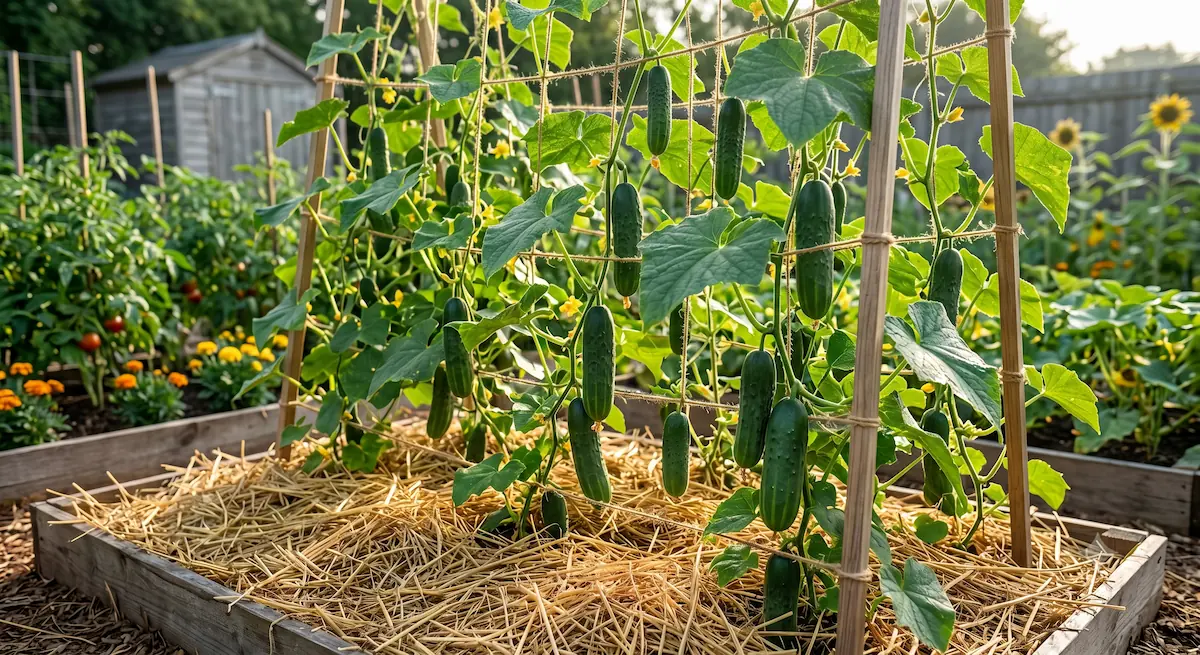
In August, due to cold nights and mists, cucumbers often stop growing. Learn the secrets of protecting vines and stimulating new ovaries in late summer.
In August, most gardeners notice that cucumber beds begin to wither rapidly: leaves turn yellow, vines dry out, and new green fruits barely appear. The primary cause is the physiological stress of the plant due to sharp temperature fluctuations, when days are still hot but night temperatures drop to +12-15°C. However, if you adjust your care routines, you can easily extend the harvest of crunchy cucumbers until the first autumn frosts.
1. Protecting Cucumber Roots from Night Chills
Cucumbers are absolute tropical residents; their roots stop functioning if soil temperatures drop below +12°C. In August, the ground cools down swiftly at night. To save your bushes, make sure to blanket the bed with a thick layer of dry straw or grass clips (at least 10-15 cm). Mulch works like a blanket, retaining daytime heat in the soil. You can also find useful advice on general irrigation in our basic cucumber guide.
2. Rejuvenating Summer Pruning and Ovary Stimulation
By the end of summer, cucumber vines become overly elongated and exhausted. Conduct an inspection of your bushes: ruthlessly prune away all old, yellowed, and spotted leaves at the bottom of the plant. This frees up energy for the formation of new lateral shoots where fresh fruit ovaries develop. If a white powdery coating appears on the leaves, immediately use the instructions from our powdery mildew management guide.
3. Table Comparing Summer vs. August Cucumber Care (Good)
| Care Aspect | How We Did It in June-July? | How to Do It in August-September? |
|---|---|---|
| Watering Time | Irrigation late in the evening so water doesn't evaporate under the sun. | Watering strictly in the morning with warm water (+22-25°C) to prevent overnight root chilling. |
| Feeding Type | Applying nitrogen and organics for rapid vine and leaf expansion. | Foliar spraying over leaves with potassium and phosphorus (ash infusion) for immunity and fruit ripening. |
| Weather Protection | Maximum ventilation and wide-open open-air trellises. | Covering bushes at night with lightweight row fabric to protect from cold mists and heavy dews. |
4. What is Strictly Forbidden in Late Summer? (Bad mistakes)
- Watering with cold borehole water: In August, this leads to immediate death of fine root hairs, root rot development, and complete termination of fruiting within 2 days.
- Damaging vines during harvest: Do not flip or twist cucumber vines on the trellis while picking fruit. Disorienting leaf position relative to the sun causes severe plant stress and ovary yellowing.
AgroPlanner Tip: To support an aging bush, spray it over the leaves with a urea solution (1 tablespoon per 10 liters of water). This triggers a new wave of fresh green leaf growth. Track your harvest schedule in our tool!
AgroPlanner App
Realize your dream garden: check plant compatibility, sun/shade needs, and save your plan easily.

Disclaimer
Important! All information in this blog is for recommendation purposes only. We are developers and enthusiasts, not certified agronomists. Results may vary based on your region, soil type, and weather. We are not responsible for potential errors or crop failures. Please verify critical advice independently!
Found this helpful? Share with friends!
Read more
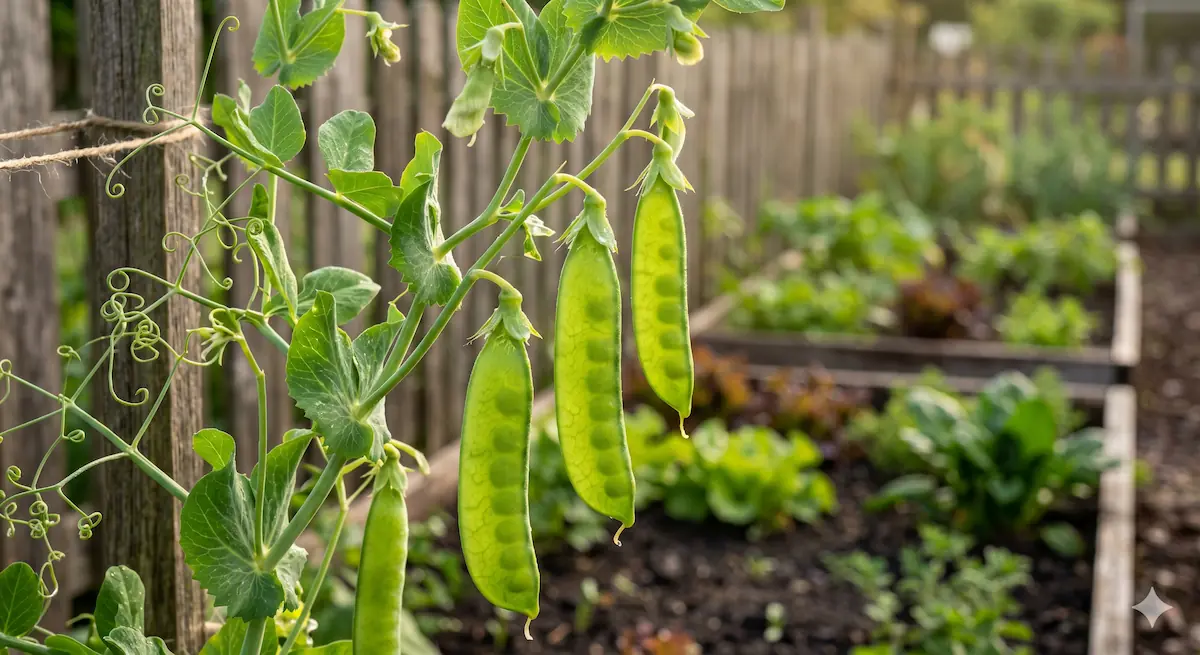
Peas: How to Grow a Sweet Harvest and Enrich Your Soil
Secrets to growing peas: from soil selection to strategic companion planning. Learn how peas act as a natural fertilizer for your garden.
Read more →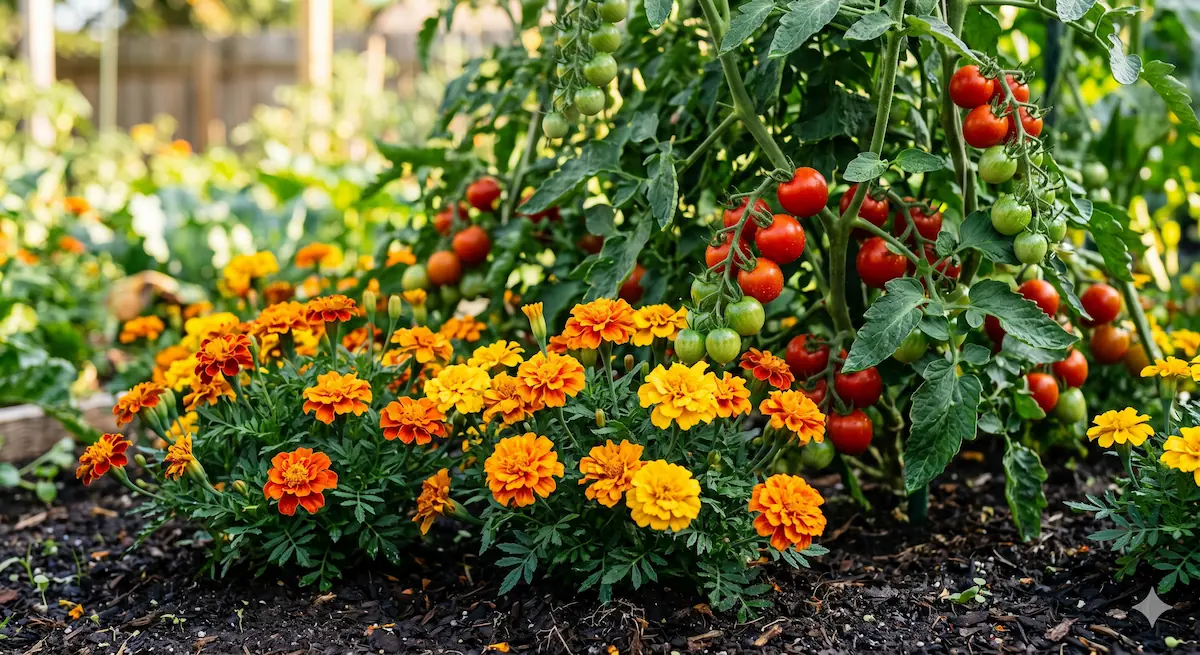
Marigolds: Growing a Living Shield for Your Vegetable Garden
Skip the pesticides! Discover how marigolds protect tomatoes and potatoes from pests, heal the soil, and why they are a must-have in your AgroPlanner layout.
Read more →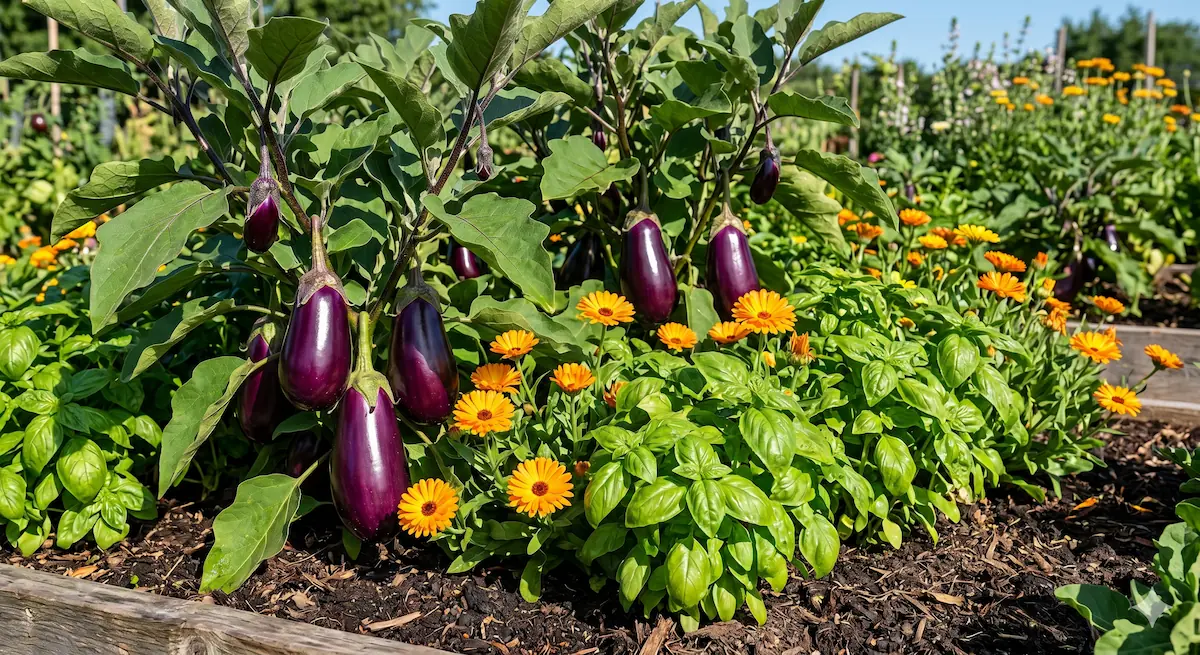
Eggplant Companion Planting: The Ultimate Guide to a Bountiful Harvest
Eggplants are often targets for Colorado beetles and aphids. Discover 8 plants that will help you protect your crops without chemicals and which neighbors to avoid.
Read more →