
"Duke" Blueberry: Early Harvest and Acidic Soil Secrets
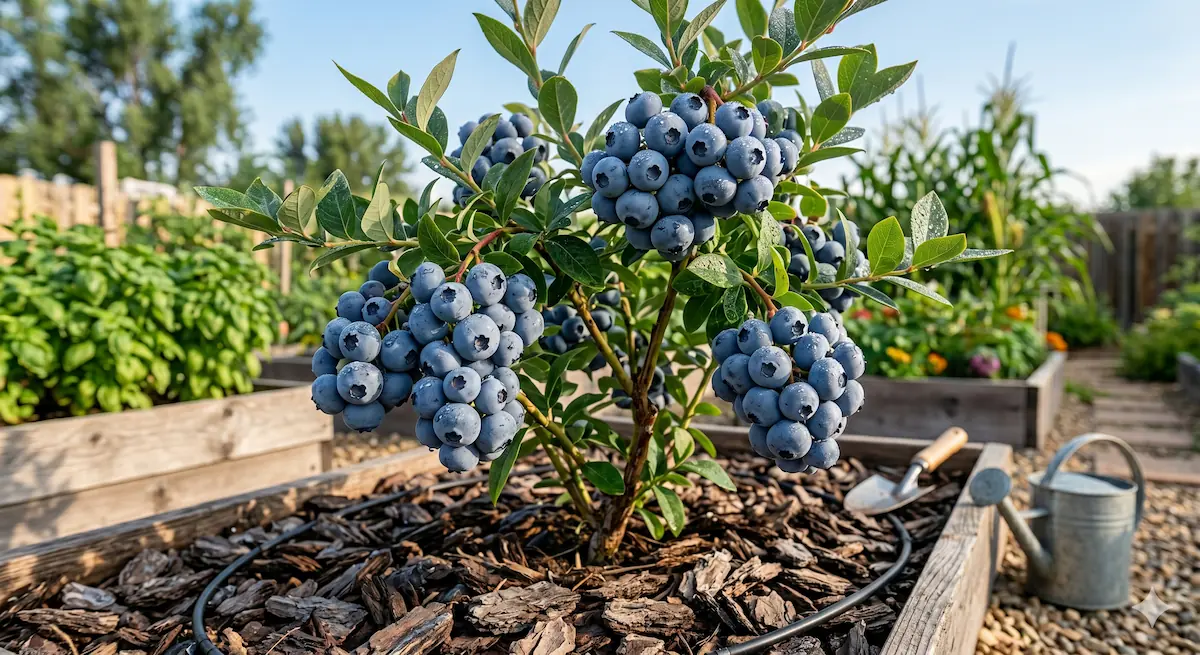
The "Duke" variety is the standard for early blueberries. Learn why regular garden soil is lethal for it and what to plant nearby for the sweetest berries.
The "Duke" blueberry variety is prized for its reliability. It blooms late enough to escape spring frosts, yet the fruit ripens very quickly—you can harvest the first berries as early as July. They are large, crunchy, and incredibly sweet.
Soil: The Ultimate Key to Success
Blueberry is one of the few crops that absolutely cannot grow in regular garden soil. If planted in typical black soil, it will likely perish within 1-2 years.
- Best Choice: A specialized acidic substrate based on Red Peat and Sand (pH 4.5-5.2).
- Soil Check: The sausage test won't help here—you need a pH meter. Blueberries prefer light Sandy Loams (Type 2), provided they are artificially acidified with sulfur or pine needles.
Best Companions (Good)
- Cranberries and Lingonberries: Perfect neighbors that share the same microclimate and acidic soil needs.
- Conifers (Juniper, Pine): Their needles naturally help maintain the low soil pH as they decompose.
- Rhododendrons: If you want beauty, plant them nearby—they adore the same peat-rich "diet."
Main Enemies (Bad)
- Lime-loving plants (Lavender, Clematis): You cannot satisfy both; one will suffer from the pH level required by the other.
- Walnut Trees: The toxic juglone from walnuts is lethal to blueberries, completely stunting their growth.
AgroPlanner Tip: The "Duke" root system is very delicate. In our app, be sure to use the soil type check to ensure you've selected the correct sector for an acidic substrate. The system will also automatically warn you about the toxic zone from walnuts, which can completely block the bush's development. Always mulch the base with pine bark.
AgroPlanner App
Realize your dream garden: check plant compatibility, sun/shade needs, and save your plan easily.

Disclaimer
Important! All information in this blog is for recommendation purposes only. We are developers and enthusiasts, not certified agronomists. Results may vary based on your region, soil type, and weather. We are not responsible for potential errors or crop failures. Please verify critical advice independently!
Found this helpful? Share with friends!
Read more
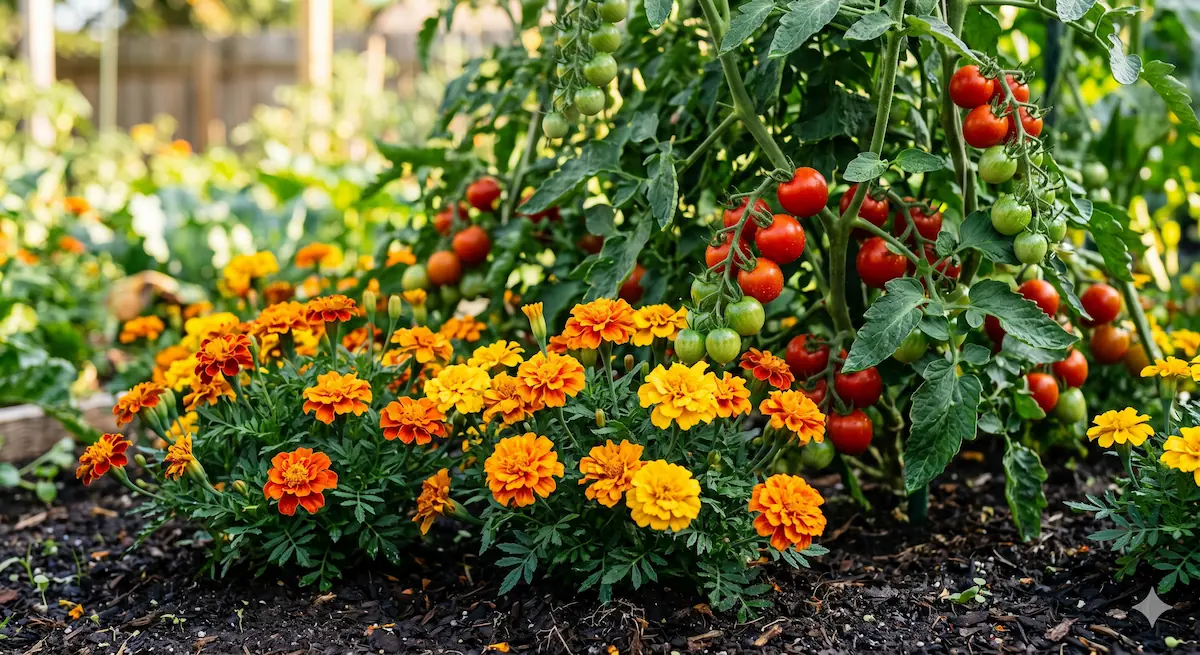
Marigolds: Growing a Living Shield for Your Vegetable Garden
Skip the pesticides! Discover how marigolds protect tomatoes and potatoes from pests, heal the soil, and why they are a must-have in your AgroPlanner layout.
Read more →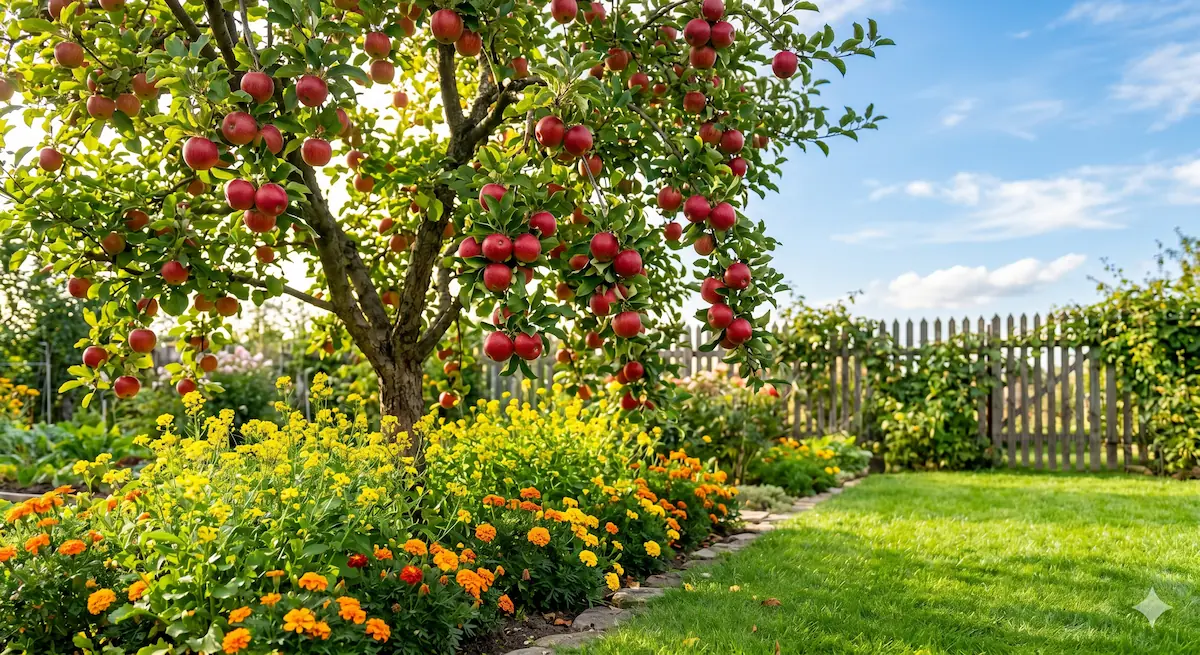
Apple Tree as the Foundation of Your Orchard: Planting and Companion Rules
The apple tree is the queen of the fruit garden. Learn how to choose the right soil using the "sausage test" and which neighbors to avoid to prevent diseases.
Read more →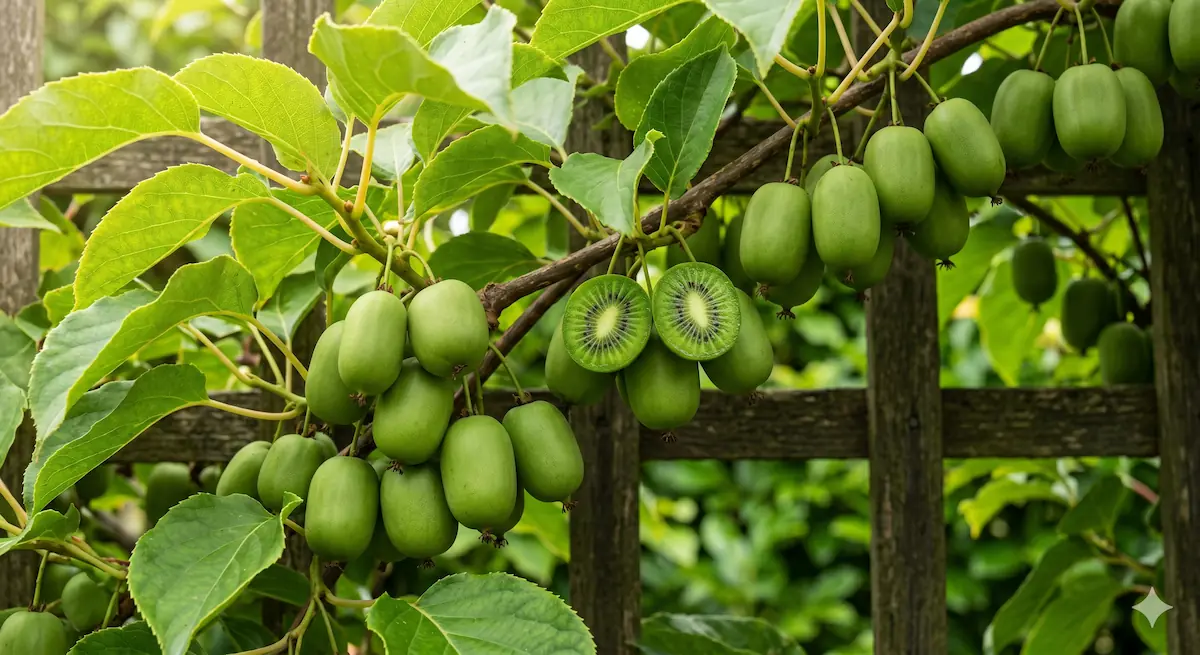
Actinidia "Issai": The Mini-Kiwi You Don't Have to Peel
Actinidia is a vine with fruits that taste like premium kiwi with notes of pineapple. Learn what soil it prefers, why cats love it, and how to harvest buckets of berries from one bush.
Read more →