
Snowball Cauliflower: The Classic for Pure White Heads
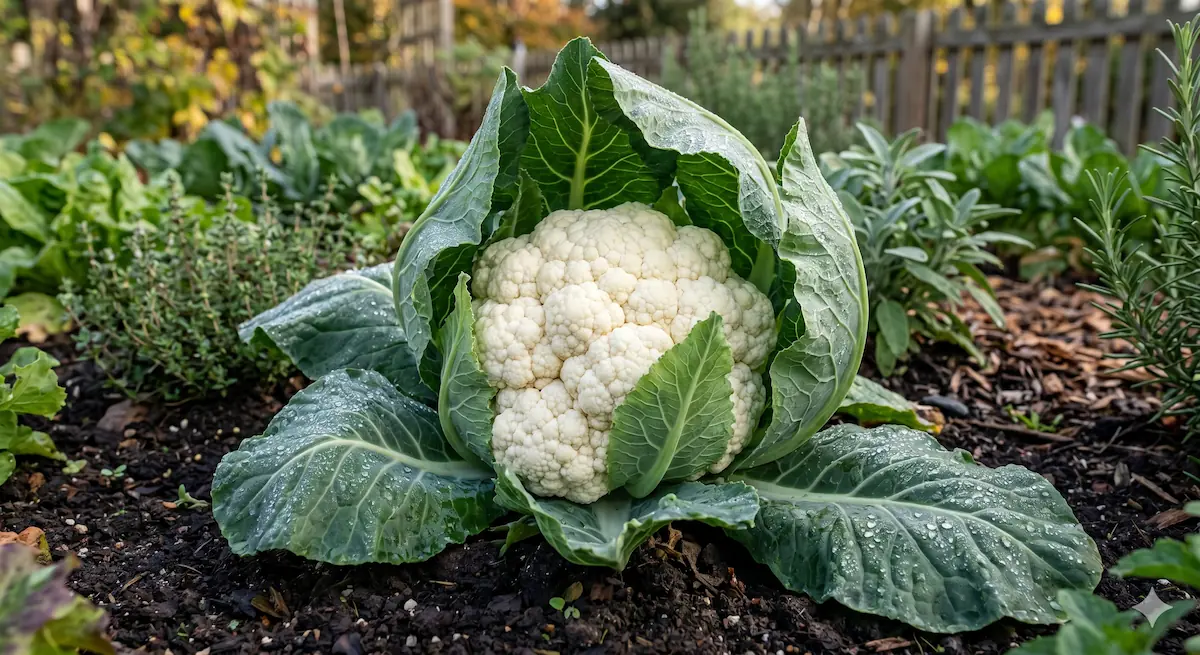
Snowball is one of the most popular early cauliflower varieties. Discover the secrets to keeping the heads white, why it needs regular watering, and how to protect it from the heat.
Snowball Cauliflower is prized by gardeners for its dense, snow-white heads weighing up to 1 kg. It is an early-maturing variety, yielding a harvest 60-70 days after transplanting. The main challenge with Snowball is protecting the delicate heads from direct sunlight to prevent yellowing.
Soil: Where Does Snowball Grow Pure White?
Cauliflower is very sensitive to soil structure and micronutrient content (especially boron and molybdenum).
- Best Choice: Moisture-retentive Loamy soils (Type 1) with a neutral pH.
- Soil Check: Perform the sausage test. If the soil holds its shape (Type 1), it’s great: Snowball cannot tolerate even brief root drying.
Best Companions (Good)
- Celery: Its aroma repels many common cabbage pests.
- Chamomile: Promotes better growth and improves the cauliflower's flavor.
- Bush Beans: Enrich the soil with the nitrogen that Snowball desperately needs.
Main Enemies (Bad)
- Walnut Trees: The traditional no-go zone. In the walnut's toxic zone, Snowball will simply fail to form a head.
- Tomatoes: Often act as carriers for shared diseases.
- Heat Above 25°C: In high temperatures, Snowball heads become loose and start to "bolt."
AgroPlanner Tip: To keep the Snowball head pure white, experienced gardeners snap the upper leaves and fold them over the developing curd. In our app, this cauliflower occupies a 1x1 grid. The system will check the moisture level of your sector and will flag the walnut toxic zone in red to ensure your harvest is perfect.
AgroPlanner App
Realize your dream garden: check plant compatibility, sun/shade needs, and save your plan easily.

Disclaimer
Important! All information in this blog is for recommendation purposes only. We are developers and enthusiasts, not certified agronomists. Results may vary based on your region, soil type, and weather. We are not responsible for potential errors or crop failures. Please verify critical advice independently!
Found this helpful? Share with friends!
Read more
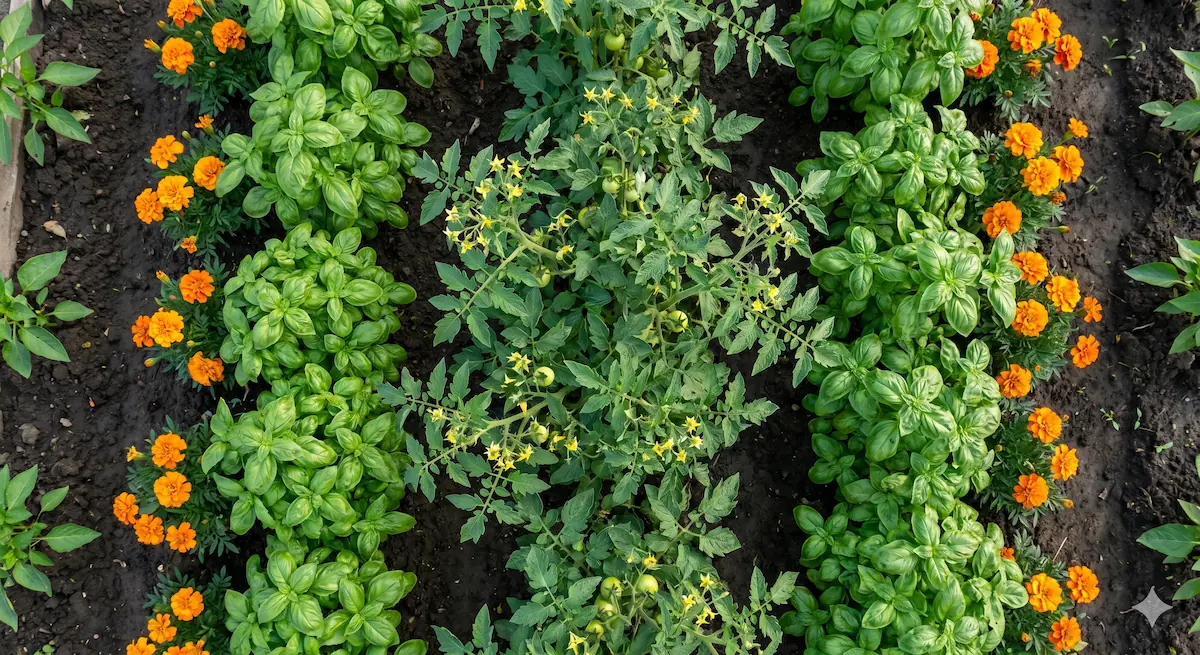
Tomato Companion Planting: Who to Plant With and Who to Avoid
Planning to plant tomatoes? Find out which neighbors help tomatoes grow faster and which ones can completely ruin your harvest.
Read more →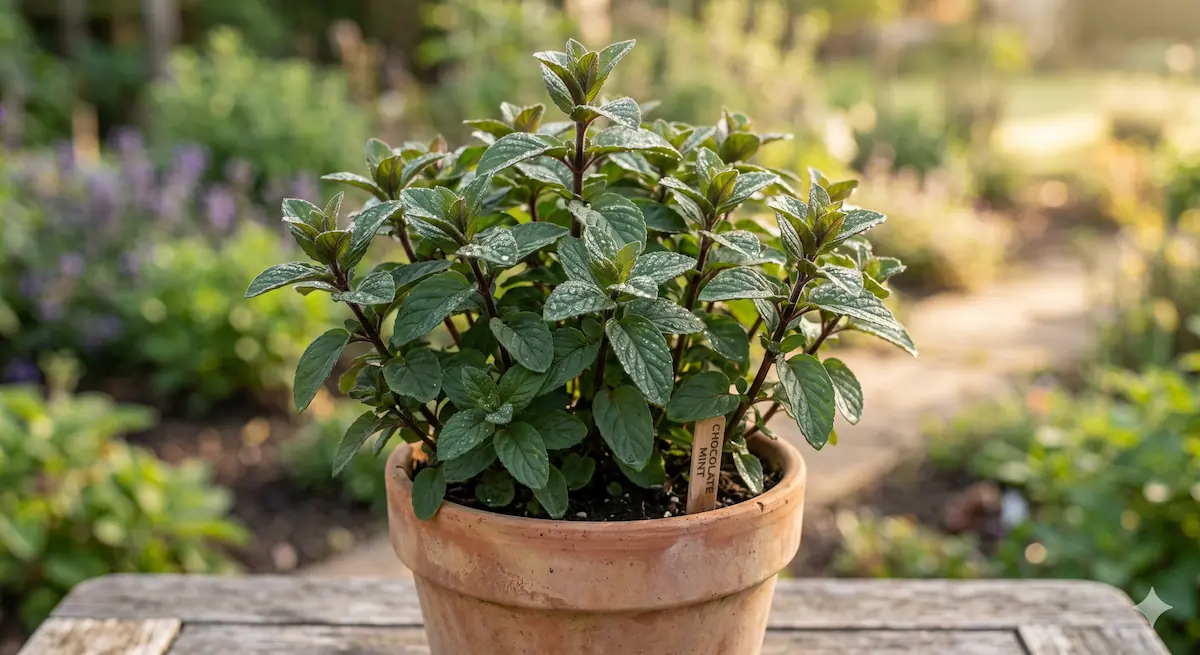
Chocolate Mint: A Dessert Aroma in Your Garden
Mint that tastes like chocolate is not a myth. Learn how to plant this aromatic herb, why it needs a "limiter," and how to make its color as rich as possible.
Read more →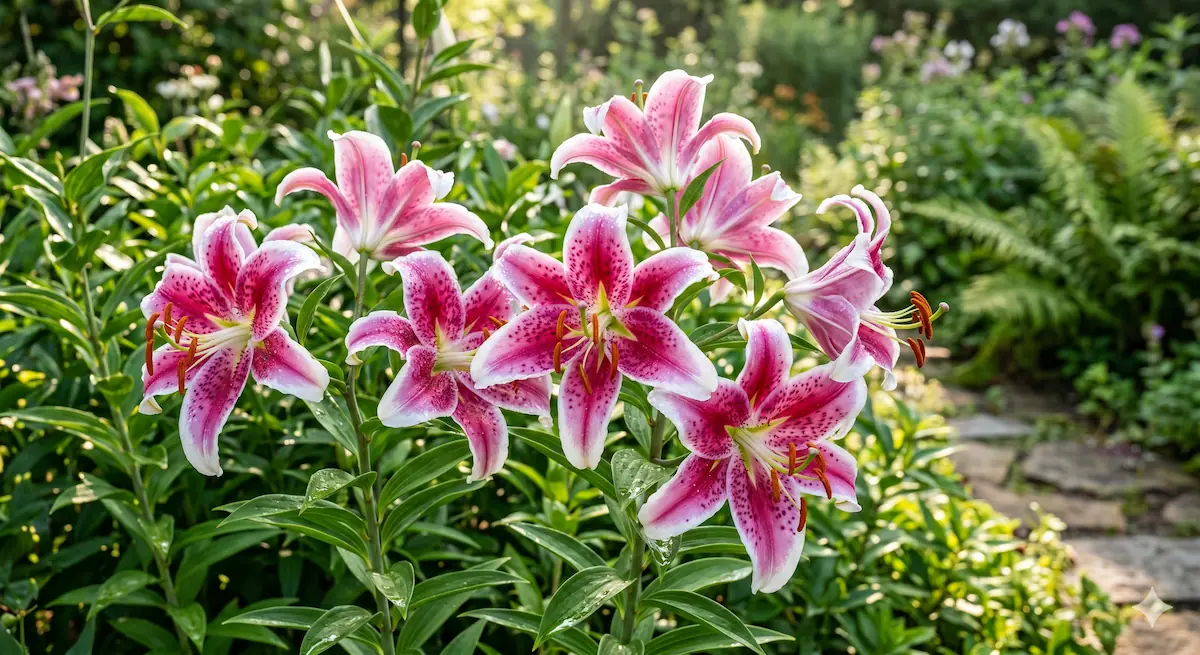
Lilies: How to Grow Elegant and Fragrant Garden Queens
Lilies are the centerpiece of any ornamental garden. Learn how to choose a sunny spot, why bulbs fear stagnant water, and which companions protect these delicate blooms.
Read more →