
Lilies: How to Grow Elegant and Fragrant Garden Queens
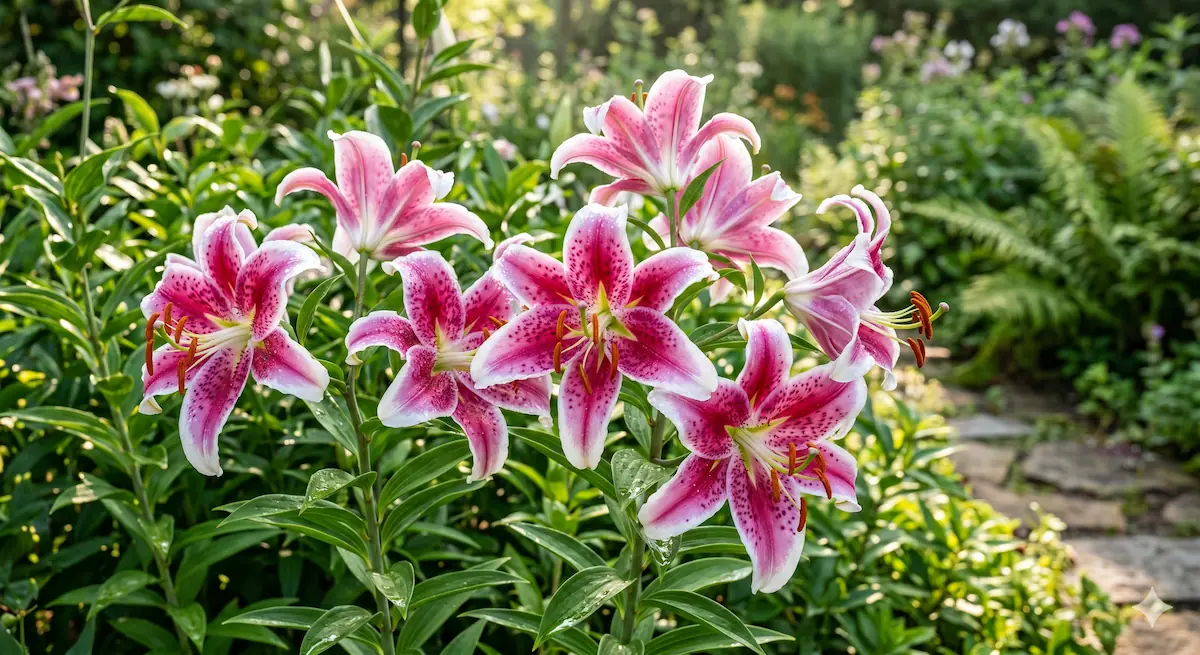
Lilies are the centerpiece of any ornamental garden. Learn how to choose a sunny spot, why bulbs fear stagnant water, and which companions protect these delicate blooms.
Lilies (Lilium) are among the most respected ornamental crops. With thousands of varieties — from delicate Asiatics to majestic Trumpet lilies — you can create a garden that remains fragrant all season. Lilies require attention to detail, but their bloom is a true reward for any gardener.
Soil: Where Does the Lily Reach Its Full Potential?
Lilies need loose, nutrient-rich soil that allows air to reach the bulbs easily.
- Best Choice: Fertile Loamy soils (Type 1) or light Sandy loams (Type 2) with added compost.
- Soil Check: Perform the sausage test. If the soil rolls into a stick that crumbles when forming a ring (Type 1), it's ideal: the roots get nutrition and necessary drainage.
Best Companions (Good)
Lilies love the "head in the sun, feet in the shade" rule:
- Hostas and Heucheras: Their foliage covers the ground around the lilies, protecting bulbs from overheating.
- Lavender: Its scent repels pests like the lily leaf beetle. Check our lavender Munstead guide.
- Low-growing Phlox: Creates a beautiful lower tier that helps retain moisture.
Main Enemies (Bad)
- Walnut Trees: Walnut juglone suppresses lily bulb development. In the walnut's toxic zone, lilies may fail to bloom entirely.
- Heavy Clay (Type 3): Heavy soil traps water, leading to rapid bulb rot, especially during winter.
- Fresh Manure: Strictly forbidden! Fresh organics burn the bulbs and provoke fungal diseases.
AgroPlanner Tip: Lilies need a spot protected from strong winds so their tall stems don't break. In our app, a group of lilies occupies a 1x1 or 2x2 grid. The system will check the light level and definitely flag the walnut toxic zone in red to keep your flowers healthy.
AgroPlanner App
Realize your dream garden: check plant compatibility, sun/shade needs, and save your plan easily.

Disclaimer
Important! All information in this blog is for recommendation purposes only. We are developers and enthusiasts, not certified agronomists. Results may vary based on your region, soil type, and weather. We are not responsible for potential errors or crop failures. Please verify critical advice independently!
Found this helpful? Share with friends!
Read more
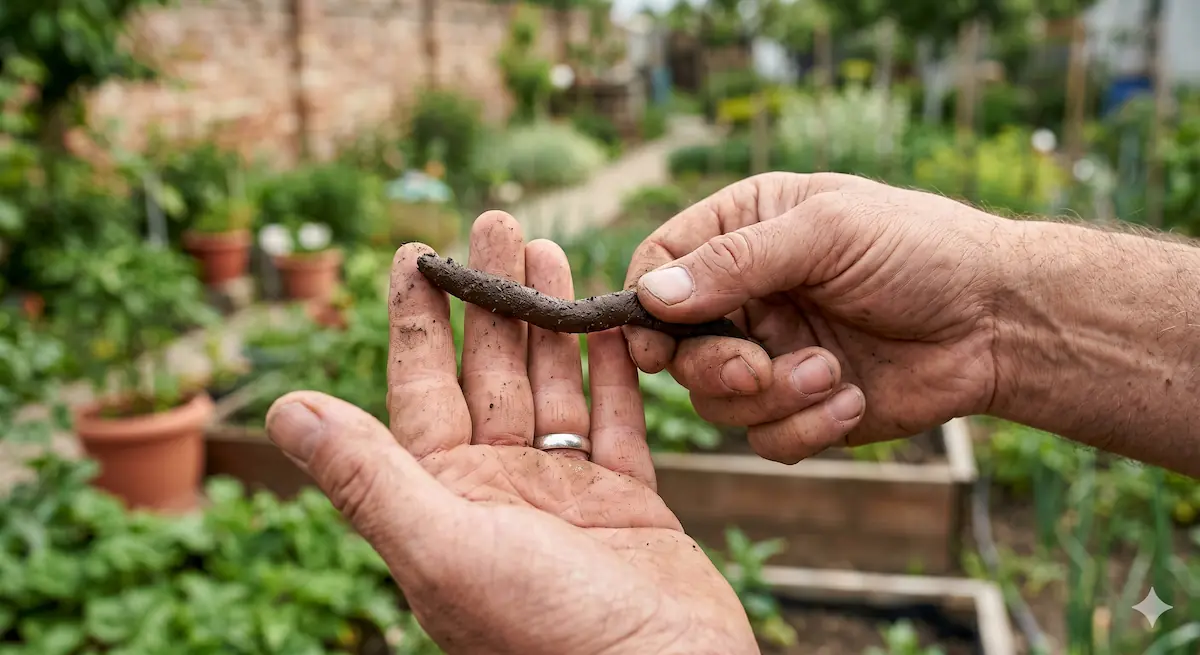
The "Sausage" Test: How to Determine Your Soil Type in 5 Minutes
Stop buying expensive equipment! Learn how to identify your soil structure—from loose sand to heavy clay—using just a handful of earth and some water.
Read more →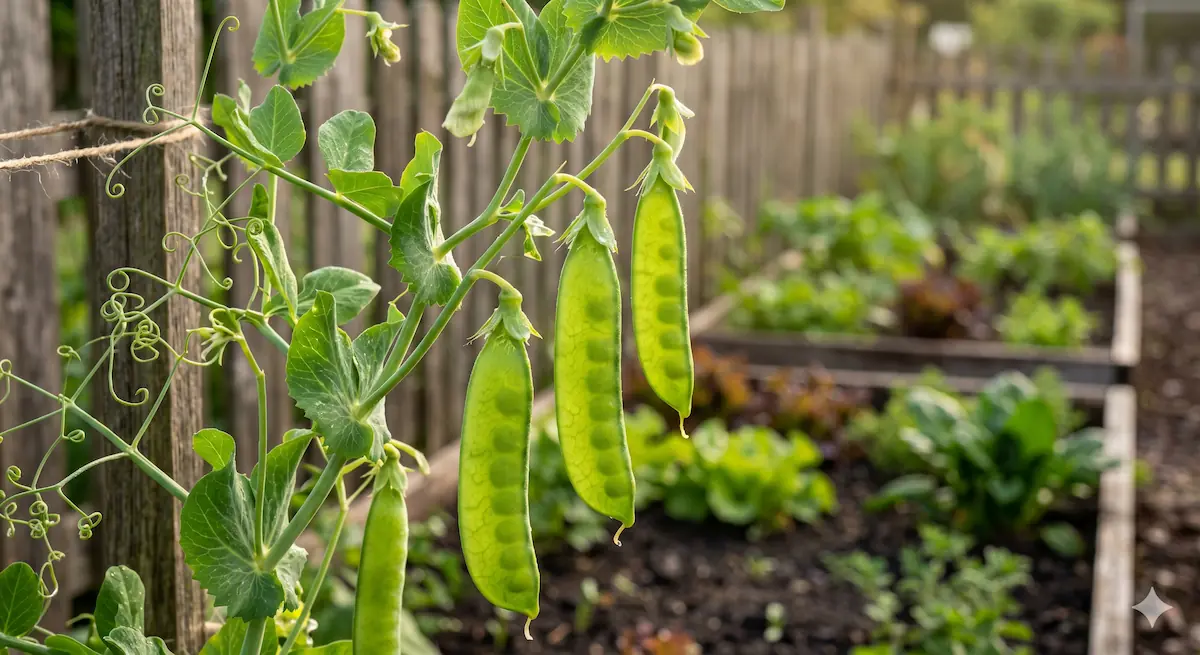
Peas: How to Grow a Sweet Harvest and Enrich Your Soil
Secrets to growing peas: from soil selection to strategic companion planning. Learn how peas act as a natural fertilizer for your garden.
Read more →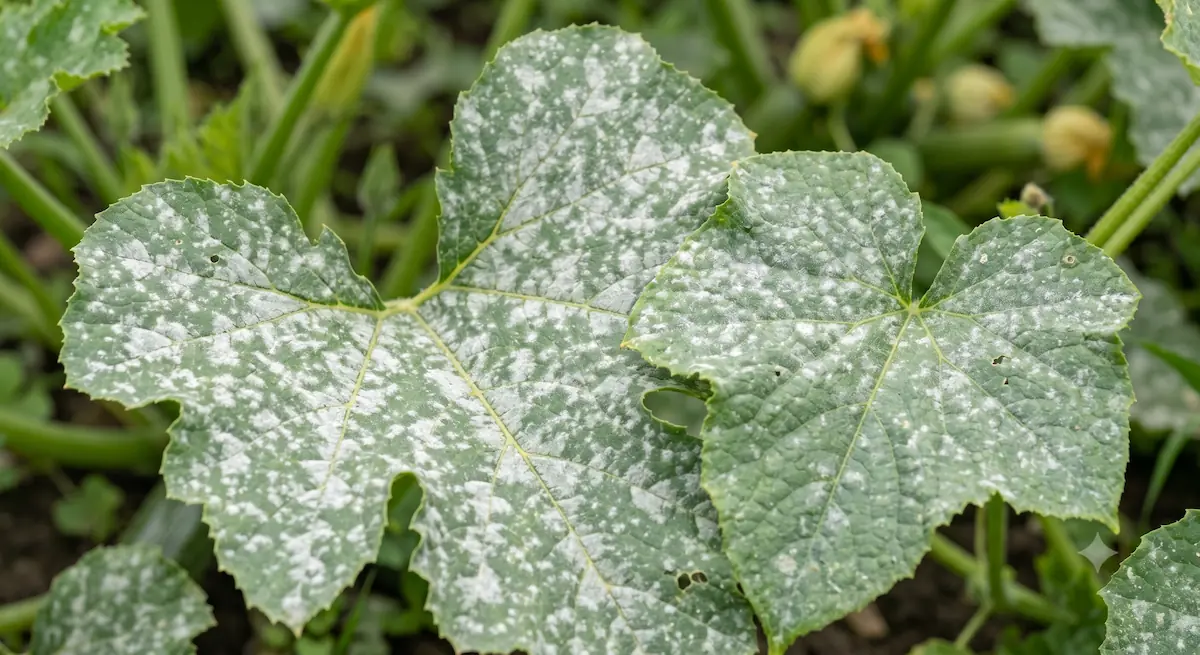
Powdery Mildew on Cucumbers and Zucchini: Summer Rescue Guide
White coating on cucumber and zucchini leaves can destroy your whole harvest. Discover the causes of powdery mildew and best eco-friendly treatment remedies.
Read more →