
Medlar: A Forgotten Delicacy That Loves the Frost
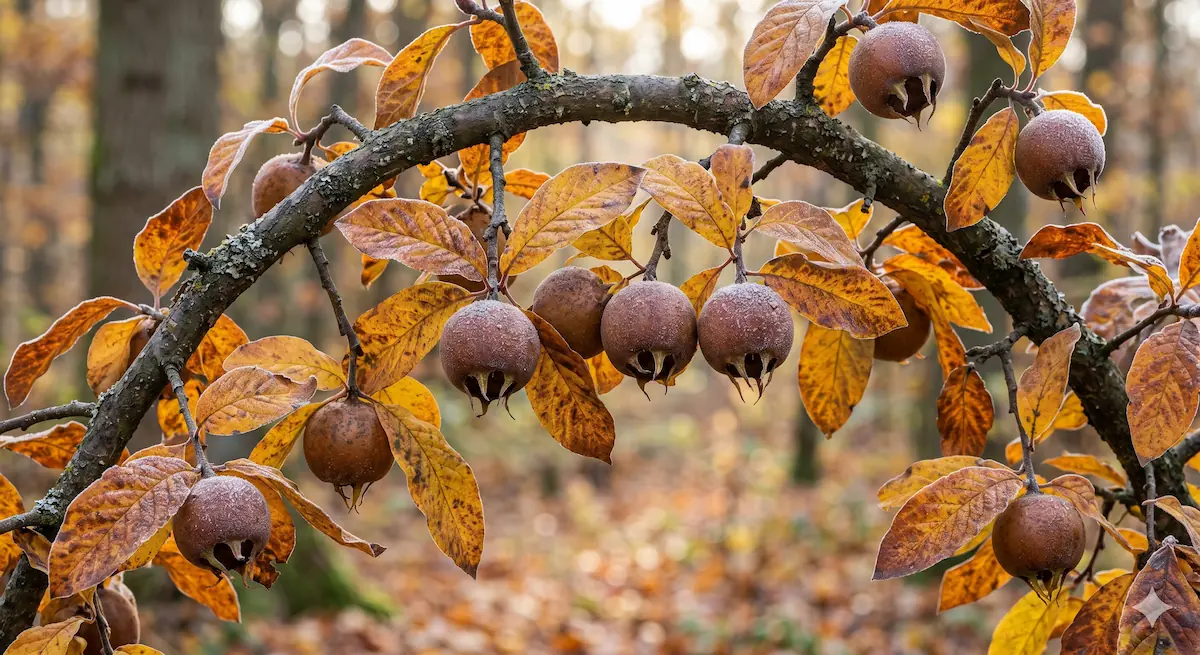
Medlar is a combination of ornamental beauty and health benefits. Learn why its fruits only become sweet after the first frosts, what soil ensures a stable harvest, and why it doesn't fear winter blizzards.
The Common Medlar (Mespilus germanica) is a small tree or shrub that was once a staple in European gardens and is now making a comeback as a trendy exotic. Its fruits resemble large rose hips or brown apples. The most unique thing about medlars is that they are hard and astringent when harvested, but after the first frost or prolonged storage (bletting), they become soft, sweet, and taste like apple butter with cinnamon.
Soil: Where Does the Medlar Gather Its Sugar?
Medlar is fairly undemanding but needs deep, nutrient-rich soil for good fruiting.
- Best Choice: Fertile Loamy soils (Type 1) or Sandy Loams (Type 2) with a neutral pH.
- Soil Check: Perform the sausage test. If the soil rolls into a flexible stick (Type 1), it's ideal: the roots will get enough moisture for fruit development.
Best Companions (Good)
- Pear and Apple: Share similar care requirements and complement each other well in the garden.
- Hawthorn: Often used as a rootstock for medlar; they are perfectly compatible.
- Dogwood (Cornelian Cherry): Together they create a disease- and pest-resistant ecosystem. Check out our dogwood guide.
Main Enemies (Bad)
- Walnut Trees: Traditional danger. Walnut juglone suppresses medlar development, making it weak.
- High Water Table: If the water is closer than 1.5 meters to the surface, the medlar's roots will start to rot within a few years.
- Deep Shade: In the shade, the medlar barely blooms, and its unique fruits will never reach the required sugar content.
AgroPlanner Tip: Medlar grows slowly but eventually forms a very beautiful, wide canopy. In our app, it occupies a 3x3 grid. The system will help you choose a sunny spot and will definitely flag the walnut toxic zone in red to ensure your rare tree thrives.
AgroPlanner App
Realize your dream garden: check plant compatibility, sun/shade needs, and save your plan easily.

Disclaimer
Important! All information in this blog is for recommendation purposes only. We are developers and enthusiasts, not certified agronomists. Results may vary based on your region, soil type, and weather. We are not responsible for potential errors or crop failures. Please verify critical advice independently!
Found this helpful? Share with friends!
Read more
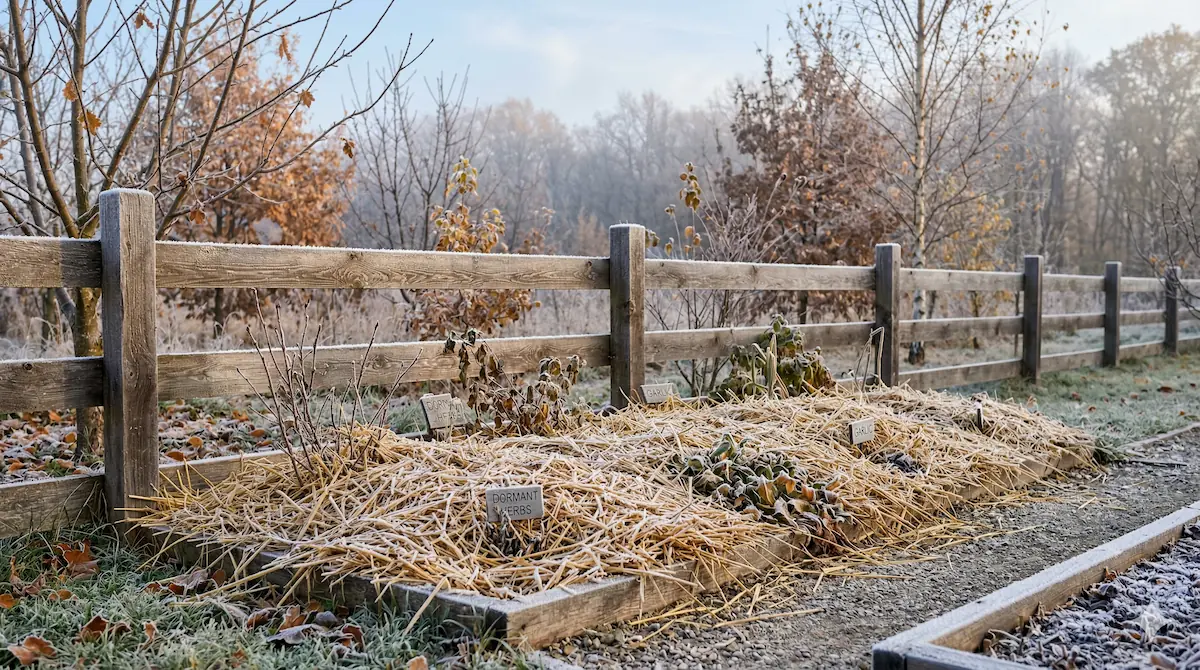
Winter is Coming: How to Properly "Conserve" Your Garden
The season doesn't end when the last vegetable is picked, but when the land is ready for rest. An essential autumn checklist.
Read more →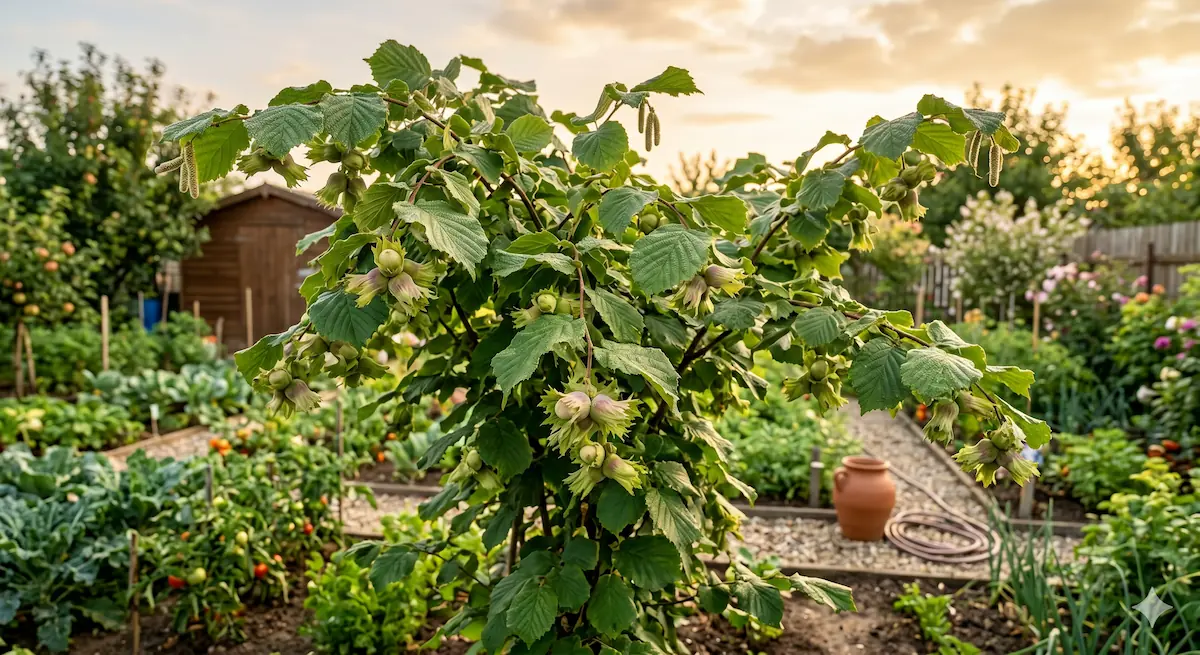
Growing Hazelnuts: How to Harvest Filberts in Your Own Garden
Unlike the walnut tree, hazelnut is a very "friendly" crop. Tips on planting, soil selection, and ideal neighbors for your garden plot.
Read more →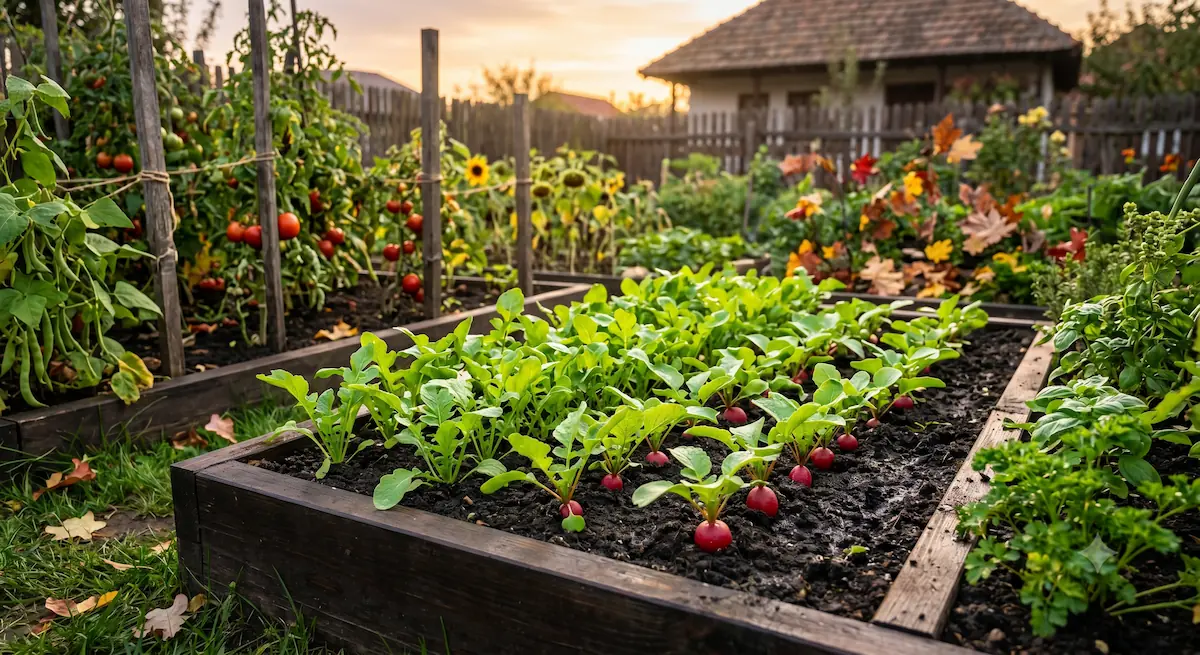
What to Plant in August: The Third Wave of Fast Summer Crops
August is the time to harvest main vegetables and sow fast greens and root crops. A complete guide to crops that have time to mature before autumn.
Read more →