
Crop Rotation: How to Prevent Your Garden from Getting "Tired"
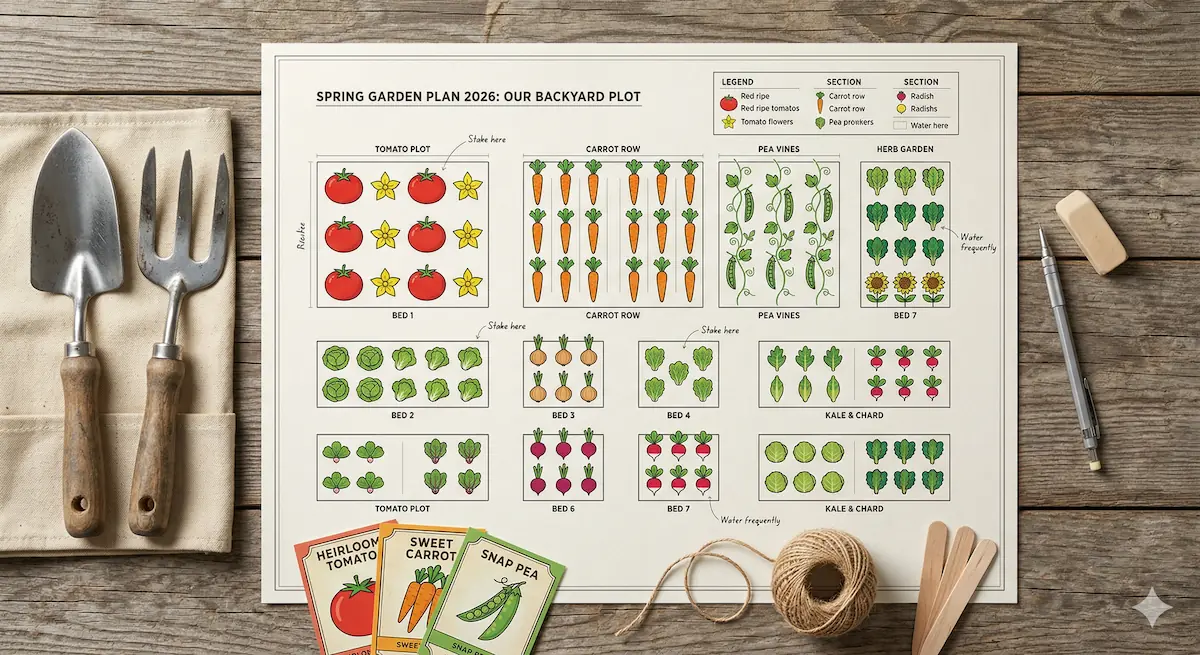
Why shouldn't you plant tomatoes after potatoes? Understanding the rules of crop rotation for healthy soil and large fruits.
Have you ever noticed that you take care of a bed, fertilize it, but the harvest gets smaller every year? The issue might be "soil fatigue." Plants of the same family not only take the same elements but also accumulate specific diseases. There's only one solution — proper crop rotation.
The Main Rules of Crop Rotation
To keep your garden fertile, remember these three principles:
- Don't plant relatives together: Potatoes, tomatoes, eggplants, and peppers all belong to the Solanaceae family. They share common enemies — like late blight. You should only return them to the same spot after 3-4 years.
- Roots vs. Shoots: Alternate crops that produce fruit above ground (tomatoes, cucumbers) with root crops (carrots, beets). they take nutrients from different soil layers.
- Restorers: Always include legumes (peas, beans) in your cycle. They don't exhaust the soil; on the contrary, they enrich it with nitrogen.
A Simple 4-Year Scheme
Divide your plot into 4 zones and move plant groups in a circle every year:
- Zone 1: High nutrient demands (cabbage, cucumbers, zucchini).
- Zone 2: Root vegetables and onions.
- Zone 3: Solanaceous plants (tomatoes, peppers).
- Zone 4: Legumes and greens (restoring the soil).
AgroPlanner Tip: Keeping track of what grew where three years ago is nearly impossible. Our Virtual Garden Bed saves your planting history and automatically warns you if you're trying to plant a crop in a "dangerous" spot after its relatives.
Crop rotation is the cheapest and most effective way to fight pests and soil exhaustion. Spend 15 minutes on planning today to save weeks of fighting diseases in the summer.
AgroPlanner App
Realize your dream garden: check plant compatibility, sun/shade needs, and save your plan easily.

Disclaimer
Important! All information in this blog is for recommendation purposes only. We are developers and enthusiasts, not certified agronomists. Results may vary based on your region, soil type, and weather. We are not responsible for potential errors or crop failures. Please verify critical advice independently!
Found this helpful? Share with friends!
Read more
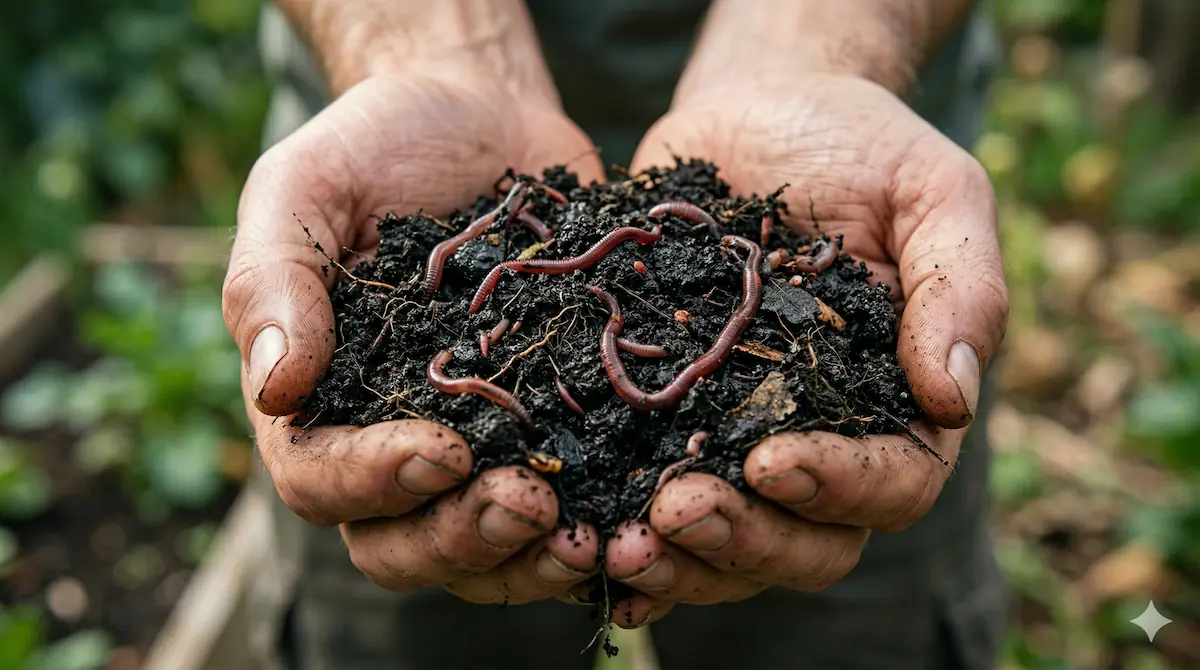
Soil Health: Why It’s More Important Than Any Fertilizer
You can buy the most expensive supplements, but they won't work in "dead" earth. Let's figure out how to turn your soil into a self-sufficient system.
Read more →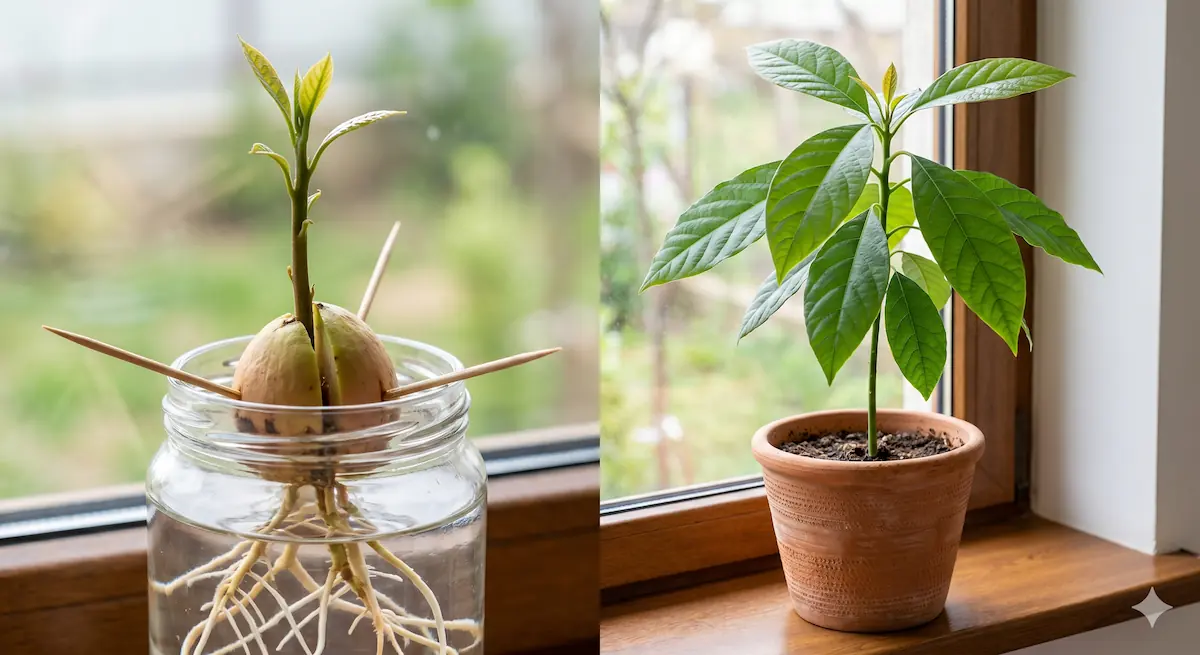
Growing Avocado from a Pit: How to Grow Your Own Exotic Tree at Home
Dreaming of your own tropical tree? A detailed guide on how to sprout an avocado pit, choose the right soil, and care for the plant to make it a highlight of your interior.
Read more →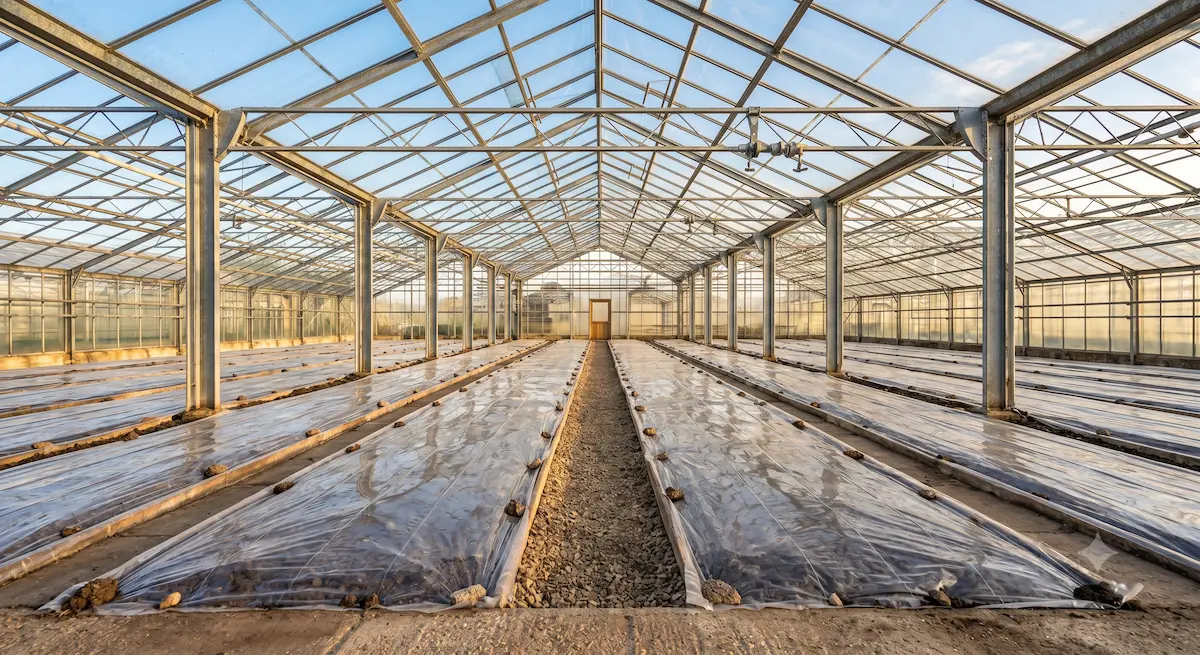
Summer Greenhouse Disinfection and Cleanup: Preparing Beds for Autumn Crops
Cleared space after early vegetables inside the greenhouse? Step-by-step guide to summer sanitary treatment of structures and soil against fungal spores and pests.
Read more →