
Currant Companion Planting: 8 Best Partners for Large Berries
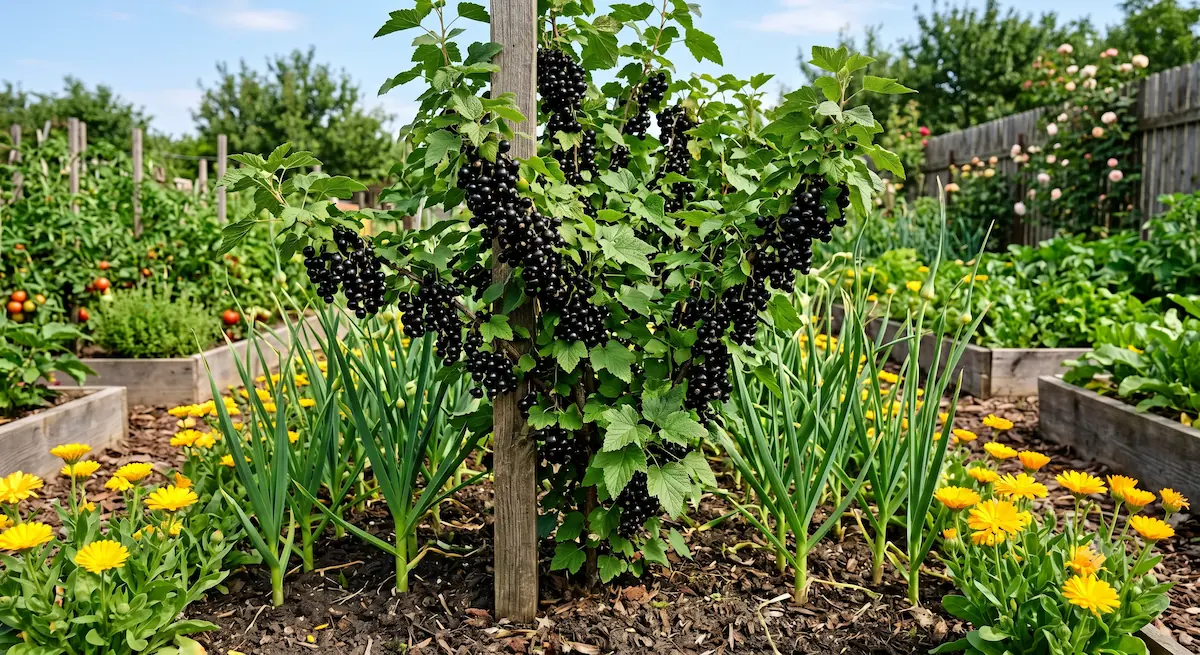
Black and red currants require protection from aphids and gall mites. A complete manual on choosing ideal neighbors for berry bushes.
Black, red, and white currants (Ribes) are the foundation of any berry garden layout. Since these shrubs live in one area for over 10-15 years, proper spatial row planning and companion plant selection play a defining role in plant longevity. Smartly selected companions help shield bushes from red blister aphids, restrain currant bud mites, and prevent anthracnose outbreaks.
1. Specifics of the Currant Root System
Currants possess a fibrous root system located in the upper topsoil layers (at depths of 10 to 45 cm). This means they are extremely sensitive to underground root competition. Planting crops with powerful roots that drain all soil moisture nearby is a mistake. Instead, their row spaces are ideally intercropped with low-growing fragrant herbs, which we noted in our currant care guide.
2. Table of Ideal Companions for Currant Shubs (Good)
Here are 8 excellent companions to help you harvest large, sweet berries:
| Garden Companion | How it Benefits the Shrub? |
|---|---|
| Garlic | Its sharp odor repels the currant bud mite — the most dangerous pest of black currants. |
| Onions | Allium phytoncides shield the lush bushes from clearwing moth attacks and ward off fungal leaf spots. |
| Nasturtium | Acts as a trap crop, taking the brunt of black aphid infestations, saving young currant shoots. |
| Marigolds | Reliably protect the fibrous roots of the bushes from dangerous underground nematodes. |
| Calendula | Draws useful hoverflies to the area, whose larvae are natural predators of aphids. |
| Dill | Attracts vital pollinating insects during spring currant blooming, boosting general fruit set. |
| Mint | Masks the plantation with its strong essential scent, confusing harmful sawflies. |
| Jostaberry | A hybrid of currant and gooseberry that features ideal biological compatibility and shared care needs. |
3. Bad Neighbors: What to Avoid Near Currants? (Bad)
Never plant these specific crops in close proximity:
- Gooseberries: Despite being relatives, planting black currants right next to gooseberries is hazardous due to the rapid spread of the shared gooseberry fruitworm pest.
- Raspberries: Possess highly aggressive roots with numerous underground runners that will completely entangle and choke currants within 2 years.
- Walnut Trees: Completely suppress berry patch vitality with their toxic juglone emissions.
AgroPlanner Tip: Keep in mind that red currants crave significantly more direct sun and light dryness than black currants. Plant red varieties separate from black ones for optimal fruit production. Set up your orchard maps in our tool!
AgroPlanner App
Realize your dream garden: check plant compatibility, sun/shade needs, and save your plan easily.

Disclaimer
Important! All information in this blog is for recommendation purposes only. We are developers and enthusiasts, not certified agronomists. Results may vary based on your region, soil type, and weather. We are not responsible for potential errors or crop failures. Please verify critical advice independently!
Found this helpful? Share with friends!
Read more
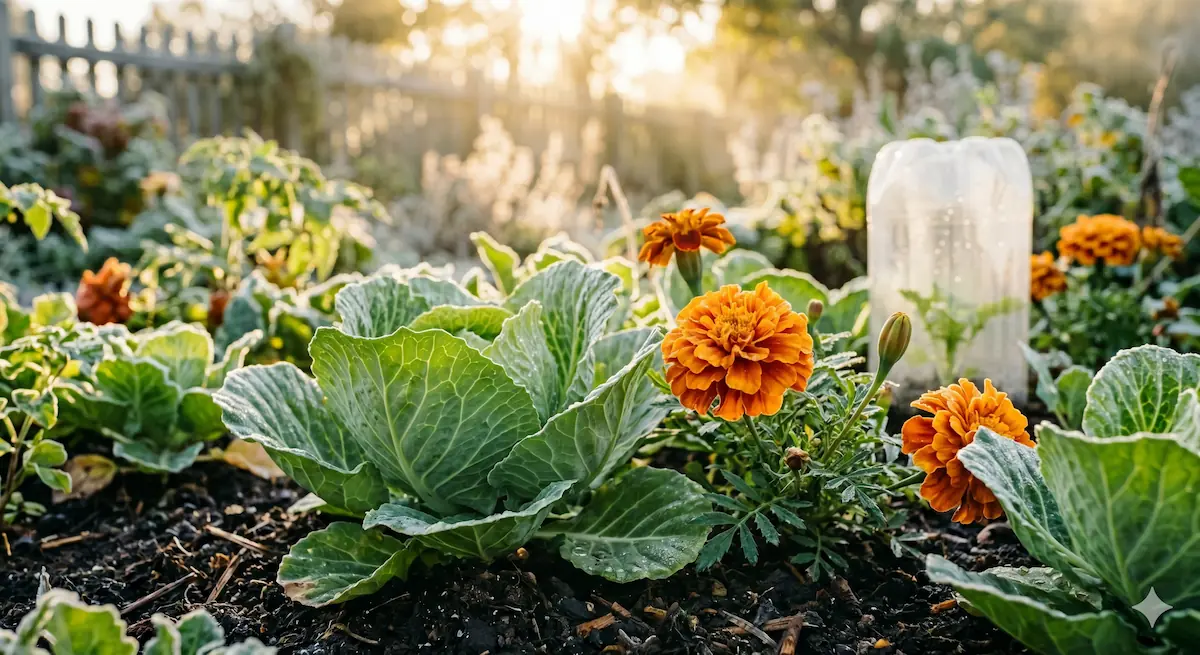
Why Marigolds and Nasturtiums Belong in Every Garden Bed
Make your garden both beautiful and protected. Learn how specific flowers help fight pests naturally without the need for harmful pesticides.
Read more →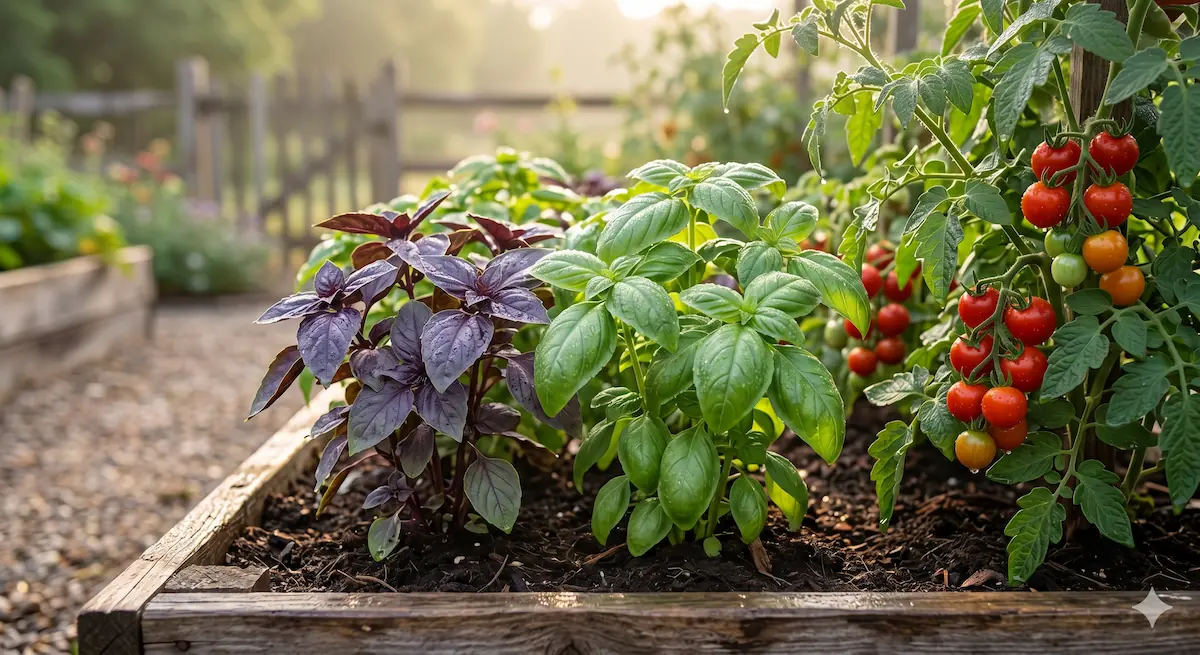
Basil Companion Planting: The Ultimate Guide for a Healthy Garden
Basil doesn't just taste great; it protects your vegetables. Discover the 8 best companions for basil and which herbs you should never plant nearby.
Read more →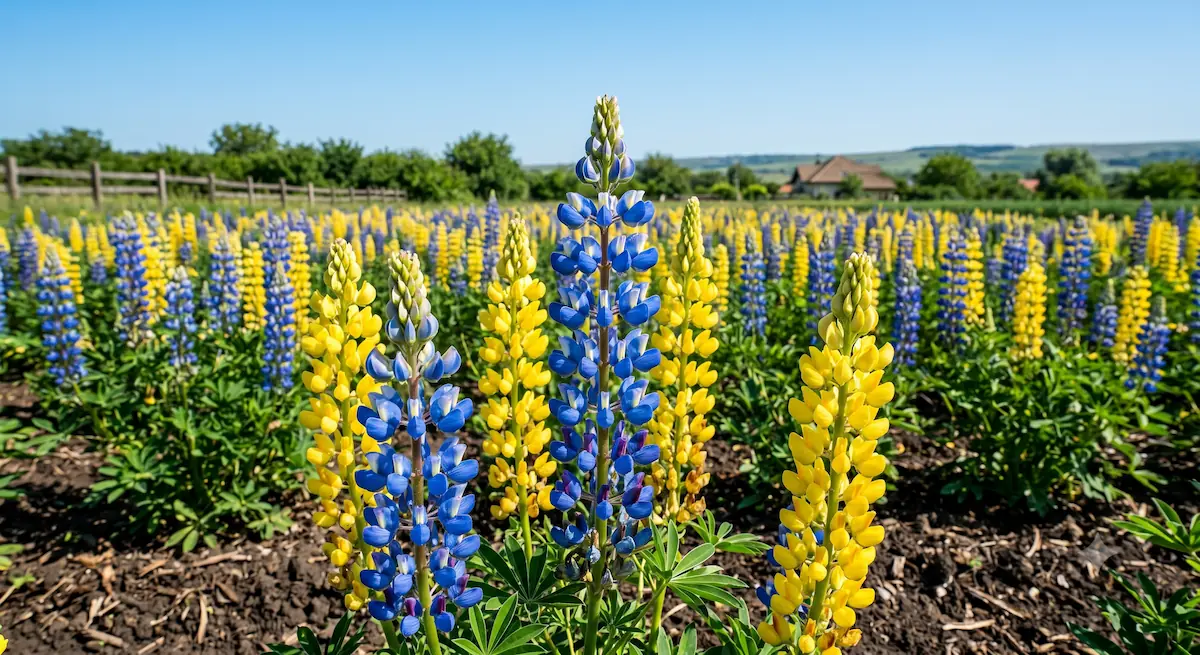
Lupine as Green Manure: How to Remediate Poor and Acidic Soil
Looking for a powerful green manure for summer sowing? Learn how lupine enriches the ground with nitrogen and loosens deep soil layers.
Read more →