
Lupine as Green Manure: How to Remediate Poor and Acidic Soil

Looking for a powerful green manure for summer sowing? Learn how lupine enriches the ground with nitrogen and loosens deep soil layers.
Lupine (Lupinus) is not just a beautiful ornamental flower, but one of the most powerful and effective green manures in the world of organic agriculture. If your plot features poor, sandy, or overly acidic soil, sowing summer lupine right after clearing early vegetables can work true wonders. It is often called a "plant fertilizer factory" that easily replaces tons of expensive manure.
1. Unique Superpowers of Lupine Roots
The primary strength of lupine lies underground. Its taproot system is capable of penetrating deep into the soil up to 1.5–2 meters! The roots work as a natural pump: they extract hard-to-reach nutrients (especially phosphorus) from deep underground layers and elevate them to the upper topsoil. Furthermore, specific bacteria live on the roots to fix atmospheric nitrogen, which is far more efficient than mineral NPK fertilizers covered in our macronutrients overview.
2. Rules for Summer Cultivation of Green Manure
The best time to sow lupine as green manure is July or early August, right after clearing your beds of early crops. For green manuring, annual varieties are utilized (most commonly blue or yellow lupine). Its seeds are quite large, so it is recommended to soak them slightly in water before sowing to ensure fast germination.
- Seed Sowing Depth: 3-4 cm.
- Row Spacing: 15-20 cm.
3. Green Manure Comparison Table (Good)
| Green Manure | Primary Crop Advantage | Which Soil Suits It Best? |
|---|---|---|
| Lupine (Annual) | Accumulates record nitrogen volumes and loosens the earth 2 meters deep. | Acidic, poor, sandy, and podzolic soils. |
| Phacelia | Universal healer, shares no pests with vegetables, draws honeybees. | Any soil types, perfect for crop rotations. |
| White Mustard | Grows rapidly, disinfects soil from wireworms and late blight. | Neutral light soils (cannot follow cabbage). |
4. When to Chop Lupine for Maximum Effect? (Bad mistakes)
You must not allow hard seeds to develop on the lupine stalks. Chop the green mass down during the bud formation phase or at the very beginning of flowering, when the stems are still tender and juicy. The cut greens are chopped and incorporated into the soil with a spade at a depth of 8-12 cm. If the ground is dry, make sure to irrigate the bed afterward to kickstart organic decomposition.
AgroPlanner Tip: Lupine green mass buried in the soil softly deacidifies the earth as it breaks down. This is an ideal way to prepare a plot for future plantings of sweet watermelons or demanding cabbage. Use our planner tool to model your crop rotations!
AgroPlanner App
Realize your dream garden: check plant compatibility, sun/shade needs, and save your plan easily.

Disclaimer
Important! All information in this blog is for recommendation purposes only. We are developers and enthusiasts, not certified agronomists. Results may vary based on your region, soil type, and weather. We are not responsible for potential errors or crop failures. Please verify critical advice independently!
Found this helpful? Share with friends!
Read more
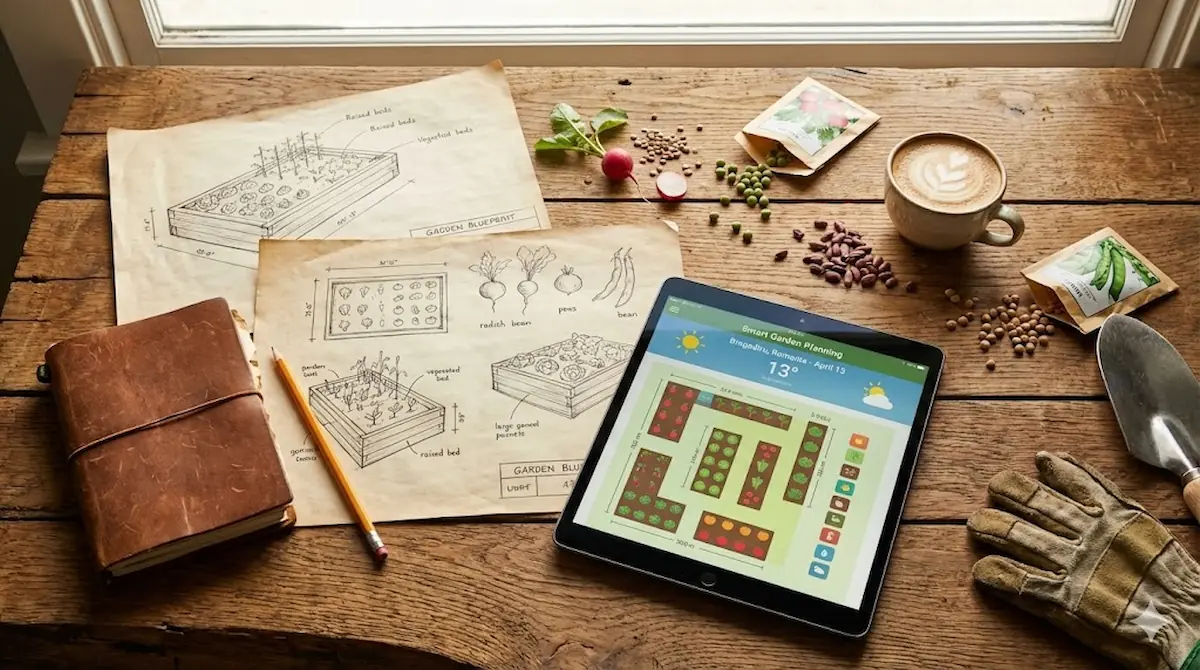
The Ultimate Guide to Smart Garden Planning: From a Bare Plot to a Record Harvest
Don't know where to start? This comprehensive guide takes you through every stage of creating the perfect garden: from crop rotation and plant compatibility to spacing.
Read more →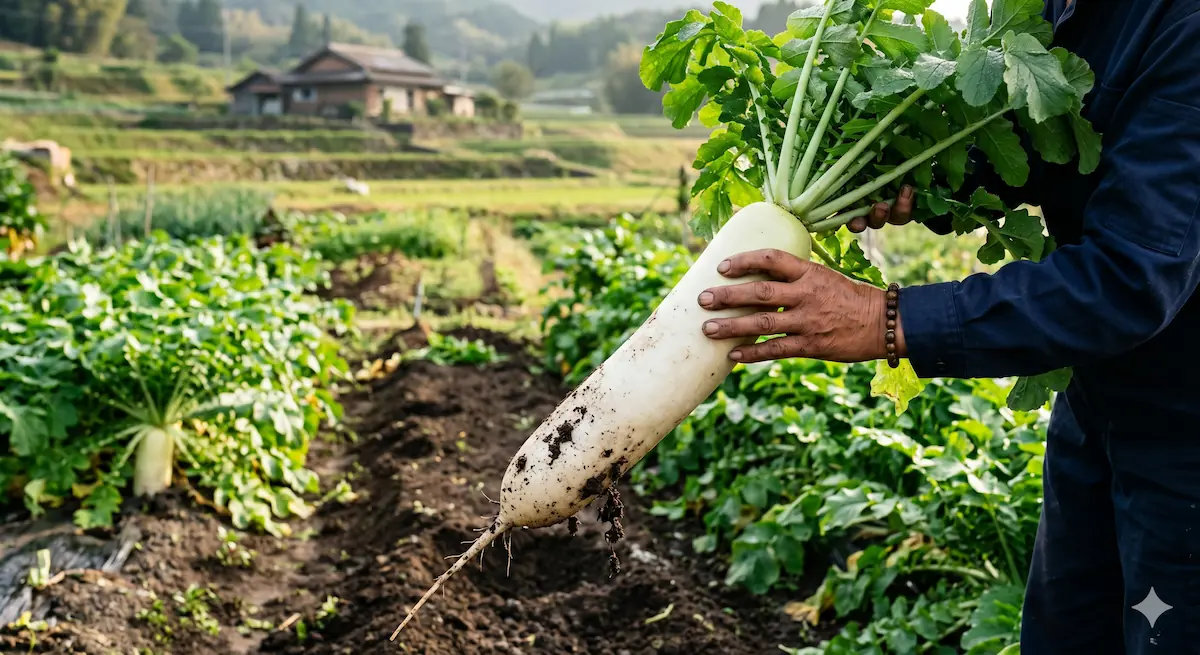
Daikon: The Juicy Giant from the East
Daikon is a source of fiber and mild flavor. Learn why it needs deep soil, how to avoid bolting, and why it's the perfect choice for a healthy diet.
Read more →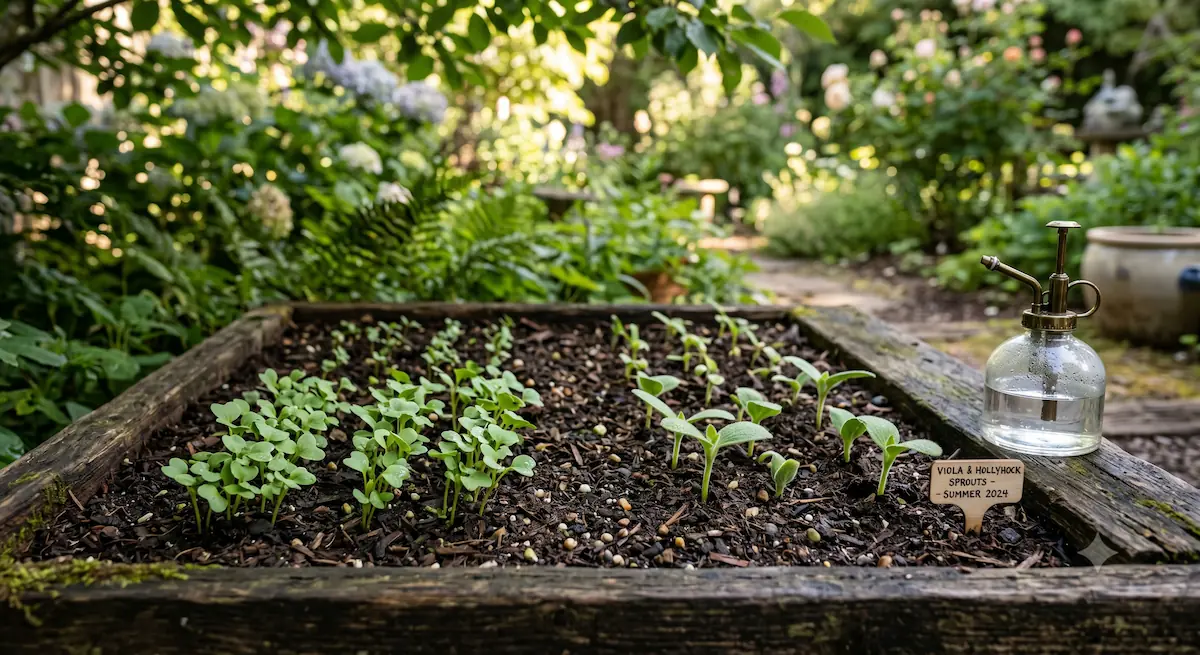
Which Perennial Flowers to Sow in July-August for a Stunning Spring
Late summer is the golden window to sow biennial and perennial flowers. Step-by-step guide to growing mallows, violas, and carnations for seedlings.
Read more →