
Papaya: The Melon Tree in Your Home
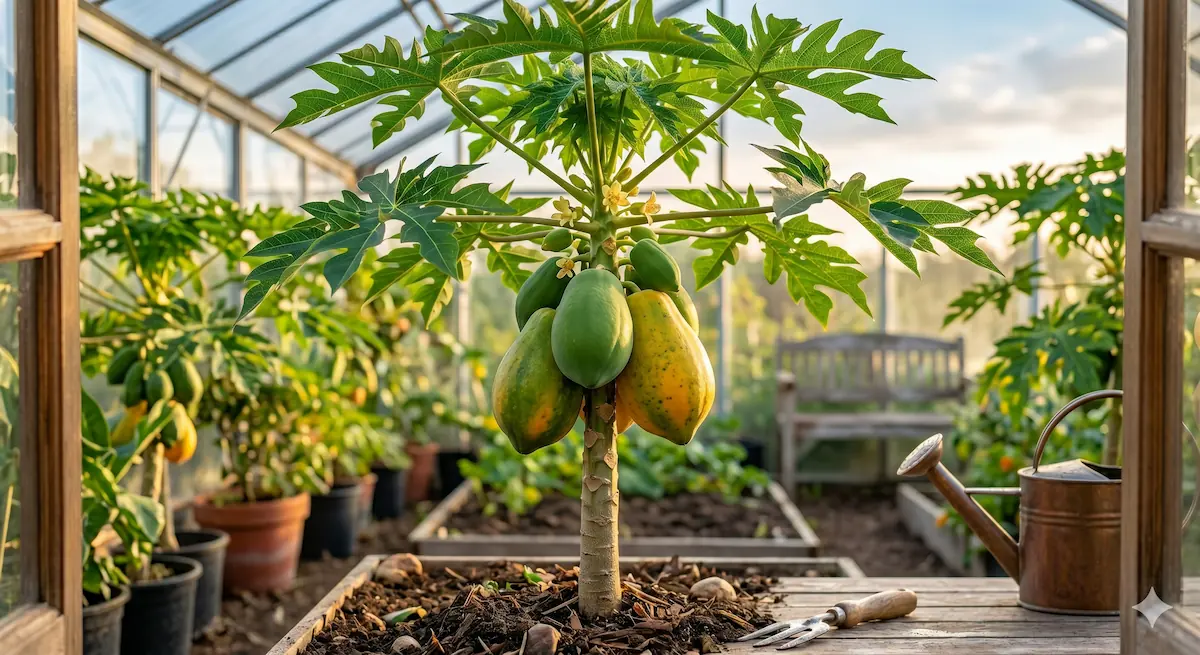
Papaya is a lightning-fast exotic plant. Learn which soil helps it grow in mere months, why it fears the cold, and how to plan its spot in a conservatory or a large pot.
Papaya (Carica papaya) is a unique plant often called the "melon tree" because of the taste and appearance of its fruit. It grows incredibly fast and, under favorable conditions, can start fruiting in its very first year. It’s an ideal choice for large winter gardens or bright, spacious rooms.
Soil: Where Does Papaya Reach Peak Growth?
Papaya has very delicate roots that rot instantly if water stagnates. It needs the lightest, most nutrient-rich mix possible.
- Best Choice: Fertile Sandy soils (Type 2) or light Loamy soils (Type 1) with neutral pH.
- Soil Check: Perform the sausage test. If the soil crumbles and holds no shape (Type 2), it's perfect for the rapid respiration of the papaya’s root system.
Best Companions (Good)
- Banana: Together they create a real tropical forest feel. Check our dwarf banana guide.
- Rainbow Chard: Its colorful stalks look stunning at the base of a tall papaya. Read about chard.
- Ginger: Loves the dappled light under the broad papaya leaves.
Main Enemies (Bad)
- Walnut Trees: An absolute antagonist. Walnut juglone is destructive to papaya even from a distance.
- Heavy Clay (Type 3): In such soil, papaya will die from root rot within a few weeks.
- Cold: Temperatures below 10°C stunt growth, and frost kills the plant instantly.
AgroPlanner Tip: Papaya is a vertical plant that needs plenty of upward space. In our app, it occupies a 1x1 or 2x2 grid. The system will verify if the chosen location meets the plant's light requirements and will flag the sector in red if the plant is placed within a walnut toxic zone or is shaded by buildings or other tall trees.
AgroPlanner App
Realize your dream garden: check plant compatibility, sun/shade needs, and save your plan easily.

Disclaimer
Important! All information in this blog is for recommendation purposes only. We are developers and enthusiasts, not certified agronomists. Results may vary based on your region, soil type, and weather. We are not responsible for potential errors or crop failures. Please verify critical advice independently!
Found this helpful? Share with friends!
Read more
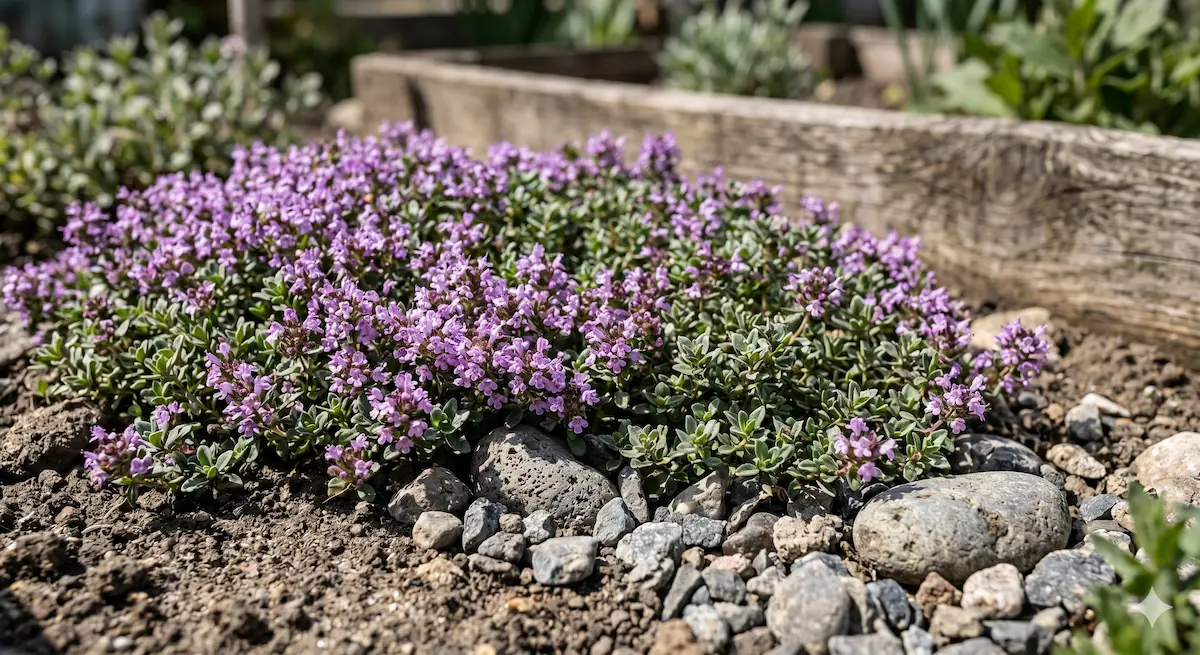
Thyme: The Fragrant Carpet and Natural Protector of Your Garden
How to grow thyme: from choosing stony soil to perfect companion planting for pest protection. Secrets to caring for this aromatic herb.
Read more →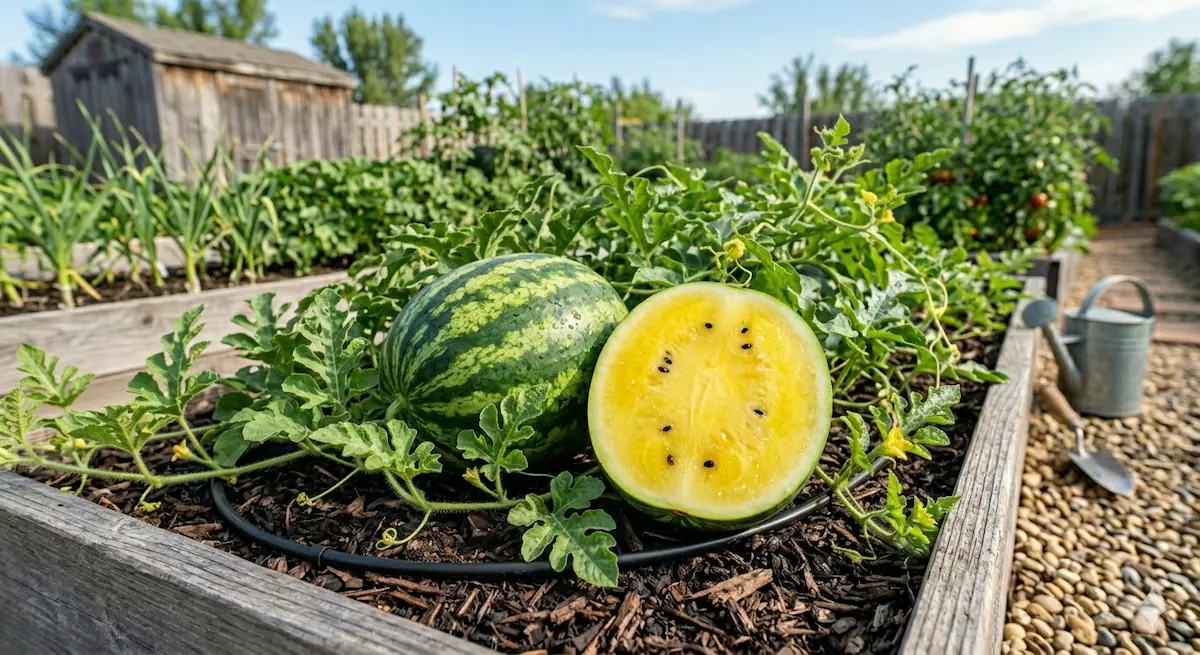
"Yellow Dragon" Watermelon: A Sunny Surprise in Your Garden Patch
Dreaming of a unique harvest? Learn how to grow the "Yellow Dragon" watermelon, why it needs the warmest sector of your garden, and which plants provide natural pest protection.
Read more →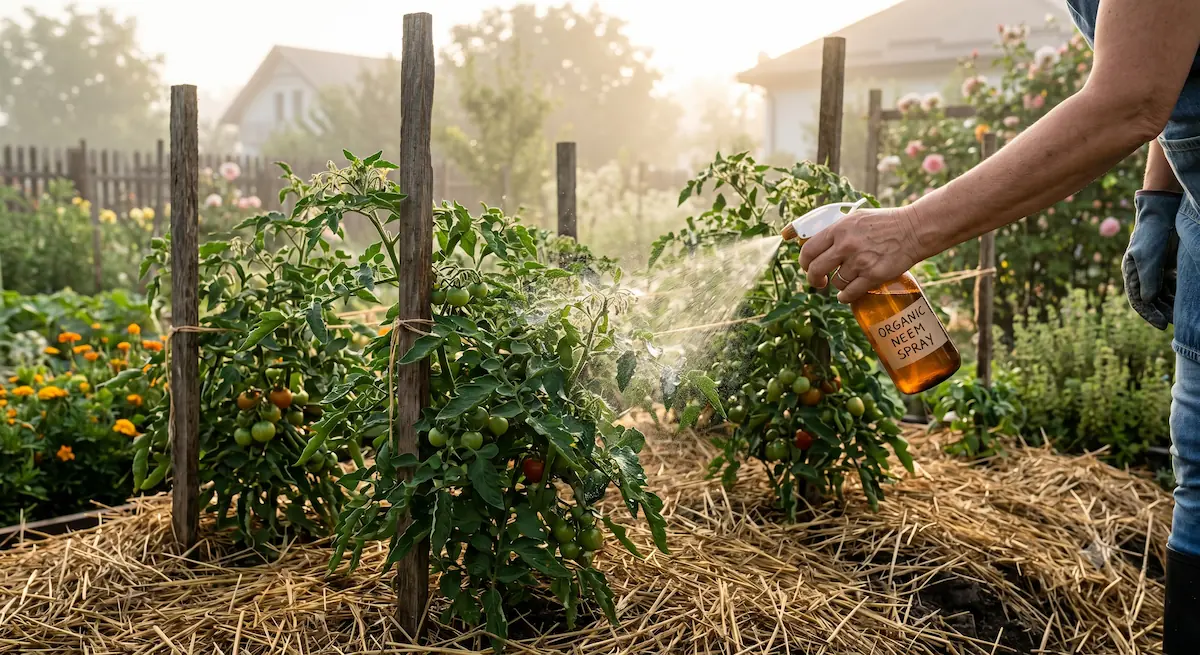
Tomato Late Blight in July: How to Save Tomatoes from Fungus
Summer mists and humidity trigger late blight outbreaks. Step-by-step manual on prevention and organic bio-protection of tomato beds.
Read more →