
Powdery Mildew on Cucumbers and Zucchini: Summer Rescue Guide
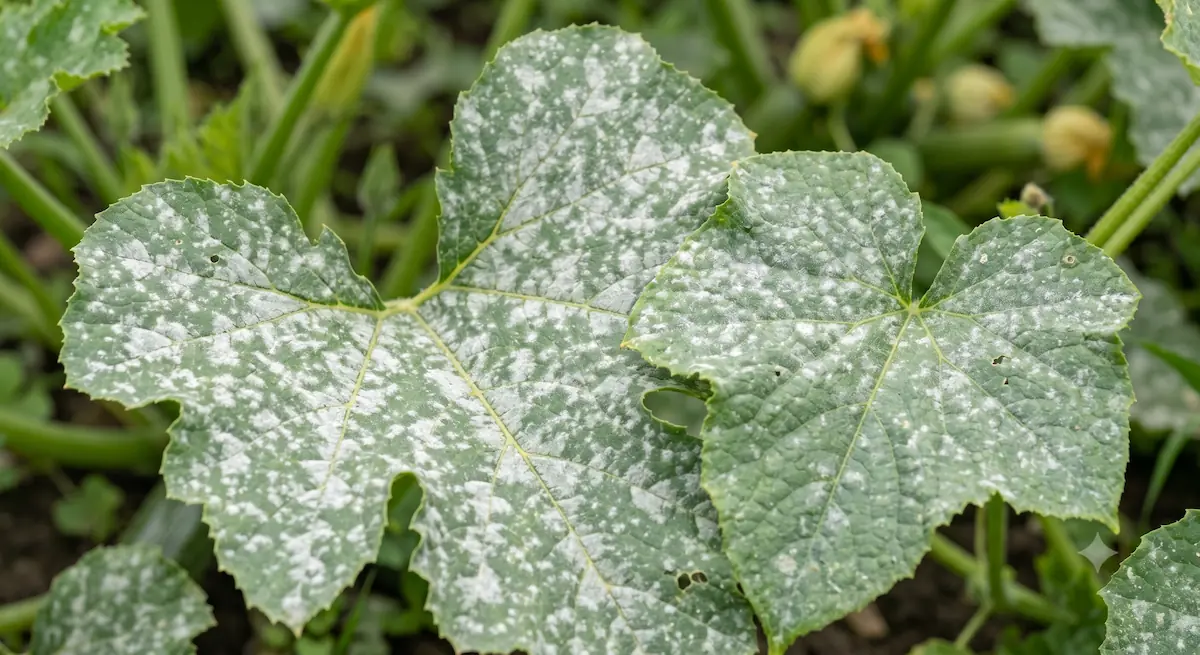
White coating on cucumber and zucchini leaves can destroy your whole harvest. Discover the causes of powdery mildew and best eco-friendly treatment remedies.
Powdery mildew (Erysiphe cichoracearum) is one of the most widespread fungal diseases that attacks all cucurbit crops in summer. Most frequently, it manifests in July and August. The plants look as if their leaves have been generously dusted with wheat flour. If you ignore this white coating, the leaves will quickly turn yellow, dry up, and the cucumber and zucchini bushes will completely stop fruiting.
1. Why Does the White Coating Appear on Leaves?
The spores of this fungus are always present in the soil but awaken only under specific environmental conditions. The primary trigger is sharp temperature fluctuations paired with high humidity — for example, when a hot summer day is followed by a chilly night with heavy dew. The disease also develops rapidly in overcrowded garden beds lacking proper airflow, which we warned about in our zucchini growing guide.
2. Prevention and Summer Maintenance Rules
To shield cucumbers from powdery mildew, irrigate them strictly with warm water at the base of the roots. Cold water from a well causes root shock and immediately drops the plant's natural immunity. It is also vital to timely prune away old lower leaves that touch the ground and pick up fungal spores first.
3. Table of Safe Powdery Mildew Treatment Remedies (Good)
| Eco-Friendly Remedy | How to Prepare and Apply in Practice? | Why Does It Help? |
|---|---|---|
| Baking Soda and Soap | Dissolve 50 grams of baking soda + 40 grams of liquid soap in 10 liters of warm water. Spray bushes once a week. | Creates an alkaline environment on the leaves where the fungus cannot reproduce. |
| Bio-fungicides (Fitosporin) | Spray over foliage every 7-10 days, mandatory after prolonged summer rain events. | Beneficial Bacillus subtilis actively consumes the mycelium of the harmful fungus. |
| Wood Ash Infusion | Infuse 1 kg of wood ash in 10 liters of water for 2 days. Filter and spray the plant canopy thoroughly. | Functions simultaneously as a natural surface antiseptic and a powerful potassium feed. |
4. Major Treatment Mistakes to Avoid (Bad mistakes)
- Overdosing with nitrogen during an outbreak: Nitrogen feeding stimulates the growth of tender young leaves, which the fungus devours first. During this period, only potassium is needed; read about it in our ultimate NPK guide.
- Spraying in the middle of a sunny day: Any therapeutic treatment under direct sunlight leads to severe chemical leaf burns.
AgroPlanner Tip: Always prune and burn heavily infected leaves before spraying. Never put them in your compost pile to avoid spreading the infection across the garden. Track your treatment schedules in our tool!
AgroPlanner App
Realize your dream garden: check plant compatibility, sun/shade needs, and save your plan easily.

Disclaimer
Important! All information in this blog is for recommendation purposes only. We are developers and enthusiasts, not certified agronomists. Results may vary based on your region, soil type, and weather. We are not responsible for potential errors or crop failures. Please verify critical advice independently!
Found this helpful? Share with friends!
Read more
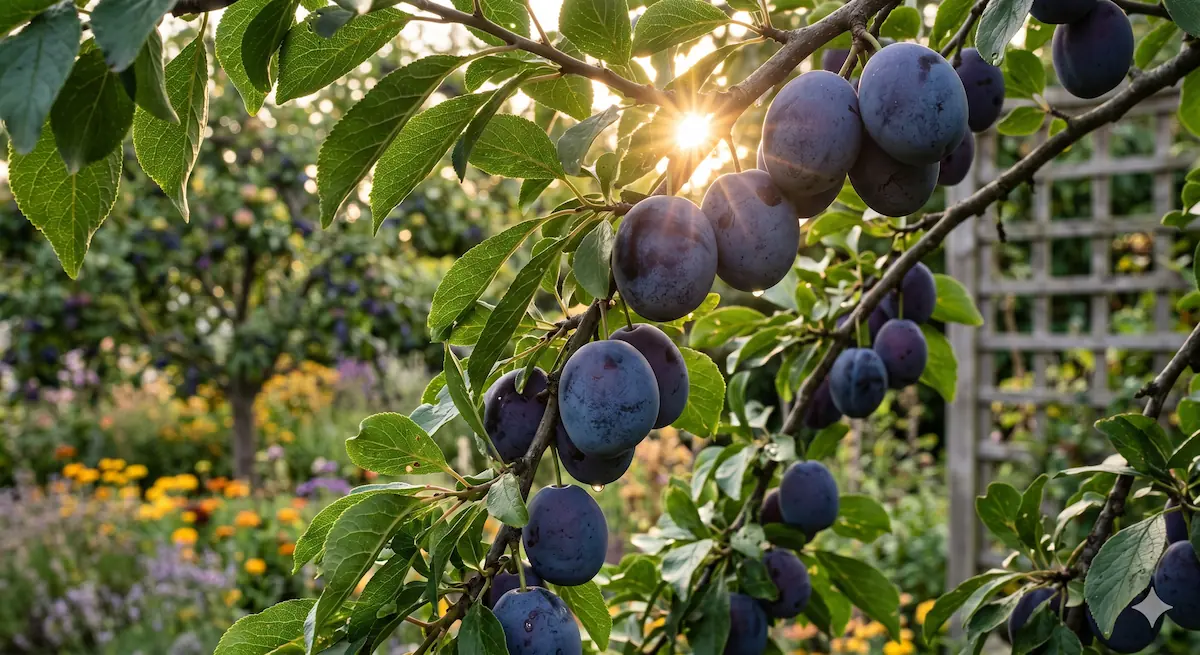
Plum Trees: Site Selection and Compatibility for a Bountiful Harvest
Secrets to growing plums: from choosing a sunny spot to compatibility with other trees. Why it's important to consider soil type and avoid proximity to walnuts.
Read more →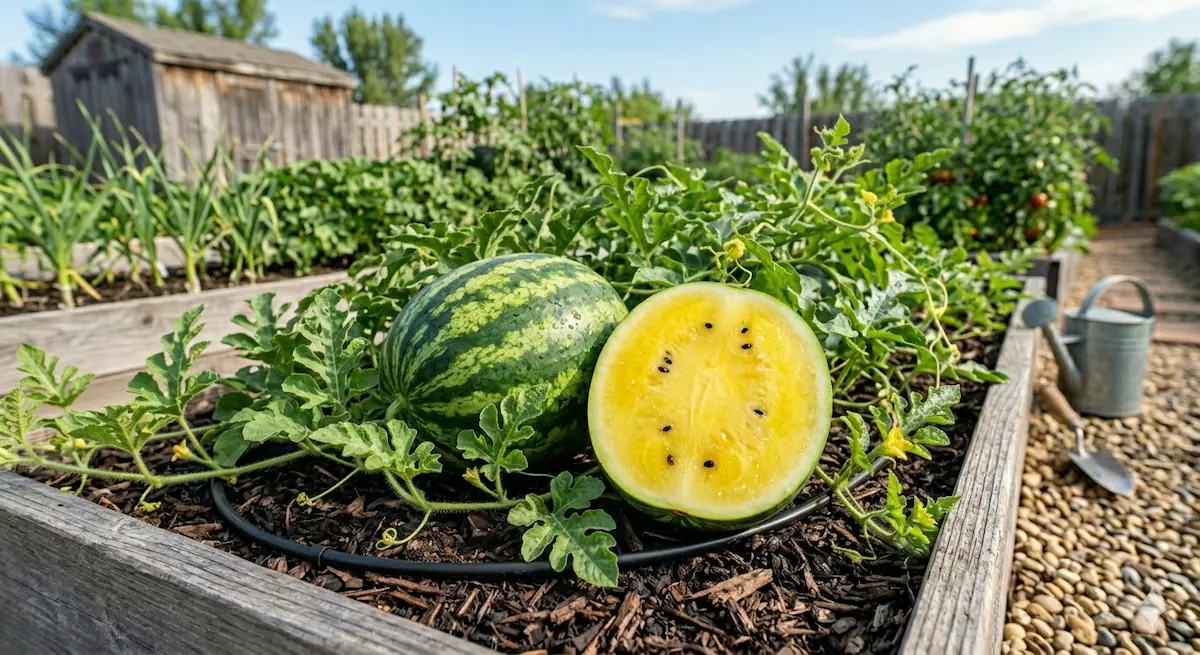
"Yellow Dragon" Watermelon: A Sunny Surprise in Your Garden Patch
Dreaming of a unique harvest? Learn how to grow the "Yellow Dragon" watermelon, why it needs the warmest sector of your garden, and which plants provide natural pest protection.
Read more →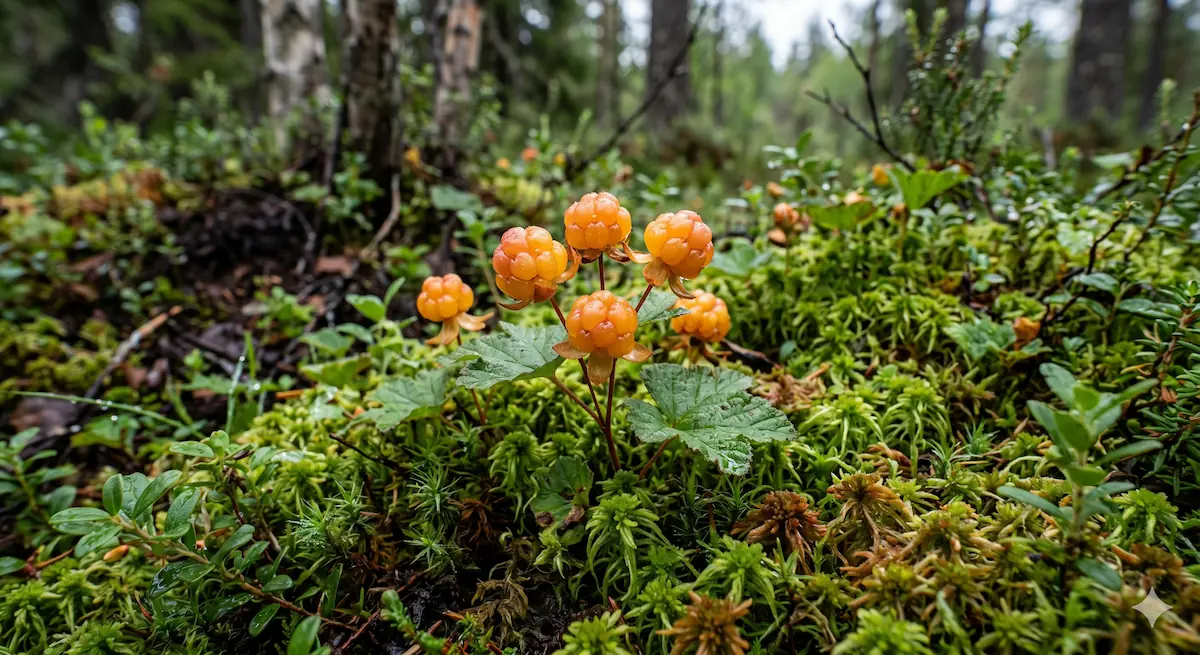
Cloudberry: Growing the Arctic Gold in Your Garden
Cloudberry is a delicacy usually found in bogs. Learn how to recreate its natural habitat, why it shuns the sun, and what soil makes its berries amber-gold.
Read more →