
Radishes: How to Get Your First Vitamin Harvest in 25 Days
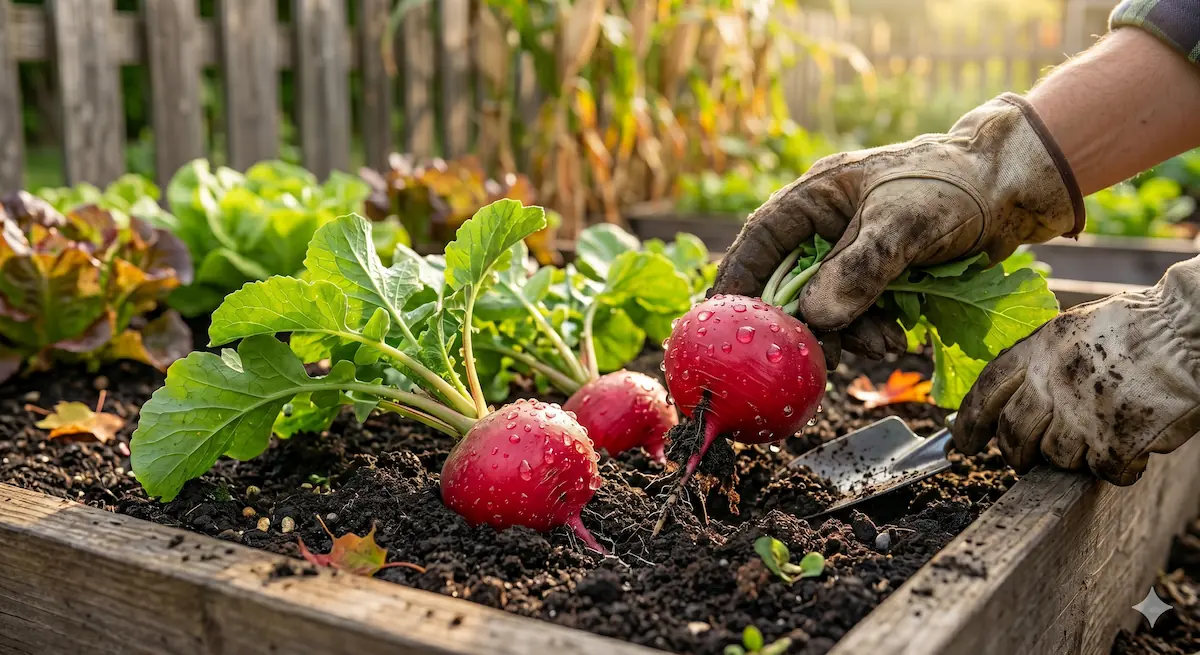
Secrets to growing crunchy radishes: from soil selection to ideal companionship. Learn how to get a quick harvest and why radishes dislike deep shade.
The radish is the "sprinter" of your garden. It’s one of the first crops to hit the table after winter. While it seems simple to grow, radishes are very sensitive to day length and soil quality, so proper planning is key to ensuring the roots are juicy rather than bitter.
Soil for Fast Growth
For the root to develop quickly, the soil must be loose and moist. Radishes perform best on Loams (Type 1) or sandy soils. In heavy clay, radishes often become deformed and overly spicy. Use our "sausage test" guide to check if your garden bed is suitable for this vegetable.
Lighting and Temperature
Radishes are short-day plants. They need bright sun, but excessive heat or very long days can cause them to "bolt" (flower instead of forming a root). In our planner, the radish is marked as a sun-loving crop, so the system will warn you if you attempt to plant it in deep shade under trees.
Friends and Toxic Neighbors
The radish is a great companion that helps use garden space efficiently:
- Best Neighbors: Carrots, parsley, and Watermelons. While watermelons are just starting to spread, the radishes will already be ready for harvest.
- Danger Zone: Do not plant radishes within the radius of a Walnut tree. The toxin juglone inhibits root development. Our Planner will highlight this conflict in red.
- Conflict: Avoid planting near hyssop, which negatively affects the flavor of the radishes.
AgroPlanner Tip: Use radishes as a "marker" crop. Since they sprout very quickly, plant them along with carrots. This helps you see the row boundaries before the carrot sprouts appear, making weeding much easier.
AgroPlanner App
Realize your dream garden: check plant compatibility, sun/shade needs, and save your plan easily.

Disclaimer
Important! All information in this blog is for recommendation purposes only. We are developers and enthusiasts, not certified agronomists. Results may vary based on your region, soil type, and weather. We are not responsible for potential errors or crop failures. Please verify critical advice independently!
Found this helpful? Share with friends!
Read more
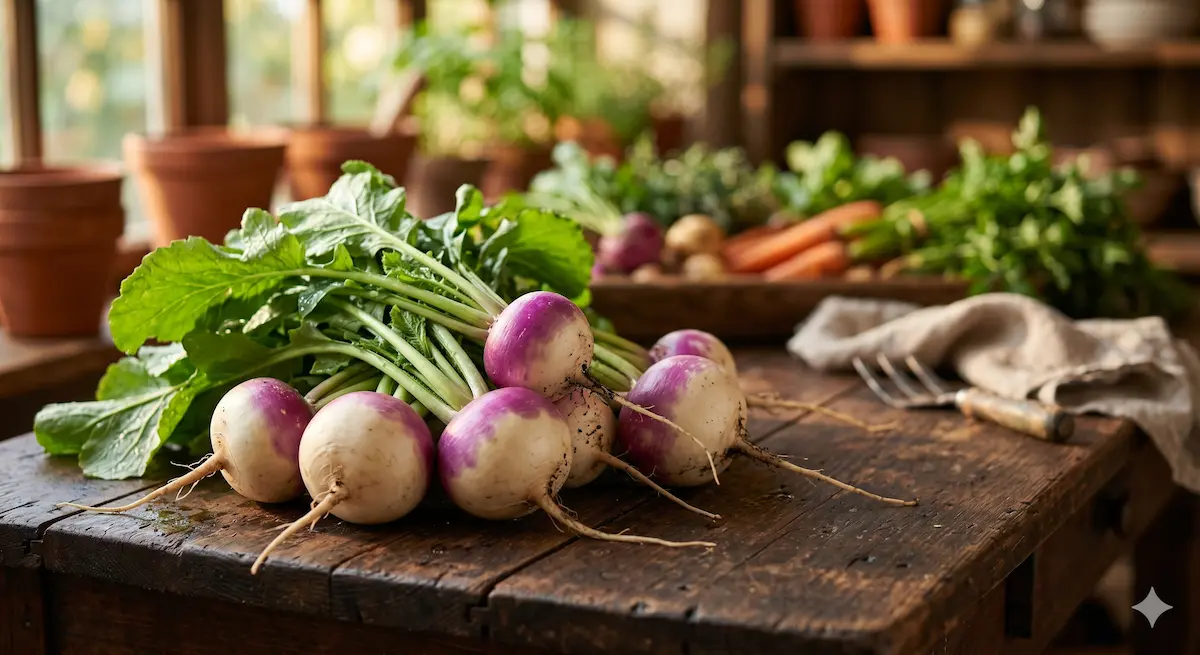
Growing Turnips: Secrets to Early Harvest and Juicy Flavor
How to grow tender turnips without bitterness. April planting times, watering rules, and protection against flea beetles. An AgroPlanner guide for a rich harvest.
Read more →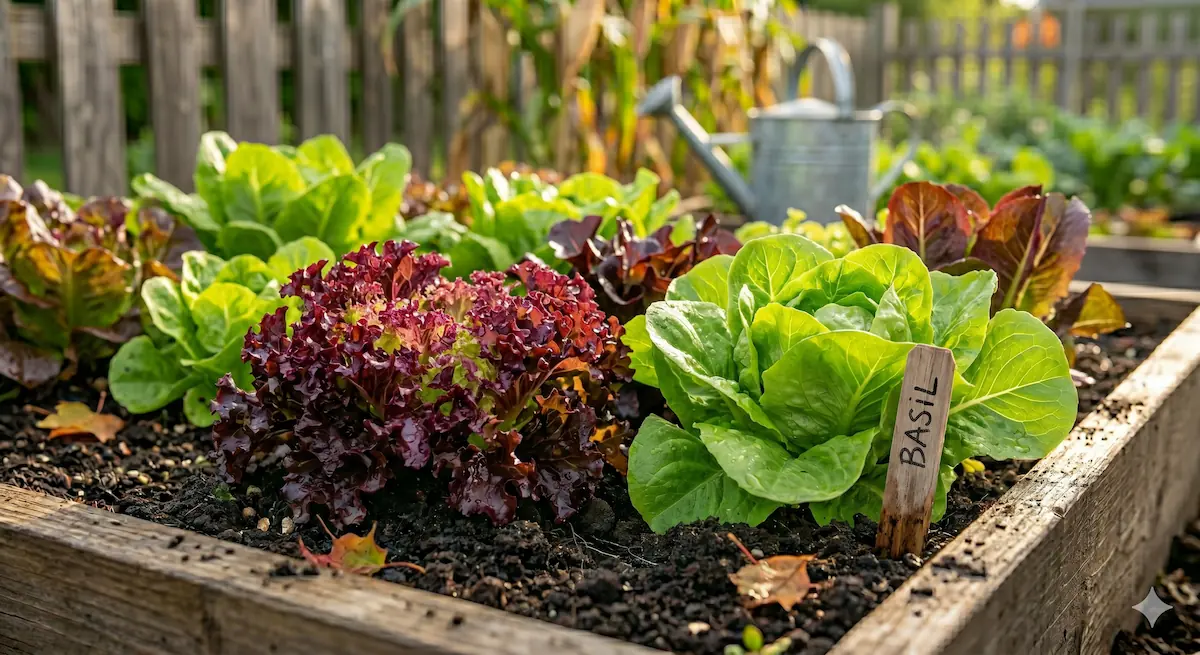
Growing Lettuce: How to Keep Fresh Greens on Your Table All Season
Secrets to growing leaf lettuce: why it fears the heat, what soil it prefers, and who its best neighbors are for natural pest protection.
Read more →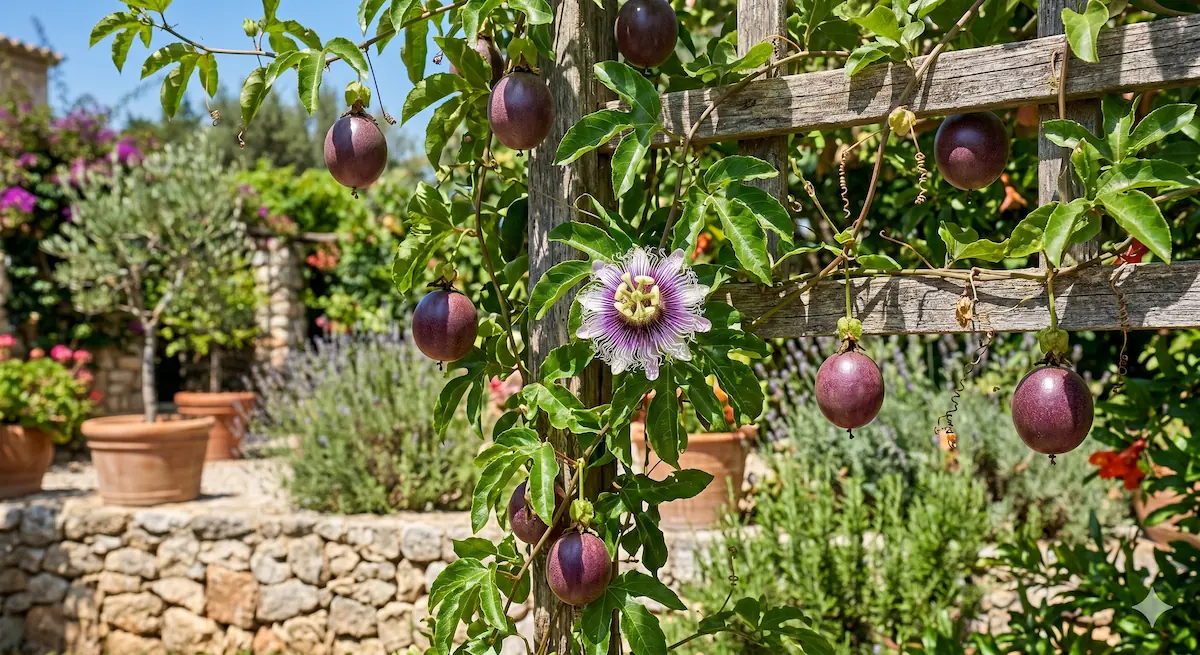
Passion Fruit (Maracuya): Growing an Exotic Vine with Amazing Flowers
Passion fruit combines incredible beauty with explosive flavor. Learn how to provide support, which soil makes the fruit aromatic, and why it fears even light drafts.
Read more →