
Garden Microclimate: How to Find the Perfect Spot for Every Plant
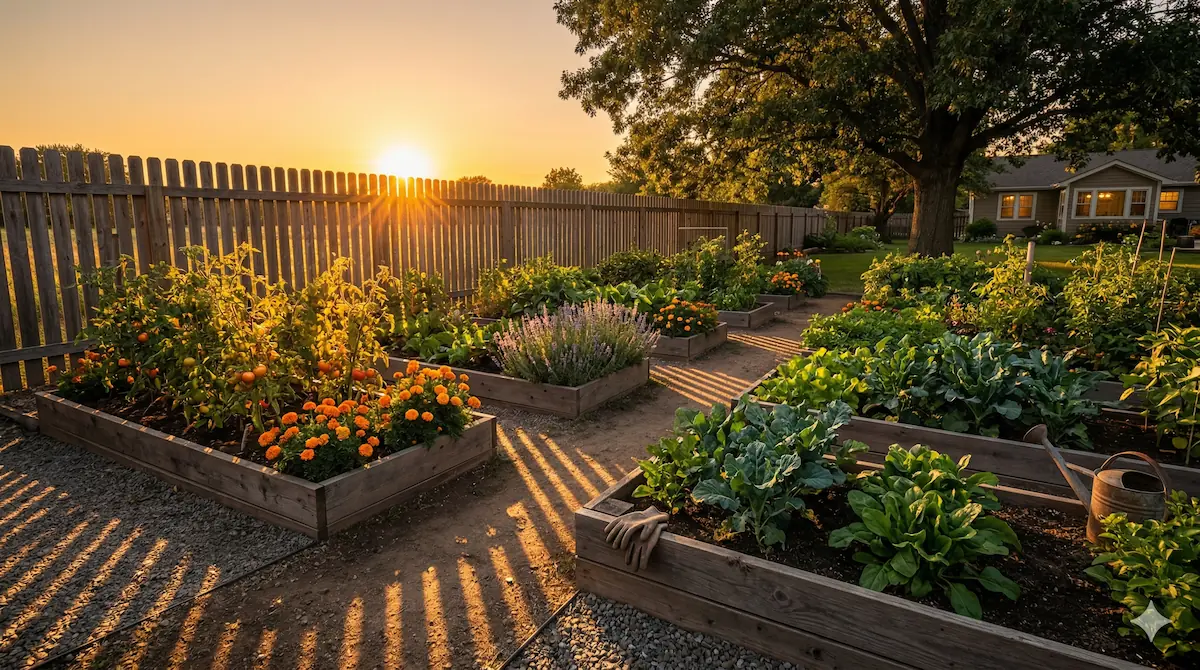
Even on a small plot, there are zones with different temperatures and humidity levels. Learn to use these "secret" spots to boost your harvest.
Have you noticed that snow melts faster in one corner of your garden, while in another, the greens always look fresher? This is microclimate. Your garden is not one big bed; it's a mosaic of different conditions. Understanding this map will help you grow even demanding crops with minimal effort.
What Makes Up a Microclimate?
Four main factors influence the conditions at any specific point on your plot:
- Sun Exposure: South-facing slopes or zones near white walls receive much more heat. These are perfect spots for heat-loving peppers and eggplants.
- Wind Protection: Fences, hedges, and building walls create cozy zones where the temperature can be 2-3 degrees higher than in open areas.
- Topography: Cold air always flows down into hollows. If your plot has elevation changes, don't plant early crops in the lowest points — that's where frost risk is highest.
- Thermal Mass: Stones, brick walls, and dark soil accumulate heat during the day and release it at night, smoothing out temperature swings.
How to Use This Knowledge?
Instead of fighting nature, adapt to it:
- "Sun Traps": Use south-facing building corners to create mini open-air greenhouses.
- Windbreaks: Plant tall corn or sunflowers on the windward side to protect delicate cucumbers from cold drafts.
- Moisture Zones: In shaded corners where the sun appears for only a few hours, lettuce and mint will thrive best — they will stay juicy longer.
AgroPlanner Tip: Mapping microclimates on paper is hard. In our Virtual Garden Bed, you can experiment with placing objects (houses, fences) and see how they affect lighting. This will help you find a "warm spot" for every tomato without needing a thermometer.
The secret of a successful gardener is not in changing the climate, but in finding a place for every plant where it feels right at home.
AgroPlanner App
Realize your dream garden: check plant compatibility, sun/shade needs, and save your plan easily.

Disclaimer
Important! All information in this blog is for recommendation purposes only. We are developers and enthusiasts, not certified agronomists. Results may vary based on your region, soil type, and weather. We are not responsible for potential errors or crop failures. Please verify critical advice independently!
Found this helpful? Share with friends!
Read more
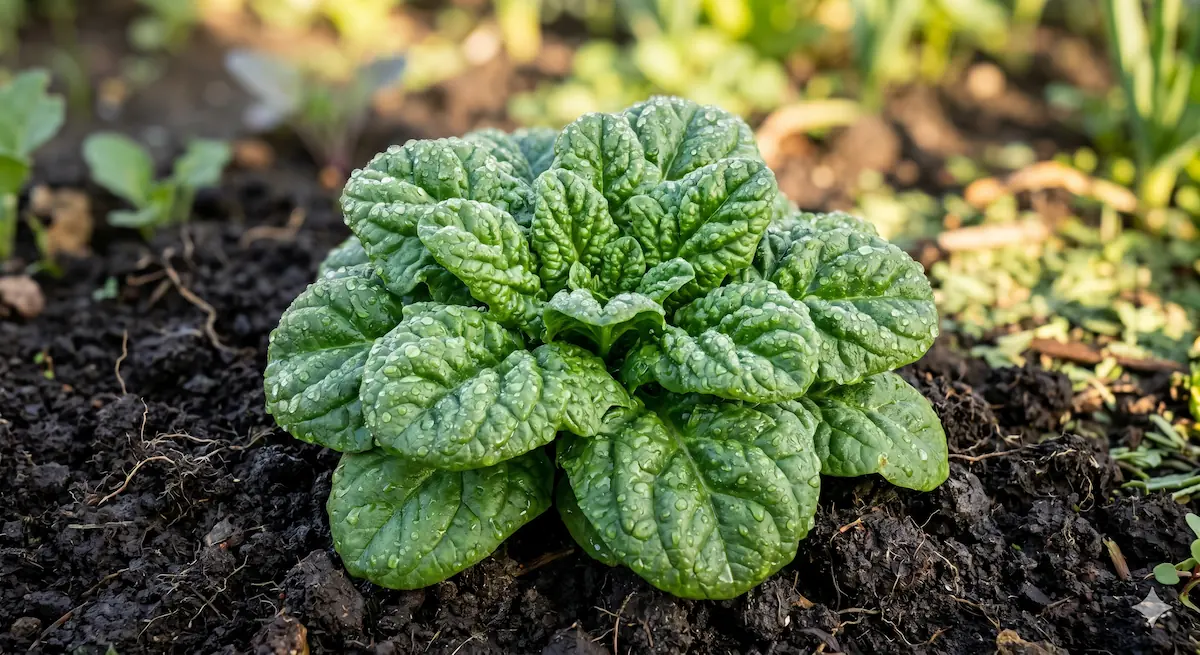
Spinach in the Garden: How to Grow Juicy Leaves and Prevent Bolting
Spinach growing secrets from AgroPlanner. Learn why it loves the cold, how to water it correctly, and how to stop the plant from flowering too early.
Read more →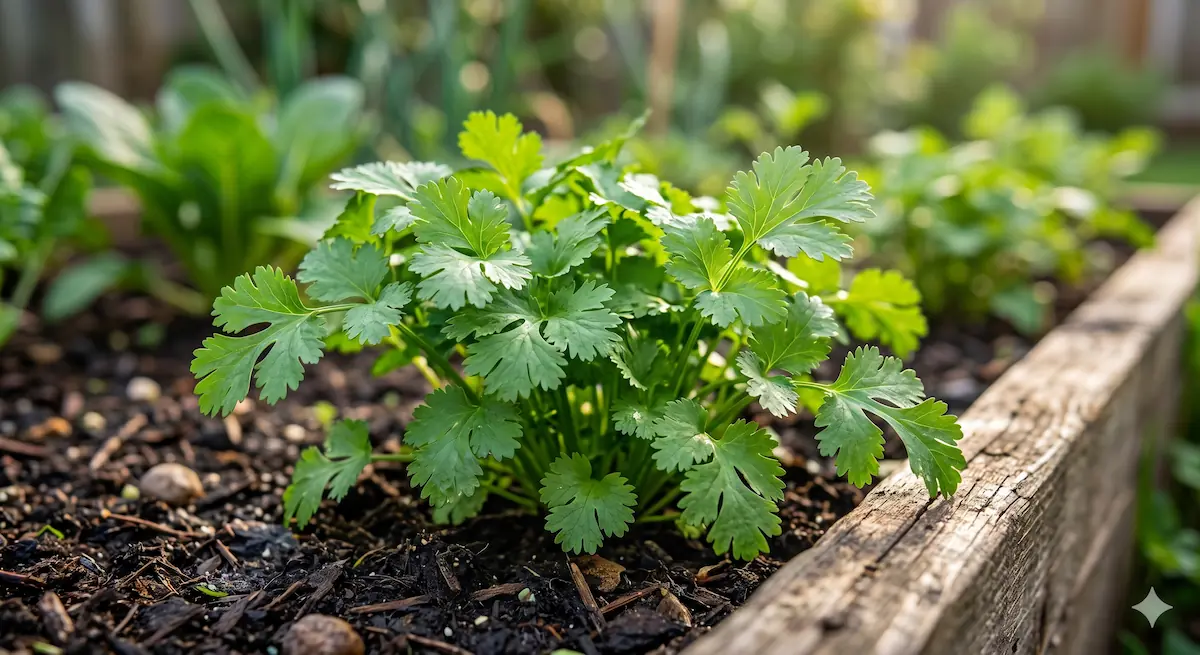
Cilantro: How to Grow Fragrant Greens and Prevent Bolting
Learn why cilantro goes to seed so quickly and how to harvest juicy leaves all season long. Coriander growing secrets and care tips from AgroPlanner.
Read more →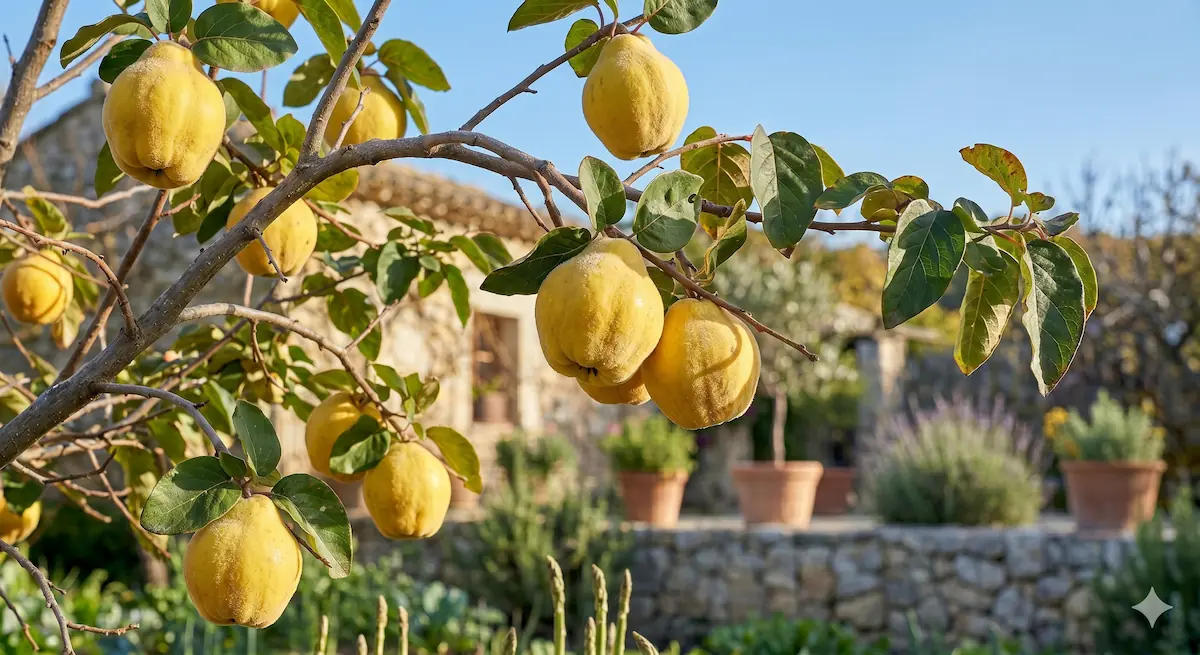
Quince: How to Grow a Tree with Healing and Fragrant Fruits
Quince is a powerhouse of pectin and a unique aroma. Learn why it loves moisture, how to prune the canopy, and how to get large fruits for the best jam.
Read more →