
Quince: How to Grow a Tree with Healing and Fragrant Fruits
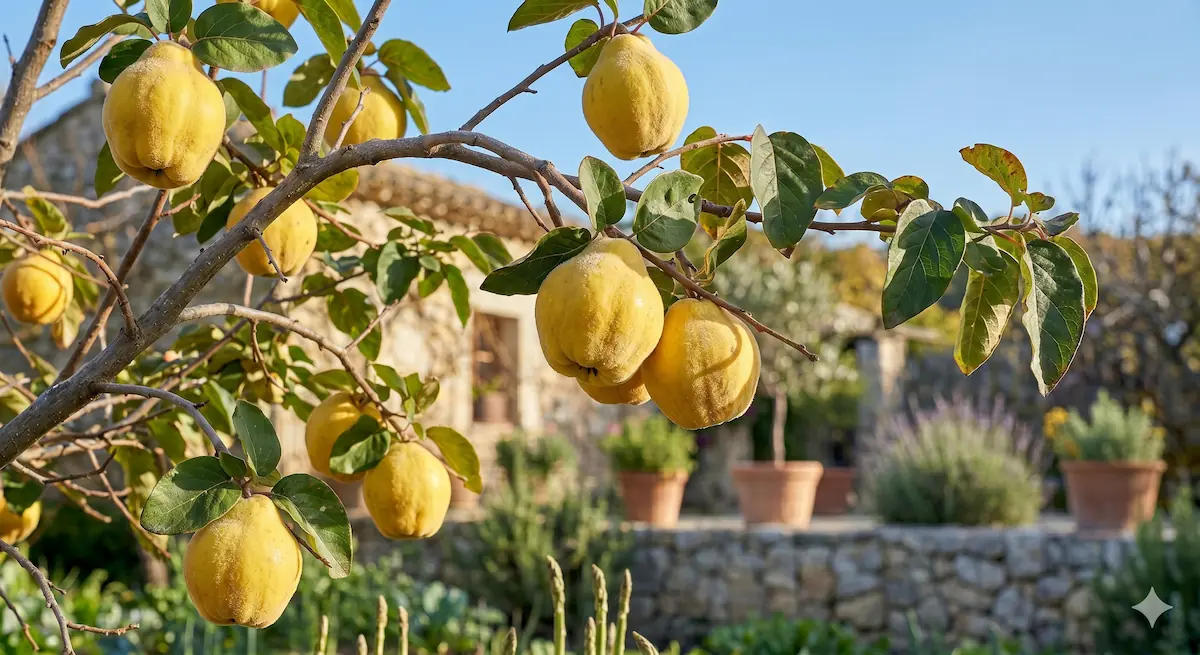
Quince is a powerhouse of pectin and a unique aroma. Learn why it loves moisture, how to prune the canopy, and how to get large fruits for the best jam.
The Quince (Cydonia oblonga) is a tree whose fruits are unmistakable due to their powerful fragrance. It is a fairly hardy crop that tolerates frost and drought well, but it fruits best with regular watering. Quince is excellent both for individual planting and for creating decorative groups.
Soil: Where Does the Quince Become Juicy?
Quince is one of the few fruit crops that can tolerate slightly heavier soils, yet it still prefers fertility.
- Best Choice: Fertile Loamy soils (Type 1) that retain moisture well.
- Soil Check: Perform the sausage test. If the soil rolls into a flexible stick (Type 1), it's ideal: the quince will receive the water supply needed for fruit development.
Best Companions (Good)
Quince gets along well with other pome fruit crops:
- Apple and Pear: Have similar requirements and complement each other well in the garden.
- Currants: Thrive in the light partial shade of the quince canopy.
- Marigolds: Help repel pests from the tree trunk.
Main Enemies (Bad)
- Walnut Trees: Walnut juglone suppresses quince growth, making it vulnerable to disease.
- High Lime Content: In excessively alkaline soil, quince can suffer from chlorosis (yellowing of the leaves).
- Aphids: Young quince shoots are a favorite treat for aphids, which can severely exhaust the tree.
AgroPlanner Tip: Quince is usually shaped as a small tree or a multi-stemmed shrub. In our app, it occupies a 4x4 grid. The system will help you calculate the distance from other trees to ensure the quince has enough light and will flag the walnut toxic zone in red.
AgroPlanner App
Realize your dream garden: check plant compatibility, sun/shade needs, and save your plan easily.

Disclaimer
Important! All information in this blog is for recommendation purposes only. We are developers and enthusiasts, not certified agronomists. Results may vary based on your region, soil type, and weather. We are not responsible for potential errors or crop failures. Please verify critical advice independently!
Found this helpful? Share with friends!
Read more
Brussels Sprouts: Why Frost is Their Best Friend
Brussels sprouts are the hardiest crop in the garden. Learn how to make the small heads grow faster and why you shouldn't rush the harvest.
Read more →
Zucchini "Tsukesha": King of Compact Beds and Early Harvests
"Tsukesha" is a variety for those who value space. Learn how to give this bush zucchini a perfect start, which soil it loves, and who its best companions are.
Read more →
Autumn Lawn Care and Maintenance: Preparing Turf for Winter and Aeration
For the lawn to wake up green and dense in spring, it must be properly cared for in autumn. Full guide on scarification and autumn lawn feeding.
Read more →