
Soil pH: The Secret Key to Why Your Fertilizers Might Be Failing
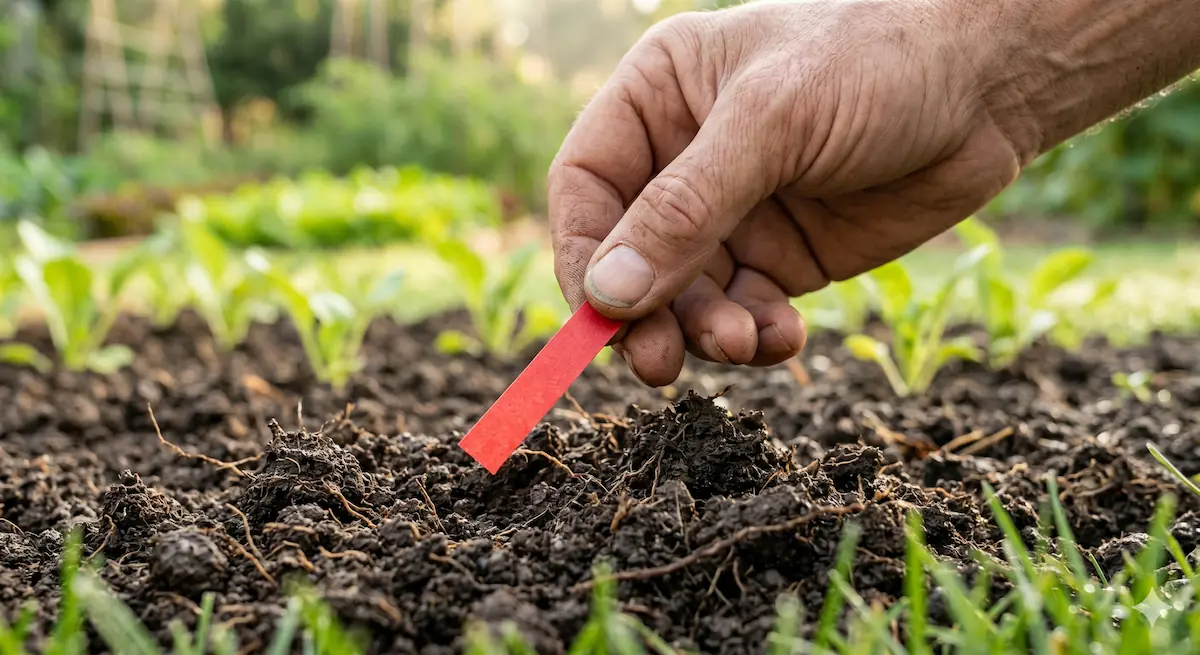
Learn how to test soil acidity using household items and why the pH level is crucial for your plants' health and nutrient absorption.
Do you buy expensive fertilizers and water your plants on time, yet they still look weak and stunted? The reason might not be a lack of nutrients, but the soil's pH level. Acidity acts as a "gateway": if it’s closed, the roots simply cannot absorb minerals, even if the soil is rich with them.
What is pH and Why Does it Matter?
The pH scale ranges from 0 to 14. A value of 7.0 is considered neutral. Anything below that is acidic, and anything above is alkaline. Most popular vegetables (tomatoes, cucumbers, peppers) prefer slightly acidic or neutral soil (6.0–7.0). However, some "connoisseurs" like blueberries or hydrangeas strictly require an acidic environment to survive.
How to Test pH in 5 Minutes (Home Methods)
You don't necessarily need expensive lab tools. You can use what’s already in your kitchen:
- Vinegar Test: Take a handful of dry soil and pour some vinegar on it. If it fizzes or bubbles, your soil is alkaline.
- Baking Soda Test: Mix soil with water to make a muddy paste and sprinkle baking soda on top. If it reacts and bubbles, your soil is acidic.
- Indicator Plants: Look at the weeds. Horsetail, sorrel, and moss thrive in acidic soils. Nettle, clover, and quinoa prefer fertile, neutral ground.
How to Fix Your Soil?
If your soil is too acidic, you can "sweeten" it by adding lime, dolomite flour, or wood ash. If the soil is too alkaline, you can acidify it by adding peat or pine needles/sawdust.
AgroPlanner and Soil Zoning
When placing plants on our canvas, use it to organize your plot into zones. For example, avoid grouping blueberries with cabbage, as they require completely different pH levels. Our planner helps you visually structure your beds so you can ensure each plant group gets the specific care and soil type it needs.
AgroPlanner App
Realize your dream garden: check plant compatibility, sun/shade needs, and save your plan easily.

Disclaimer
Important! All information in this blog is for recommendation purposes only. We are developers and enthusiasts, not certified agronomists. Results may vary based on your region, soil type, and weather. We are not responsible for potential errors or crop failures. Please verify critical advice independently!
Found this helpful? Share with friends!
Read more
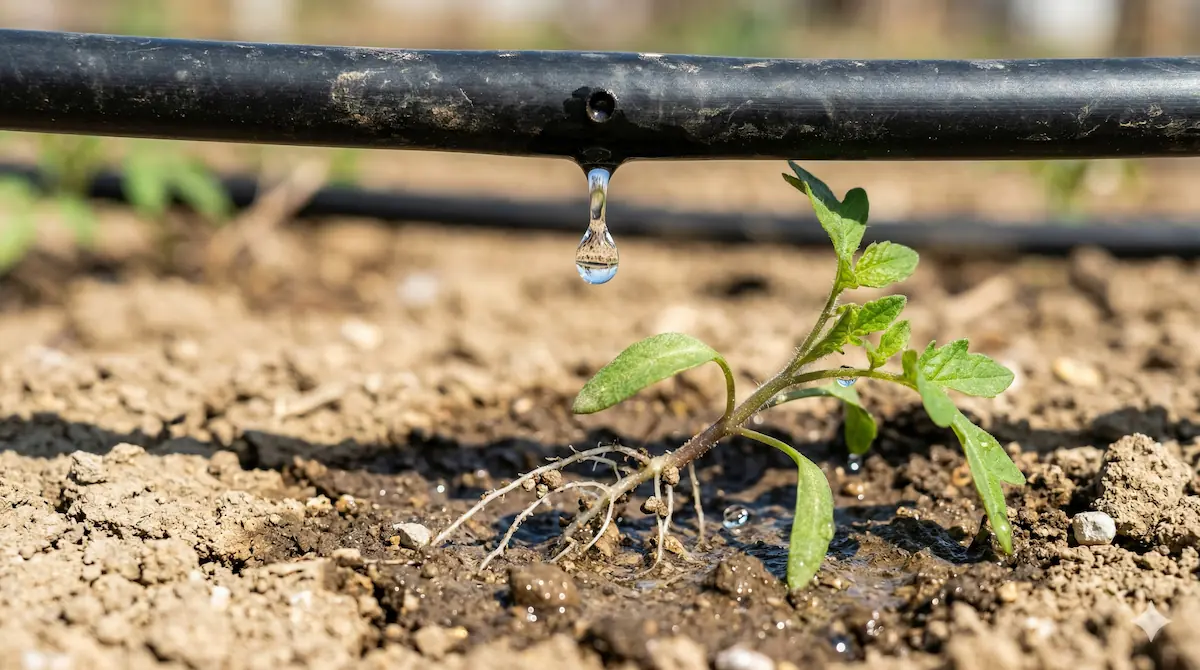
DIY Automatic Watering: How to Stop Being a Slave to the Watering Can
Your garden can survive without you! Learn how to set up a watering system: from simple bottles to drip tapes.
Read more →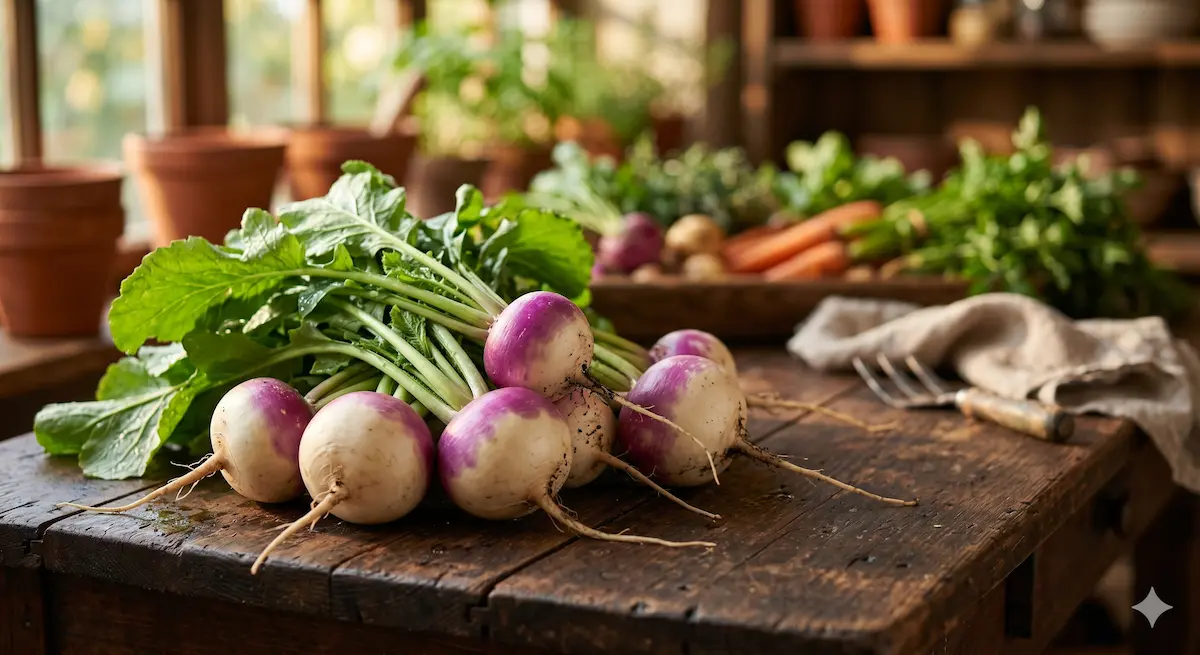
Growing Turnips: Secrets to Early Harvest and Juicy Flavor
How to grow tender turnips without bitterness. April planting times, watering rules, and protection against flea beetles. An AgroPlanner guide for a rich harvest.
Read more →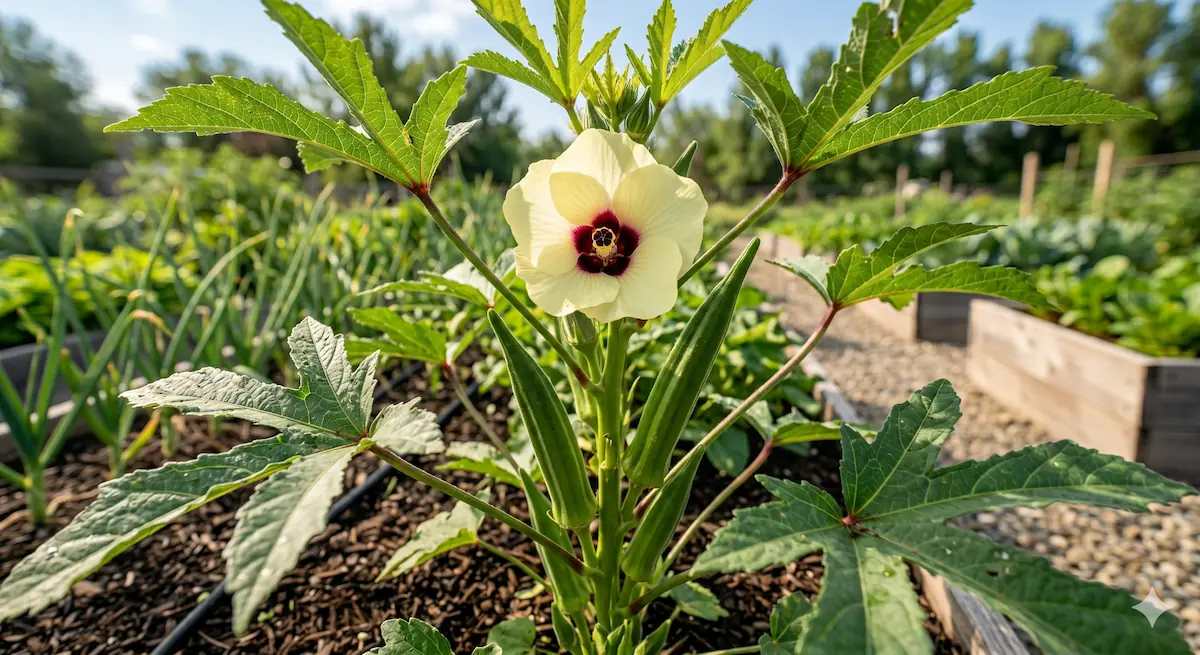
Okra (Lady's Fingers): The Edible Hibiscus Flower
Okra is a superfood with stunning flowers and nutritious pods. Learn why it loves the heat, what soil makes it productive, and how to harvest the pods correctly.
Read more →